Why Monkey Testing Has Become a Global Debate
Why Monkey Testing Has Become a Global Debate
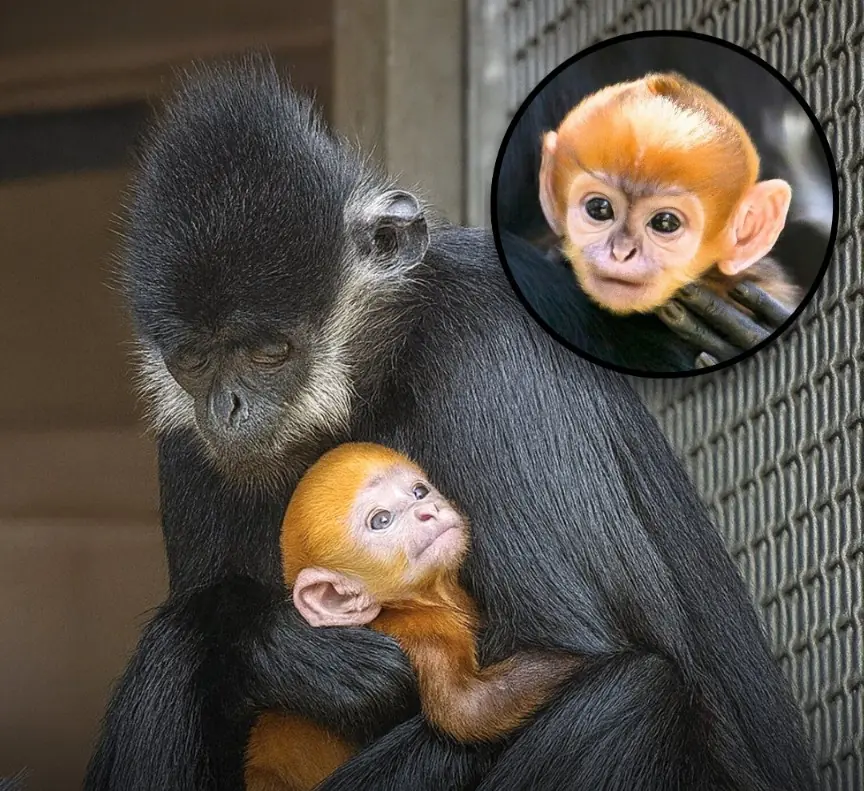
For decades, monkeys have been used in medical research because their biology is closer to humans than many other animals. Scientists have relied on primates to study neurological disorders, infectious diseases, vaccines, and drug safety.
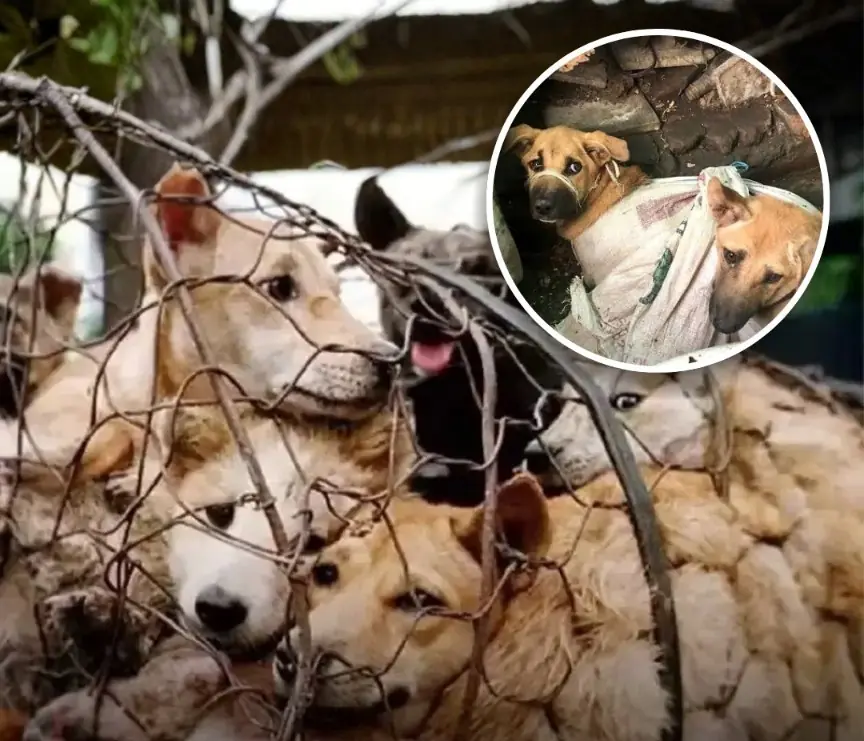
But at the same time, animal rights organizations have increasingly questioned whether these experiments remain ethically acceptable in modern science.
Many people argue that intelligent animals capable of emotion, memory, and social bonding should not be subjected to invasive laboratory testing.
Others believe some carefully regulated research is still necessary for developing life-saving treatments.
That debate has intensified worldwide in recent years.
Scientists Are Searching for Alternatives
Modern technology is rapidly changing how research is conducted.
Today, scientists are developing alternatives such as:
- AI-powered drug simulations
- Lab-grown human tissues
- Organ-on-chip technology
- Advanced computer modeling
- Stem-cell-based testing
These methods may eventually reduce or replace many forms of animal experimentation entirely.
Supporters say this could create research that is not only more ethical, but also more accurate for predicting human responses.


 6
6
Why Viral Animal Headlines Spread So Fast
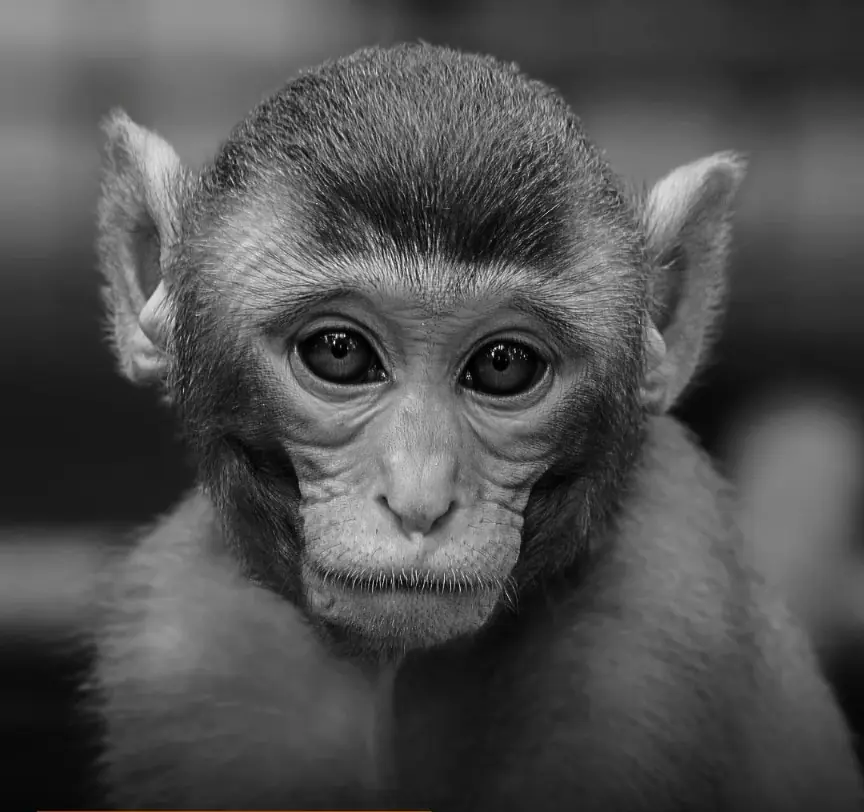
Images like this often go viral because they trigger strong emotional reactions immediately.
A sad-looking monkey paired with a dramatic “breaking news” headline creates instant engagement online — especially when the topic involves ethics, animals, and science.
But many viral graphics are:
- exaggerated,
- misleading,
- taken out of context,
- or completely fabricated.
That is why checking official announcements from organizations like the CDC, NIH, or WHO is important before sharing claims as factual.
The Future of Animal Research Is Still Changing
Even though the headline appears inaccurate, the broader conversation is very real.
Pressure is growing globally to reduce animal testing and move toward more humane scientific methods.
Some countries have already restricted certain forms of cosmetic animal testing, while medical research institutions continue investing heavily in non-animal alternatives.
The future will likely involve:
- fewer animal experiments,
- stricter oversight,
- and increasing use of advanced technology instead of live testing.
But as of now, there has been no confirmed announcement ending all monkey experiments in laboratories.