Why Punchy Clings to His Caregiver’s Leg: The Emotional Truth Behind a Viral Moment
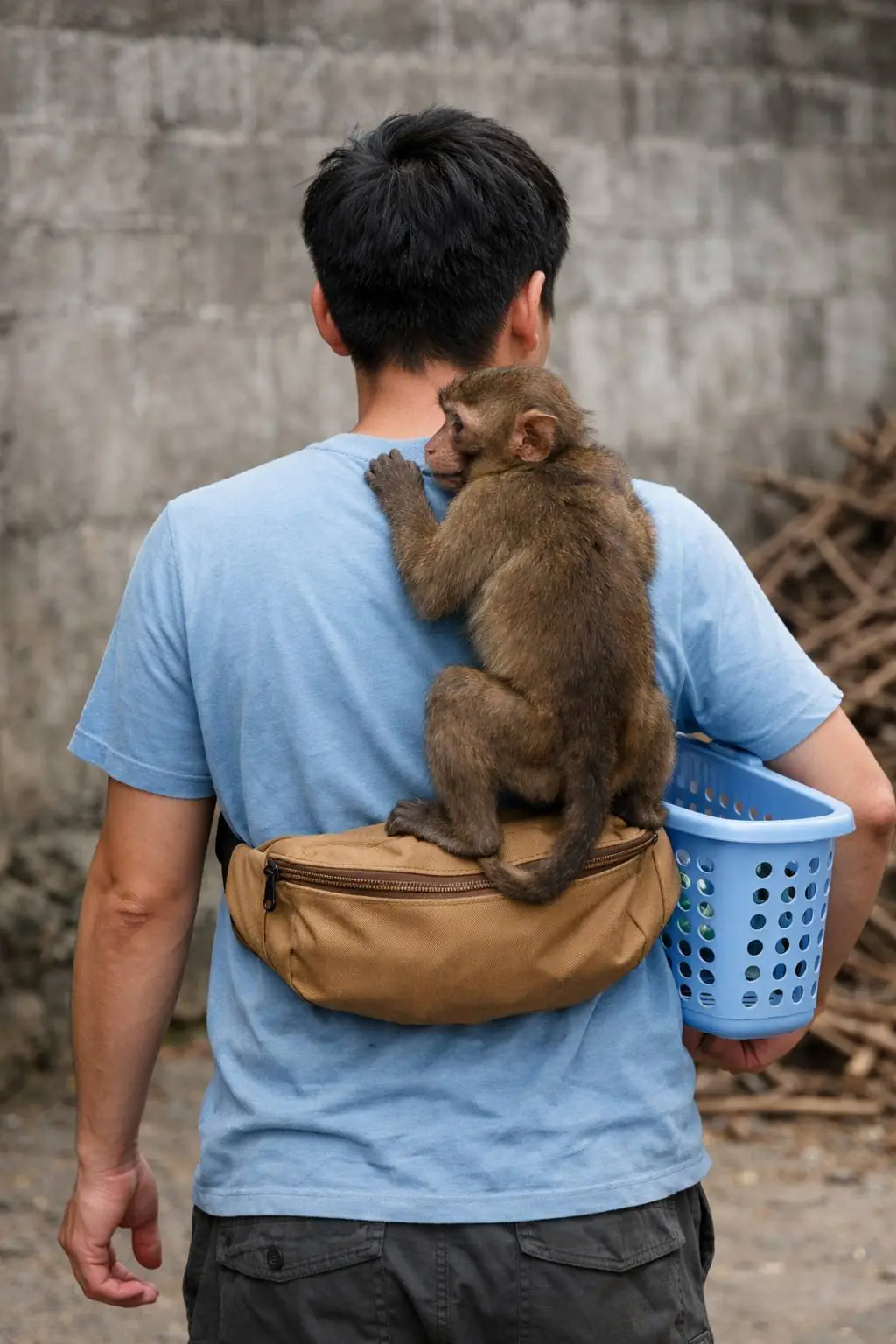
In countless viral videos, one moment repeats itself again and again.
The enclosure door opens.
Food is ready.
But instead of running toward it—
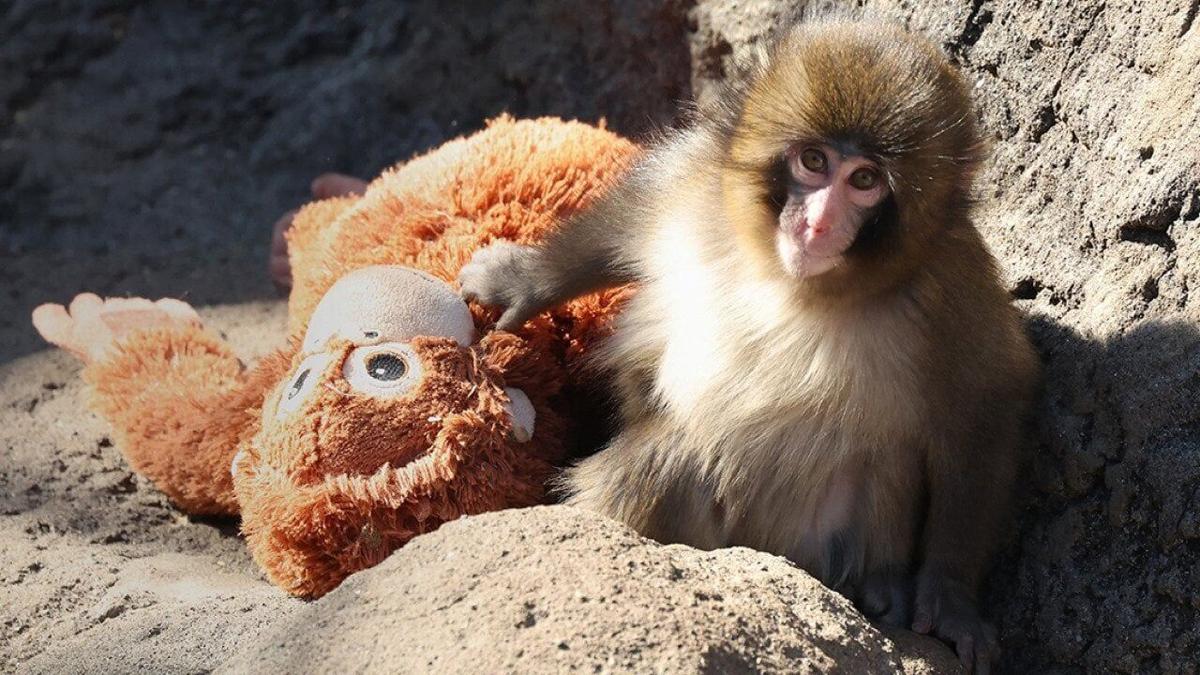
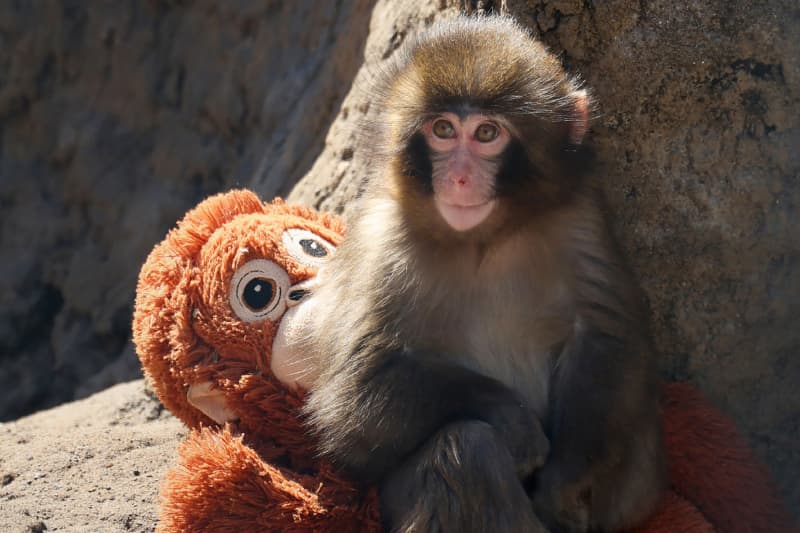
Punchy, a young Japanese macaque, does something unexpected.
He runs straight to his caregiver.
He climbs.
He clings.
And then—
👉 He holds onto the caregiver’s leg as if letting go is not an option.
To millions of viewers, this is simply “cute.”
But through the lens of behavioral science and emotional development—
👉 It is something far deeper.
🧬 1. INSTINCT: WHEN A LEG BECOMES AN ANCHOR

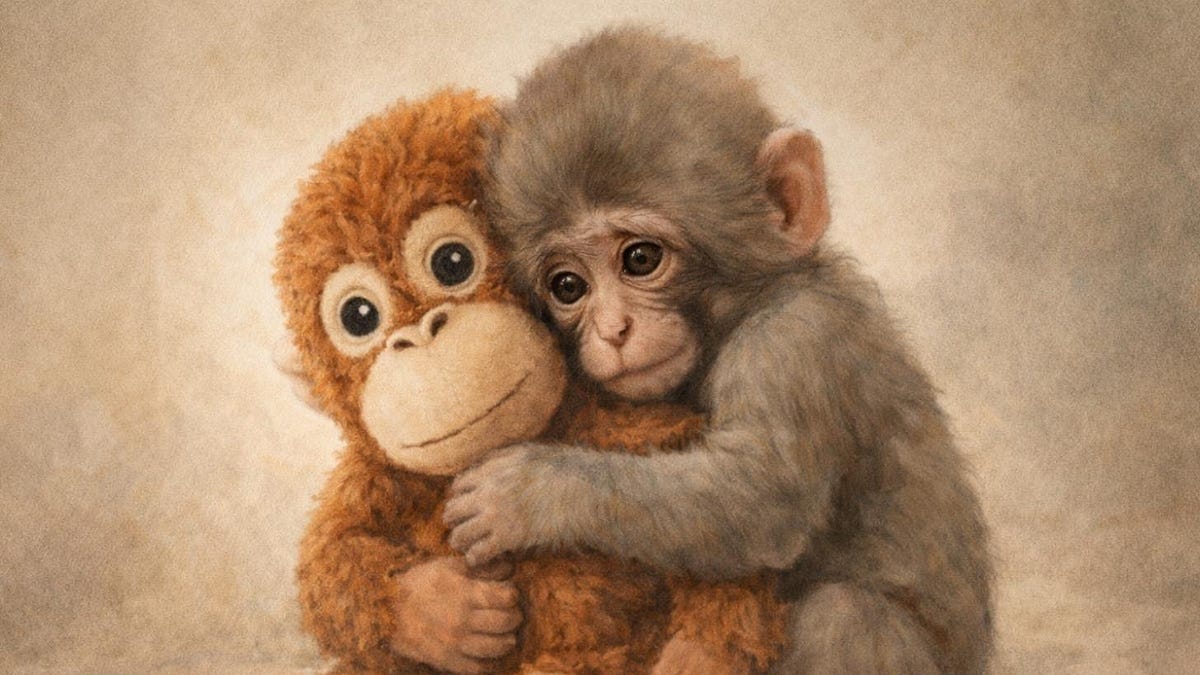
In the wild, infant monkeys do not walk beside their mothers.
They cling to them.
Constantly.
-
On the belly
-
On the back
-
Skin-to-skin contact
This is not affection.
👉 It is survival
This physical attachment provides:
-
Safety from predators
-
Emotional regulation
-
Constant reassurance
What happens when that bond is broken?
In Punchy’s case:
-
His mother is absent
-
The instinct remains
So the brain does what it must:
👉 It transfers the attachment
The caregiver becomes:
👉 The closest substitute to “mother”
And the leg—
👉 Becomes an anchor.
🧠 2. PSYCHOLOGY: THE SILENT NEED FOR CONTACT
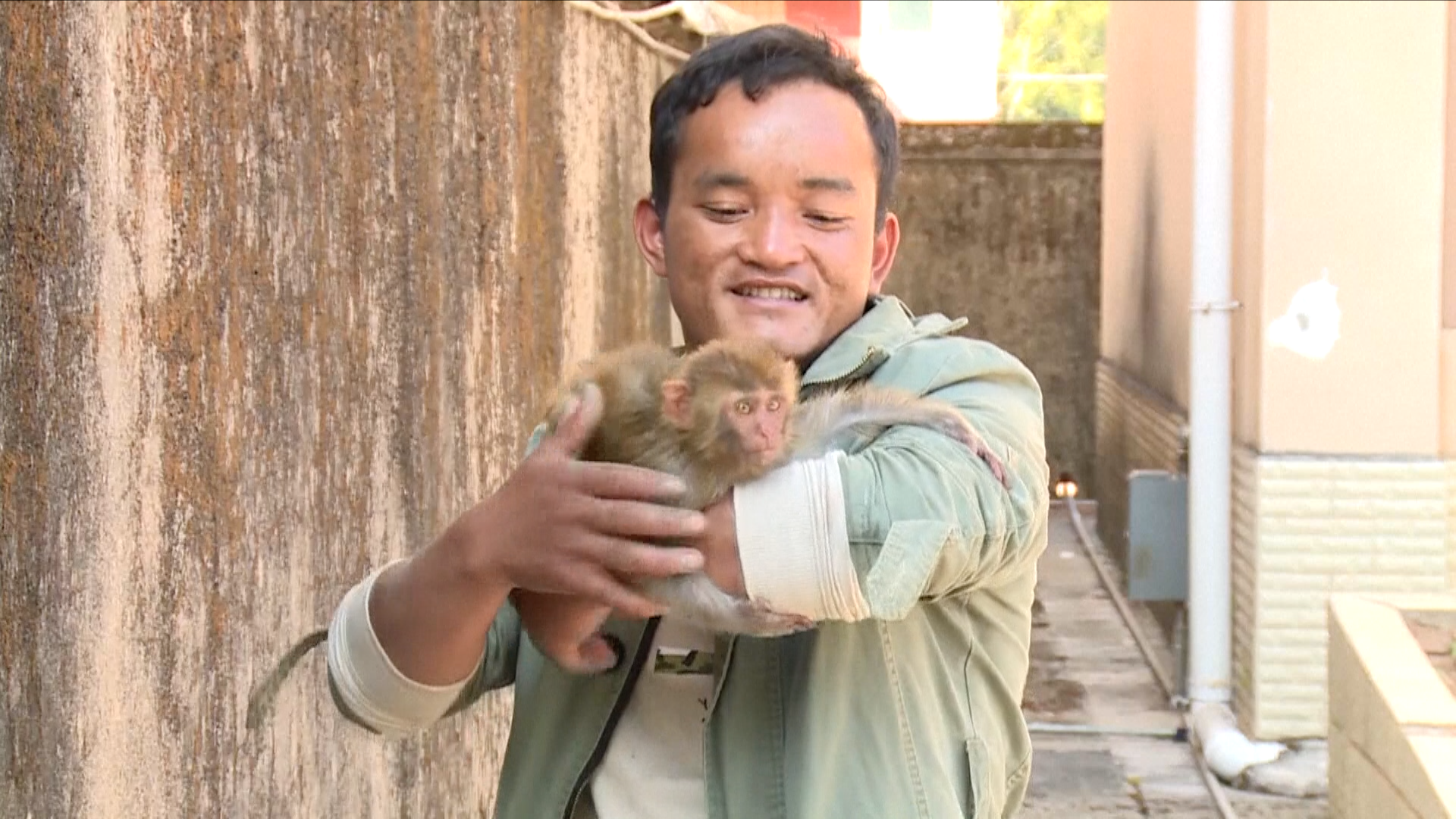
There is a concept in psychology called:
👉 “Skin hunger” (the need for physical contact)
For primates, this need is not optional.
It is essential.
Punchy may be able to:
-
Skip a meal briefly
But he cannot easily tolerate:
👉 The absence of touch
What his behavior suggests
When Punchy clings to the caregiver:
-
He is not just following
-
He is not just playing
He is asking:
👉 “Stay.”
Not verbally.
But physically.
❤️ 3. WHY THE CAREGIVER MATTERS MORE THAN ANYTHING ELSE
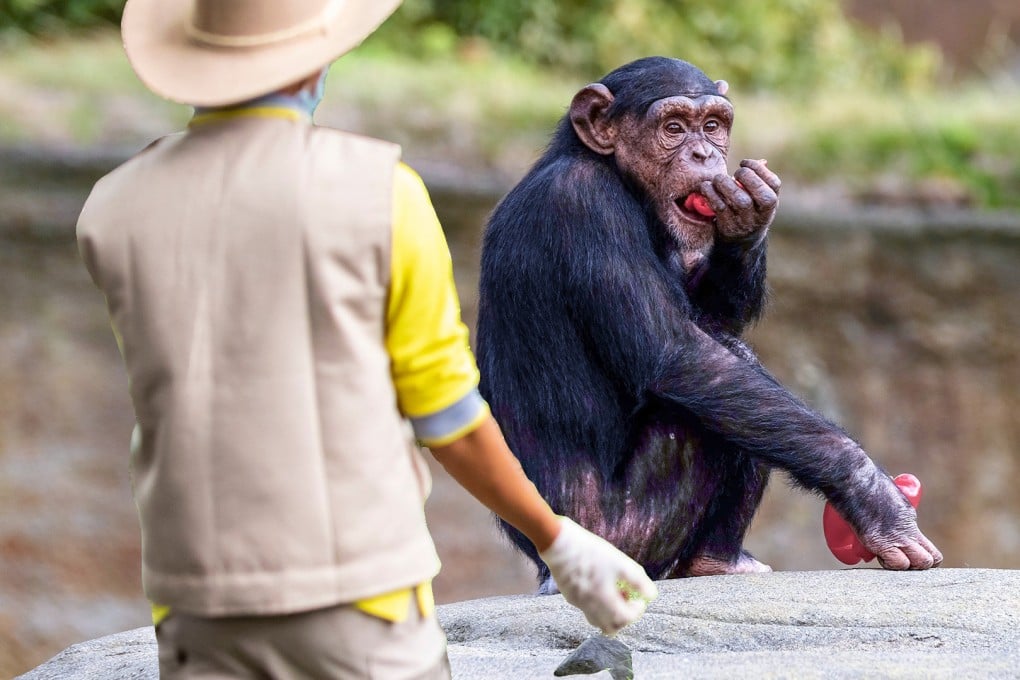
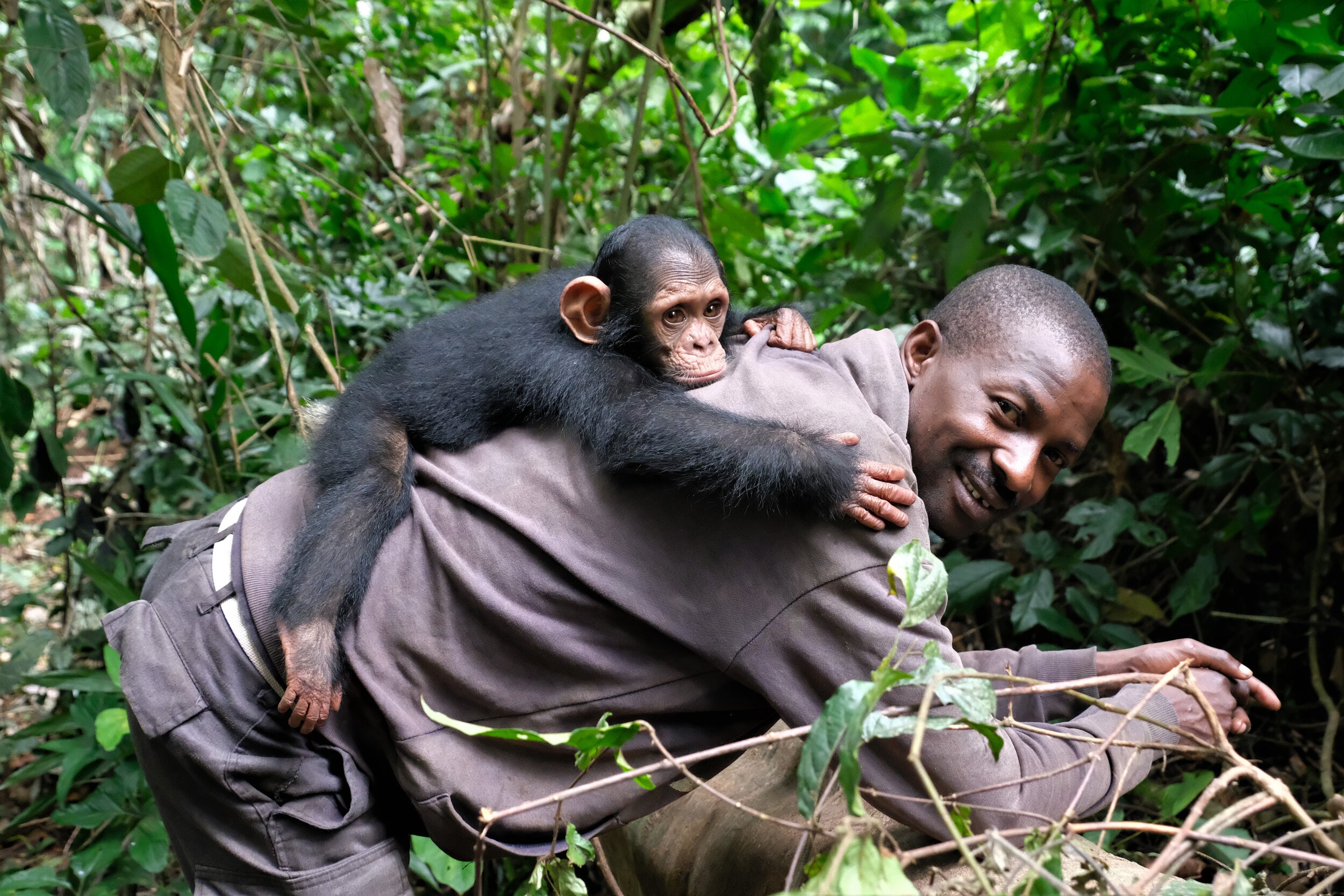
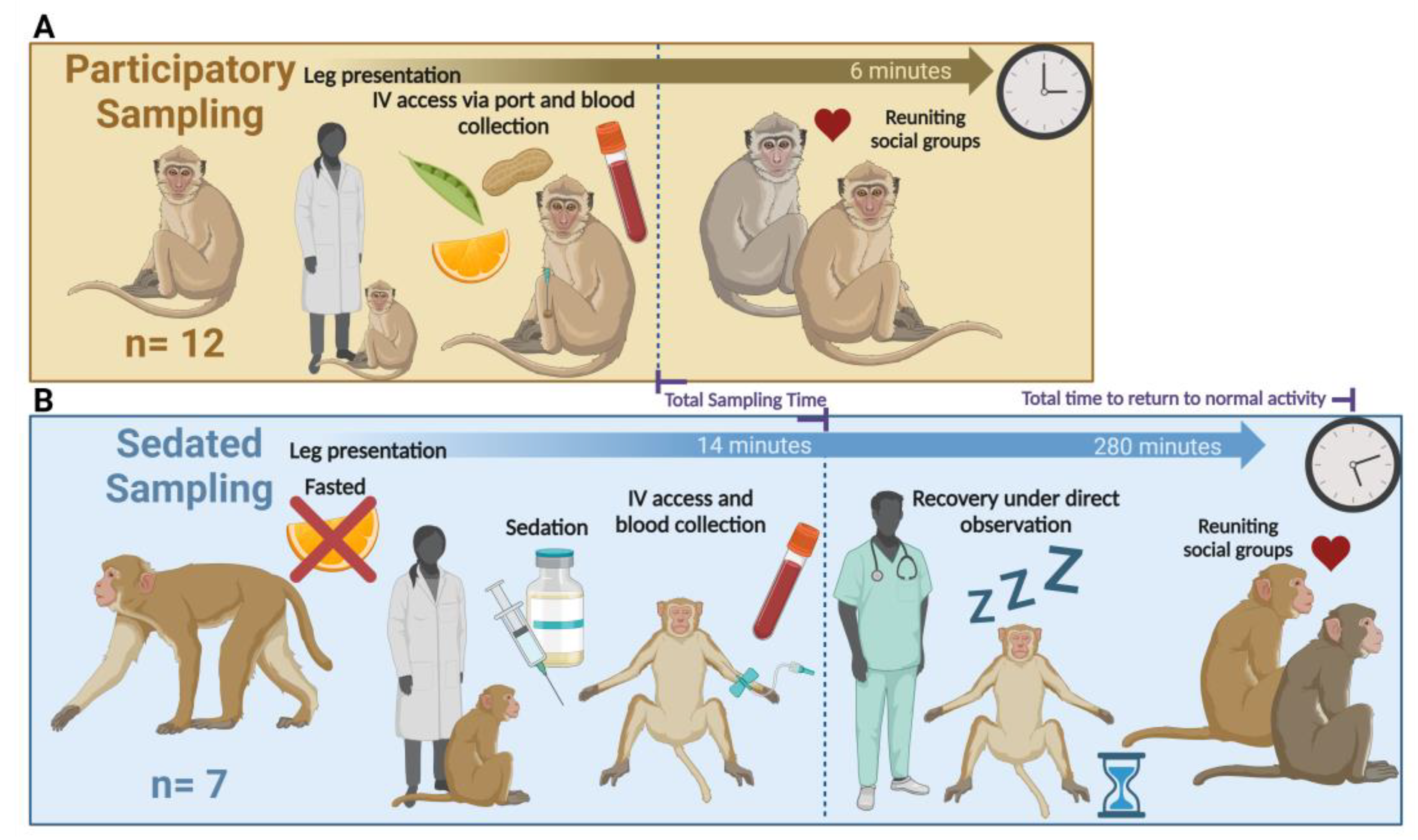

Why doesn’t Punchy choose:
-
Toys?
-
Food?
-
Other monkeys (in that moment)?
Because only a living being can:
-
Respond
-
Move
-
Reassure
-
Recognize
The caregiver is not just a provider.
He is:
👉 A responsive presence
In Punchy’s world, that means:
👉 Life
👉 Safety
👉 Continuity
⚖️ 4. THE COMPLEX TRUTH: LOVE OR DEPENDENCE?
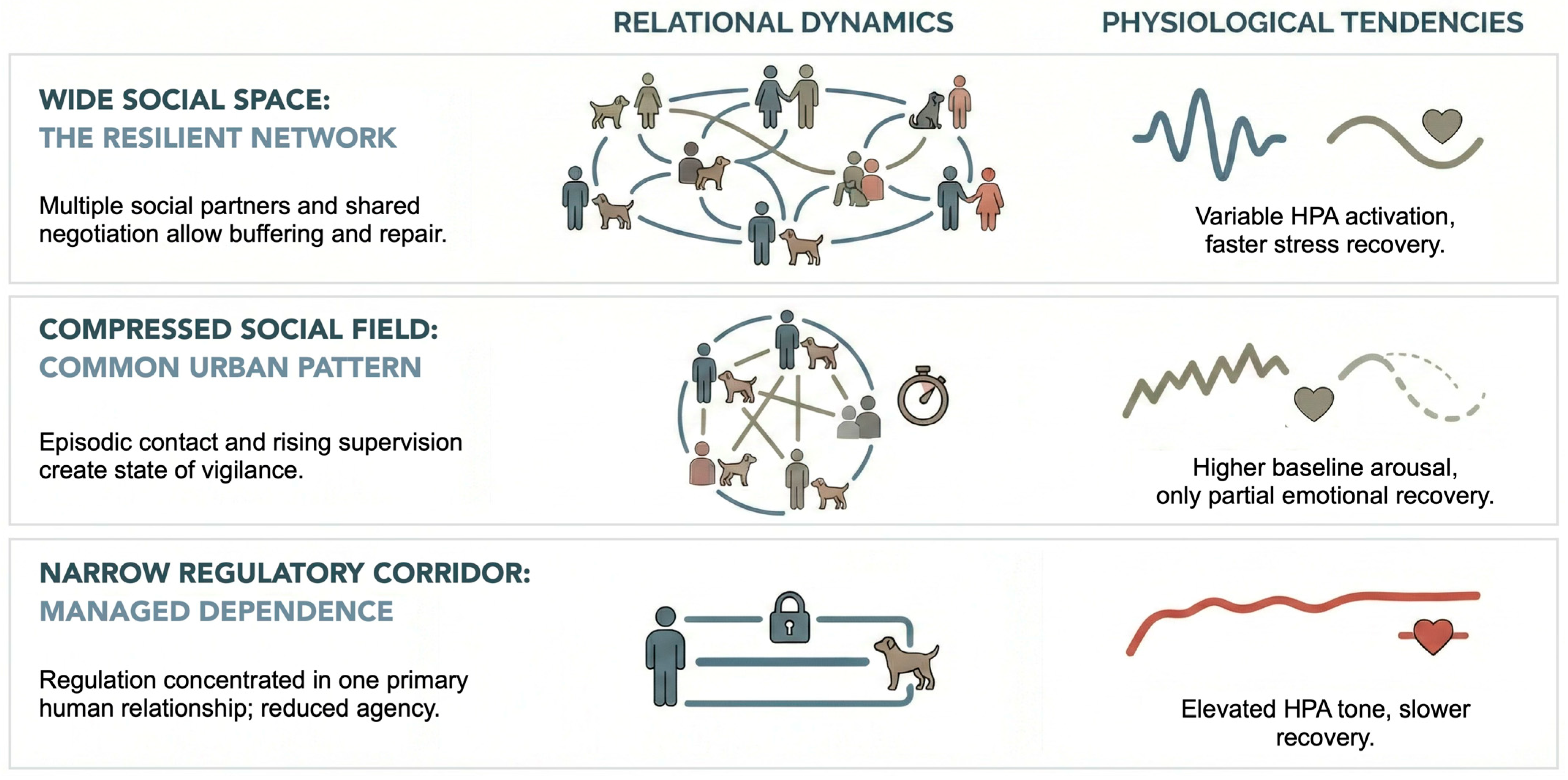

There is another side to this story.
One that is less comfortable.
Punchy’s attachment may also indicate:
👉 Psychological dependence
The dilemma
The caregiver:
-
Saves him
-
Supports him
-
Provides emotional stability
But also becomes:
👉 A crutch
This creates a tension:
-
The more Punchy depends
-
The harder it may be to become independent
This is a common challenge in animal care:
👉 Rescue vs natural development
🌍 5. THE HUMAN REFLECTION



Punchy’s behavior resonates because it reflects something deeply human.
We may not physically cling to someone’s leg—
But emotionally?
👉 Many of us do the same
We hold onto:
-
People
-
Relationships
-
Moments of safety
Not because we are weak—
👉 But because we remember what it feels like to lose it
💬 THE MESSAGE
Punchy’s grip is not just a gesture.
It is:
-
A memory
-
A need
-
A response to absence
It tells a story that words cannot:
👉 “Don’t leave me here alone.”
❓ A QUESTION FOR YOU
When you see Punchy holding onto his caregiver—
Do you see:
👉 Pure affection?
Or—
👉 A quiet expression of fear and trust at the same time?
❤️ FINAL THOUGHT
Punchy does not understand labels like:
-
“Caretaker”
-
“Human”
-
“Zoo”
He understands one thing:
👉 Presence
And in a world where he once had none—
Holding on becomes everything.
Sometimes, the tightest grip is not about refusing to let go—
👉 It’s about making sure something doesn’t disappear again.