The Dark Truth: What Really Happens When a Monkey Is Bullied?
When Monkeys Are Bullied: Hidden Psychology and Dangerous Consequences


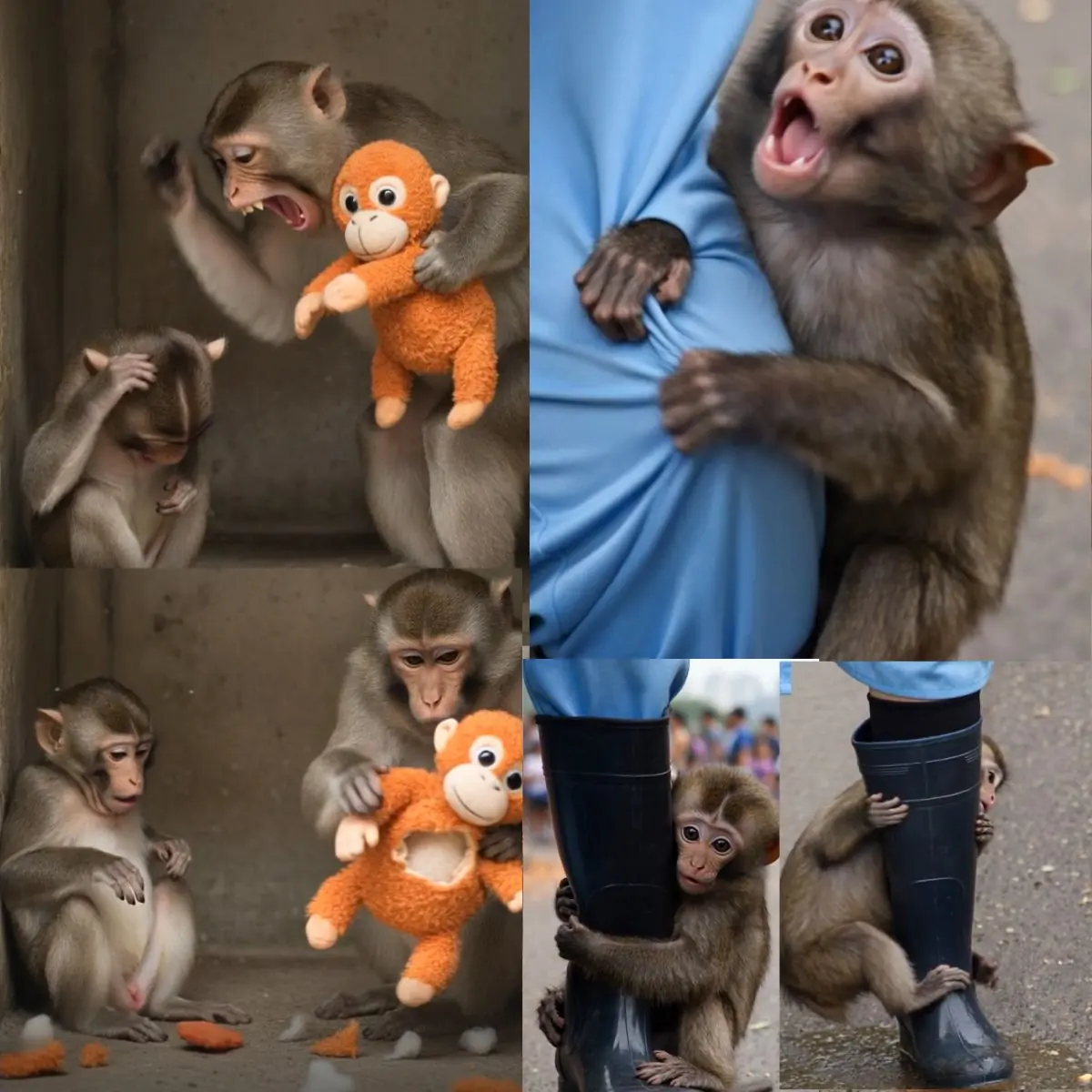
In the world of monkeys, life is far more complex than playful jumping between trees. Beneath the surface lies a rigid social structure, clear dominance hierarchies, and behaviors that closely resemble bullying.
What makes this especially alarming is that monkeys possess advanced emotional intelligence. As a result, the consequences of being bullied are not just physical—they are deeply psychological and can impact the entire troop.
⚠️ 1. Chronic Stress – The Silent Killer


When constantly threatened, a monkey’s body releases cortisol, the primary stress hormone.
-
Hypervigilance: Constantly alert and unable to relax
-
Poor sleep quality: Easily startled, never fully resting
-
Weakened immune system: More prone to illness and slower recovery
👉 This chronic stress mirrors what we see in humans—and can significantly shorten lifespan.
🧠 2. Social Isolation – Cut Off From the Troop


Monkeys are highly social animals. Isolation is one of the most damaging outcomes of bullying.
-
Withdrawal from group activities
-
Avoidance of grooming (a key bonding behavior)
-
Reduced vocal communication and interaction
👉 Losing social connection deepens emotional distress and accelerates behavioral decline.
😞 3. Depression in Monkeys – A Real Phenomenon


Research in animal behavior shows that monkeys can exhibit symptoms strikingly similar to depression:
-
Slumped posture and low energy
-
Loss of interest in food or play
-
Self-harm behaviors: fur pulling, biting themselves
👉 This highlights that complex emotional suffering is not unique to humans.
🐾 4. Loss of Social Rank – Long-Term Psychological Scars


In hierarchical societies:
-
Bullied monkeys often internalize low status
-
Display excessive submissive behaviors
-
Struggle to regain confidence—even in new groups
👉 These psychological scars can last a lifetime.
💥 5. The “Breaking Point” Effect – A Hidden Threat


Perhaps the most dangerous consequence: victims can become aggressors.
-
Redirected aggression toward weaker أفراد
-
Sudden, explosive attacks
-
Destabilization of the entire troop
👉 This creates a cycle of violence—turning victims into potential threats.
🔍 Scientific Perspective: Why This Matters


Understanding monkey psychology is not just about animals:
-
Improves primate conservation efforts
-
Enhances welfare in zoos and rescue centers
-
Provides insight into social behavior and violence across species
✅ Conclusion
Monkeys are not just playful creatures—they are emotionally complex beings living in structured societies. When bullying occurs, it can:
-
Trigger chronic stress
-
Lead to depression
-
Alter long-term behavior
-
And even create new sources of danger within the group
👉 Ultimately, this reveals a powerful truth: violence leaves deep and lasting consequences in any society—human or animal alike.
💡 Did you know? In some monkey troops, older females act as mediators—stepping in to resolve conflicts and reduce emotional tension, much like natural “therapists.”