Signs a Monkey Is Sick: How Zookeepers Care for an Ill Japanese Macaque Like Punch
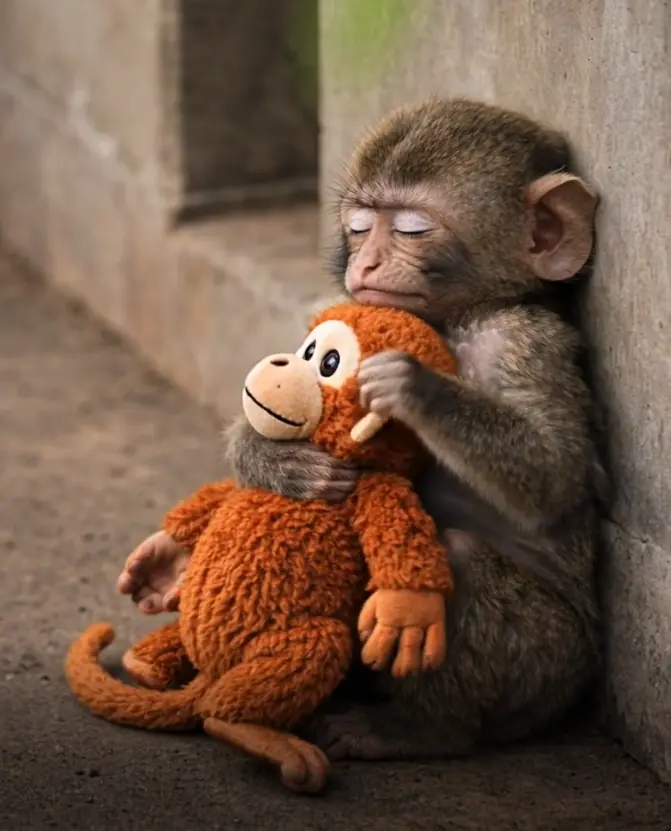
Monkeys are active, social, and expressive animals.
So when a monkey suddenly becomes quiet, withdrawn, or inactive—
👉 It’s often not just a mood change.
👉 It may be a sign of illness.
For animals like Punch — a Japanese macaque — early detection is critical.
Because unlike humans…
👉 Animals cannot tell us what’s wrong.
🧠 5W1H ANALYSIS: UNDERSTANDING MONKEY ILLNESS
❓ WHO — WHO IS AFFECTED WHEN A MONKEY GETS SICK?

-
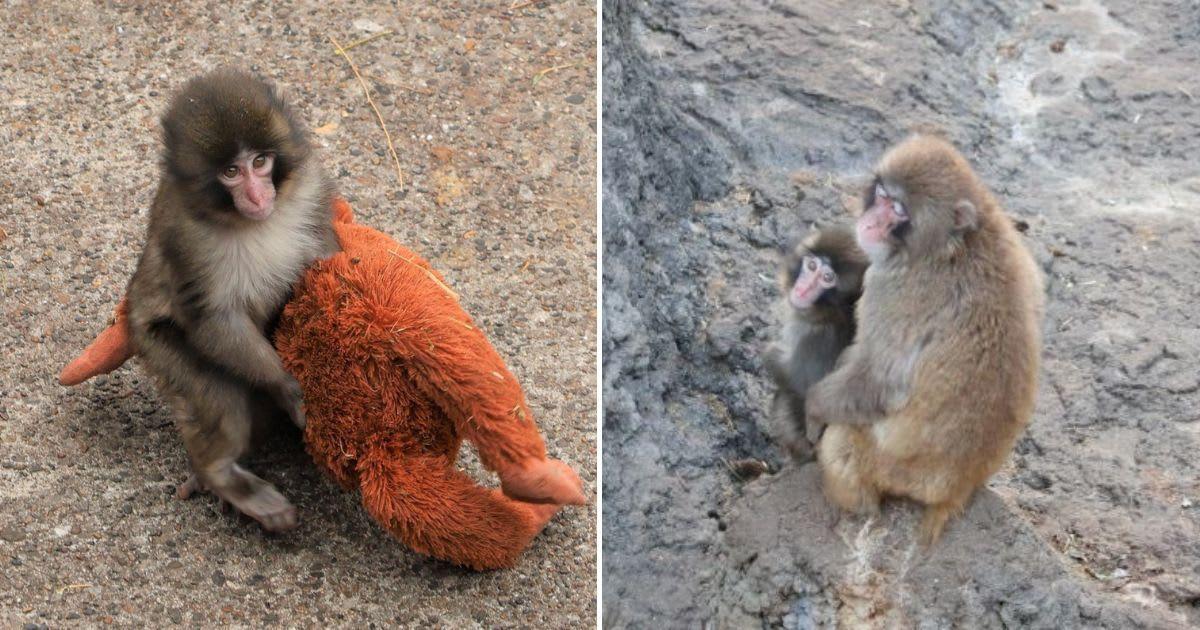
Individual monkeys like Punch
-
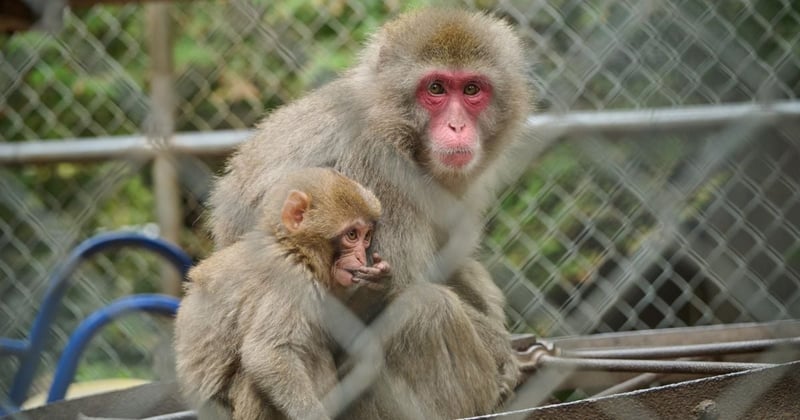
Other monkeys in the same group (risk of infection)
-
Caretakers and veterinarians responsible for monitoring
👉 In social species, one sick individual can affect the entire group.
❓ WHAT — WHAT ARE THE SIGNS THAT A MONKEY IS SICK?
Recognizing symptoms early is the most important step.
🧠 Behavioral Changes
-
Lethargy (less movement, less play)
-
Withdrawal from group
-
Reduced interaction
🍽️ Eating & Drinking Changes
-
Loss of appetite
-
Refusing food
-
Drinking less water
🩺 Physical Symptoms
-
Fever
-
Coughing
-
Runny nose or watery eyes
-
Diarrhea
-
Abnormal breathing
🧬 Other Signs
-
Weight loss
-
Rough or puffed-up fur
-
Weak posture
👉 These are warning signals that should never be ignored.
❓ WHEN — WHEN SHOULD CARETAKERS TAKE ACTION?


👉 Immediately.
Even mild symptoms can quickly become serious in primates.
Caretakers must act when:
-
Symptoms appear suddenly
-
Behavior changes noticeably
-
The monkey refuses food for more than a short period
👉 Early action can prevent complications.
❓ WHERE — WHERE SHOULD A SICK MONKEY BE KEPT?
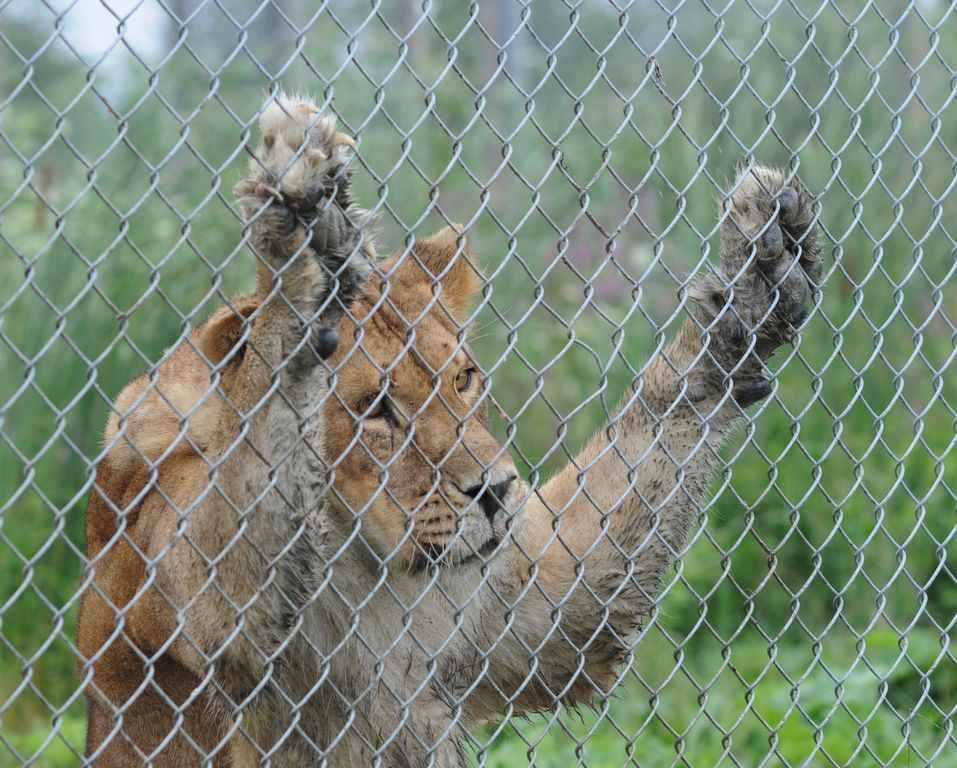
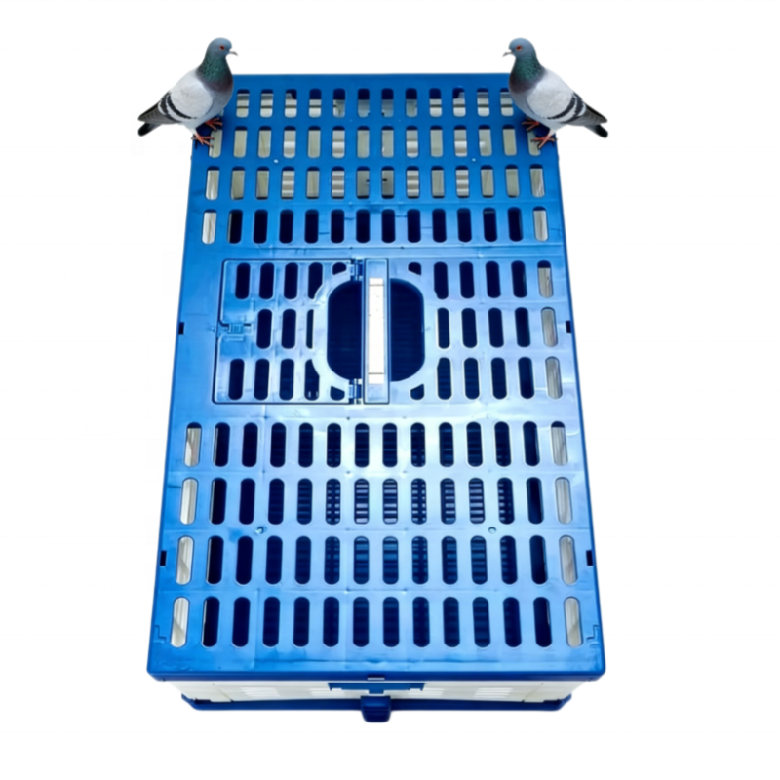


A sick monkey should be moved to:
👉 A clean, isolated, controlled environment
This helps:
-
Prevent disease spread
-
Allow close monitoring
-
Reduce stress from group interaction
Isolation is not punishment—
👉 It is protection.
❓ WHY — WHY DO MONKEYS GET SICK?
There are multiple possible causes:
🦠 Infection
-
Bacteria
-
Viruses
-
Parasites
🌡️ Environmental Factors
-
Sudden weather changes
-
Poor hygiene
-
Contaminated food or water
😔 Stress
-
Social conflict
-
Isolation
-
Changes in routine
🧬 Weak Immune System
-
Young or vulnerable individuals like Punch are at higher risk
👉 Often, illness is not caused by one factor—but a combination.
❓ HOW — HOW SHOULD CARETAKERS RESPOND?


This is the most critical part.
1. 🧍♂️ Immediate Isolation
-
Separate the sick monkey
-
Prevent contact with others
2. 📋 Monitor Symptoms Closely
-
Record behavior changes
-
Track eating, drinking, and activity
-
Take photos/videos if needed
3. 💧 Provide Basic Care
-
Ensure hydration
-
Keep the animal warm
-
Maintain a quiet, stress-free environment
4. 🩺 Contact a Veterinarian Immediately
-
Professional diagnosis is essential
-
Medication or treatment must be supervised
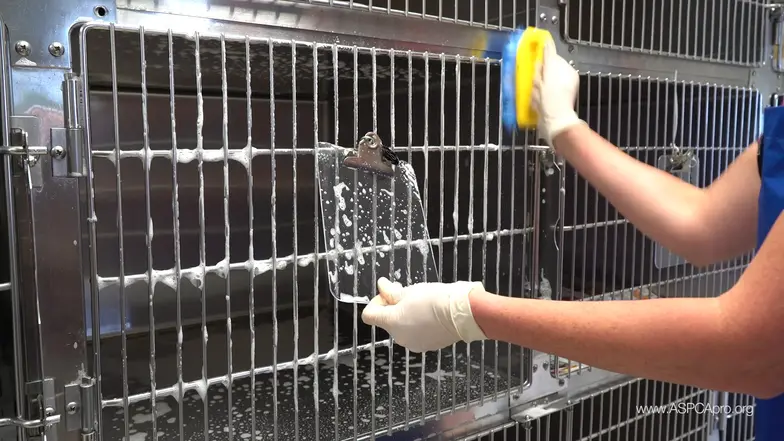
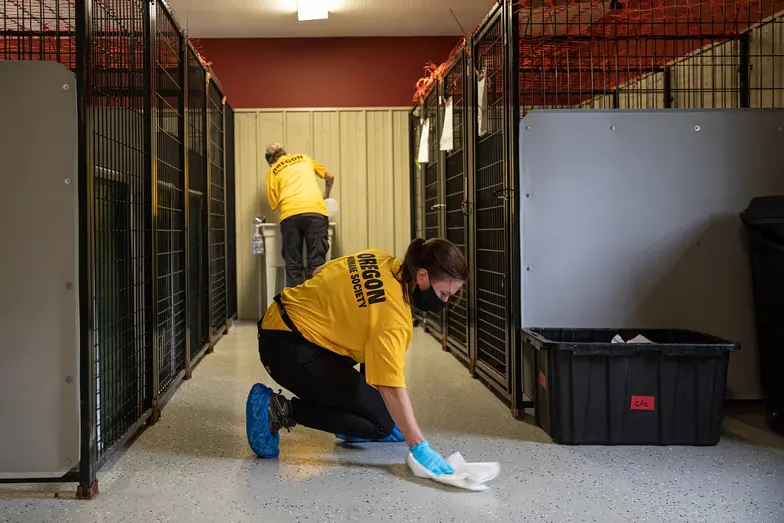
5. 🧼 Clean and Disinfect Environment
-
Sanitize enclosure
-
Replace food and water regularly
-
Prevent reinfection
⚠️ WHY EARLY CARE MATTERS (CASE OF PUNCH)
For a monkey like Punch:
-
He has a history of stress and vulnerability
-
His immune system may be more sensitive
-
Emotional factors can affect physical health
👉 Delayed care could worsen the condition quickly.
🌍 REAL-WORLD PARALLEL
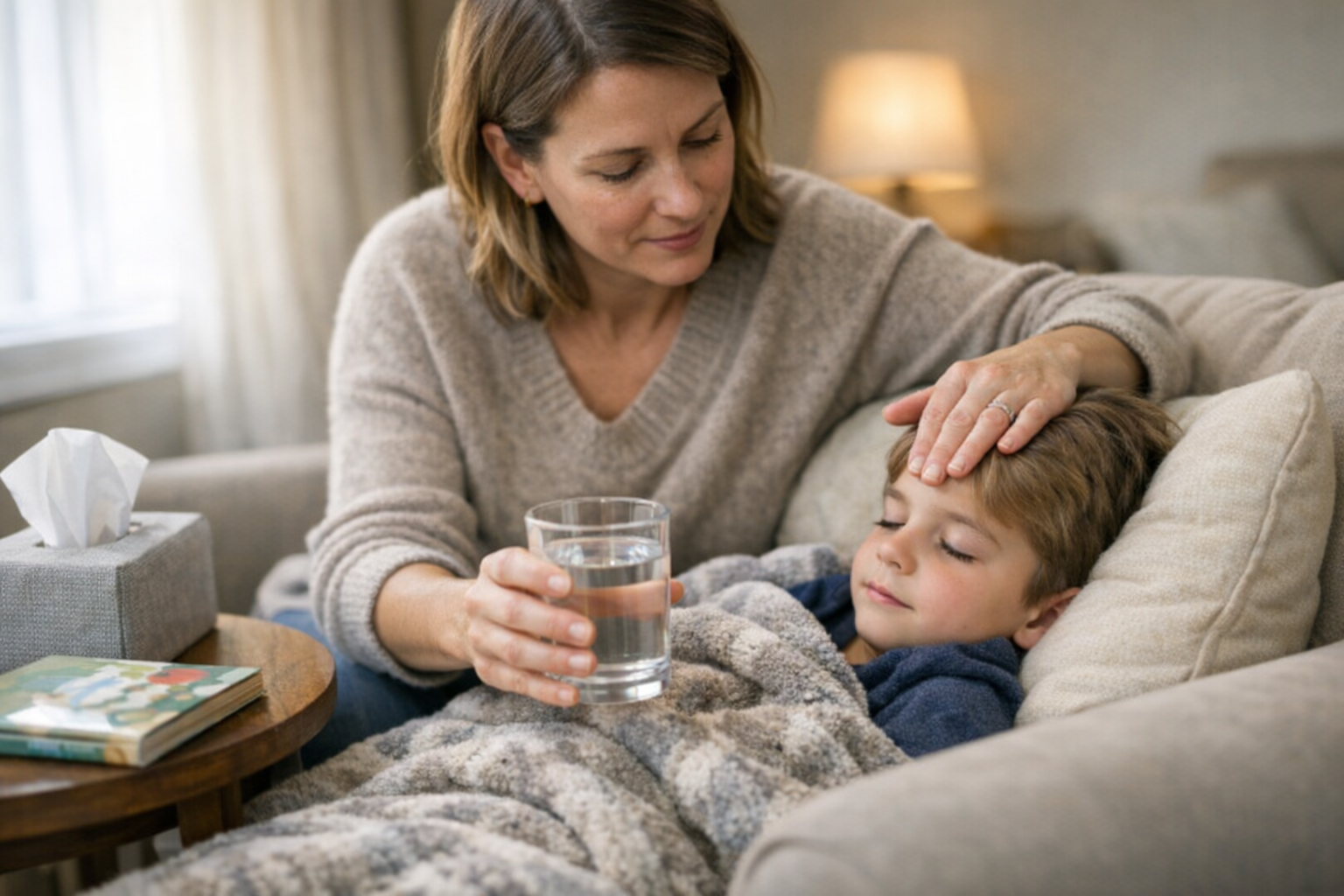
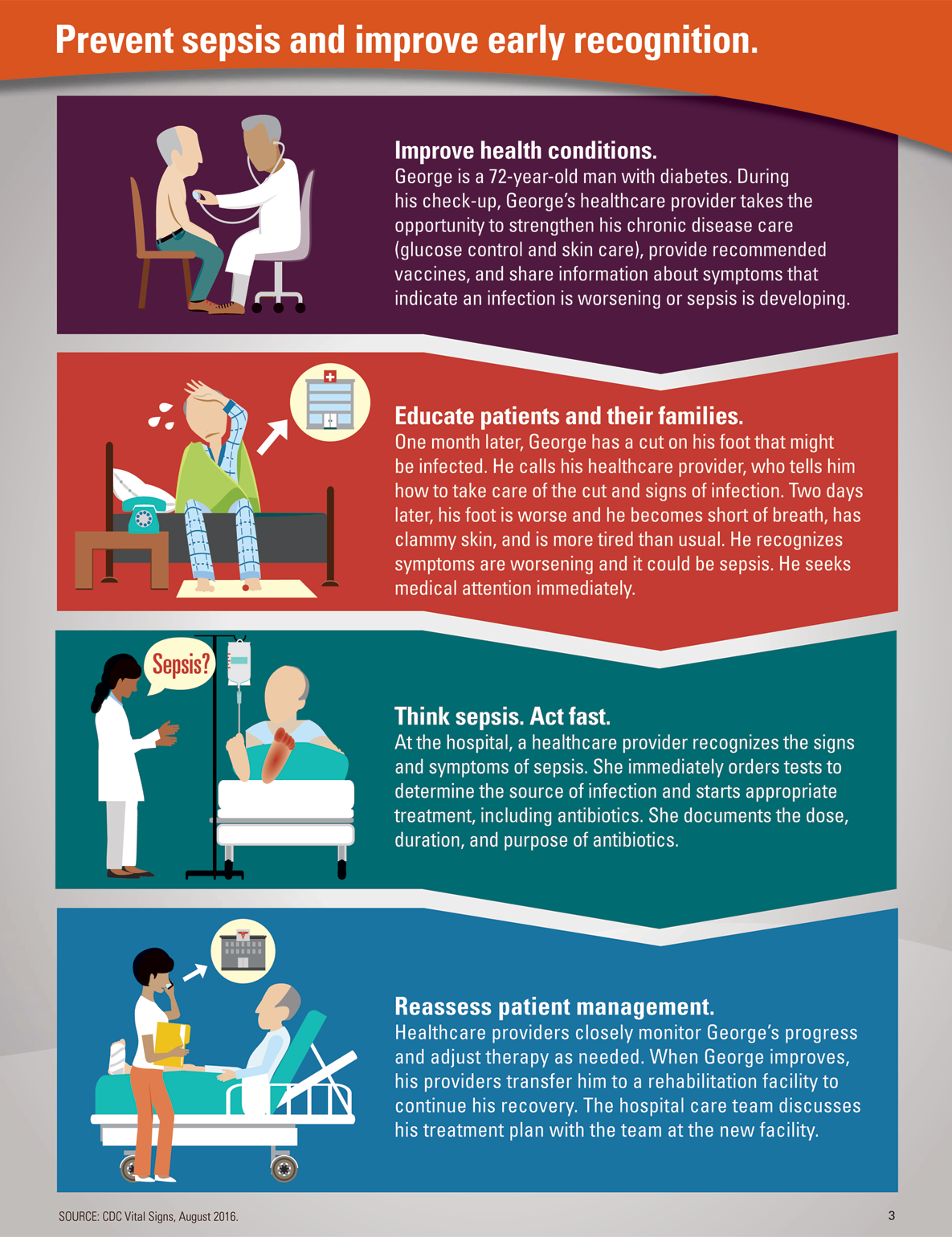

Just like humans:
-
Early symptoms matter
-
Care and attention improve recovery
-
Clean environments prevent illness
The difference?
👉 Humans can speak.
👉 Animals cannot.
So observation becomes everything.
💬 THE MESSAGE
When a monkey gets sick, the signs are quiet—
But the responsibility is not.
👉 Care means noticing small changes
👉 Protection means acting early
👉 Love means not waiting
❓ A QUESTION FOR YOU
If Punch suddenly became quiet…
Stopped eating…
And sat alone—
👉 Would you recognize it as illness… or just a “bad mood”?
❤️ FINAL THOUGHT
Animals don’t ask for help.
They show it.
Quietly.
Subtly.
And it’s up to us—
👉 To see it
👉 To understand it
👉 And to act in time