Despite Terrible Injuries, “Happy” the Dog Refuses to Give Up on Life
Despite Terrible Injuries, “Happy” the Dog Refuses to Give Up on Life
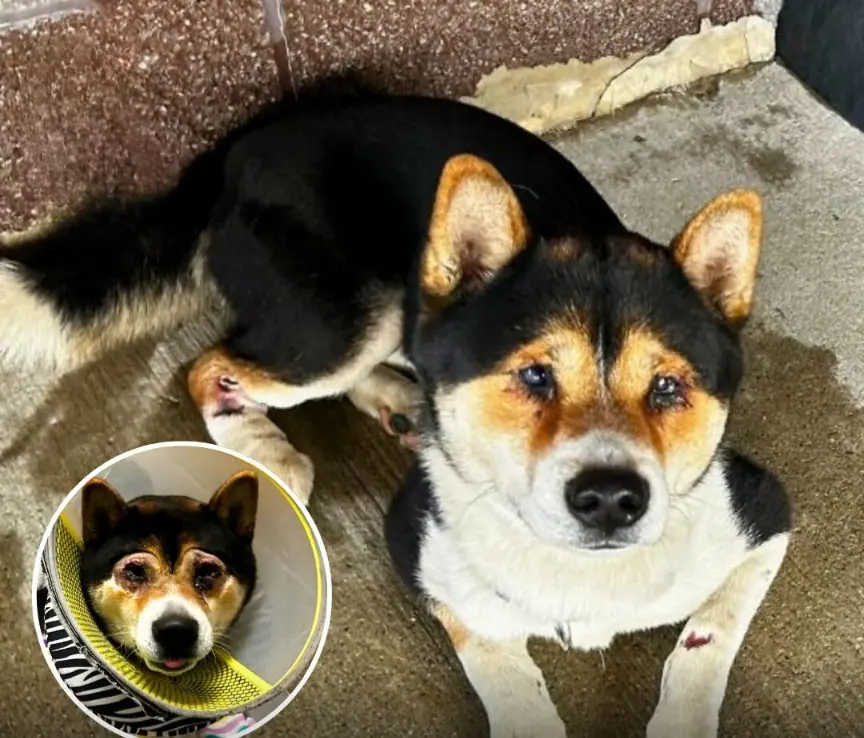
When rescuers first found him, the little dog could barely lift his head.
His body was injured.
One of his legs appeared badly damaged.
The skin around his eyes looked painfully raw.
And according to animal rescuers, he had likely been struck by a car and left suffering alone.
Yet somehow, despite everything he had endured, the dog still wagged his tail when people approached him.
That is why they named him Happy.
The heartbreaking rescue story is now touching animal lovers online after photos of the injured dog began circulating across social media. In the images, Happy looks exhausted and wounded, but there is still softness in his expression — a quiet determination that rescuers say never disappeared, even during his worst moments.
For the rescue team, that spirit became impossible to ignore.
“He still wanted love,” one volunteer reportedly shared. “Even after all the pain.”
Animal rescuers say situations like Happy’s are tragically common. Every day, stray animals suffer injuries from traffic accidents, abuse, neglect, starvation, or untreated illness. Many are abandoned after being hurt because medical care can become expensive or difficult.
Some never receive help in time.
But occasionally, someone stops.
And for animals like Happy, that decision changes everything.
According to rescuers, the injured dog was rushed for emergency veterinary treatment shortly after being found. Medical staff reportedly treated wounds around his eyes and body while assessing possible fractures and internal injuries caused by the accident.
Despite the pain, volunteers said Happy remained remarkably gentle throughout examinations and treatment.
That emotional resilience is something rescue workers often see in animals recovering from trauma.
Dogs who have every reason to fear humans still lean into gentle touch.
Still wag their tails.
Still search for affection.
And somehow, they continue hoping people will be kind to them.
That ability to trust again after suffering is what leaves many rescuers emotional.


 6
6
The name “Happy” quickly resonated with people online because it reflects something deeply moving about rescue animals: many continue choosing love despite unimaginable hardship.
Volunteers caring for Happy reportedly noticed small but emotional signs of recovery almost immediately after he reached safety. Even while exhausted, he reportedly responded positively to soft voices, accepted food gently, and appeared calmer once surrounded by people trying to help him.
For rescue organizations, moments like these are reminders of why their work matters.
Because behind every injured stray animal is a living creature still fighting to survive.
Animal welfare advocates say traffic injuries are among the leading causes of severe trauma in stray dogs. Without emergency medical care, many injured animals suffer silently for days. Rescue groups frequently rely on donations, fosters, volunteers, and veterinary partnerships to save animals requiring expensive surgeries or long-term rehabilitation.
That reality is why stories like Happy’s often generate emotional responses online.
People see not just suffering, but resilience.
A dog badly hurt by the world who still chooses trust.
And for many viewers, that feels profoundly human.
Social media users flooded rescue pages with supportive messages after seeing Happy’s photos. Many offered donations toward veterinary bills, while others shared emotional comments about his determination to survive.
“How can he still look so sweet after everything?” one commenter wrote.
Another added, “Dogs forgive more than humans ever could.”
Animal behavior experts explain that dogs are highly social creatures wired for emotional bonding and attachment. Even after trauma, many continue seeking connection because companionship is central to their emotional well-being.
That instinct often becomes especially visible during recovery.
Rescued animals frequently begin healing emotionally once they experience safety, gentle handling, routine meals, and affection. Fear slowly gives way to trust. Defensive behavior softens. Personalities emerge again.
For dogs like Happy, healing may take weeks or months depending on the severity of injuries.
But rescuers say emotional recovery often begins the moment an animal realizes it is finally safe.
Today, Happy continues receiving medical care and monitoring as supporters follow his progress online. Rescue updates reportedly show signs of gradual improvement, including increased appetite, calmer behavior, and moments of visible comfort while resting after treatment.
Though his future recovery journey may still be long, one thing has already become clear:
Happy is not giving up.
And neither are the people fighting for him.
For many animal lovers, stories like this highlight both the tragedy and beauty within rescue work. There is heartbreak in seeing innocent animals suffer. But there is also hope in watching strangers come together to save a life that others may have overlooked.
One injured dog.
One rescue call.
One second chance.
Sometimes that is all it takes to completely change a life.
The image of Happy — wounded yet still looking gently toward the people helping him — continues touching hearts because it represents something larger than one rescue story.
It represents survival.
Trust.
And the extraordinary emotional strength animals carry even after experiencing cruelty, pain, and fear.
Despite being hit by a car.
Despite his injuries.
Despite every reason to give up.
Happy still chose to keep loving the world.
And perhaps that is exactly what makes him live up to his name.