Why Punch the Monkey Treats a Plush Toy Like a Baby: The Psychology Behind a Viral Story
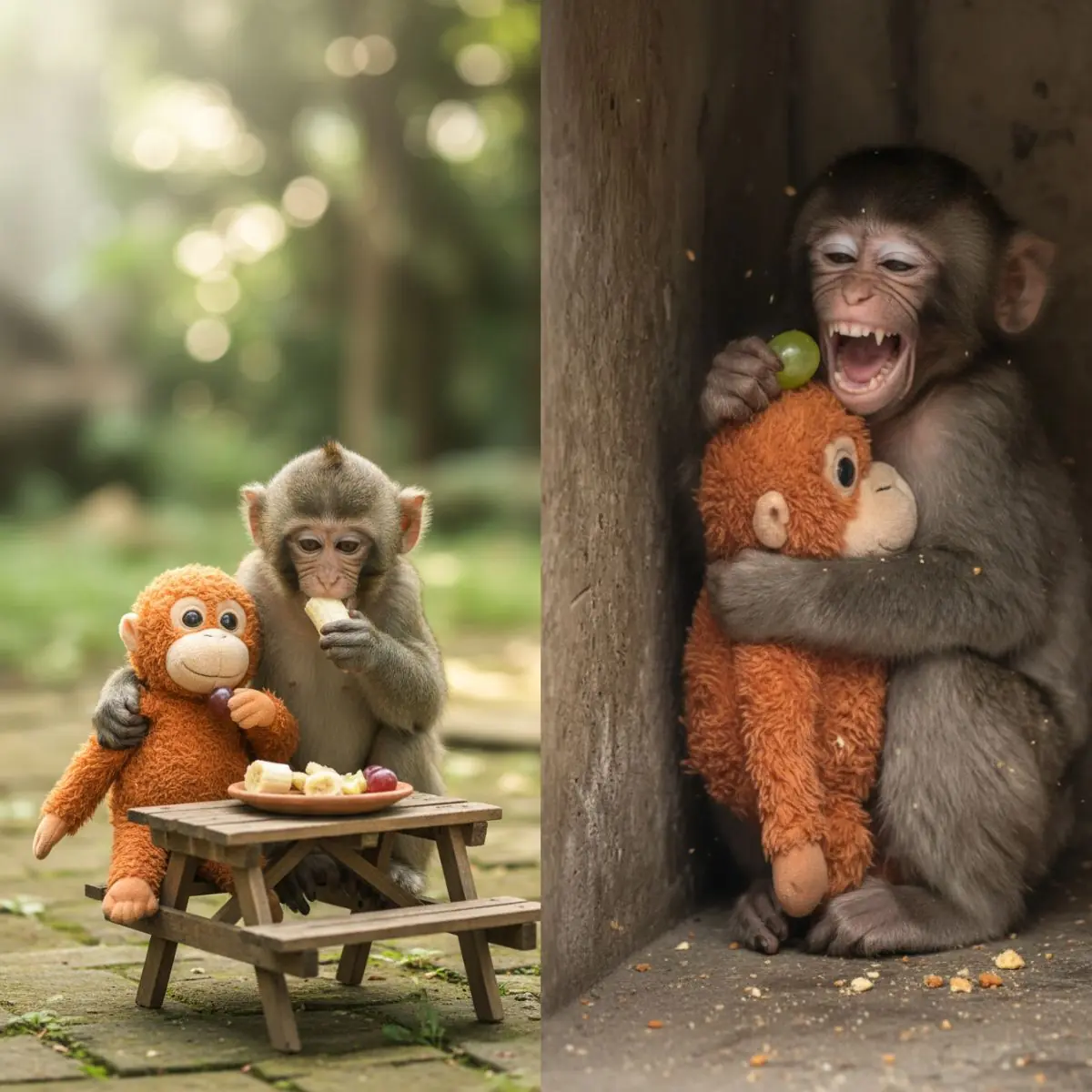
In the natural world, monkeys are defined by strong social bonds and maternal care.
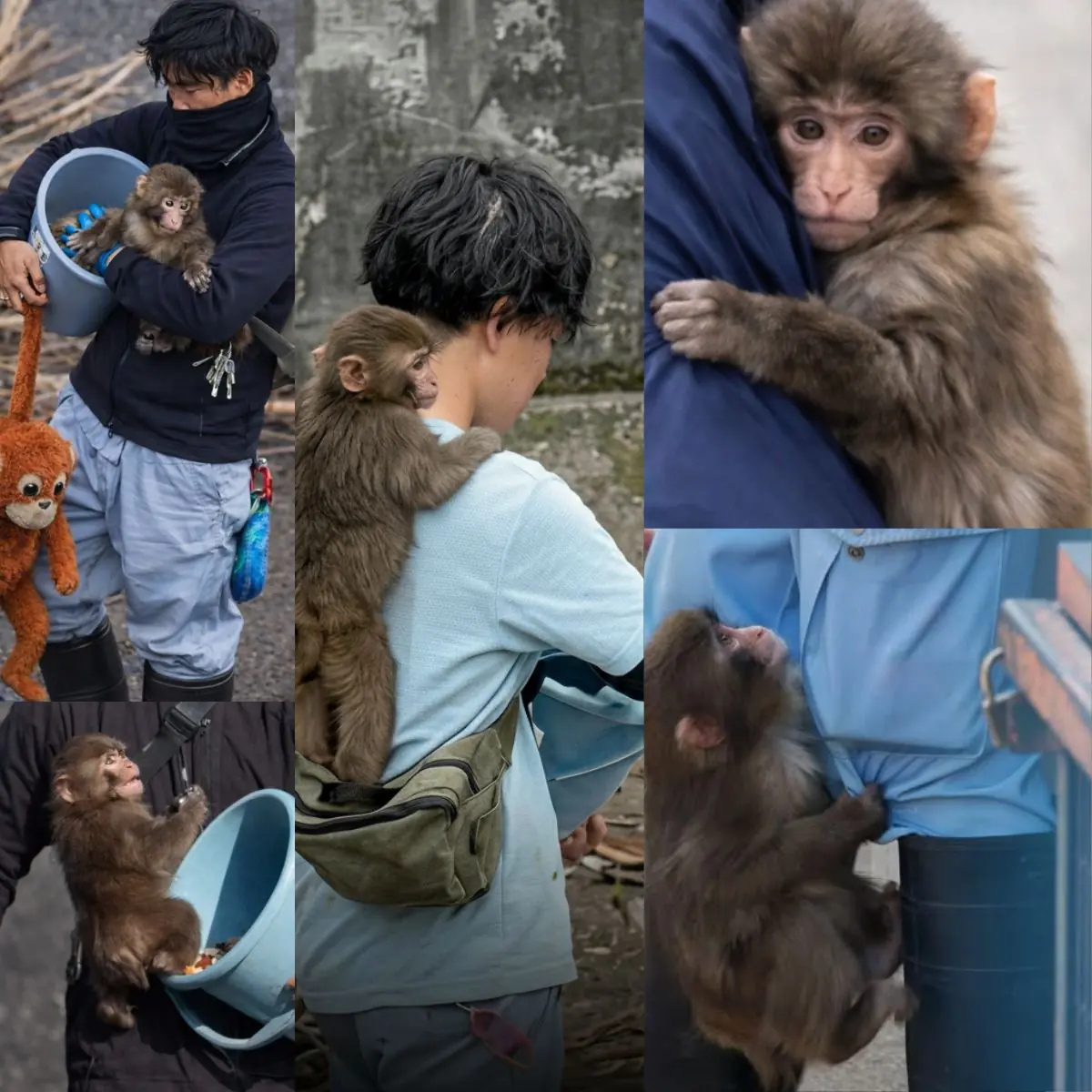
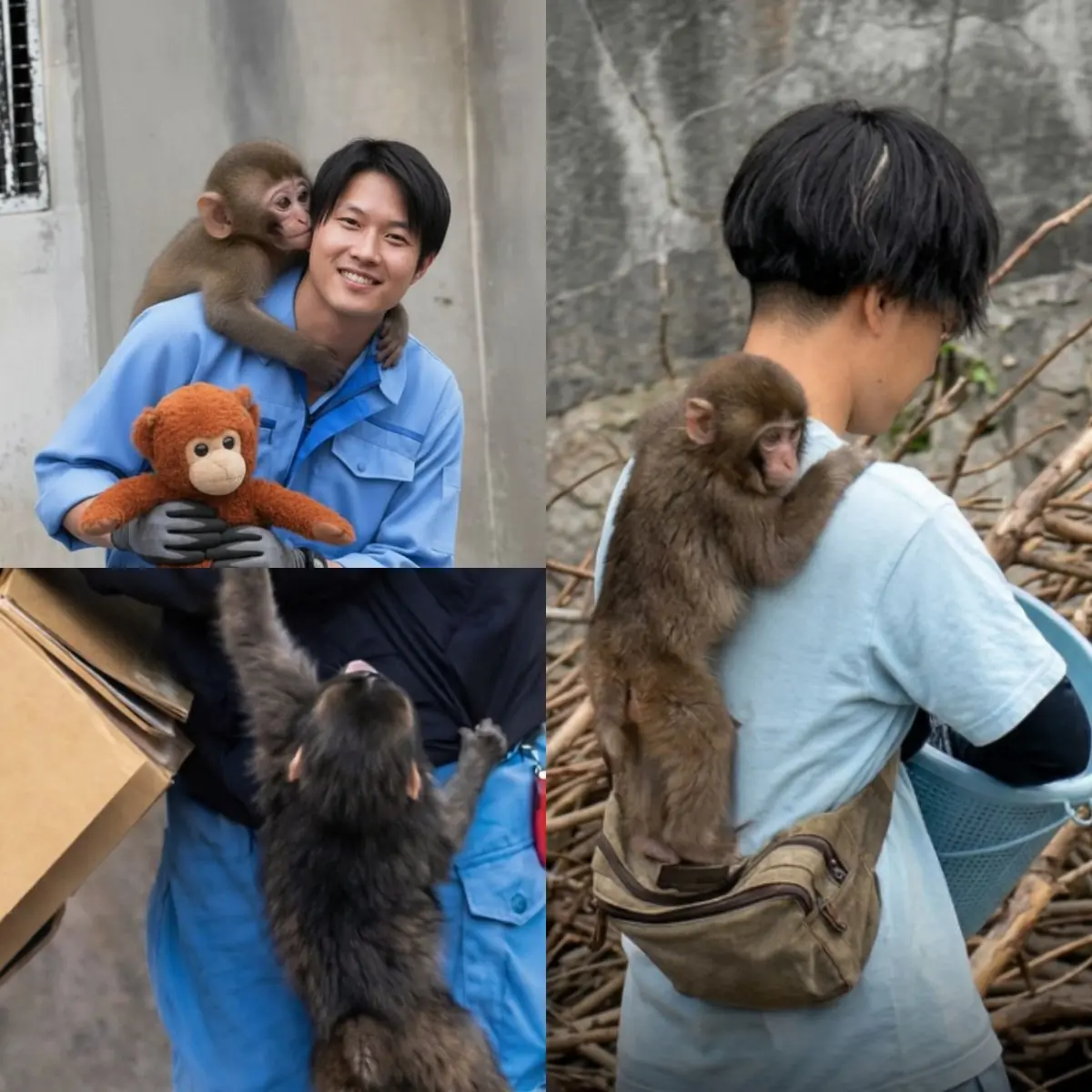
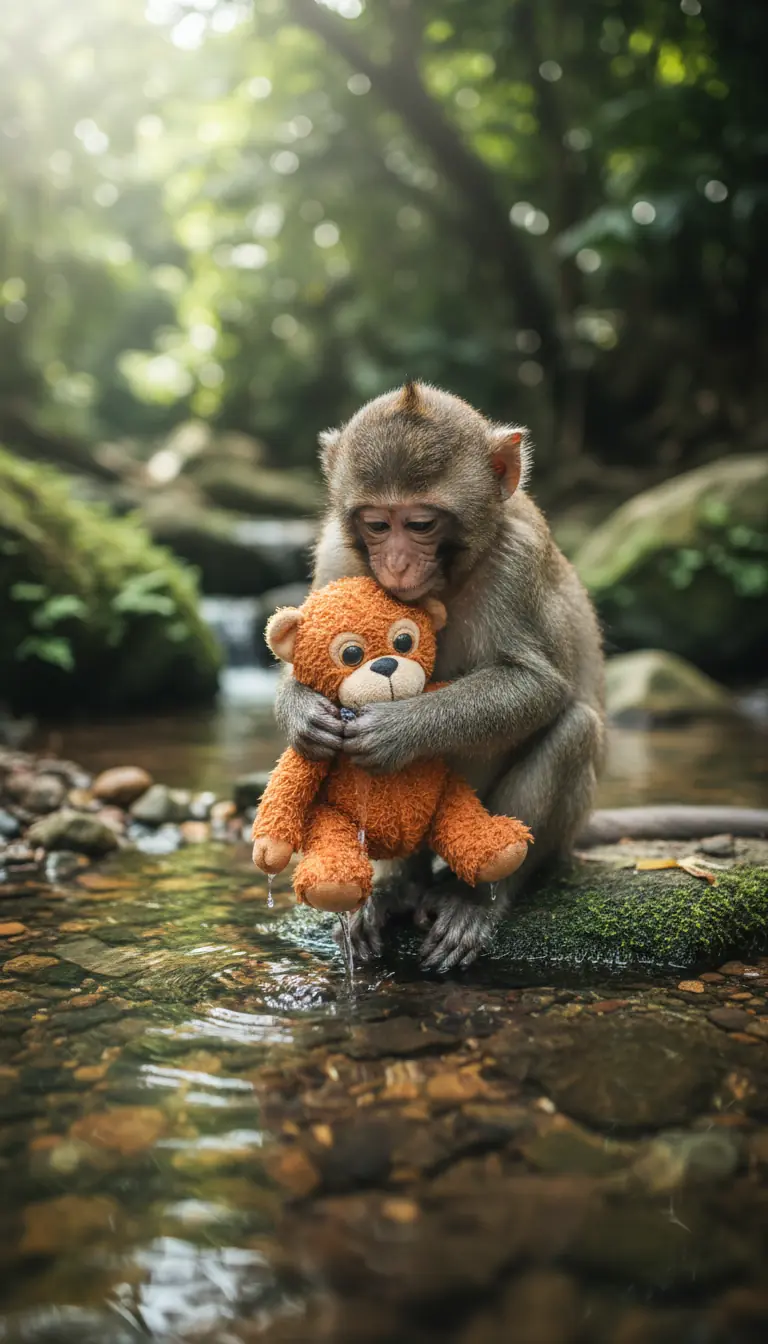
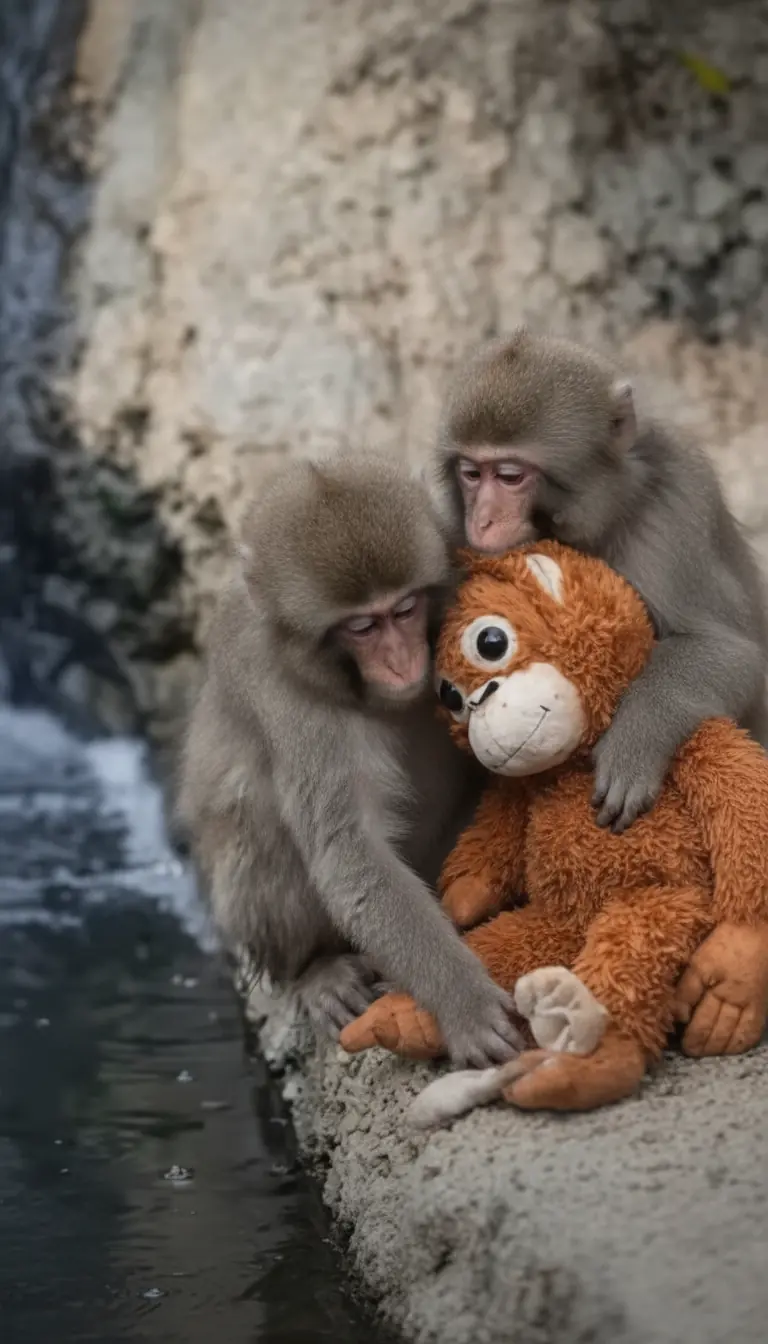
So when Punch, a young Japanese macaque, was seen feeding, hugging, and protecting a plush toy as if it were a living baby—
👉 Millions were moved.
At first glance, it seems confusing.
Why would an intelligent primate treat an inanimate object as if it were alive?
But this is not confusion.
👉 It is psychology.
👉 It is survival.
👉 It is healing.
🧠 1. ABANDONMENT AND THE NEED FOR A “SURROGATE”


For a young monkey, the mother is everything.
She provides:
-
Warmth
-
Protection
-
Emotional regulation
-
Social learning
When Punch was abandoned, he lost more than care—
👉 He lost his emotional foundation.
🧪 The famous experiment
Psychologist Harry Harlow demonstrated that infant monkeys preferred a soft cloth “mother” over a wire one, even when the wire version provided food.
What this means for Punch
The plush toy offers:
-
Softness
-
Familiar comfort
-
A sense of presence
👉 It becomes a surrogate attachment figure
Not because Punch is mistaken—
👉 But because he needs something to hold onto.
❤️ 2. WHEN THE VICTIM BECOMES THE CAREGIVER


One of the most striking behaviors is this:
Punch doesn’t just cling to the toy.
👉 He cares for it.
He feeds it.
He holds it.
He protects it.
Why?
This is known as displaced nurturing behavior.
🔍 Explanation
Monkeys are highly social animals.
They are biologically wired to:
-
Care for others
-
Form bonds
-
Express attachment
When Punch did not receive enough care—
👉 That instinct did not disappear
👉 It redirected
So instead of receiving love—
👉 He gives it
A psychological compensation
By caring for the toy:
-
Punch creates connection
-
Reduces loneliness
-
Rebuilds emotional balance
🧬 3. DOES PUNCH THINK THE TOY IS ALIVE?


This is a common question.
Does Punch actually believe the toy is real?
The answer is more complex than yes or no.
🧠 Sensory triggers
The plush toy has:
-
Eyes
-
Limbs
-
A soft body
These features activate:
👉 Social recognition systems in the brain
👃 Familiar scent
Over time:
-
The toy absorbs Punch’s scent
-
It becomes part of his environment
👉 It feels familiar
👉 It feels safe
So even if Punch senses it is not alive—
👉 Emotionally, it still functions as a companion
🧸 4. PLUSH TOYS AS THERAPY FOR TRAUMATIZED ANIMALS


In animal rescue centers worldwide, including Japan—
Providing plush toys is a recognized method.
Benefits include:
🧘 Stress reduction
Holding soft objects lowers cortisol (stress hormone)
🛑 Preventing harmful behaviors
Orphaned monkeys may:
-
Bite themselves
-
Rock repetitively
-
Show signs of depression
The toy helps redirect that energy.
🌱 Emotional stabilization
It gives the animal:
👉 Something constant
👉 Something safe
🌍 5. WHAT PUNCH TEACHES US ABOUT LIFE


Punch’s story goes beyond biology.
It reflects something deeply human.
💔 The need for connection
Every living being needs:
-
Attachment
-
Safety
-
Emotional presence
If it is missing—
👉 The mind will find a way to recreate it
🤍 The power of giving
Punch does not wait for love.
He creates it.
Even if the object cannot respond—
👉 The act itself brings peace
💬 FINAL ANSWER
Does Punch know the toy is not alive?
Maybe.
But that is not the point.
From a behavioral perspective—
👉 The toy has already fulfilled its role
It has become:
-
A mother
-
A companion
-
A safe space
❤️ FINAL THOUGHT
Punch’s actions remind us of something profound:
👉 Love is not always about receiving
Sometimes—
👉 It is about creating warmth in the absence of it
And in Punch’s world—
That small plush toy is not just an object.
👉 It is where his broken story began to heal.