98% DNA Match: How Close Are Monkeys to Humans—Really?

When people look at monkeys—especially species like chimpanzees or orangutans—they often feel something familiar.
It’s not just appearance.
It’s something deeper.
The way they look.
The way they move.
The way they react.
Sometimes, it feels almost human.
But how similar are they really?
Science has been exploring this question for decades—and the answers are both fascinating and unsettling.
🧬 1. BIOLOGY: WE ARE ALMOST GENETICALLY IDENTICAL


The most striking similarity begins at the genetic level.
Species like chimpanzee share approximately 98–99% of their DNA with humans.
What does this mean?
It means that:
-
Many biological functions are nearly identical
-
Brain structure shows strong similarities
-
Emotional processing systems overlap
Physical similarities
Monkeys and apes also share:
-
Opposable thumbs for precise gripping
-
Forward-facing eyes for depth perception
-
Unique fingerprints (just like humans)
👉 In many ways, their bodies are built on the same blueprint as ours.
🧠 2. INTELLIGENCE: PROBLEM SOLVERS, NOT JUST INSTINCTIVE ANIMALS


One of the biggest misconceptions is that monkeys act purely on instinct.
In reality, many primates demonstrate advanced intelligence.
Tool use and creation
Monkeys and apes can:
-
Use sticks to extract insects
-
Crack nuts using stones
-
Shape objects into tools
Some even modify tools for specific purposes.
Problem-solving ability
Studies show they can:
-
Solve puzzles
-
Remember symbols
-
Perform basic calculations
In some short-term memory tests—
👉 They outperform humans.
Self-awareness
Certain species can recognize themselves in mirrors.
This ability indicates:
👉 A level of self-awareness once thought to be uniquely human
❤️ 3. EMOTIONS: DO MONKEYS FEEL LIKE WE DO?


Perhaps the most powerful similarity lies in emotions.
Emotional expression
Monkeys can:
-
Show joy through play
-
Display sadness after loss
-
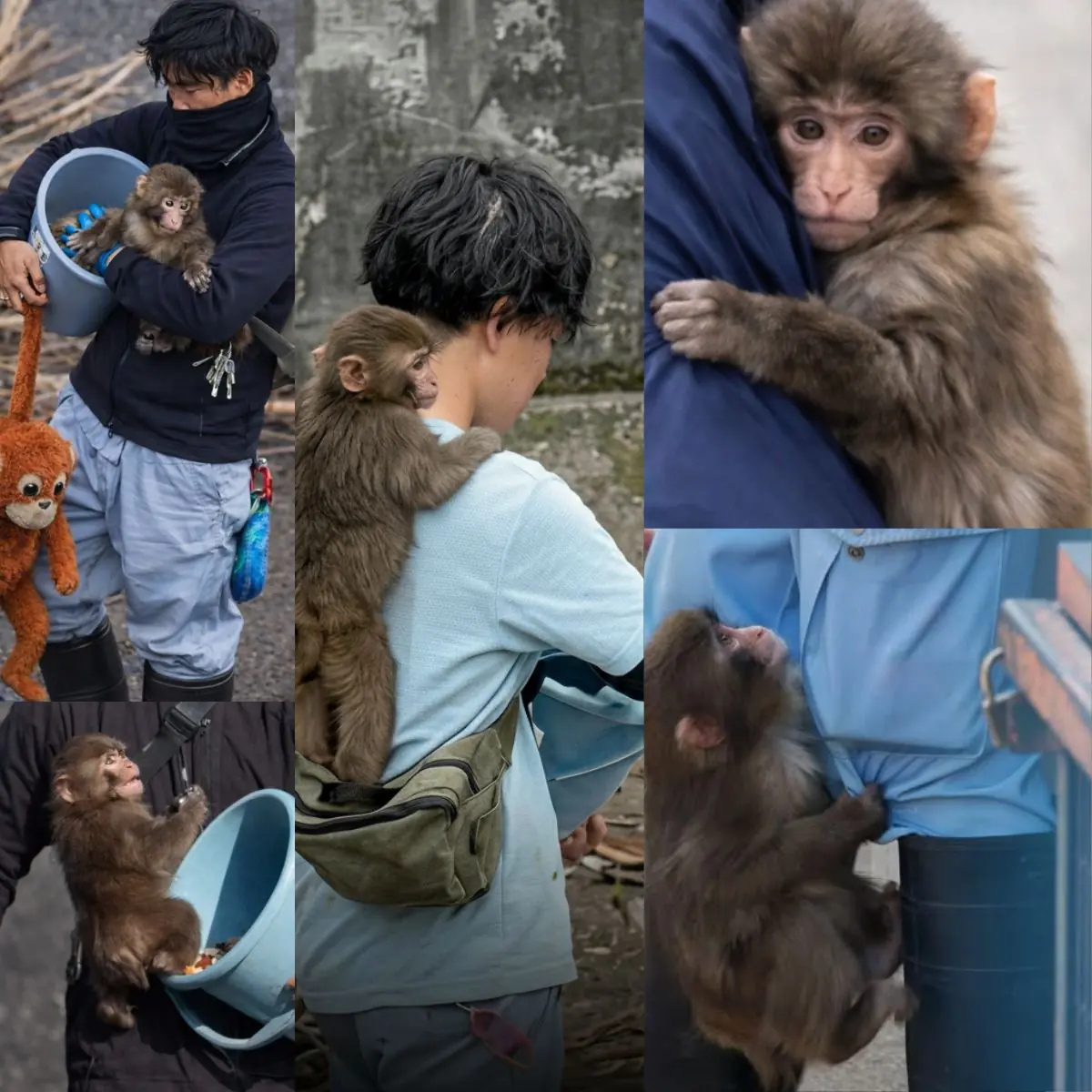
Seek comfort through physical contact
They hug.
They reconcile.
They form bonds.
Social complexity
Their societies include:
-
Hierarchies
-
Friendships
-
Long-term relationships
Some bonds last for years—even a lifetime.
Sense of fairness
Experiments reveal that monkeys react strongly to inequality.
If one receives a better reward for the same task—
👉 The other may refuse to cooperate
This suggests:
👉 A basic sense of justice
🗣️ 4. COMMUNICATION: NOT WORDS, BUT MEANING


Monkeys cannot speak human language.
But they communicate in complex ways.
Natural communication
They use:
-
Vocal sounds
-
Facial expressions
-
Body gestures
Learned communication
In controlled environments, species like chimpanzees and orangutans have learned:
👉 Sign language
They can express:
-
Needs
-
Emotions
-
Simple ideas
🌍 5. WHAT THIS MEANS FOR US


The similarities between humans and monkeys are not coincidental.
They reflect:
👉 A shared evolutionary history
This raises important questions:
-
Where do we draw the line between human and animal?
-
What responsibilities do we have toward species so similar to us?
💬 FINAL MESSAGE
Monkeys are not just animals that resemble us.
They are:
-
Intelligent
-
Emotional
-
Social beings
In many ways—
👉 They are a mirror
Not identical to humans—
But close enough to remind us:
👉 We are not as different as we think
❓ A QUESTION FOR YOU
If monkeys can think, feel, and connect like we do—
Should we treat them differently?
Or have we misunderstood them all along?
❤️ FINAL THOUGHT
The more we learn about monkeys—
The clearer it becomes:
👉 The line between “human” and “animal” is thinner than we imagined
And perhaps—
Understanding them better is also a way of understanding ourselves.