Punch the Monkey Goes Viral — But What About the Thousands of Monkeys Facing Culling in Japan?
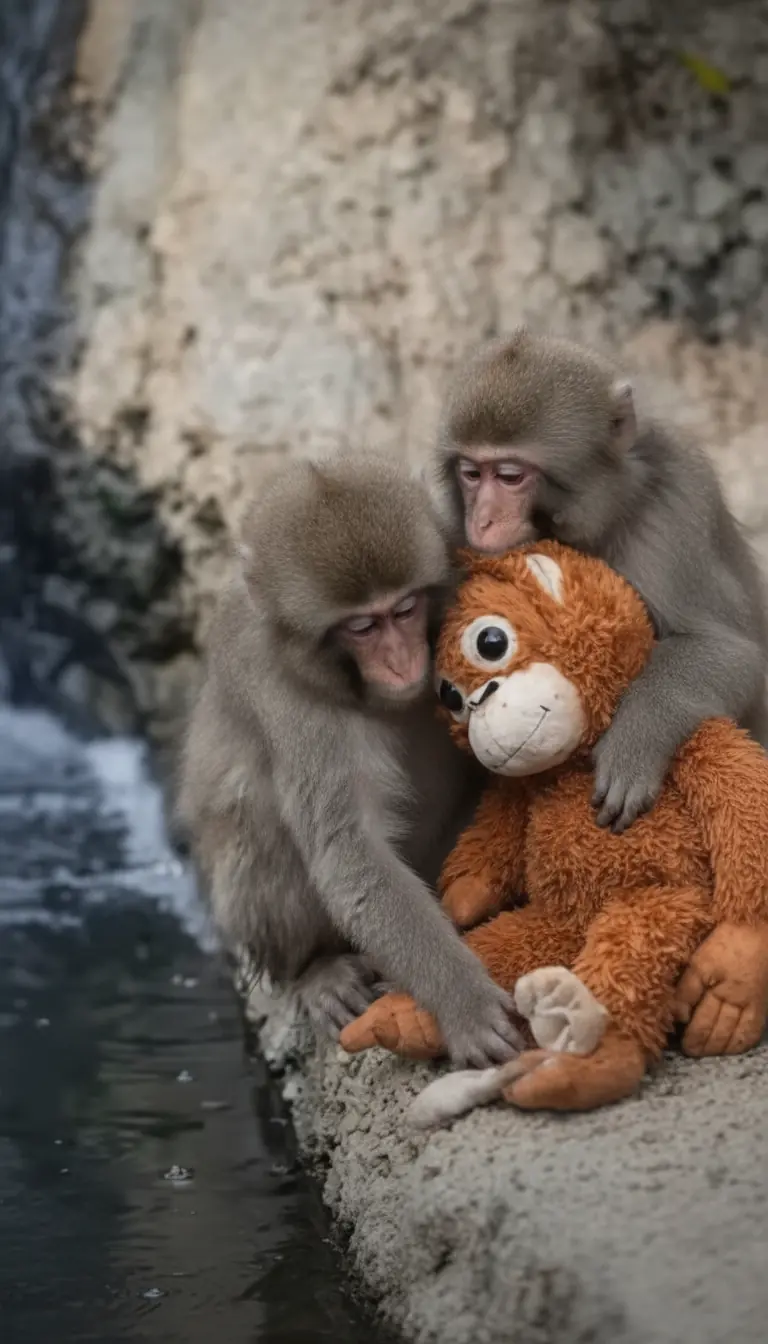
In recent months, one small monkey has captured the hearts of millions.
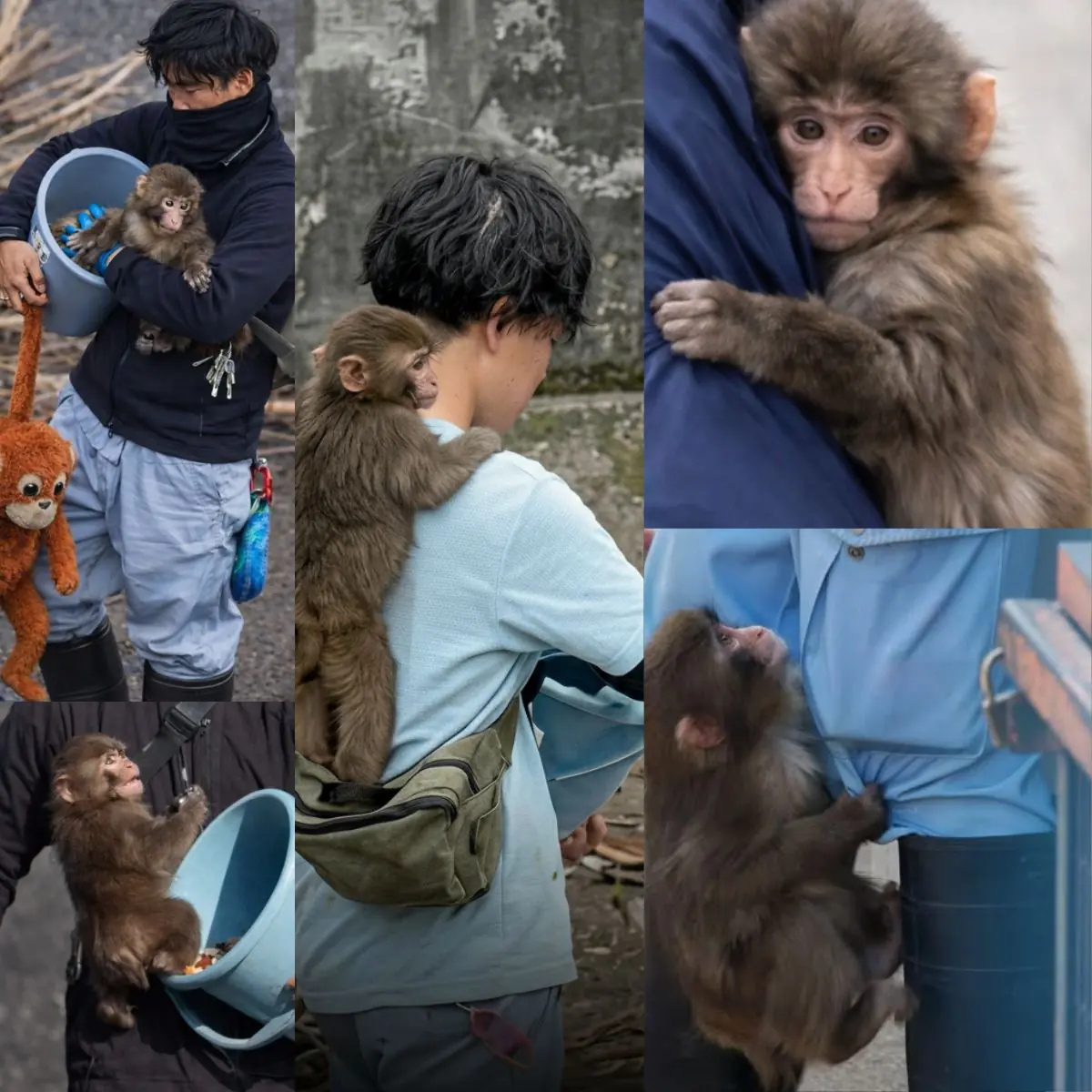
Punch, a young Japanese macaque, became an internet sensation after being seen clinging to a stuffed toy—an image that many interpreted as a symbol of loneliness, resilience, and emotional depth.
His story spread rapidly across social media.
People saw:
-
Innocence
-
Vulnerability
-
A story of survival
But beyond this viral moment lies a much more complex—and uncomfortable—reality.
🌄 1. WHO IS PUNCH? A SYMBOL OF EMOTIONAL CONNECTION


Punch is a Japanese macaque, a species native to Japan and widely known for its ability to survive in cold climates.
These monkeys are recognizable by:
-
Thick gray-brown fur
-
Distinct red faces
-
Strong social structures
In winter, many of them are seen bathing in natural hot springs—an iconic image of Japan’s wildlife.
Punch’s story stands out because of one detail:
👉 He was abandoned by his mother
His bond with a stuffed toy quickly became:
-
A viral symbol
-
A narrative of emotional survival
⚖️ 2. THE OTHER SIDE: MONKEYS AS “PESTS”


While Punch is loved—
Thousands of monkeys in Japan face a very different fate.
In rural areas, Japanese macaques are often considered:
👉 Agricultural pests
They:
-
Enter farms
-
Destroy crops
-
Cause economic losses
According to Japan’s Ministry of Agriculture:
👉 Monkeys caused approximately 770 million yen in damages in 2024
(around 4.8 million USD)
As a result:
👉 Authorities approve large-scale capture and culling
Each year, thousands of monkeys are killed.
⚠️ 3. A CONTROVERSIAL REALITY


This situation has sparked ongoing debate.
Farmers’ perspective
Farmers are not acting out of cruelty.
They are protecting:
-
Their crops
-
Their income
-
Their survival
Scientists’ concern
Experts argue that mass culling:
-
Lacks long-term effectiveness
-
Disrupts ecological balance
Professor Shigeyuki Izumiyama points out:
👉 Removing one group often creates space for another to replace it
In other words:
👉 The problem repeats itself
🌱 4. ALTERNATIVE SOLUTIONS


Many experts suggest more sustainable approaches:
Non-lethal methods
-
Electric fencing around farms
-
Trained dogs to deter monkeys
-
Habitat management
These methods aim to:
👉 Reduce conflict without killing
The root cause
At the center of the issue lies one key factor:
👉 Habitat loss
As forests shrink, monkeys are forced into:
-
Human settlements
-
Agricultural areas
The conflict is not accidental.
👉 It is a consequence of environmental change
🧠 5. A HUMAN PERSPECTIVE: LOVE VS REALITY


Punch’s story raises an important question:
👉 Why do we love one monkey… and ignore thousands of others?
The answer lies in perception.
We connect with:
-
Stories
-
Faces
-
Individual narratives
But we often overlook:
-
Systems
-
Ecosystems
-
Economic realities
Punch represents:
👉 Emotion
The others represent:
👉 Conflict
💬 FINAL MESSAGE
Punch is not just a viral monkey.
He is:
👉 A symbol of a deeper contradiction
A world where:
-
One life is celebrated
-
While many others are controlled or removed
Understanding this does not require choosing sides.
It requires recognizing:
👉 Both realities exist at the same time
❓ A QUESTION FOR YOU
If Punch lived in the wild—
Would he still be loved?
Or would he become part of the same conflict?
❤️ FINAL THOUGHT
Punch’s story touches the heart.
But it also challenges us:
👉 To look beyond what we feel
👉 And understand what is real
Because sometimes—
The most viral stories are only a small part of a much bigger truth.