Are Monkeys Clean Animals? The Surprising Truth About Their Hygiene Habits
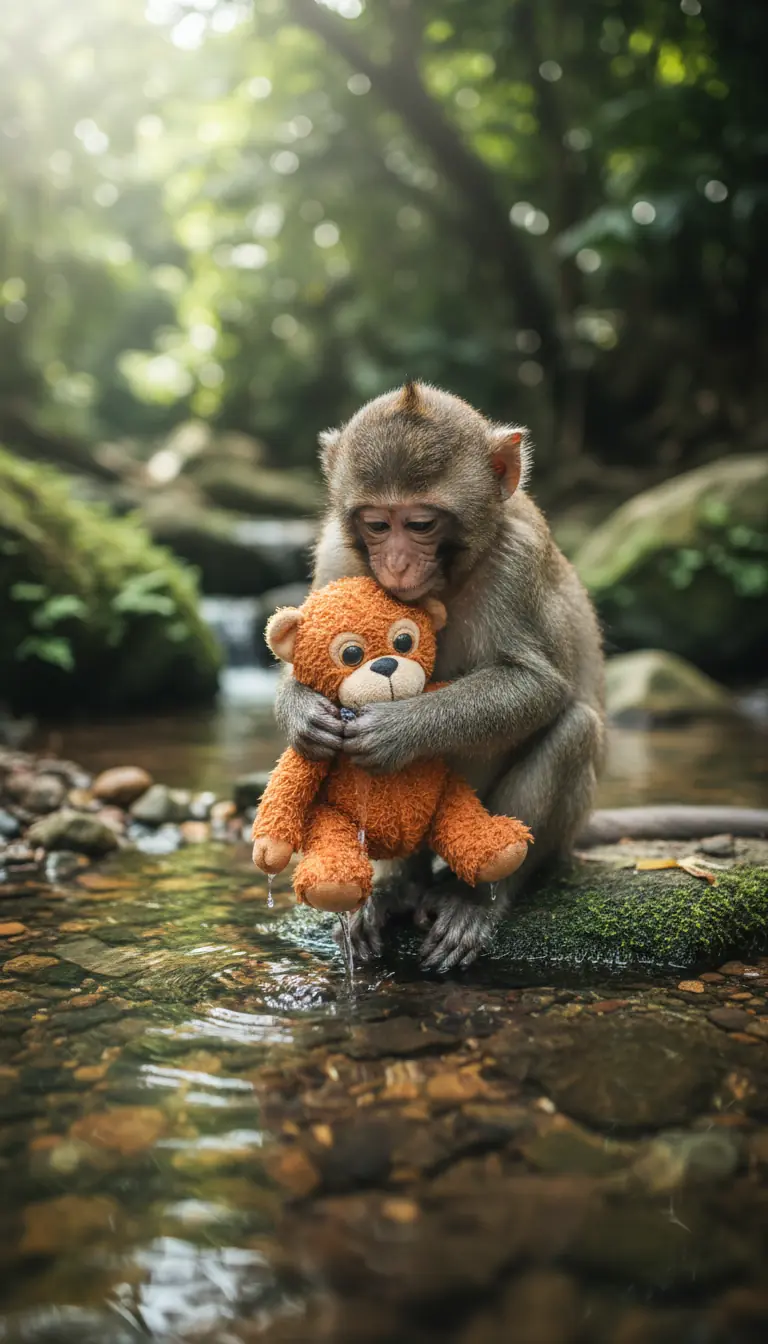
The short answer is yes.
Monkeys are among the most hygiene-conscious animals in the natural world.
However, their definition of “clean” differs from that of humans. Their hygiene is not about appearance or cultural norms—it is about survival, health, and social structure.
This article explores how monkeys maintain cleanliness, why it matters, and what their behavior reveals about their intelligence.
1. GROOMING BEHAVIOR – A MOBILE “SPA SYSTEM”


One of the most recognizable behaviors in monkeys is grooming.
At first glance, it may look like affection.
In reality, it is a structured hygiene process.
What happens during grooming?
Monkeys use their hands and teeth to:
-
Remove parasites such as lice and ticks
-
Clean dirt, dead skin, and debris
-
Inspect each other’s fur in detail
The result
This behavior helps:
-
Prevent infections
-
Maintain healthy skin
-
Reduce disease transmission
Grooming is not optional.
It is essential.
2. WHY DO MONKEYS NEED TO STAY CLEAN?


There are three primary reasons why monkeys maintain hygiene:
Survival and health
In the wild, even minor infections can become fatal.
Parasites can:
-
Weaken the body
-
Spread disease
-
Reduce mobility
Cleanliness directly increases survival chances.
Social communication
Grooming plays a major role in social structure.
It helps:
-
Reduce stress
-
Build trust
-
Strengthen alliances
Monkeys that groom others frequently are often:
-
More accepted
-
Higher in social ranking
Temperature regulation
Clean fur allows better airflow.
This helps monkeys:
-
Stay cool in hot climates
-
Maintain body balance
3. EXTRAORDINARY HYGIENE BEHAVIORS IN SOME SPECIES


Some monkey species demonstrate surprisingly advanced hygiene behaviors.
Japanese macaque
These monkeys are famous for:
-
Bathing in hot springs
-
Washing food in water before eating
This behavior shows:
-
Learning ability
-
Cultural transmission within groups
Capuchin monkey
Capuchins have been observed:
-
Rubbing leaves or insects onto their fur
-
Using natural chemicals as insect repellent
This is often referred to as:
👉 “self-medication behavior”
4. WHERE MONKEY HYGIENE DIFFERS FROM HUMANS


Despite their strong grooming habits, monkeys do not follow human standards of cleanliness.
No fixed toileting behavior
Monkeys:
-
Do not use designated areas
-
Defecate wherever they are
Why is this not a problem in nature?
Because they:
-
Move constantly
-
Do not remain in one place for long
Waste does not accumulate in a single area, reducing environmental contamination.
FINAL CONCLUSION
Monkeys are clean—not in a human sense, but in a biological and ecological sense.
Their hygiene behaviors are driven by:
-
Survival
-
Health
-
Social bonding
A clean monkey is not just a healthy animal.
It is also:
👉 A socially connected and emotionally stable one
FINAL QUESTION
Have you ever wondered why monkeys sometimes eat what they remove during grooming?
Is it purely instinct—
Or could it serve a deeper biological purpose?