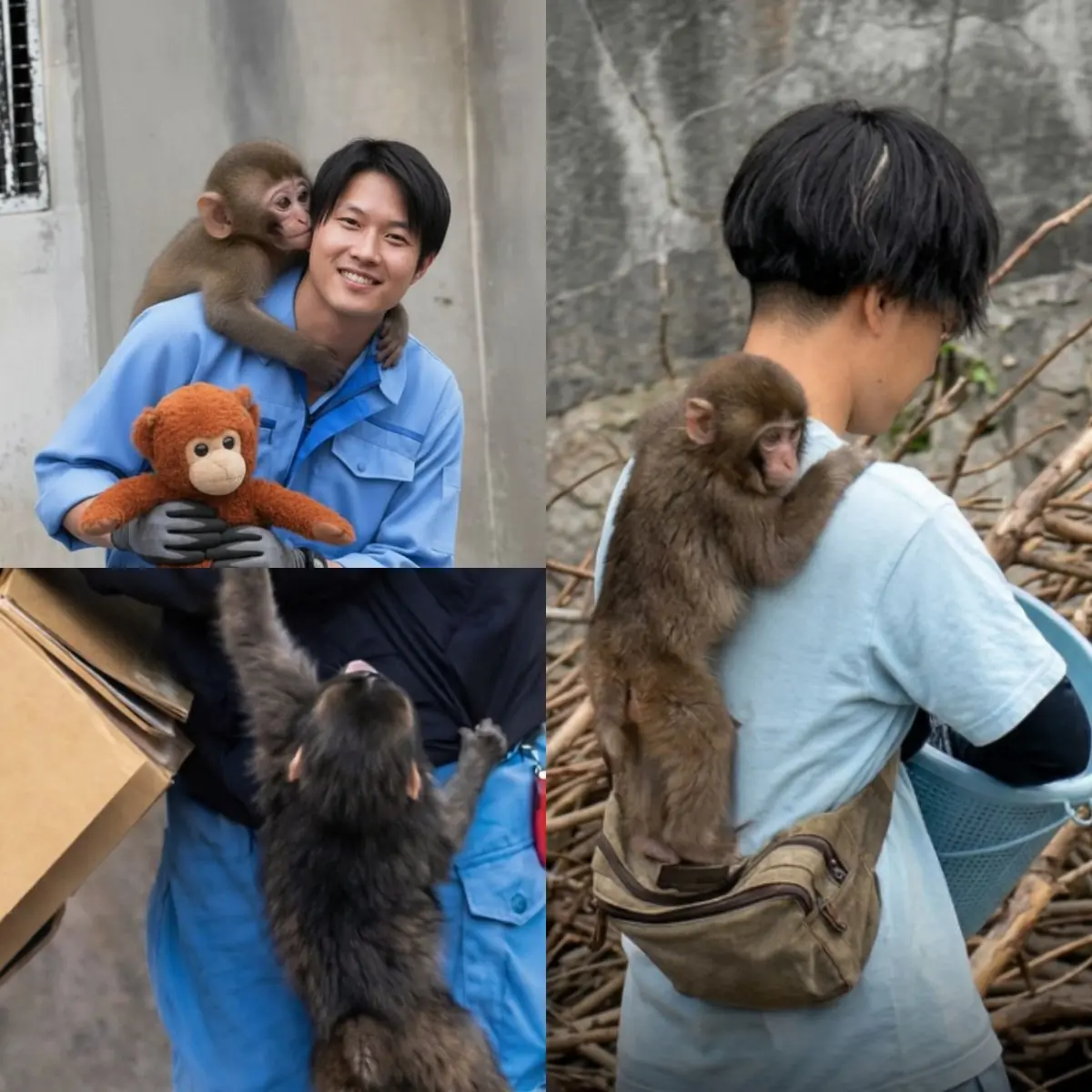
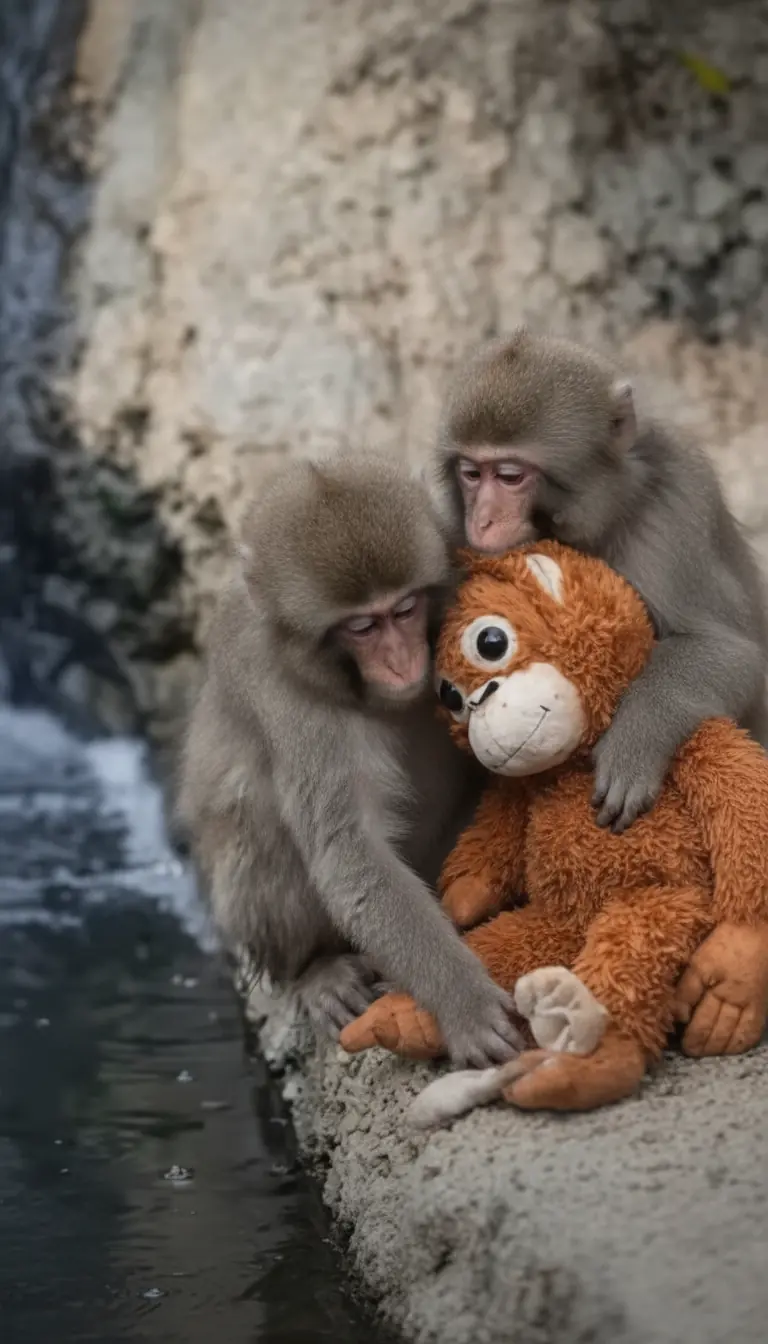
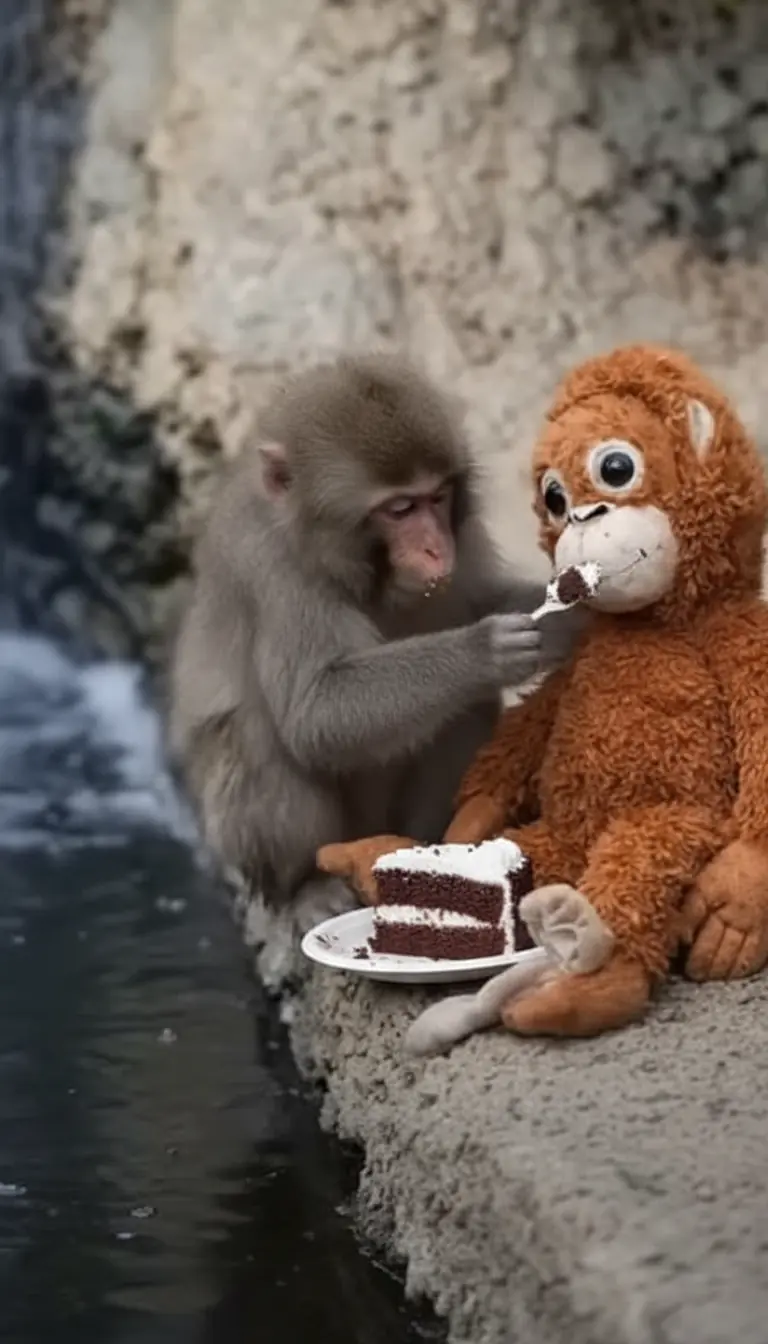
How Similar Are Monkeys to Humans? The Truth Behind Our Closest Relatives
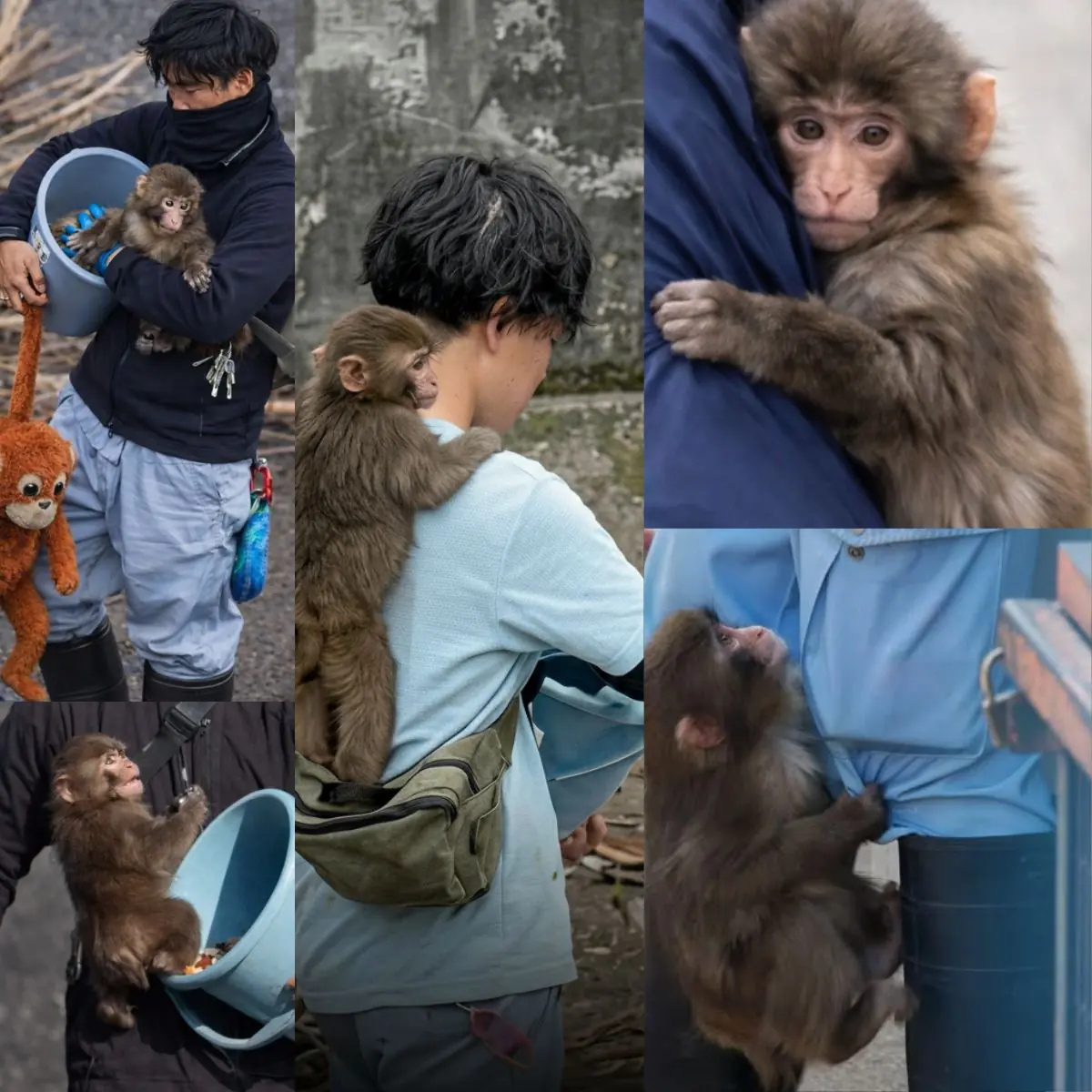
Monkeys and great apes—such as chimpanzee, bonobo, orangutan, and gorilla—share an incredibly close relationship with humans.
This connection is not just visual.
It extends into:
-
Genetics
-
Intelligence
-
Emotion
-
Social behavior
Yet despite these similarities, there are fundamental differences that define what it means to be human.
This article explores both sides of that relationship.
1. THE SIMILARITIES: A STRIKING BIOLOGICAL AND EMOTIONAL CONNECTION


Genetic closeness
Humans and chimpanzees share approximately 98.8% of their DNA.
This makes them our closest biological relatives.
Hand structure and physical ability
Primates possess:
-
Opposable thumbs
-
Fingernails instead of claws
-
Unique fingerprints
This allows them to:
-
Grasp objects precisely
-
Manipulate tools
-
Perform complex hand movements
Emotions and expressions
Monkeys and apes can:
-
Show happiness through play
-
Display grief after loss
-
Express affection through touch
They hug, groom, and comfort each other—behaviors that strongly resemble human emotional interaction.
Social intelligence
Their societies are highly structured.
They demonstrate:
-
Hierarchies
-
Alliances
-
Cooperation
-
Even deception
Some species also show:
-
Empathy
-
Fairness
-
Food sharing
Tool use
Primates are capable of:
-
Cracking nuts with stones
-
Using sticks to extract insects
-
Using leaves as tools (cups, sponges, shelter)
These behaviors indicate problem-solving ability and learning.
2. THE DIFFERENCES: WHAT MAKES HUMANS UNIQUE


Despite the similarities, key differences separate humans from other primates.
Brain size and abstract thinking
Humans have:
-
Larger brains (around 1.3 kg)
-
Highly developed cerebral cortex
This enables:
-
Abstract thinking
-
Long-term planning
-
Imagination
In contrast, primates rely more on:
-
Immediate experience
-
Practical problem-solving
Language
Humans possess:
-
Complex grammar
-
Written language
-
Ability to discuss abstract concepts (past, future, ideas)
Primates communicate through:
-
Sounds
-
Gestures
-
Facial expressions
But they lack structured language systems.
Movement
Humans are fully bipedal:
-
Walking upright
-
Hands free for tool use
Most primates:
-
Walk on all fours
-
Use knuckle-walking
-
Stand upright only briefly
Culture and technology
Humans have created:
-
Civilizations
-
Science and technology
-
Systems for storing knowledge
Primates:
-
Use simple tools
-
Do not record knowledge in structured systems
Physical structure
Humans:
-
Have less body hair
-
Sweat efficiently for endurance
Primates:
-
Have dense fur
-
Adapted for forest environments
3. QUICK COMPARISON TABLE
Feature Humans Monkeys & Apes DNA similarity — Up to 98.8% (chimpanzees) Brain Large, abstract thinking Smaller, experience-based thinking Language Complex, symbolic Gestures and sounds only Movement Fully upright (bipedal) Mostly quadrupedal Culture Advanced civilization Basic social systems Body Less hair, sweat cooling Dense fur, forest adaptation4. WHY THESE DIFFERENCES MATTER


Creativity and imagination
Humans can imagine:
-
The future
-
Fictional ideas
-
Long-term goals
Primates focus primarily on:
-
The present moment
-
Immediate needs
Large-scale cooperation
Monkeys typically cooperate in:
-
Small groups (dozens of individuals)
Humans can cooperate in:
-
Millions of people
-
Shared systems (law, economy, culture)
This ability has shaped:
👉 Civilization itself
FINAL CONCLUSION
Monkeys and humans are deeply connected.
They share:
-
Biology
-
Emotions
-
Intelligence
But what sets humans apart is not just intelligence—
It is:
👉 Language
👉 Abstract thinking
👉 Large-scale cooperation
Monkeys are not simply animals.
They are:
👉 A reflection of our evolutionary past
FINAL QUESTION
If monkeys can feel, think, and connect in ways so similar to us—
Where should we draw the line between humans and other animals?
FINAL THOUGHT
The closer we look at monkeys—
The more we begin to understand:
👉 We are not as separate from nature as we once believed
And perhaps—
Understanding them is also a way of understanding ourselves.