Utah Takes a Historic Step Toward a No-Kill Shelter Future
Utah Takes a Historic Step Toward a No-Kill Shelter Future


 6
6
For decades, animal lovers across the United States have dreamed of a future where healthy and treatable pets are no longer euthanized simply because shelters run out of space, funding, or resources. That dream moved one step closer to reality after Utah Governor Spencer Cox signed a groundbreaking law designed to help create a no-kill shelter future.
The announcement quickly gained attention online, especially among animal rescue organizations, veterinarians, shelter volunteers, and dog lovers who have spent years advocating for stronger protections for homeless pets. While many states have made efforts to improve shelter systems, Utah’s latest initiative is being praised as one of the most compassionate and forward-thinking approaches in recent years.
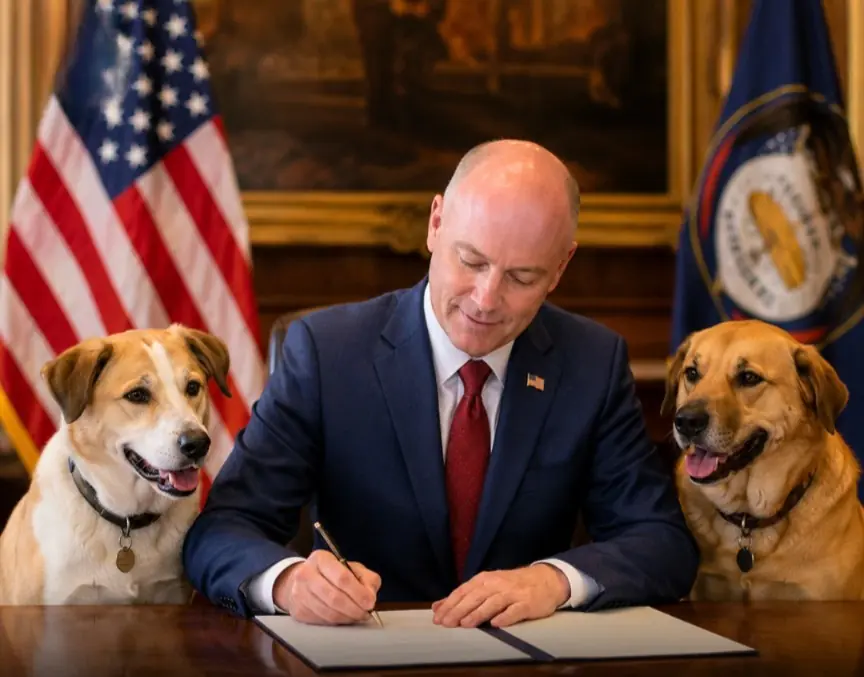
The image of Governor Cox sitting beside two dogs while signing the legislation perfectly symbolizes what this moment represents: a future where animals are treated not as disposable burdens, but as lives worth saving.
What Does “No-Kill Shelter” Actually Mean?
A “no-kill shelter” does not mean that no animal is ever euthanized under any circumstance. Instead, it generally refers to shelters that save at least 90% of the animals that enter their facilities. Animals suffering from severe illness, dangerous aggression, or untreatable pain may still be humanely euthanized when necessary.
The primary goal of the no-kill movement is to eliminate euthanasia caused by overcrowding, lack of funding, or limited shelter capacity.
For years, shelters across America struggled with impossible situations. Many facilities received more animals than they could realistically care for. Limited budgets, staff shortages, and insufficient adoption rates often forced heartbreaking decisions.
Supporters of the no-kill movement believe those outcomes are preventable through:
- Increased adoption programs
- Better spay and neuter access
- Foster care systems
- Community partnerships
- Veterinary support
- Public education
- Rescue organization collaboration
Utah’s new law appears to focus heavily on strengthening those systems rather than relying on outdated shelter models.
Why This Law Matters So Much


 5
5
Animal welfare advocates say legislation like this can create lasting change because it moves responsibility beyond individual shelters. Instead of expecting overcrowded facilities to solve the problem alone, the law encourages broader cooperation between government agencies, rescue groups, and communities.
This matters because the shelter crisis is often larger than people realize.
Every year, millions of cats and dogs enter shelters across the United States. Although adoption rates have improved over the years, many shelters still face overcrowding. Economic hardship, housing restrictions, rising veterinary costs, and irresponsible breeding continue contributing to animal abandonment.
In some regions, shelters operate far beyond capacity. Staff members and volunteers frequently experience emotional burnout after witnessing animals wait months — or even years — for homes.
Supporters hope Utah’s law could become a model for other states.
If successful, it may demonstrate that reducing euthanasia rates is not only ethically possible, but financially and logistically achievable as well.
The Emotional Reality Inside Shelters
Most people only see the happy ending: the adoption photo, the smiling dog leaving with a new family, the celebratory social media post.
What many never witness is the emotional toll behind the scenes.
Shelter workers often develop deep emotional bonds with animals in their care. They comfort frightened dogs abandoned by previous owners. They nurse injured animals back to health. They spend hours socializing pets that arrived traumatized or neglected.
In overcrowded shelters, workers sometimes face devastating choices they never wanted to make.
That is why many rescue advocates describe the no-kill movement as not only saving animals, but also protecting the mental health of shelter employees and volunteers.
A stronger shelter system creates hope — not only for pets, but for the humans dedicating their lives to helping them.
Public Support for Animal Welfare Is Growing
In recent years, public attitudes toward animal welfare have changed dramatically.
People increasingly view pets as family members rather than property. Social media has also played a huge role in raising awareness about shelter overcrowding and rescue efforts.
Videos showing abandoned dogs being rescued often go viral within hours. Adoption stories inspire millions of viewers worldwide. Communities now rally together online to help shelters pay for surgeries, emergency care, or transportation for homeless animals.
This cultural shift has created stronger pressure for lawmakers to support humane policies.
Governor Spencer Cox’s decision reflects a growing political recognition that animal welfare matters deeply to voters and communities alike.
How Communities Can Help Create a No-Kill Future

 7
7
Even with strong legislation, achieving a true no-kill future requires community participation.
Experts say ordinary people can make an enormous difference in several ways:
1. Adopt Instead of Shop
Choosing adoption helps reduce overcrowding and gives homeless animals a second chance at life.
2. Foster Animals
Temporary foster homes can save lives by freeing up shelter space and helping stressed animals recover emotionally.
3. Spay and Neuter Pets
Preventing unwanted litters is one of the most effective long-term solutions for reducing shelter intake numbers.
4. Volunteer Time
Many shelters desperately need volunteers for walking dogs, socializing cats, cleaning facilities, and organizing events.
5. Donate Supplies or Funds
Food, blankets, medical supplies, and financial support help shelters provide better care for animals.
Every small contribution matters more than people realize.
The Dogs Behind the Headlines
One of the most powerful aspects of this story is the symbolism of the dogs seated beside Governor Cox during the signing ceremony.
They are reminders that shelter statistics are not just numbers.
Every rescued dog has a story.
Some were abandoned after families moved away. Some survived abuse or neglect. Others were surrendered because owners could no longer afford medical care or housing that allowed pets.
Yet many of these animals remain incredibly loving despite what they endured.
Shelter workers often say rescued dogs seem to understand when they’ve been given a second chance.
That emotional connection is exactly why so many people feel passionate about the no-kill movement.
Challenges Still Remain
While the law is being widely celebrated, experts also caution that real progress will require long-term commitment.
Creating sustainable no-kill systems involves:
- Increased shelter funding
- Expanded veterinary access
- Better rural rescue support
- Affordable pet care programs
- Public education campaigns
- Stronger adoption outreach
Without continued investment, shelters may still struggle under growing demand.
However, many advocates see Utah’s decision as an important foundation rather than a final solution.
A Future Built on Compassion


 6
6
The phrase “no-kill shelter future” represents more than policy. It represents a cultural shift toward compassion, responsibility, and respect for life.
Laws alone cannot solve every challenge facing animal shelters. But they can create systems that make lifesaving efforts more achievable.
For countless rescue advocates, Governor Spencer Cox’s signing of this legislation symbolizes hope — hope that future generations may live in a world where healthy, loving pets are no longer euthanized simply because nobody had room for them.
And perhaps most importantly, it reminds society that kindness toward animals reflects something deeper about humanity itself.
The future envisioned by this movement is not just about saving dogs and cats.
It is about building communities where empathy matters, where vulnerable lives are protected, and where compassion becomes stronger than convenience.