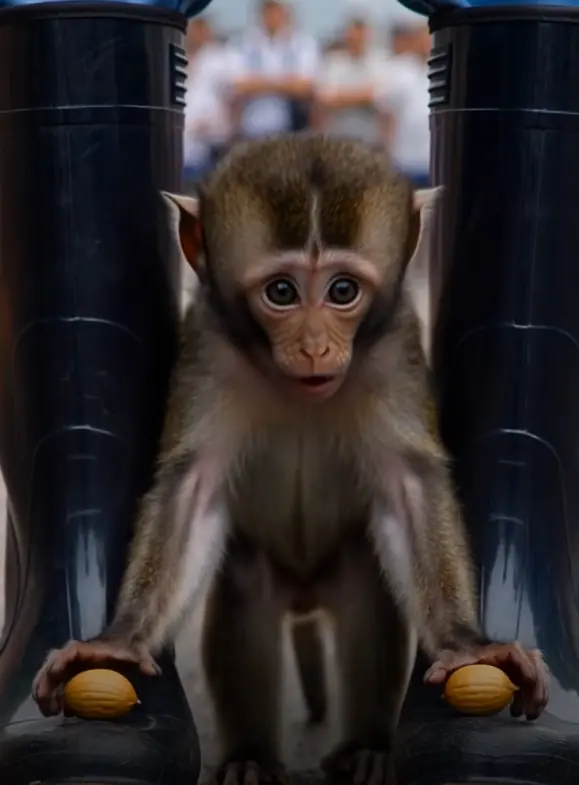
Punch the Monkey’s Silent Cry: Why Does the Ichikawa Zoo ‘Baby’ Cling to Caretakers’ Legs?
1. Who Is Punch? A Family Tragedy and His “Special Mothers”


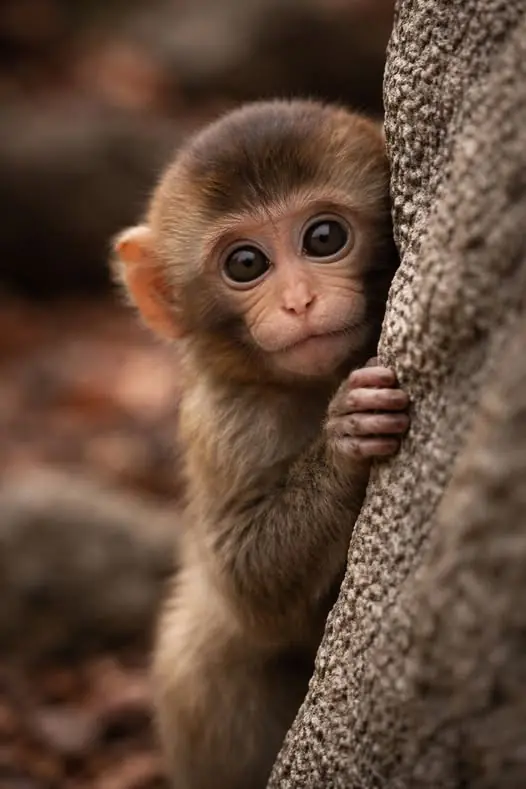
Punch is a baby monkey of the Japanese macaque species, born in 2025 at Ichikawa Zoo, Japan. Unlike typical orphan stories, Punch’s biological mother is still alive and living within the troop at the zoo. However, immediately after birth, Punch faced a devastating life shock: he was rejected by his own mother.
Experts suggest that the cause may be the mother’s inexperience with her first birth or excessive stress during labor, which disrupted her maternal instincts.
Who are the caretakers? They are conservation staff at Ichikawa Zoo. When the mother refused to nurse and care for her infant, staff had to intervene urgently. They became Punch’s protectors, raising him with formula milk and closely monitoring his health.
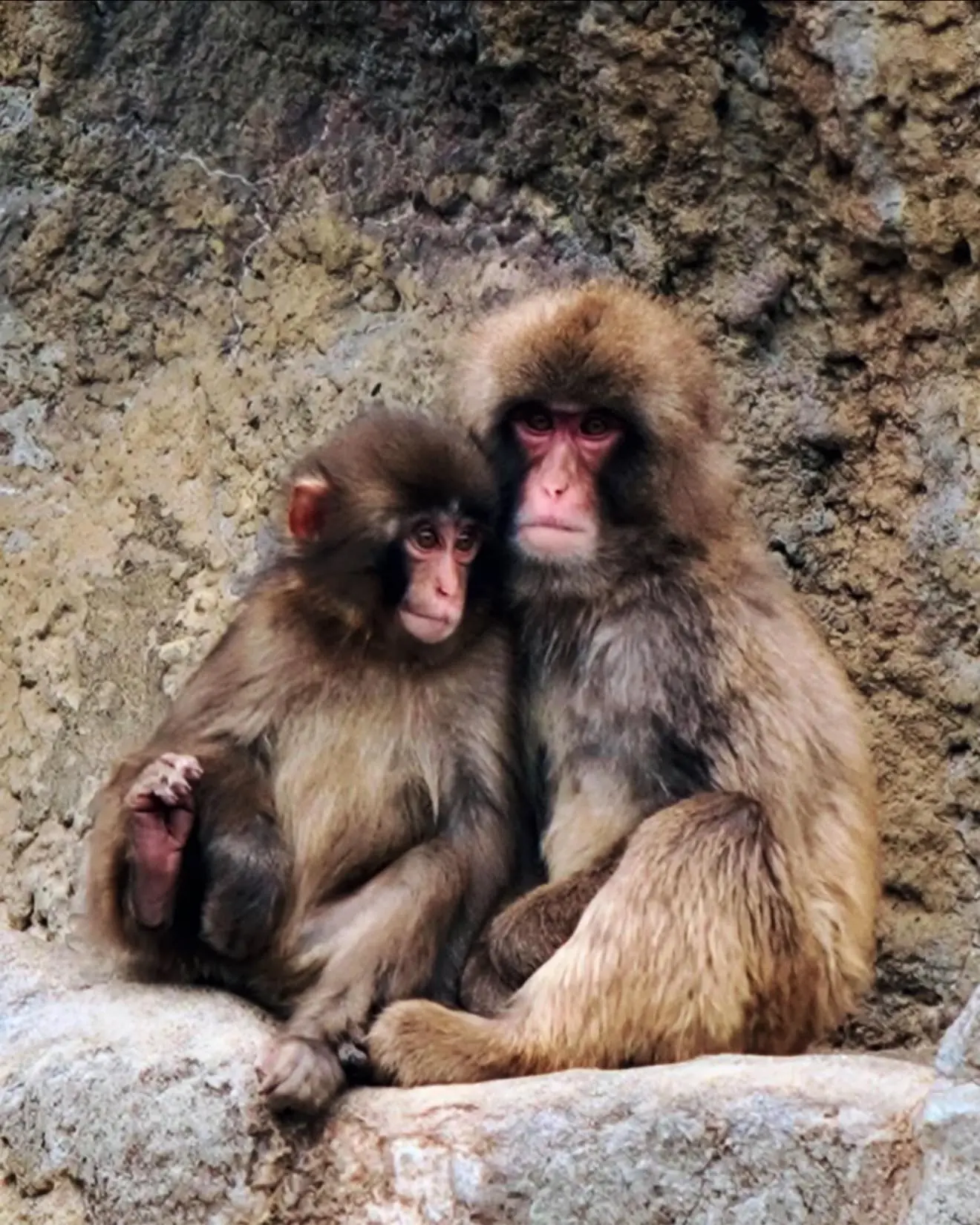
A special bond: Without his biological mother, Punch formed a “substitute attachment” to humans. In addition, he was fortunate to receive care from Go, an older female monkey in the troop. Although Go could not provide milk, she acted as a foster mother—regularly grooming and comforting Punch, creating a network of care from both humans and his own kind.
🐾 2. Why Does Punch Cling to Caretakers’ Legs?


Punch’s habit of tightly clinging to the caretakers’ ankles as they walk has become his “signature” on social media. However, behind this adorable behavior lie deep psychological and instinctive reasons:
Survival Instinct: Clinging Behavior
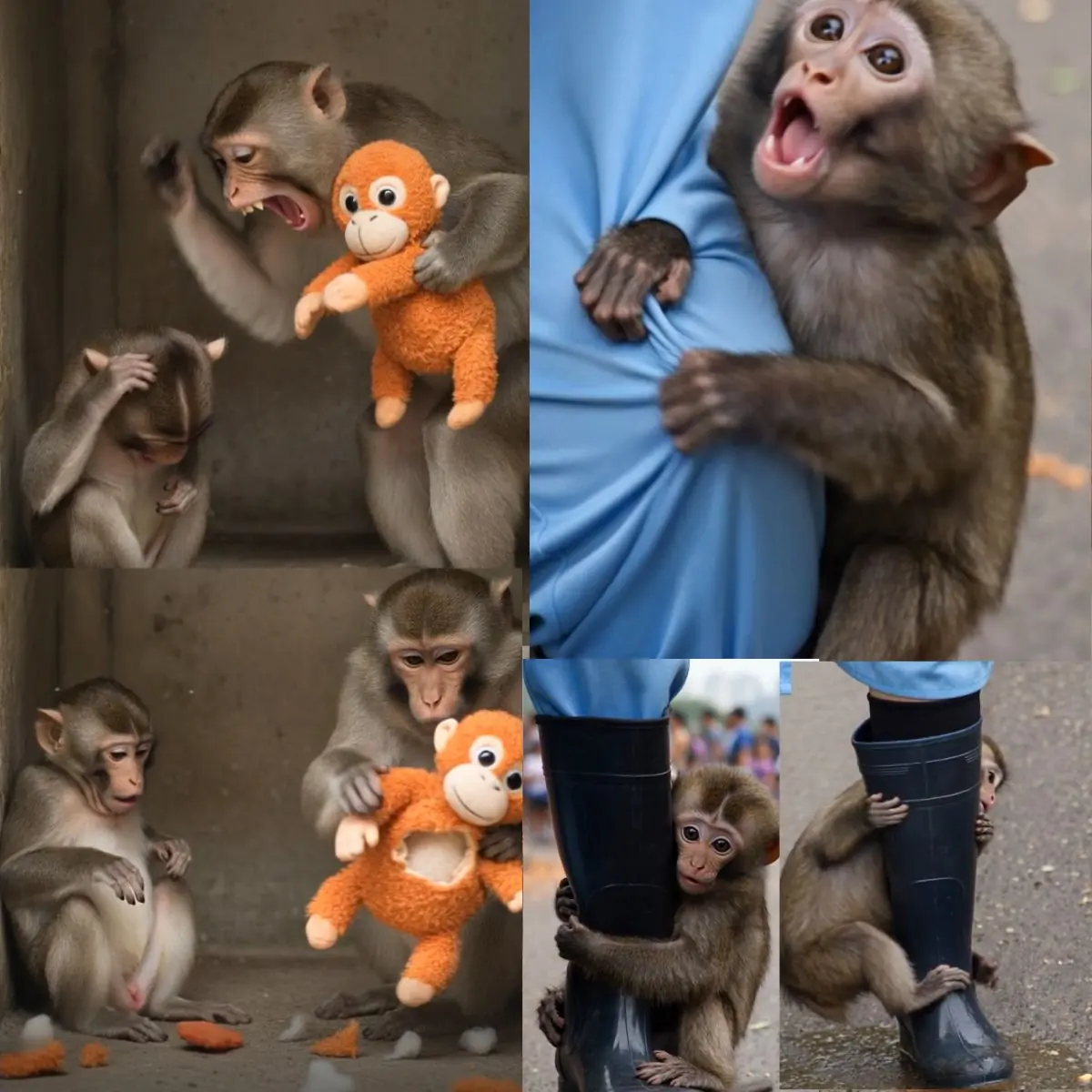
In monkeys, clinging to their mother’s fur is the most critical survival instinct from birth. In the wild, if an infant lets go, it risks falling or getting lost. Since humans do not have thick fur, Punch chooses the ankle—the lowest, most stable, and most accessible part of the body while walking—to express this instinct.
Seeking Safety – A Substitute for a Stuffed Toy
In the early days after being abandoned, staff gave Punch a stuffed orangutan toy to hold. As he grew and began to walk, he transferred his attachment from an object to his human caregivers. Clinging to their legs allows him to feel presence, warmth, and movement—helping ease his separation anxiety.
Psychological Scar from Rejection
Being rejected by his biological mother leaves a deep “scar” in a primate’s mind. Despite receiving love from Go and the caretakers, Punch carries a hidden fear of being abandoned again. Clinging becomes his way of “holding on” and ensuring he stays close to those who protect him.
💛 3. A Human Message: Love Is Healing


Punch’s story delivers a powerful message about empathy and compassion:
-
Love has no boundaries: When a natural bond is broken (a mother rejecting her child), human kindness and the compassion of another animal (Go) can create a miracle—helping a fragile life survive and grow.
-
The value of presence: For Punch, he does not need luxury—simply holding onto a caretaker’s leg brings him immense comfort. This reminds us of how meaningful companionship truly is.
🌍 4. Real-Life Connection: Lessons About Attachment


Punch’s journey is not just a story from a zoo in Japan—it reflects many aspects of our own lives:
-
In child psychology: Children who lack parental warmth early in life often seek security in substitute objects or cling to caregivers. Patience and compassion are essential to help them overcome abandonment fears.
-
Responsibility toward animals and environment: Punch’s story highlights how stress affects animals in captivity. Creating comfortable environments helps preserve not only their health but also their natural maternal instincts.
-
Gratitude for “second mothers”: Sometimes, those who save and raise us are not the ones who gave birth to us. We should cherish those support figures—just as Punch cherishes every step of his caretaker.
✅ Conclusion
Every step taken by the caretakers at Ichikawa Zoo, with Punch clinging to their legs, is a beautiful testament to patience and love.
Punch may have lost the warmth of his biological mother, but he found a larger family—where love transcends species and gives him the strength to continue his life journey.