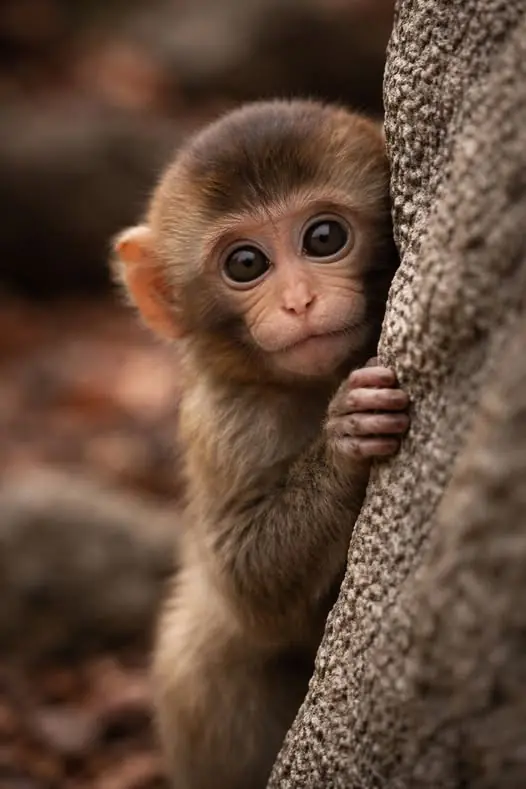
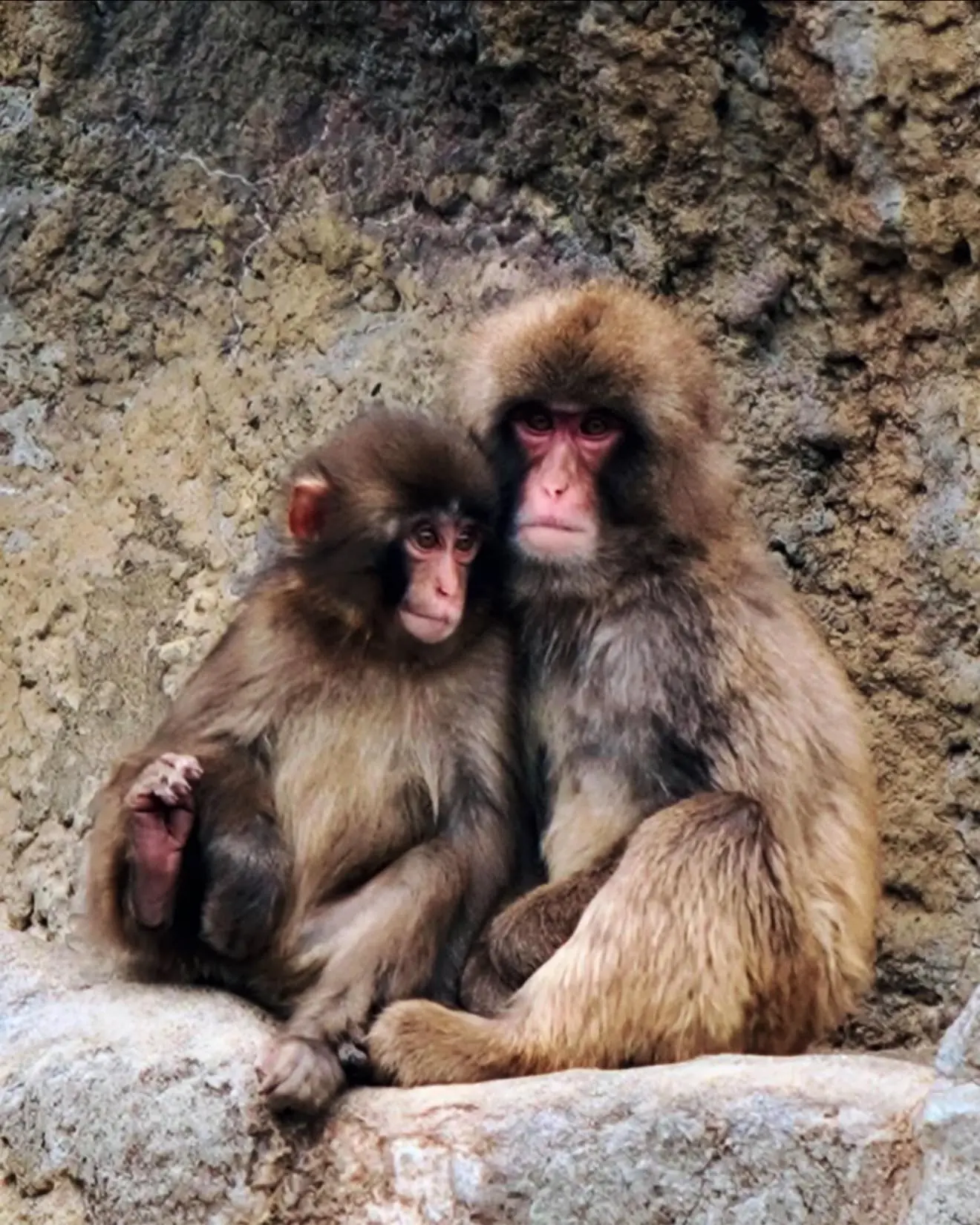
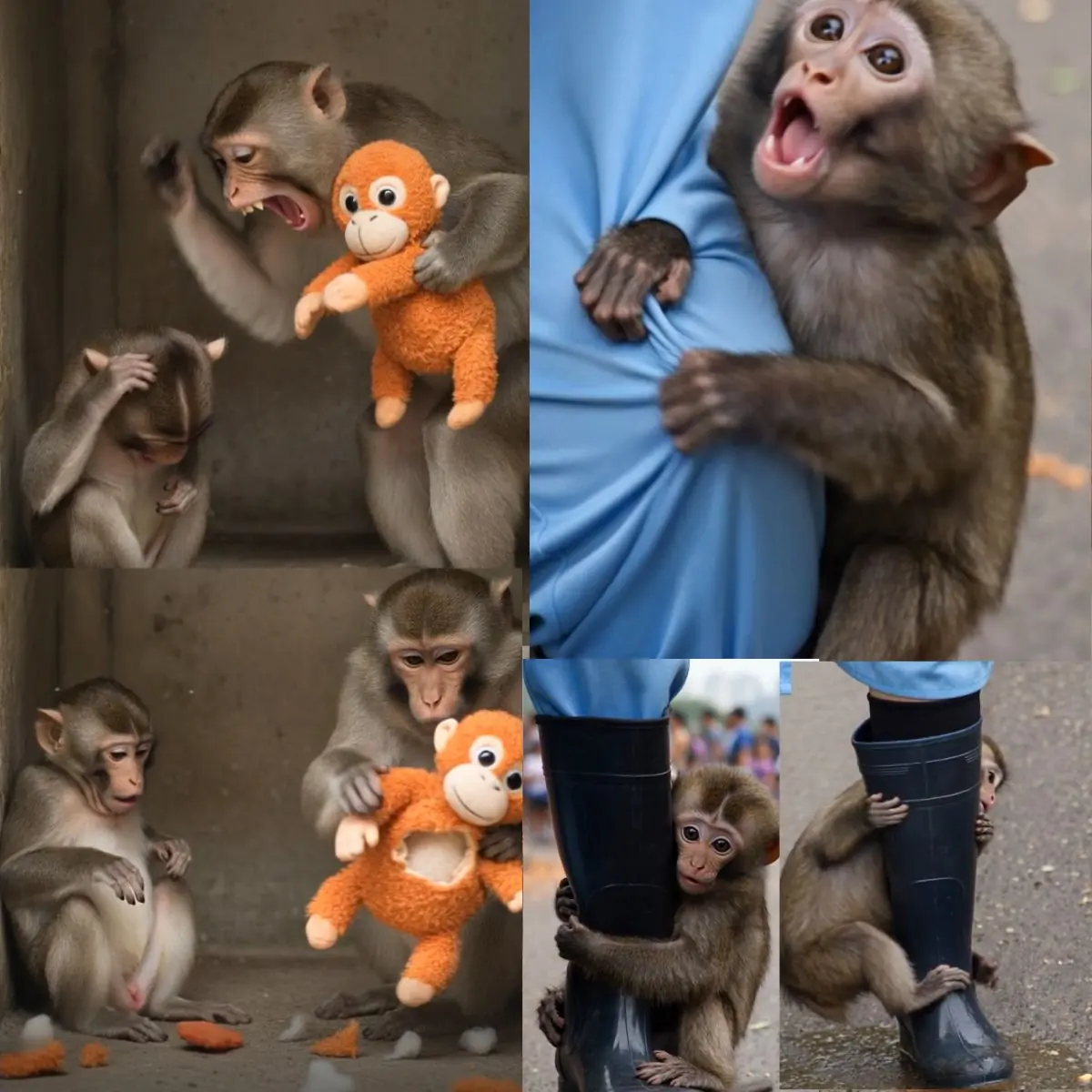
Do Monkeys Truly Love Humans? The Truth Behind Their Hugs and Expressive Eyes
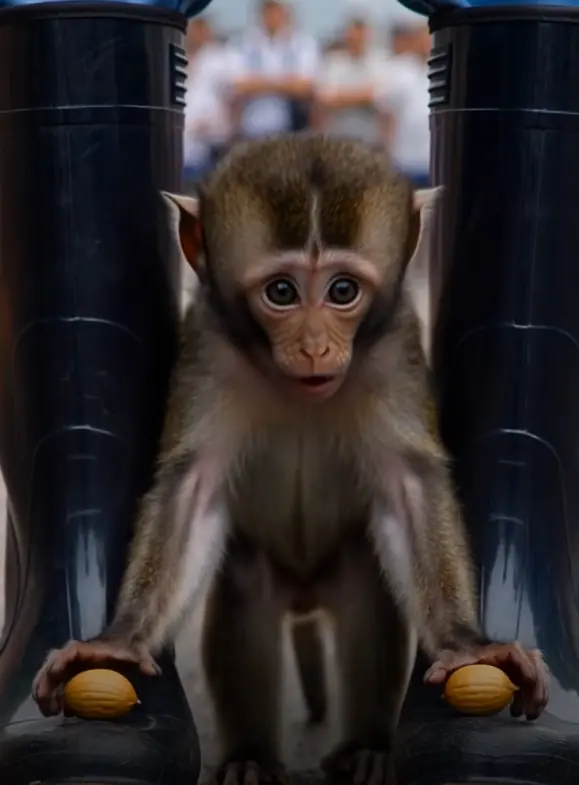
Do Monkeys Have Feelings for Humans? The Truth Behind Their Hugs and Expressive Eyes


Many people, after watching videos of monkeys like Punch clinging to their caretakers or chimpanzees embracing their rescuers after years apart, often wonder: “Is that genuine affection or just instinct for food?”
The answer from primatologists may surprise you: monkeys are fully capable of forming deep, lasting emotional bonds with humans.
🧠 1. Why Can Monkeys Develop Feelings for Humans?


This connection is not random—it is built on strong biological and psychological foundations:
Similar “Brain Hardware”
Humans and primates (monkeys, apes, chimpanzees) share a brain structure called the Limbic System. This system controls emotions such as joy, fear, anger, and especially attachment.
When monkeys are near trusted caregivers, their brains release Oxytocin—known as the “love hormone”—creating feelings of happiness and safety, just like in humans.
The Need for a “Secure Base”
Monkeys are highly social animals. For orphaned individuals or those raised by humans (like Punch), caregivers become a “surrogate mother.”
To the monkey, humans are not just food providers—they represent safety, protection, and their entire world.
Capacity for Empathy
Studies show that monkeys can read human facial expressions. If you are sad, some intelligent species may approach, gently touch you, or stare attentively as if trying to comfort you.
💛 2. How Monkeys Show “Love” Toward Humans


Monkey affection is not expressed through words—but through clear, meaningful actions:
-
Grooming: In monkey society, grooming is the ultimate act of trust and bonding. If a monkey tries to pick through your hair, it sees you as family.
-
Physical contact: Hugs, hand-holding, or clinging (like Punch) signal deep trust and dependence.
-
Protective behavior: There are cases where monkeys defend or warn off strangers when their caregivers are in danger.
🔍 3. Is This “Love” or Just Habit?


This is a subtle but important distinction. Scientists confirm that primates possess emotional memory.
They can remember faces—and how someone treated them—even after many years.
Monkey affection is often pure and instinctive. They do not calculate like humans; they love when they feel safe, and they fear when they feel threatened.
⚠️ 4. Message and Warning


Even though monkeys can form emotional bonds with humans, we must remember: they are still wild animals.
-
Respect boundaries: True affection only develops through respect. Forcing a monkey to “love” you through captivity creates fear and aggression.
-
Long-term responsibility: If a monkey forms a bond with you, abandoning it can cause severe psychological trauma—even leading to self-harm.
✅ Conclusion
Do monkeys have feelings for humans? Absolutely.
Their emotions are pure, rooted in survival instincts and empathy between two species that share evolutionary origins. Their hugs are not just acts of clinging—they are a powerful message:
👉 In a harsh natural world, every living being needs a safe place to belong and someone to trust.