Do Monkeys Have Emotions Like Humans? The Surprising Science Behind Primate Feelings
Do Monkeys Have Emotions Like Humans? The Truth Behind Primate Eyes
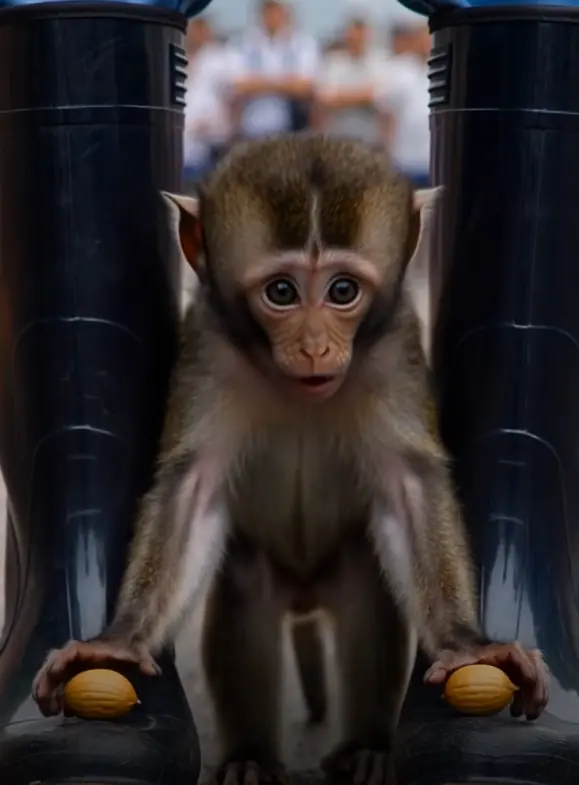
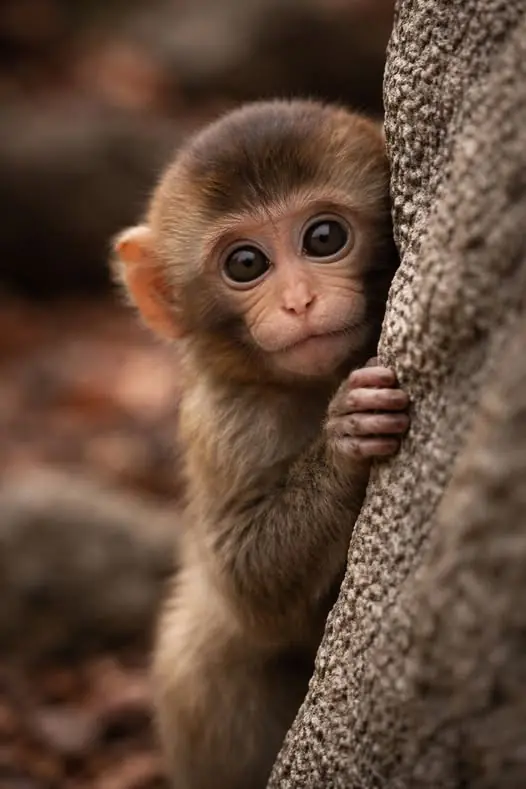
For decades, scientists have fiercely debated whether animals truly experience emotions or if their behaviors are merely instinctive responses. However, with the advancement of brain imaging technology and long-term behavioral observation, the answer is increasingly leaning in one direction: Monkeys (and primates in general) possess an astonishingly rich and complex inner emotional world.
So how similar are their emotions to ours? And why does this similarity exist?
1. Evidence of Emotional Life in Monkeys
You don’t need to be an expert to notice the similarities when observing a troop of monkeys. They laugh, they grieve, and they express anger in ways that feel strikingly familiar.
Grief and Mourning


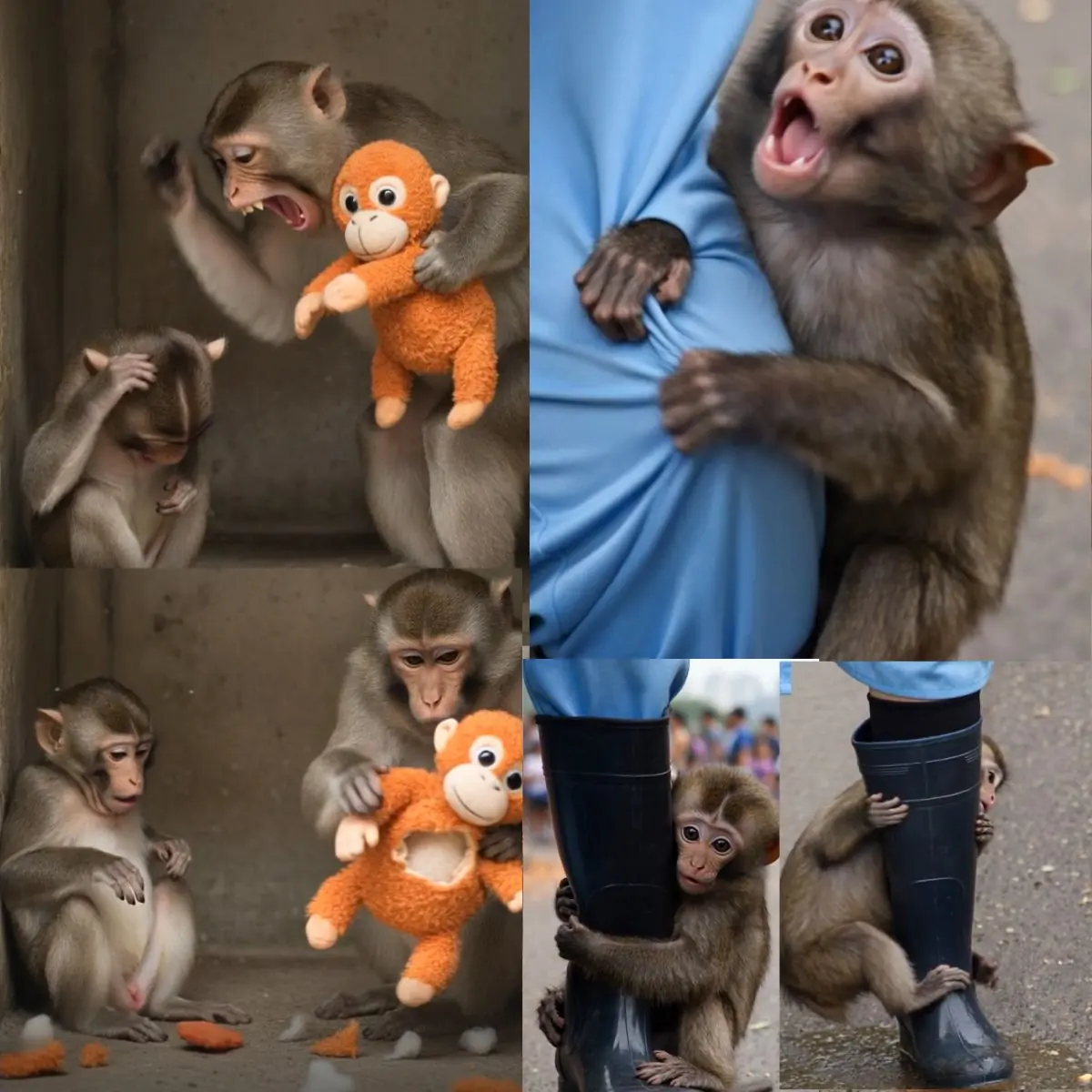
One of the most powerful demonstrations of emotional depth is how monkeys respond to death. Researchers have documented cases where mother monkeys—especially chimpanzees and rhesus macaques—carry the bodies of their deceased infants for days or even weeks.
During this time, they often refuse food, emit distress calls, and display lethargic behavior. These symptoms closely resemble clinical signs of depression in humans. Such reactions strongly suggest that their attachment bonds are not purely instinctual, but deeply emotional.
Altruism and Empathy


Monkeys do not live solely for themselves. In controlled experiments, when a monkey learns that pulling a lever to obtain food will cause another monkey to receive an electric shock, it often refuses to act—even if it means going hungry.
This behavior reflects a fundamental form of compassion and suggests the presence of empathy, a trait long considered uniquely human.
Jealousy and Fairness


Primatologist Frans de Waal conducted a famous experiment: two monkeys performed the same task, but one received a cucumber (a basic reward), while the other received a grape (a preferred treat).
The monkey given the cucumber reacted with visible frustration—throwing the food back and refusing to cooperate. This behavior indicates a clear understanding of fairness and inequality, concepts deeply embedded in human social systems.
2. Why Are Monkey Emotions So Similar to Humans?
This resemblance is not coincidental. It stems from three fundamental factors:
Similar Brain Structures
Monkeys and humans share a crucial part of the brain known as the limbic system, the center responsible for emotional processing.
-
Amygdala: Handles fear and anxiety responses
-
Cingulate cortex: Plays a role in social bonding and empathy
Because the “hardware” is so similar, the emotional “software” operates in comparable ways. This neurological overlap explains why emotional expressions in monkeys often feel so recognizable to us.
Genetic Similarity (DNA)
Humans share approximately 98.8% of their DNA with chimpanzees and about 93% with smaller monkey species.
This genetic closeness ensures that key hormones such as oxytocin (associated with bonding and love) and dopamine (linked to pleasure and reward) function in monkeys in almost the same way they do in humans.
Social Survival Needs
Monkeys are highly social animals that live in structured groups. In such environments, emotions act as a survival mechanism:
-
Fear: Protects the group from predators
-
Love and attachment: Ensures offspring are nurtured
-
Reconciliation: Maintains social harmony after conflicts
Without emotional systems, their social structures would collapse, leaving them vulnerable in the wild.
3. Key Differences Between Monkey and Human Emotions
Despite these similarities, human emotions operate on a more advanced level due to the highly developed prefrontal cortex.
Reflective Thinking
Monkeys may feel sadness when they lose a companion, but they do not reflect on the meaning of death or existence. Humans, on the other hand, can analyze, question, and philosophize about their emotions.
Complex and Abstract Emotions
Humans experience deeply layered emotions such as:
-
National pride
-
Nostalgia for distant memories
-
Anxiety about long-term future events
Monkeys, by contrast, are largely grounded in the emotional experience of the present moment—“here and now.”
4. Why Understanding Monkey Emotions Matters
Recognizing that monkeys have emotions changes how we interact with the natural world:
-
Conservation efforts: Separating a monkey from its family can cause lasting psychological trauma
-
Scientific research: Encourages stricter ethical standards to minimize suffering
-
Human awareness: Reminds us that humans are not separate from nature, but part of a vast emotional continuum across species
Final Thoughts
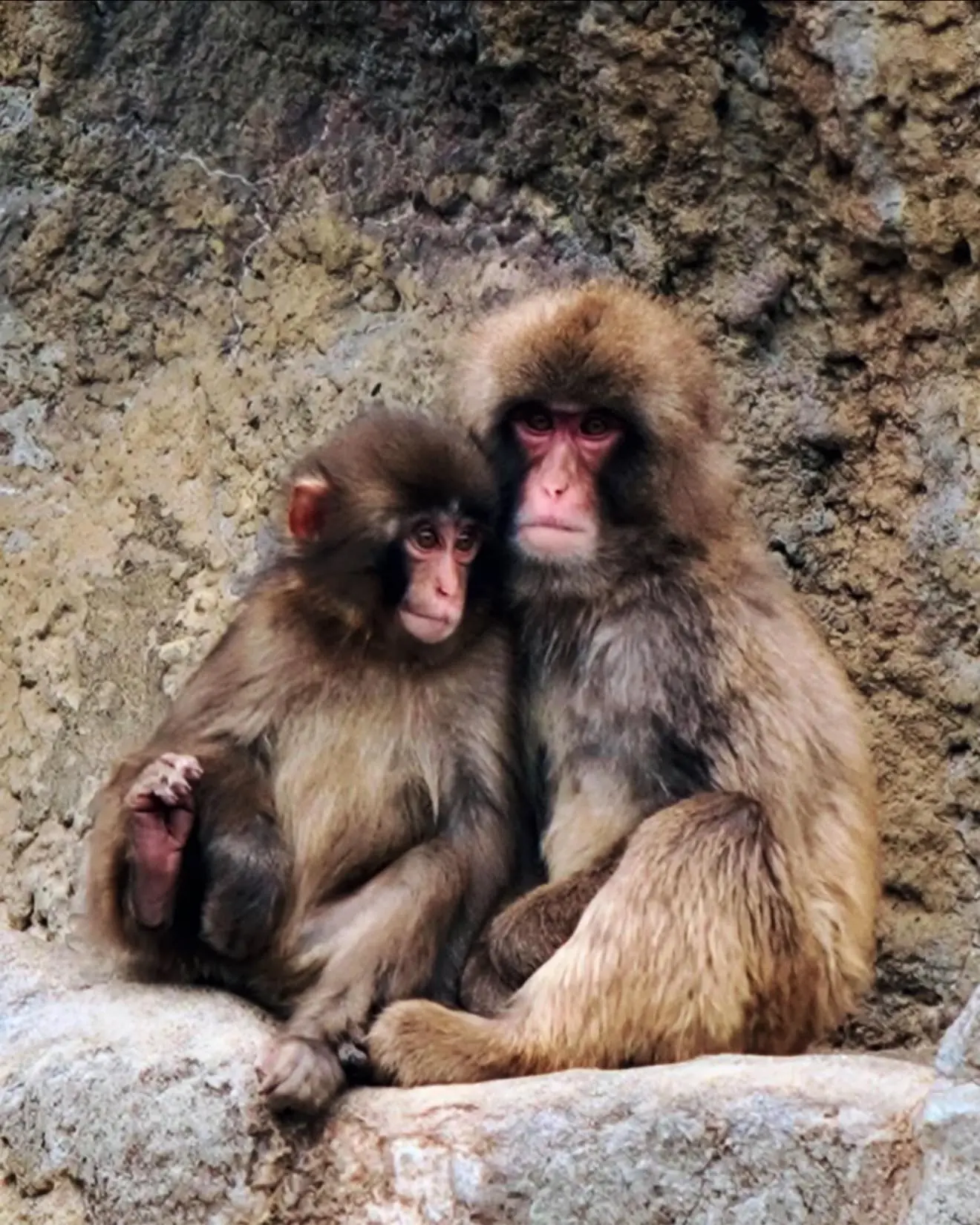
When you look into a monkey’s eyes and feel as though it is “thinking” or “feeling,” that impression is not an illusion. It is the echo of millions of years of shared evolution—a reminder that humans and primates are connected by a deep, emotional heritage.