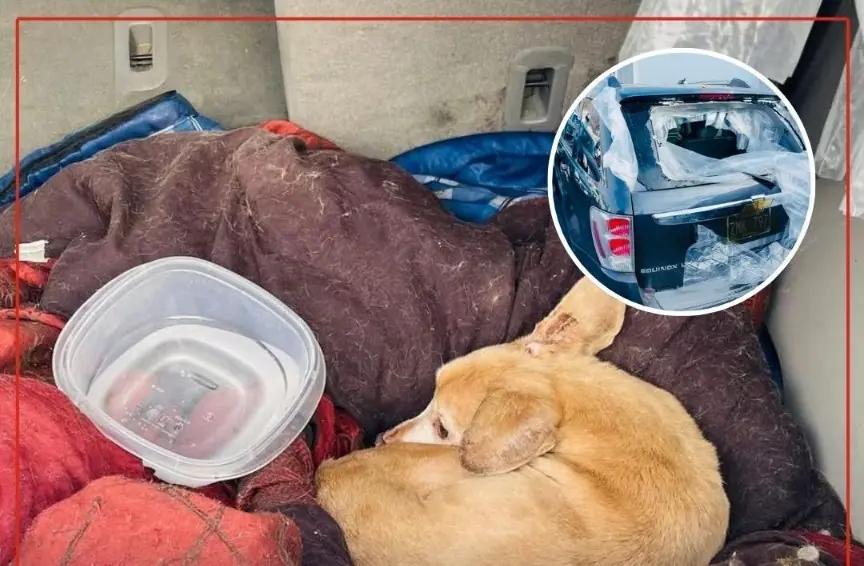
Colorado Governor Signs Landmark Bill Banning Pet Store Sales of Dogs and Cats
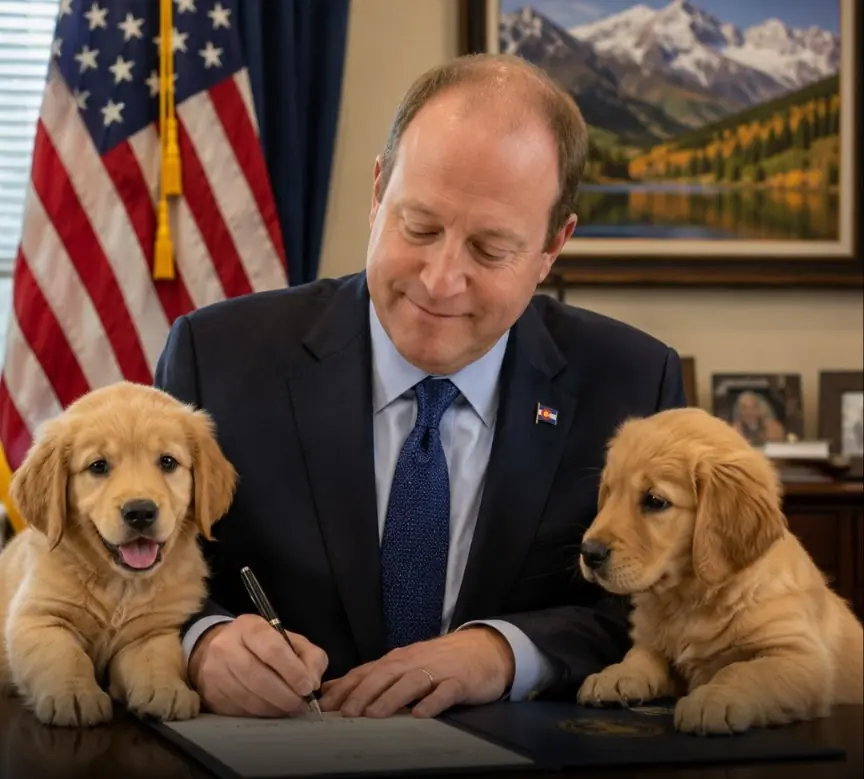
Colorado Governor Signs Landmark Bill Banning Pet Store Sales of Dogs and Cats
In a major victory for animal welfare advocates, Colorado has officially passed a landmark law banning the retail sale of dogs and cats in pet stores — a move supporters say could help reduce puppy mills, unethical breeding operations, and animal suffering across the state.
The legislation, recently signed by Colorado’s governor, marks a significant shift in how pets may be sold commercially. Under the new law, traditional pet stores will no longer be allowed to sell dogs or cats sourced from large-scale commercial breeders. Instead, stores that wish to showcase animals will now be encouraged to partner with shelters and rescue organizations to promote adoptions.
Animal rights groups across the country are celebrating the decision, calling it a major step toward ending the pipeline that often connects puppy mills to retail pet shops.
For years, critics have argued that many pet stores obtain animals from mass breeding facilities where profit is prioritized over animal welfare. Investigations into some breeding operations have revealed overcrowded cages, poor sanitation, limited veterinary care, and severe neglect.
Dogs raised in these environments frequently suffer from health problems, behavioral trauma, and inadequate socialization.
Advocates believe laws like Colorado’s can help reduce consumer demand for commercially bred puppies sold through retail storefronts.
“This is about protecting animals from suffering and encouraging humane adoption practices,” one rescue organization stated following the bill’s approval.
The law reportedly still allows responsible breeders to operate independently and directly connect with buyers. However, the retail pet store model involving commercially sourced puppies and kittens will now face strict limitations under the new regulations.
Supporters say the legislation sends a powerful message:
Pets should not be treated like products displayed in shopping centers.
Instead, many believe adoption-focused models create more ethical pathways for connecting animals with loving homes.
Across social media, countless animal lovers praised the decision, with many sharing stories of rescued pets adopted from shelters after being abandoned or surrendered.
For rescue groups, the bill represents hope.
Every year, millions of dogs and cats enter shelters across the United States. While many eventually find homes, overcrowding remains a serious issue in numerous communities. Advocates argue that reducing commercial retail sales may encourage more families to consider adoption instead of impulse purchases from pet stores.


 7
7
Animal welfare experts also emphasize that impulse buying can sometimes contribute to long-term abandonment problems. Puppies purchased quickly from retail settings may end up surrendered later when owners are unprepared for the responsibility, training, expenses, or time commitment involved in pet ownership.
By shifting focus toward shelters and rescue organizations, supporters believe future pet owners may receive more education about responsible care before bringing animals home.
Not everyone, however, agrees with the legislation.
Some critics argue the law could negatively affect pet store businesses and limit consumer choice. Others believe responsible commercial breeders are being unfairly associated with unethical operations.
Still, public support for stronger animal protection laws has grown significantly in recent years.
Several cities and states across the U.S. have already implemented similar restrictions targeting retail puppy and kitten sales. Animal advocates hope Colorado’s decision will inspire additional states to adopt comparable policies in the future.
For many people, the issue goes beyond politics or business.
It is emotional.
Images and reports from abusive breeding facilities have shocked animal lovers worldwide for years. Stories of dogs spending entire lives in cramped cages solely for breeding purposes continue fueling calls for reform and stricter oversight.
That is why laws focused on adoption and rescue resonate so strongly with the public.
To supporters, every purchased puppy replaced by a rescued shelter animal represents another life potentially saved.
Many shelters are filled with affectionate, healthy animals waiting for families — including puppies, senior pets, mixed breeds, and purebreds alike. Rescue organizations frequently emphasize that adoption not only changes the life of one animal, but also creates space for another animal in need.
The new Colorado law also reflects changing attitudes toward pet ownership itself.
Increasingly, people view pets not as commodities, but as family members deserving ethical treatment and protection from exploitation. Public awareness surrounding animal welfare standards has expanded dramatically through documentaries, investigations, and social media advocacy campaigns.
As a result, more consumers are asking questions about where animals come from before bringing them home.
Animal advocates believe this cultural shift is helping reshape legislation nationwide.
“This is progress,” one shelter volunteer wrote online after hearing the news. “Animals deserve compassion, not commercialization.”
The governor’s signing of the bill has now positioned Colorado among a growing number of jurisdictions attempting to reduce connections between retail pet sales and large-scale breeding industries.
For rescue organizations, the moment feels historic.
For shelters, it offers hope.
And for countless future dogs and cats who may now avoid life inside commercial breeding systems, supporters say it could mean something even more important:
A better chance at a life built on care, dignity, and real homes instead of cages behind storefront glass.