Why Punchy Is Still Lonely: The Untold Psychology Behind Viral Animal Stories
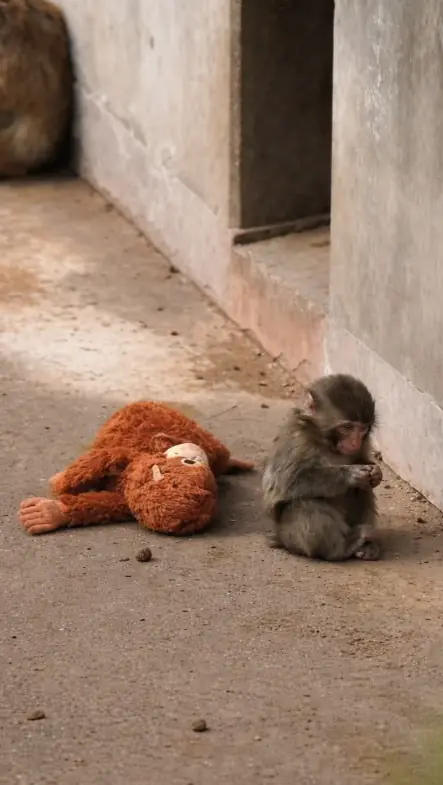
On social media, Punchy’s life looks almost perfect.
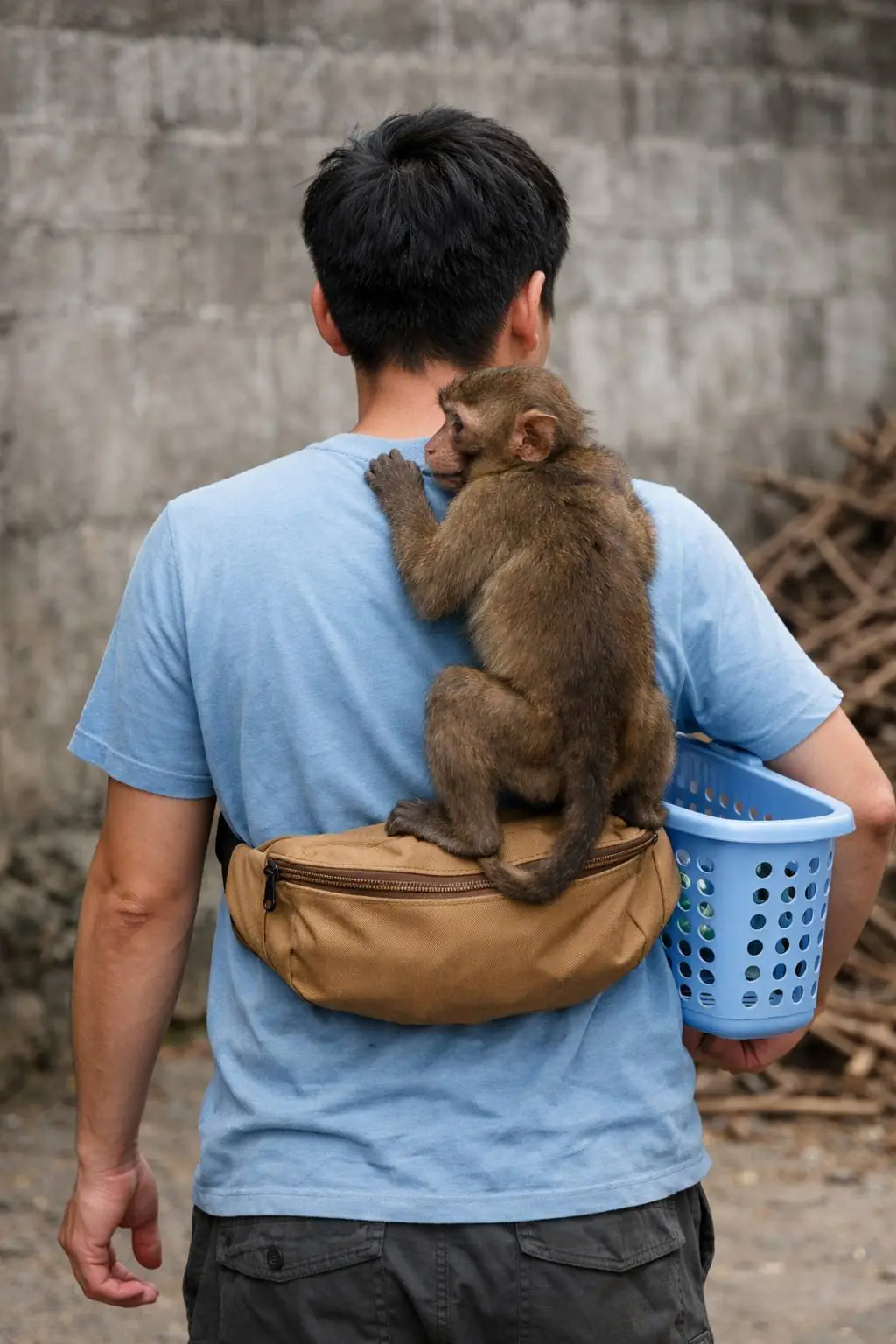
A young Japanese macaque who once lost everything now seems to have it all:
-
A devoted human caregiver
-
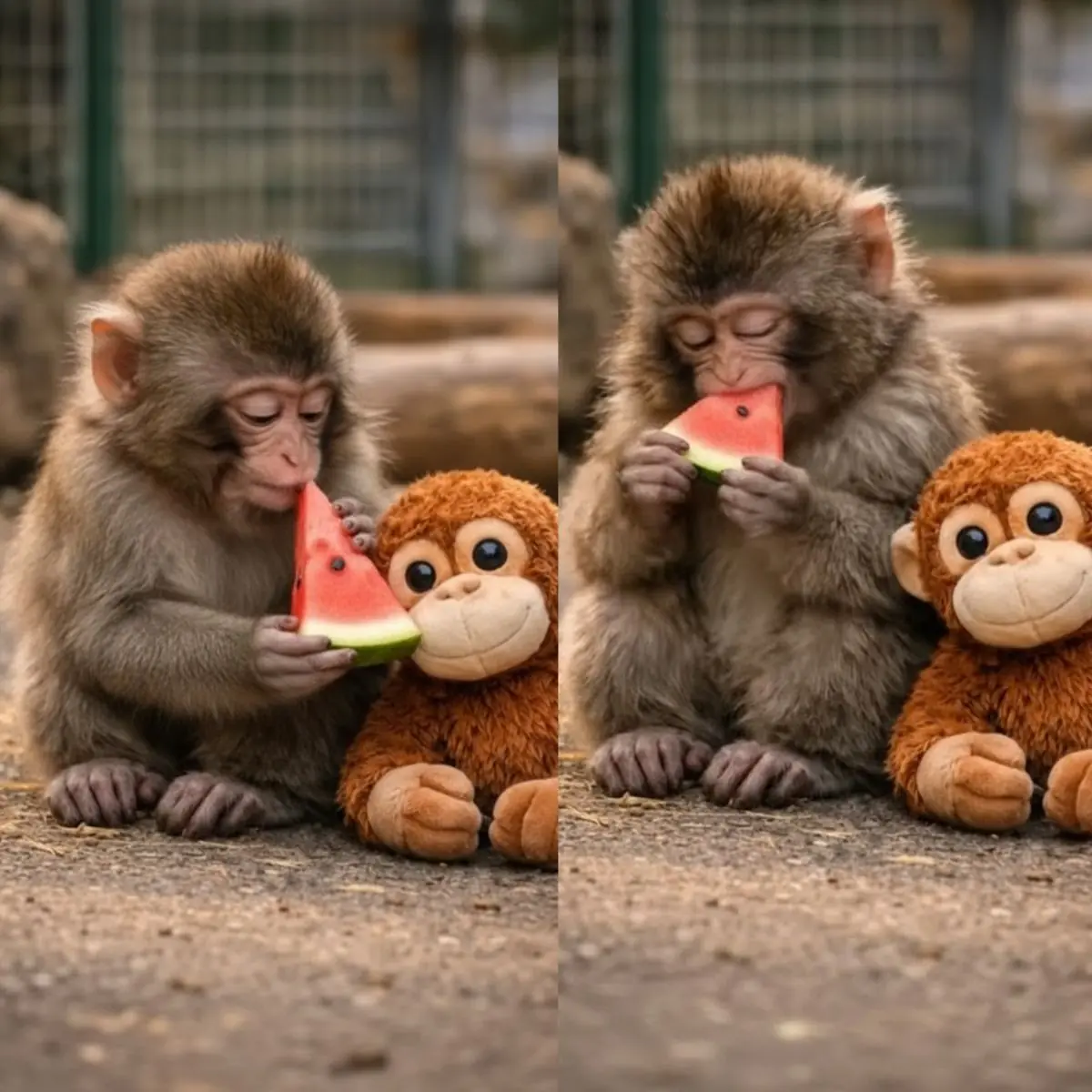
A comforting plush toy that once replaced his mother
-
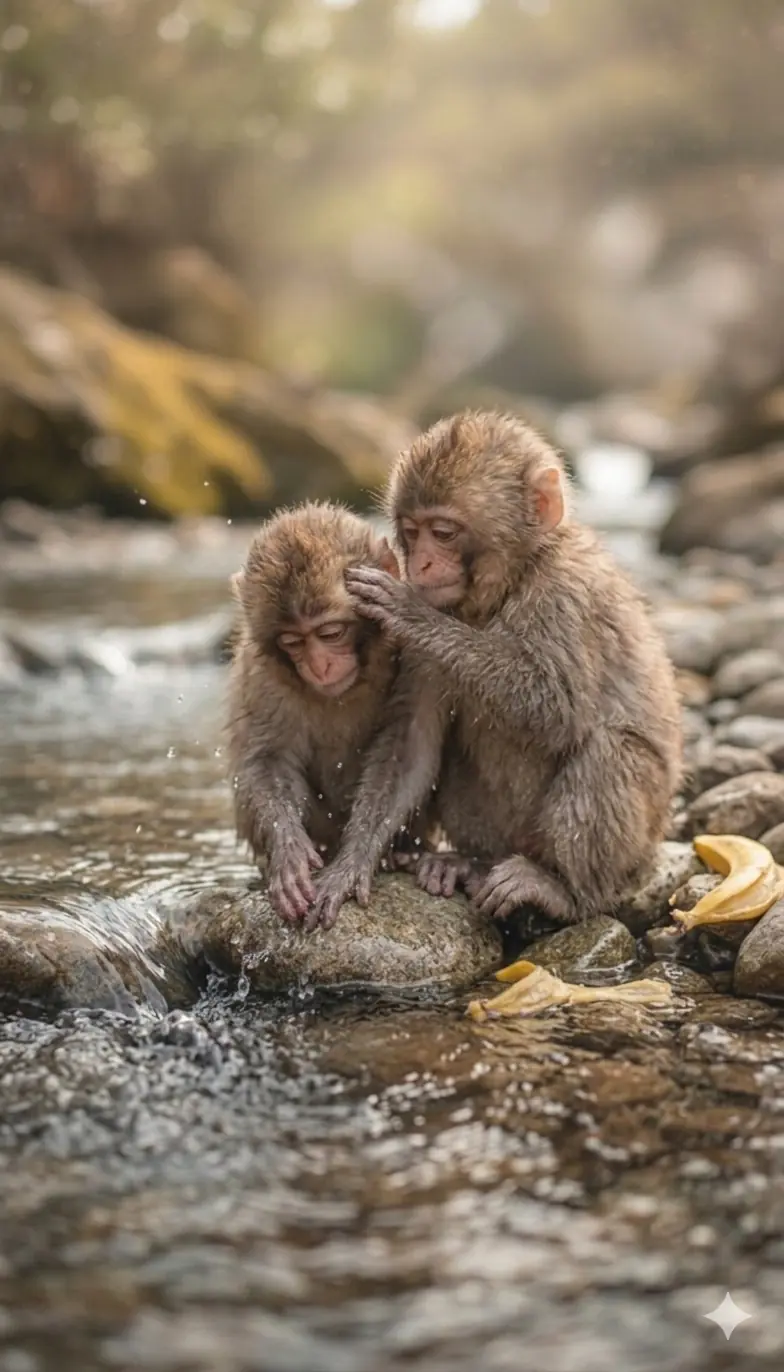
A gentle companion, Momo-chan
From the outside, it feels like a complete story.
A happy ending.
But reality is rarely that simple.
Because even with all of this—
👉 Punchy still shows signs of loneliness.
And the question becomes:
👉 How can someone have everything… and still feel alone?
🧬 1. THE IRREPLACEABLE BOND: WHY A MOTHER MATTERS
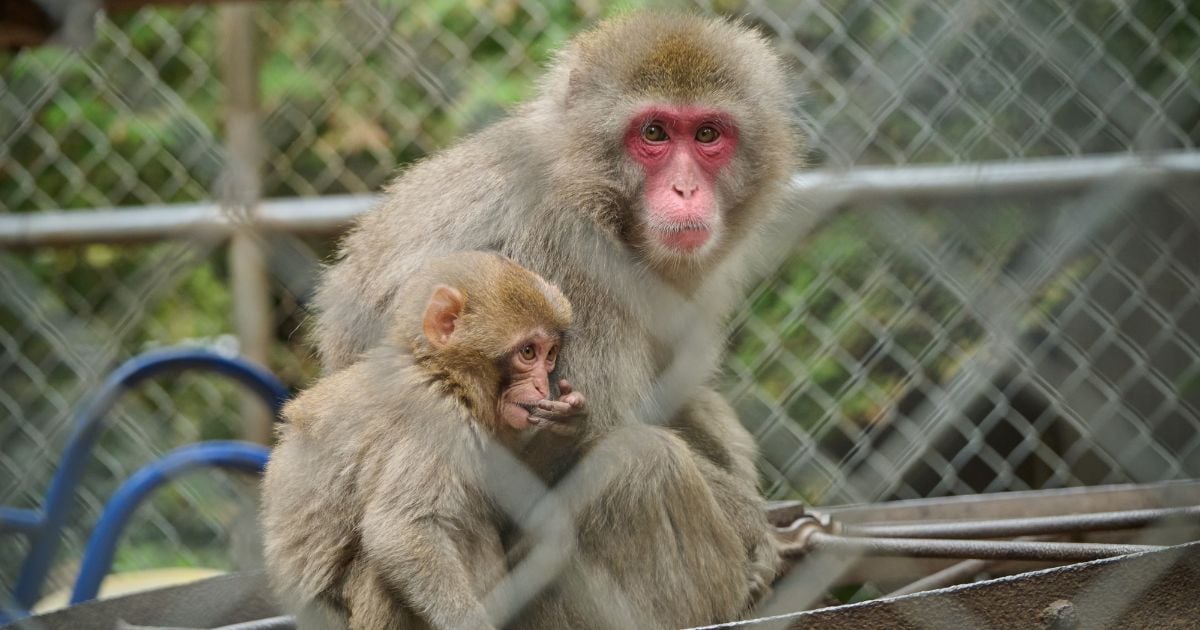
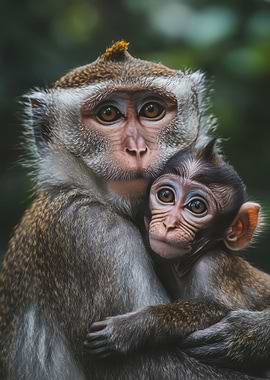


In primates, the bond between mother and infant is not optional.
It is foundational.
From a biological standpoint, this connection provides:
-
Emotional regulation
-
Physical warmth
-
Continuous reassurance
-
Social learning
What Punchy lost
Punchy did not just lose a caregiver.
He lost:
👉 The biological system designed to shape his emotional world
Human care can replace survival.
But it cannot fully replicate:
-
The scent
-
The rhythm
-
The constant body contact
Of a real mother.
🧸 2. THE LIMIT OF A SUBSTITUTE: WHY THE PLUSH TOY IS NOT ENOUGH


Punchy’s plush toy played a crucial role in his survival.
It provided:
-
Softness
-
Stability
-
A constant presence
But it lacked one essential element:
👉 Response
The toy cannot:
-
Hold him back
-
React to fear
-
Communicate reassurance
The hidden reality
What looks comforting—
👉 Can also be a silent reminder
That he is still alone.
❤️ 3. MOMO-CHAN: CONNECTION OR PRESSURE?
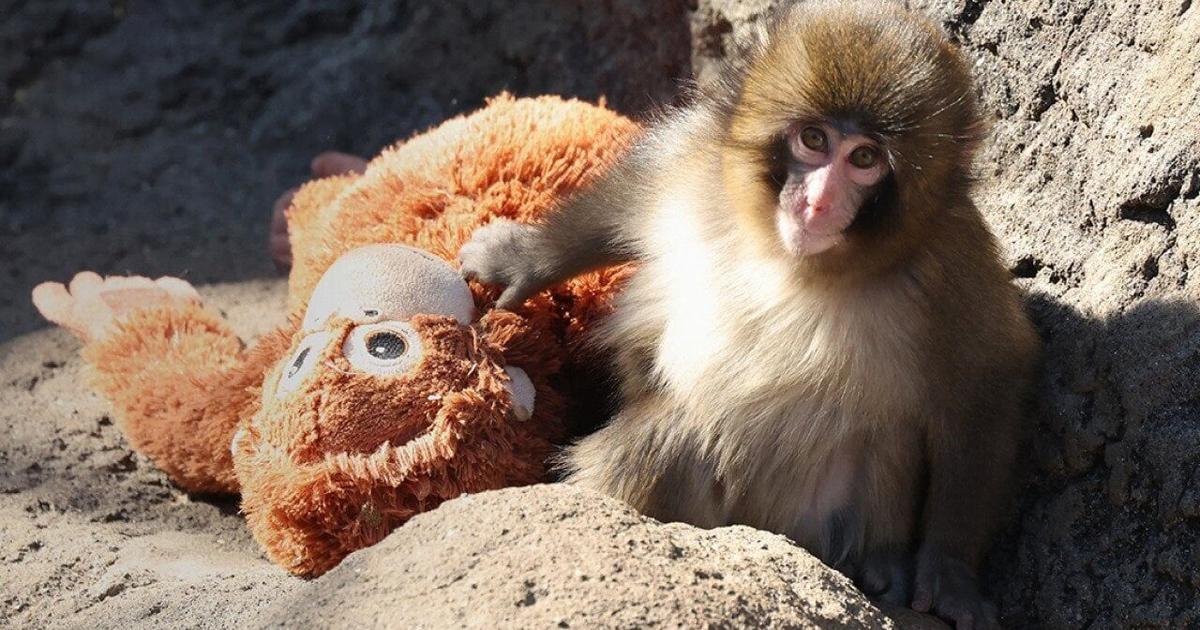
Momo-chan represents a new chapter.
But not necessarily a simple one.
🧠 Different emotional timelines
Momo-chan:
-
Grew up normally
-
Learned social behavior naturally
Punchy:
-
Lacked early bonding
-
Learned through human care
👉 This creates a gap
Not in affection—
👉 But in experience
⚠️ The challenge
Punchy is learning:
-
How to interact
-
How to trust
-
How to belong
While still carrying:
👉 Early emotional disruption
This is not just connection.
👉 It is adaptation under pressure.
🌙 4. THE NIGHT: WHEN DISTRACTIONS DISAPPEAR
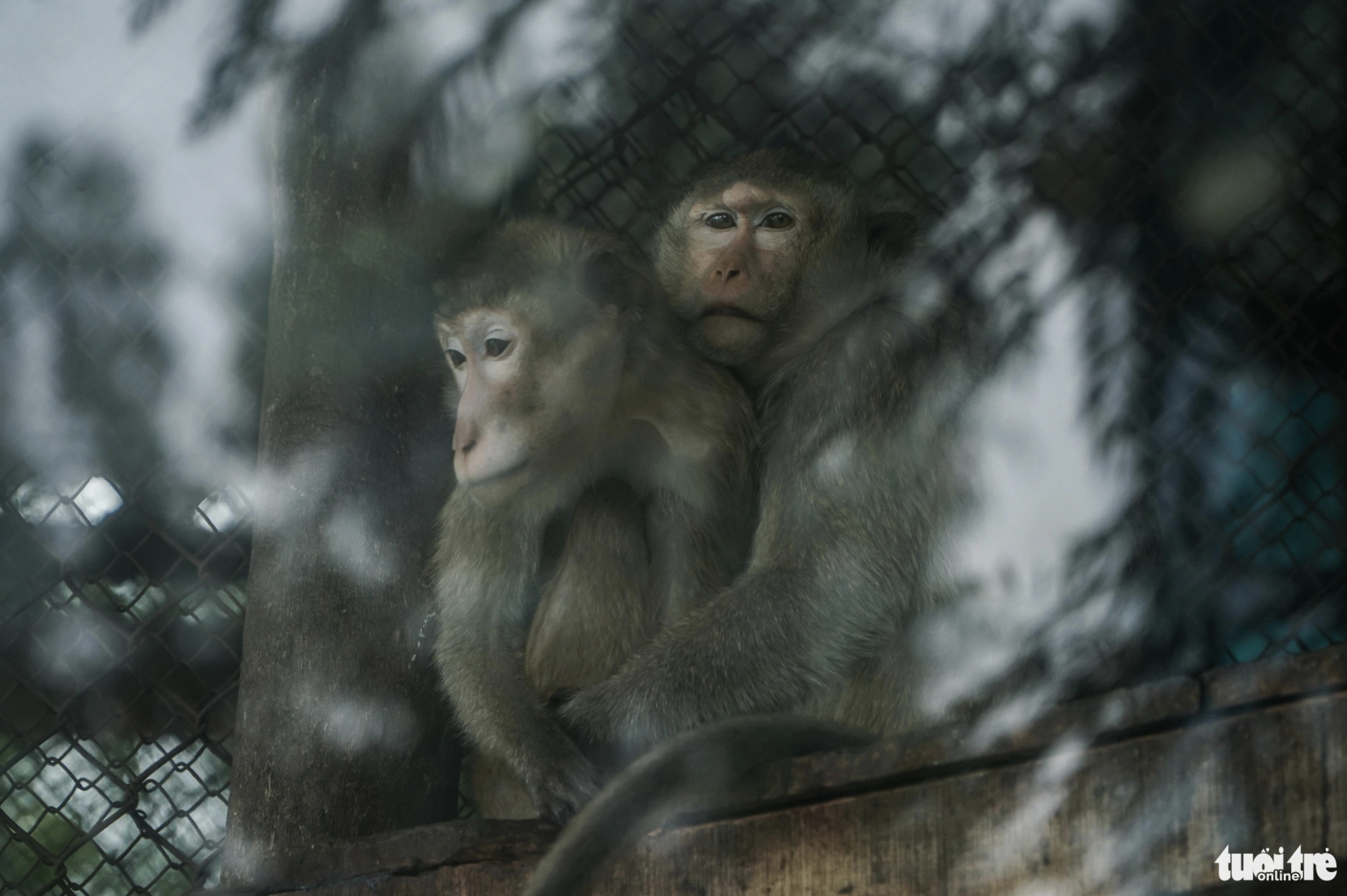
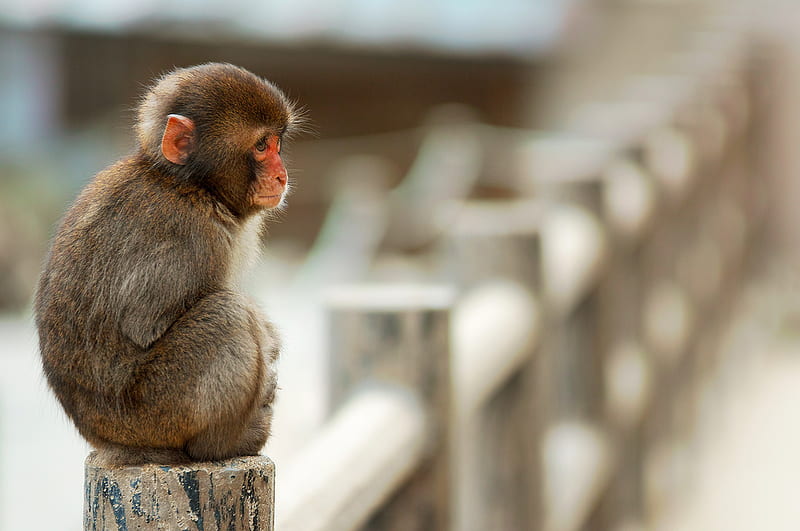
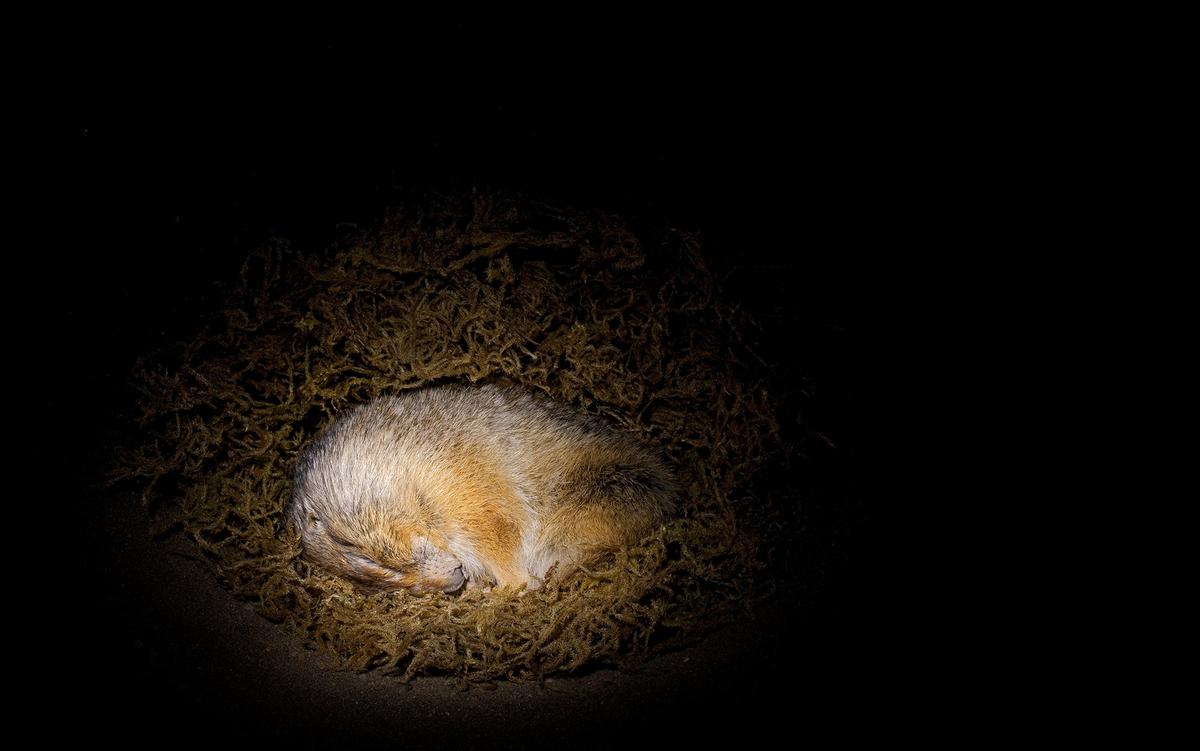

During the day, Punchy is surrounded by:
-
Activity
-
Noise
-
Interaction
But at night—
Everything changes.
What remains:
-
Silence
-
Stillness
-
Memory
His posture tells the story
Punchy often curls into himself.
This position:
-
Protects the body
-
Reduces vulnerability
-
Creates a sense of containment
👉 It is not just comfort
👉 It is self-protection
The deeper layer
Night removes distractions.
And what remains is:
👉 Emotional memory
🧠 5. THE FEAR THAT NEVER FULLY DISAPPEARS

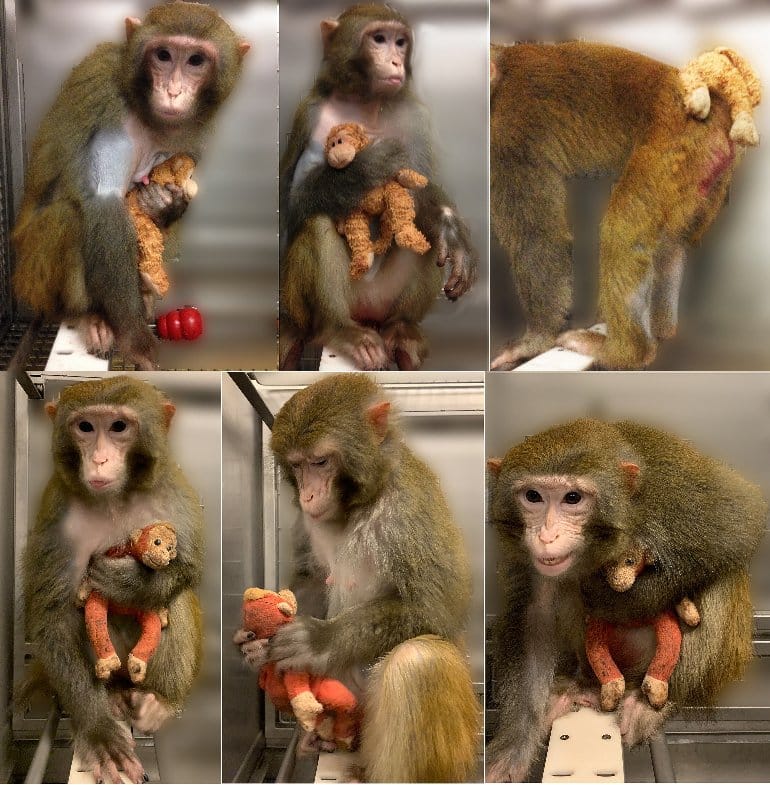
For orphaned primates, one pattern often persists:
👉 Fear of abandonment
Even when care is consistent—
The early experience leaves a mark.
Punchy may unconsciously carry:
-
“Will this disappear?”
-
“Will I be alone again?”
This is not visible all the time.
But it exists—
👉 Beneath behavior
⚖️ 6. THE BURDEN OF HUMAN PROJECTION


There is another layer to Punchy’s story:
👉 Us
Humans assign roles:
-
“Father”
-
“Mother”
-
“Girlfriend”
These labels help us understand.
But they can also:
👉 Distort reality
Punchy is not living a human story.
He is navigating:
👉 An animal experience shaped by human intervention
💬 THE REAL MESSAGE
Punchy is not lonely because he lacks love.
He is lonely because:
👉 He experienced loss before connection
And that changes everything.
❓ A QUESTION FOR YOU
If you had everything—
But lost the one thing that mattered first—
👉 Would it ever feel completely whole again?
❤️ FINAL THOUGHT
Punchy’s story is not just about survival.
It is about:
-
What cannot be replaced
-
What takes time to heal
-
And what remains, even in comfort
He is not just a symbol of hope.
👉 He is also a reminder
That healing is not instant.
And sometimes—
👉 Being surrounded by love does not mean the loneliness is gone