What Happens When Monkeys Eat Watermelon? A Scientific Look at Nutrition and Behavior
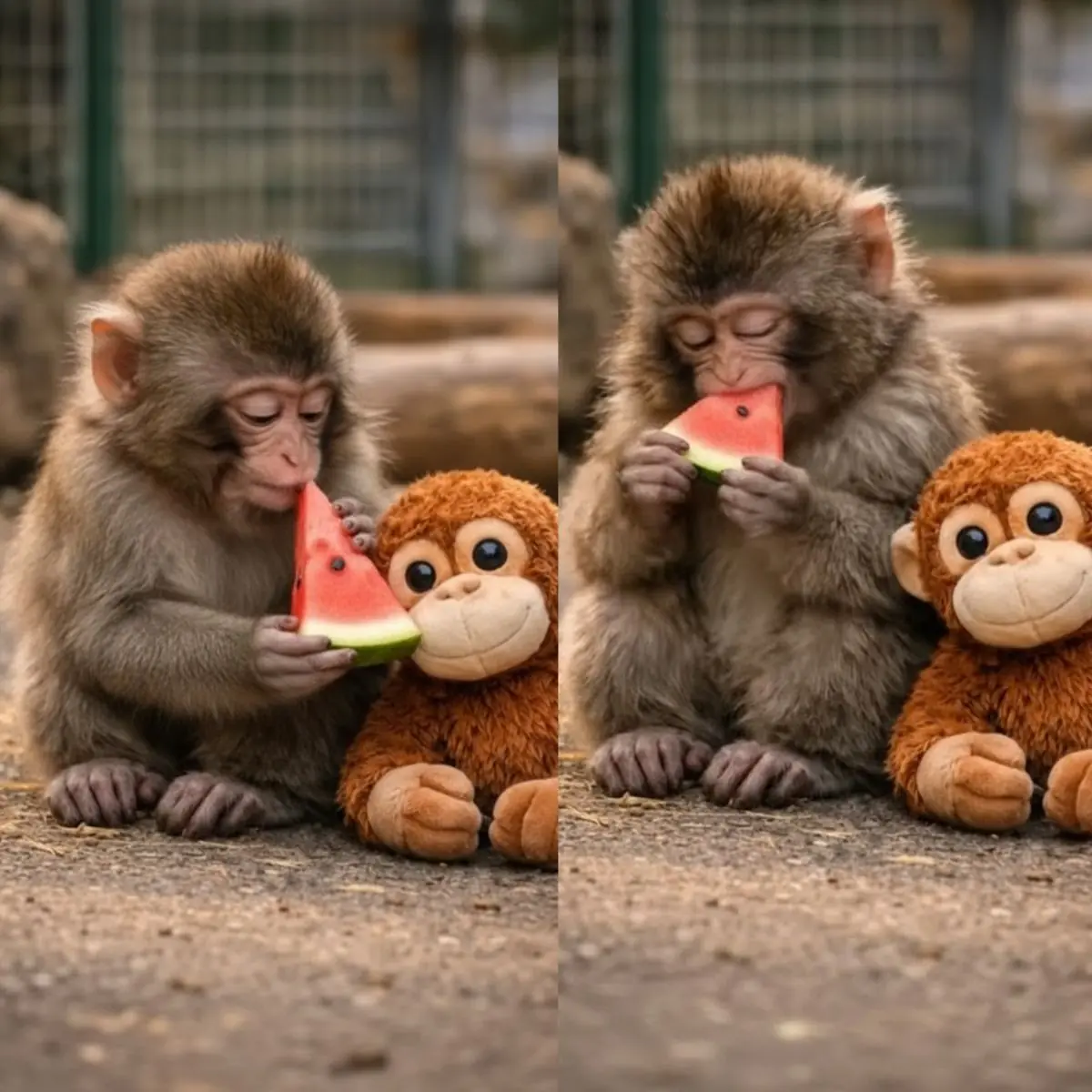
Across social media, one simple image continues to go viral:
A small Japanese macaque holding a bright red slice of watermelon.
It looks:
-
Refreshing
-
Playful
-
Almost human
But behind that moment—
👉 There is a complex interaction of biology, instinct, and social behavior.
This article explores what really happens when monkeys eat watermelon—from hydration and metabolism to emotional bonding.
🌿 1. WATERMELON AS A NATURAL “COOLING FOOD”
Watermelon is made up of approximately 92% water.
For monkeys living in:
-
Tropical environments
-
Hot summer conditions
-
Zoo enclosures with limited shade
👉 This becomes extremely valuable.
💧 Instant Hydration
When monkeys eat watermelon:
-
They rapidly absorb water
-
Body temperature stabilizes
-
Risk of dehydration decreases
👉 In many cases, watermelon acts like a natural electrolyte boost.
🧪 Rich in Nutrients
Watermelon contains:
-
Vitamin A → supports vision and immune health
-
Vitamin C → boosts immune response
-
Lycopene → protects cells from oxidative stress
-
Potassium → supports muscle and nerve function
👉 This combination makes watermelon more than just a snack.
It becomes:
👉 A functional food for primates.
🧠 2. WHAT HAPPENS INSIDE THE BODY?

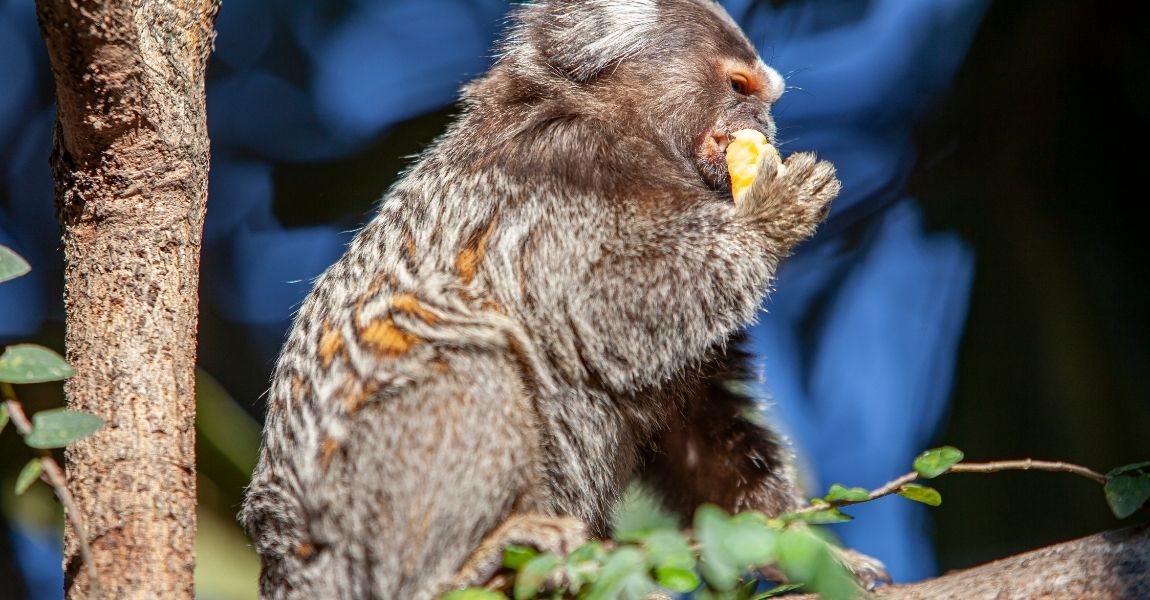

Monkeys, especially primates, have digestive systems similar to humans.
This means:
👉 They process natural sugars efficiently.
⚡ Fast Energy Release
Watermelon contains fructose, a natural sugar.
After consumption:
-
Blood glucose rises quickly
-
Energy levels increase
-
Activity often spikes
👉 This is why monkeys often become:
-
More playful
-
More active
-
More social
After eating fruit.
🌱 What About the Seeds?
Interestingly:
-
Monkeys often eat watermelon seeds
-
Seeds contain small amounts of protein and fat
However:
-
Many seeds pass through digestion
-
Acting as natural fiber
🎯 3. WHY DO MONKEYS LOVE WATERMELON?


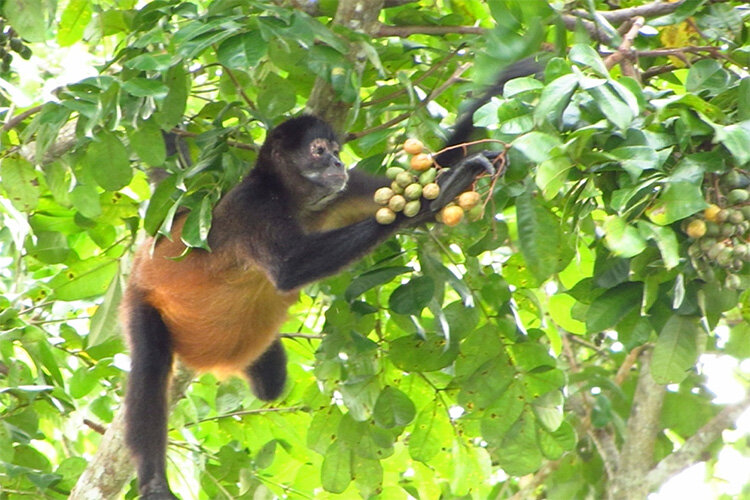
The attraction is not random.
It is rooted in evolution.
🎨 Visual Stimulation
The bright red color signals:
👉 Ripeness
👉 High sugar content
This triggers:
👉 Foraging instincts
👅 Taste Experience
Watermelon offers:
-
Sweetness
-
Soft texture
-
Cooling sensation
👉 This creates a multi-sensory reward experience.
🧩 4. BEHAVIORAL INSIGHT: MORE THAN JUST EATING
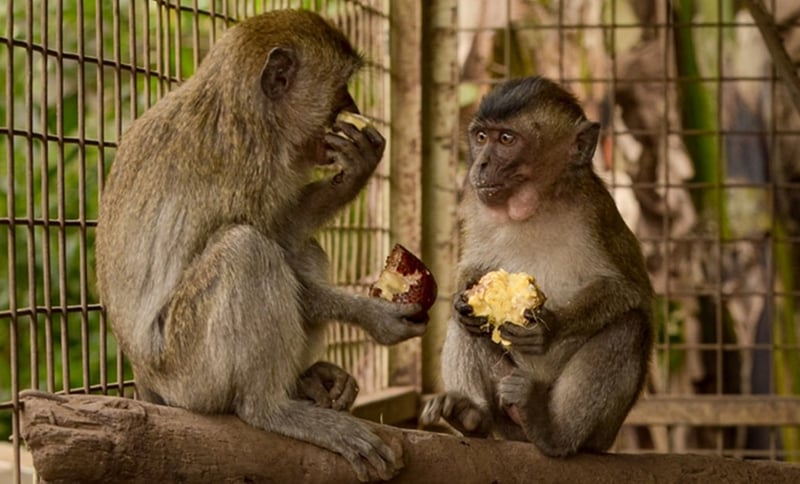
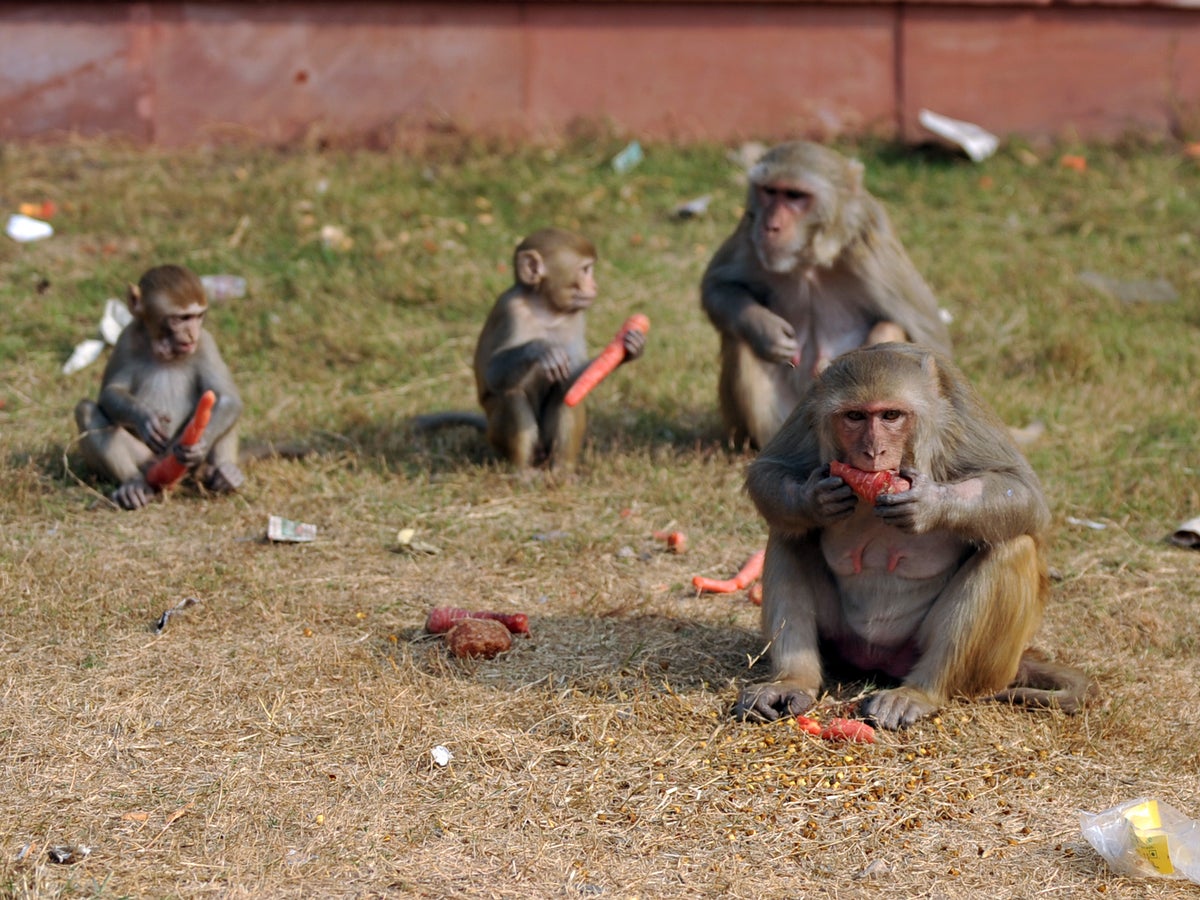
Eating, for monkeys, is not only about survival.
It is also about:
👉 Social interaction
🤝 Food Sharing Behavior
In some cases, monkeys:
-
Share fruit
-
Feed others
-
Allow proximity during eating
👉 This signals:
-
Trust
-
Bonding
-
Emotional connection
💬 Case Insight: Punchy
For monkeys like Punchy:
-
Feeding moments are deeply emotional
-
Linked to early survival experiences
👉 Sharing food may represent:
-
Security
-
Attachment
-
Social learning
⚠️ 5. IMPORTANT CONSIDERATIONS FOR CARETAKERS


Despite its benefits, watermelon must be managed carefully.
🚫 Sugar Control
Too much watermelon can cause:
-
Digestive upset
-
Blood sugar spikes
🧼 Hygiene Matters
Watermelon juice can:
-
Stick to fur
-
Attract insects
-
Create bacterial risk
🍃 Safe Consumption
-
Avoid pesticide-contaminated rind
-
Limit portion sizes
-
Balance with natural diet (leaves, insects, seeds)
🌍 6. A SYMBOL OF SIMPLE JOY

At the end of the day—
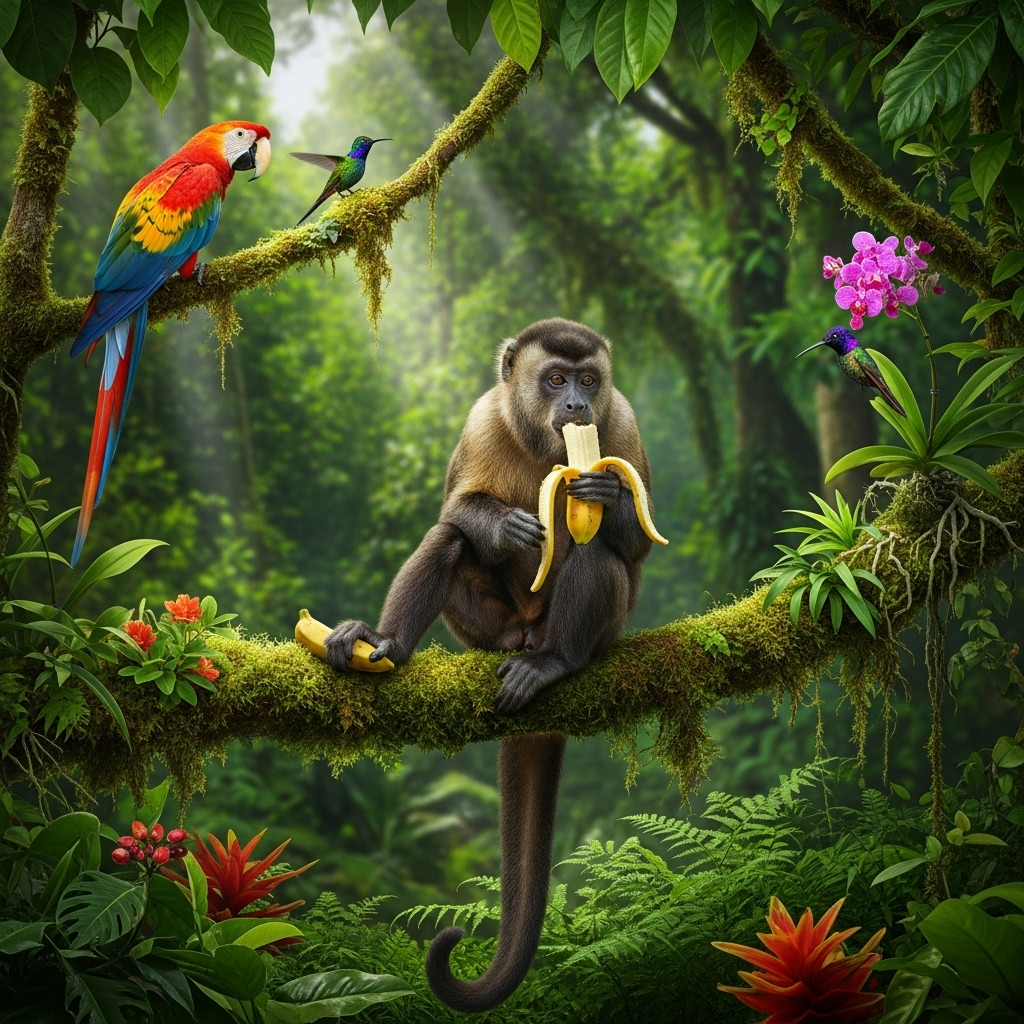
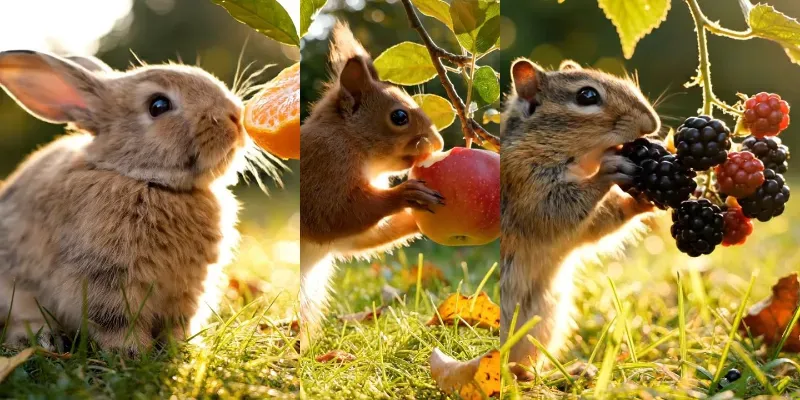
The image of a monkey eating watermelon represents something deeper.
It reminds us:
-
Life doesn’t always need complexity
-
Joy can exist in simple moments
-
Even survival can include pleasure
For Punchy and others—
👉 That slice of watermelon is not just food
👉 It is a moment of peace
💬 FINAL MESSAGE
Watermelon is more than a fruit for monkeys.
It is:
-
Hydration
-
Energy
-
Sensory experience
-
Social connection
And sometimes—
👉 It becomes a small but powerful symbol of life itself.
❓ A QUESTION FOR YOU
When you see a monkey enjoying watermelon—
Do you see:
👉 Just a cute moment?
Or—
👉 A glimpse into a complex emotional and biological world?
❤️ FINAL THOUGHT
The simplest behaviors often carry the deepest meaning.
A monkey.
A slice of watermelon.
And a moment—
👉 That tells a much bigger story.