Why Punchy Always Curls Up While Eating: The Hidden Survival Instinct Behind the Cutest Habit
At first glance, it looks harmless.
Even adorable.
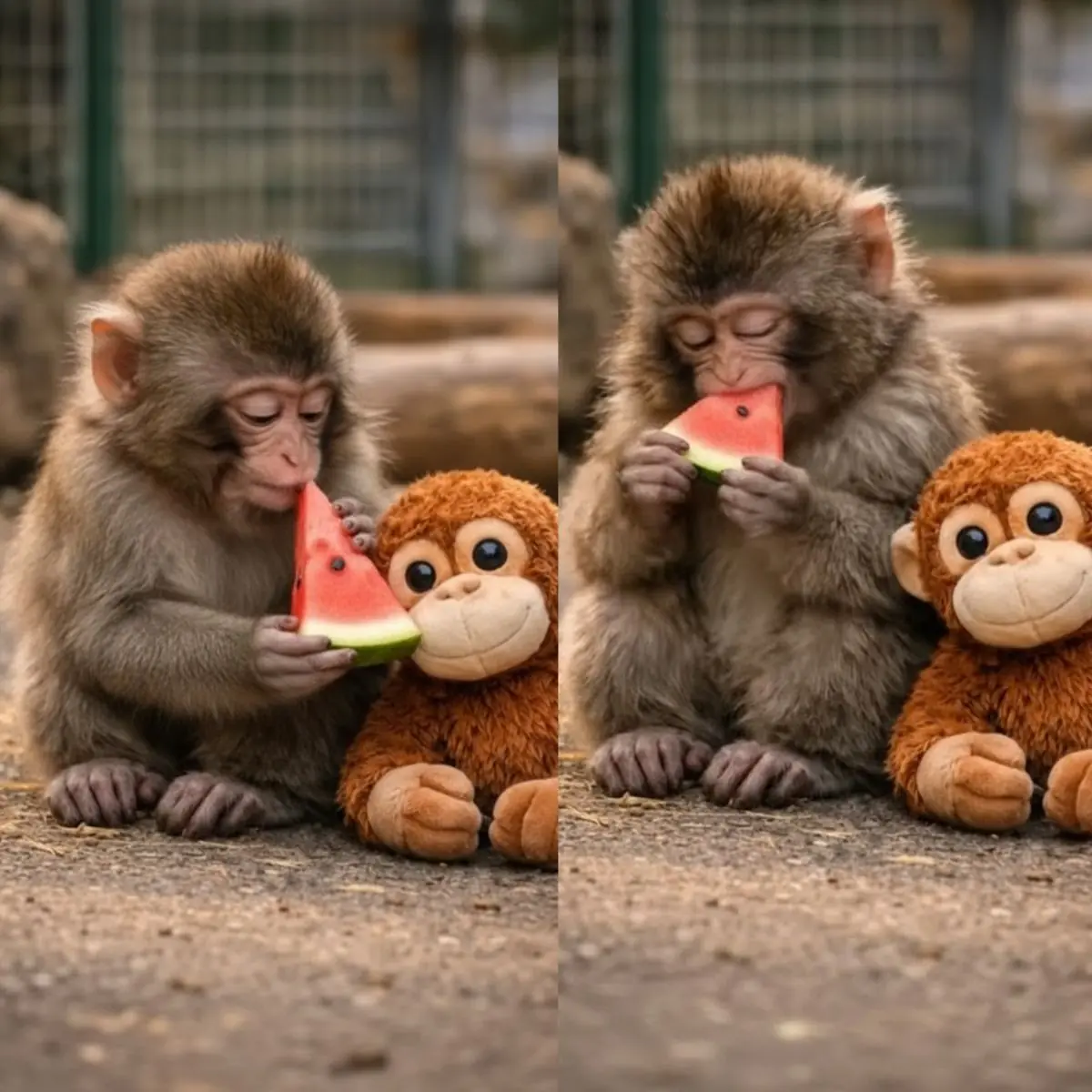
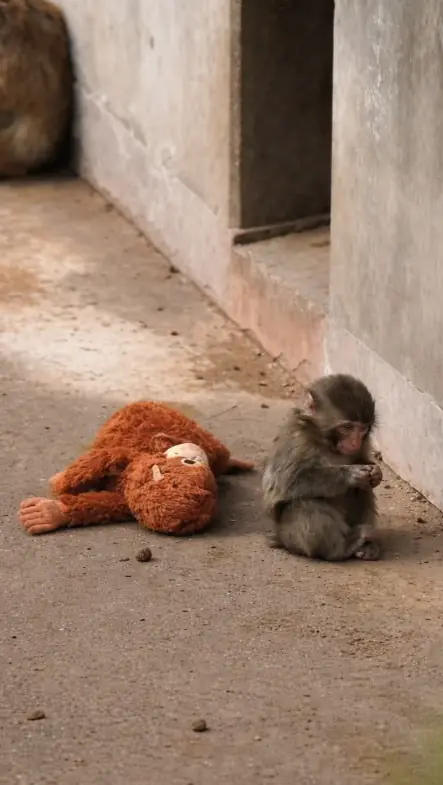
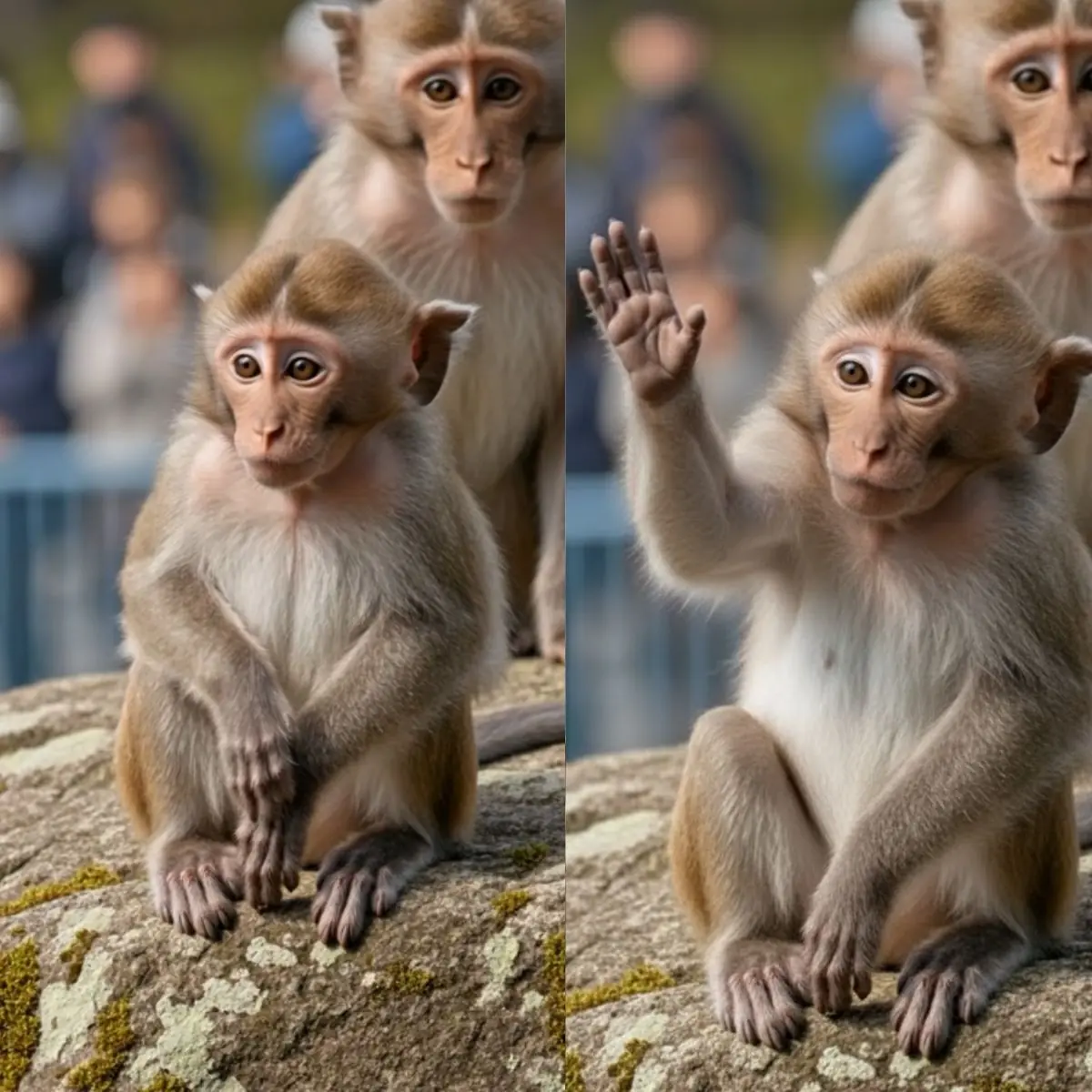
A small Japanese macaque named Punchy sits quietly in a corner, holding his food tightly, curling his body into a small, protective shape.
No rushing.
No fighting.
No chaos.
Just… stillness.
But what seems like a peaceful habit—
👉 May actually be a memory of survival.
🌿 1. A STRANGE SILENCE IN A NOISY WORLD

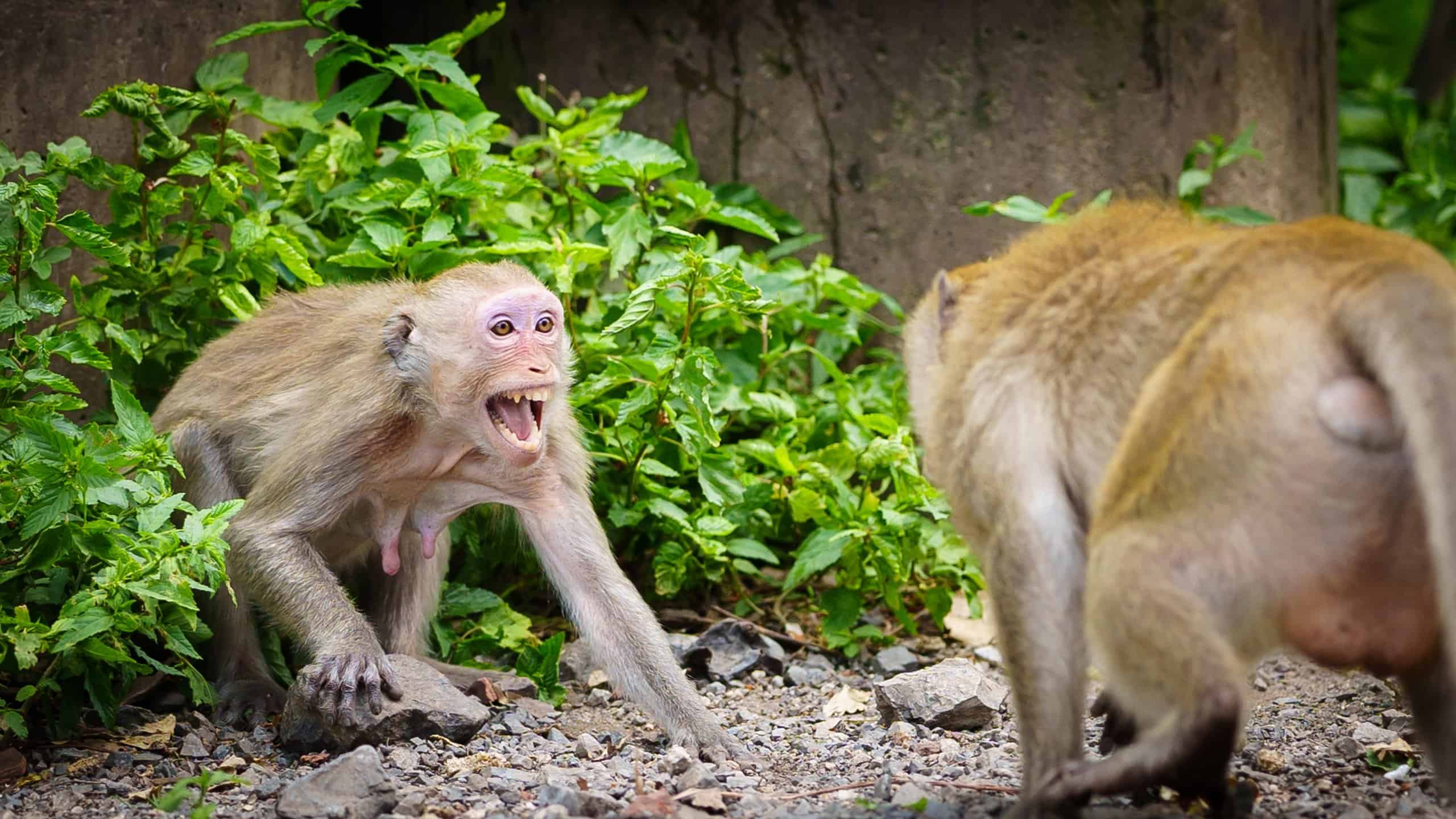

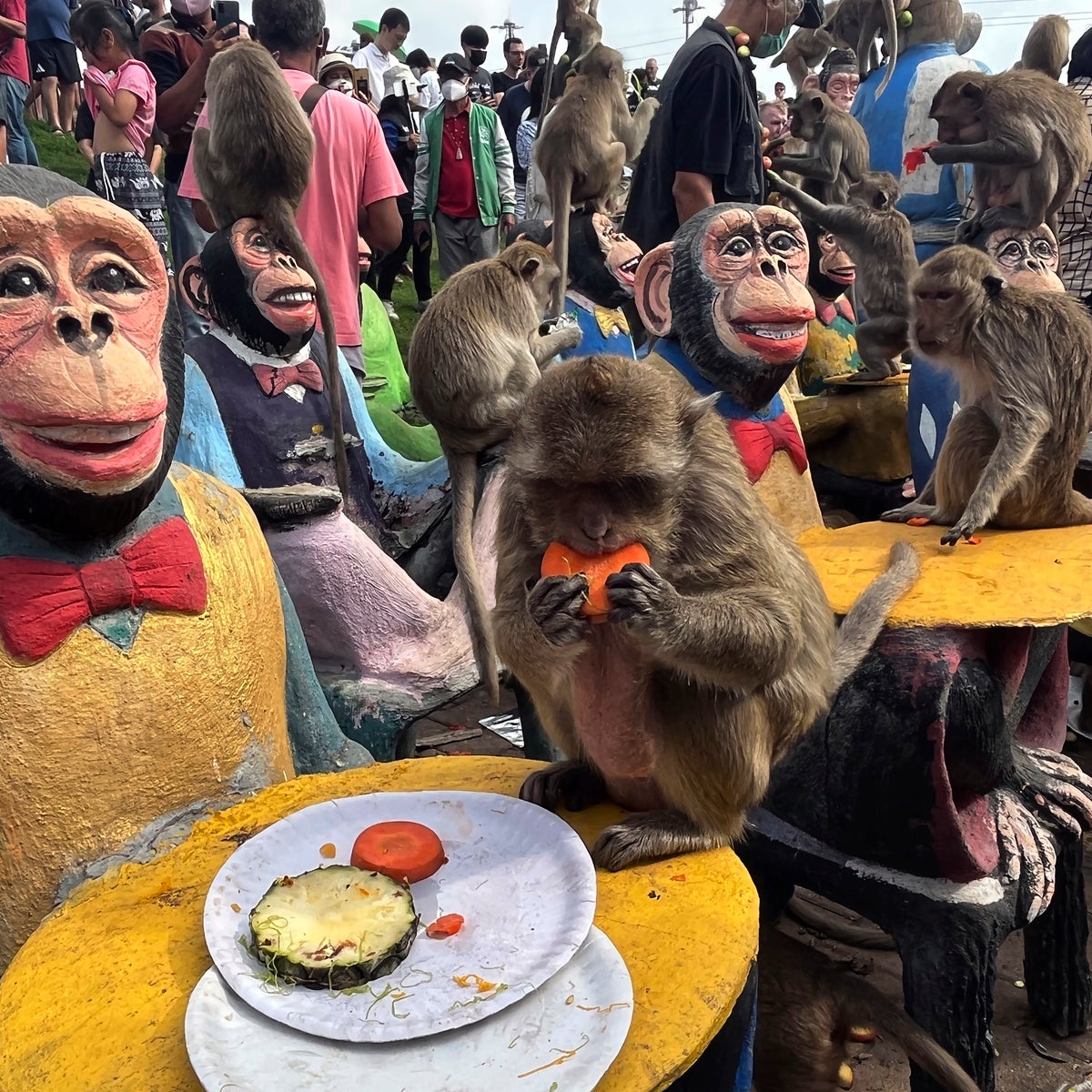
In the natural world, feeding time is rarely calm.
Among monkeys, especially macaques:
-
Food is limited
-
Competition is intense
-
Hierarchy determines access
The typical scene includes:
-
Loud vocalizations
-
Quick movements
-
Aggressive competition
And yet—
👉 Punchy does none of that.
Instead:
-
He isolates himself
-
He minimizes movement
-
He focuses only on eating
This behavior stands out.
Not because it is wrong—
👉 But because it is different.
🧠 2. A PSYCHOLOGICAL RESPONSE, NOT JUST A HABIT


To understand Punchy, we must go back to his earliest days.
He did not grow up like other monkeys.
-
No mother
-
No protection from the group
-
No natural learning environment
Instead, his early life was shaped by:
-
Human intervention
-
Artificial feeding
-
Constant monitoring
🔍 What does this do to the brain?
For a young primate, feeding becomes more than nutrition.
It becomes:
👉 A signal of survival
When Punchy was fed as an infant:
-
It meant he would live
-
It meant he was safe
-
It meant someone was there
So now—
👉 Eating is not just eating
👉 It is reassurance
🛡️ 3. WHY DOES HE CURL UP?


The curled position is one of the most basic defensive postures in animals.
It serves several purposes:
-
Protect vital organs
-
Reduce visible size
-
Limit exposure to threats
But in Punchy’s case—
👉 It may also be emotional.
🧠 Memory + Body = Behavior
His body remembers:
-
Vulnerability
-
Exposure
-
Lack of protection
So during eating—
👉 He recreates safety
By:
-
Making himself smaller
-
Holding food tightly
-
Avoiding interaction
This is not fear in the moment.
👉 It is memory expressed through behavior.
🍎 4. EVERY MEAL IS A QUIET STATEMENT


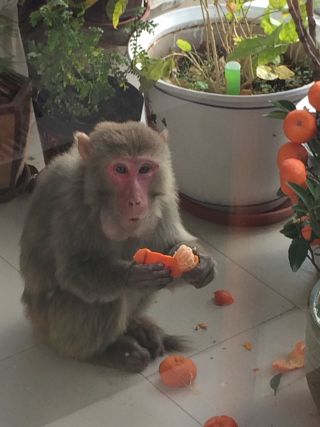
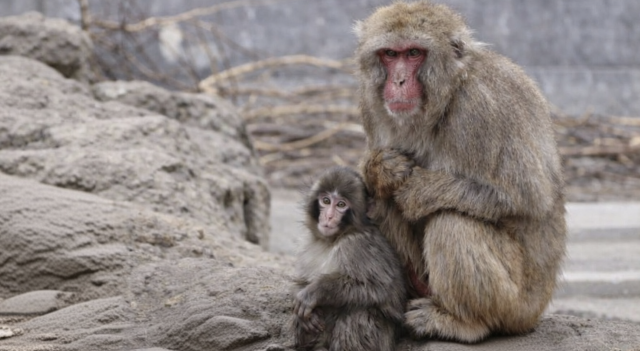
There is something striking about the way Punchy eats.
He doesn’t rush.
He doesn’t waste.
He doesn’t fight.
He focuses.
Completely.
This level of attention suggests something deeper:
👉 Awareness
For Punchy:
Eating may represent:
-
Stability
-
Continuity
-
Life itself
Every bite is not just consumption.
👉 It is confirmation:
“I’m still here.”
⚔️ 5. THE SURVIVOR BEHIND THE CUTENESS


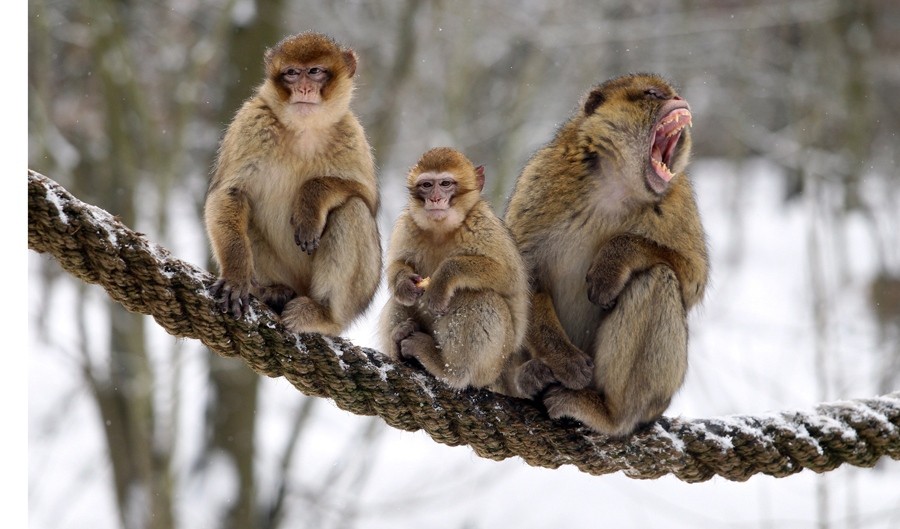
It’s easy to call Punchy “cute.”
But that word hides something important.
Punchy is not just cute.
👉 He is resilient.
Behind every quiet meal is:
-
A past of instability
-
A period of dependency
-
A struggle for survival
What we see as calm—
👉 May be discipline shaped by experience
What we see as “adorable”—
👉 May be adaptation
🌍 6. THE HUMAN CONNECTION
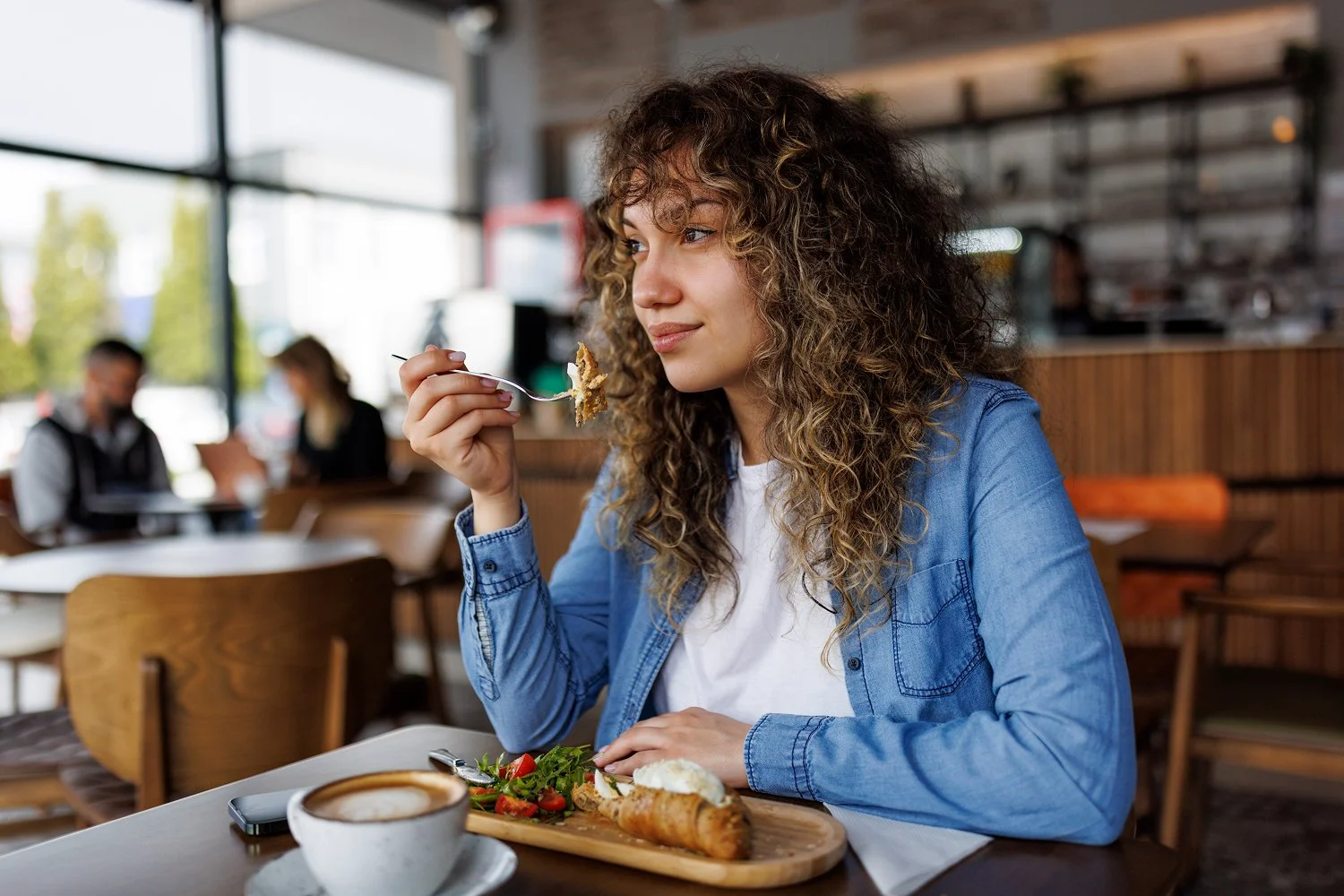

Punchy’s behavior resonates because it mirrors something human.
Many people:
-
Eat alone
-
Seek quiet spaces
-
Protect their personal comfort
Not because they want isolation—
👉 But because they need safety
We all have moments where we:
-
Withdraw
-
Focus inward
-
Hold onto something small
Punchy simply shows it more clearly.
💬 THE MESSAGE
Punchy’s habit is not just a behavior.
It is a story.
A story about:
-
Survival
-
Adaptation
-
Emotional memory
And most importantly—
👉 The body remembers what the mind cannot explain
❓ A QUESTION FOR YOU
When you see Punchy curled up like that—
Do you still see something “cute”?
Or—
👉 Do you see a small being protecting his peace?
❤️ FINAL THOUGHT
Sometimes, the quietest behaviors carry the loudest stories.
Punchy doesn’t make noise.
He doesn’t fight.
He doesn’t demand attention.
He simply:
👉 Holds his food
👉 Curls into himself
👉 And eats in peace
And maybe—
👉 That is his way of saying:
“I survived.”