Why Does Punch Sleep Hugging His Plush? The Deep Psychology Behind It
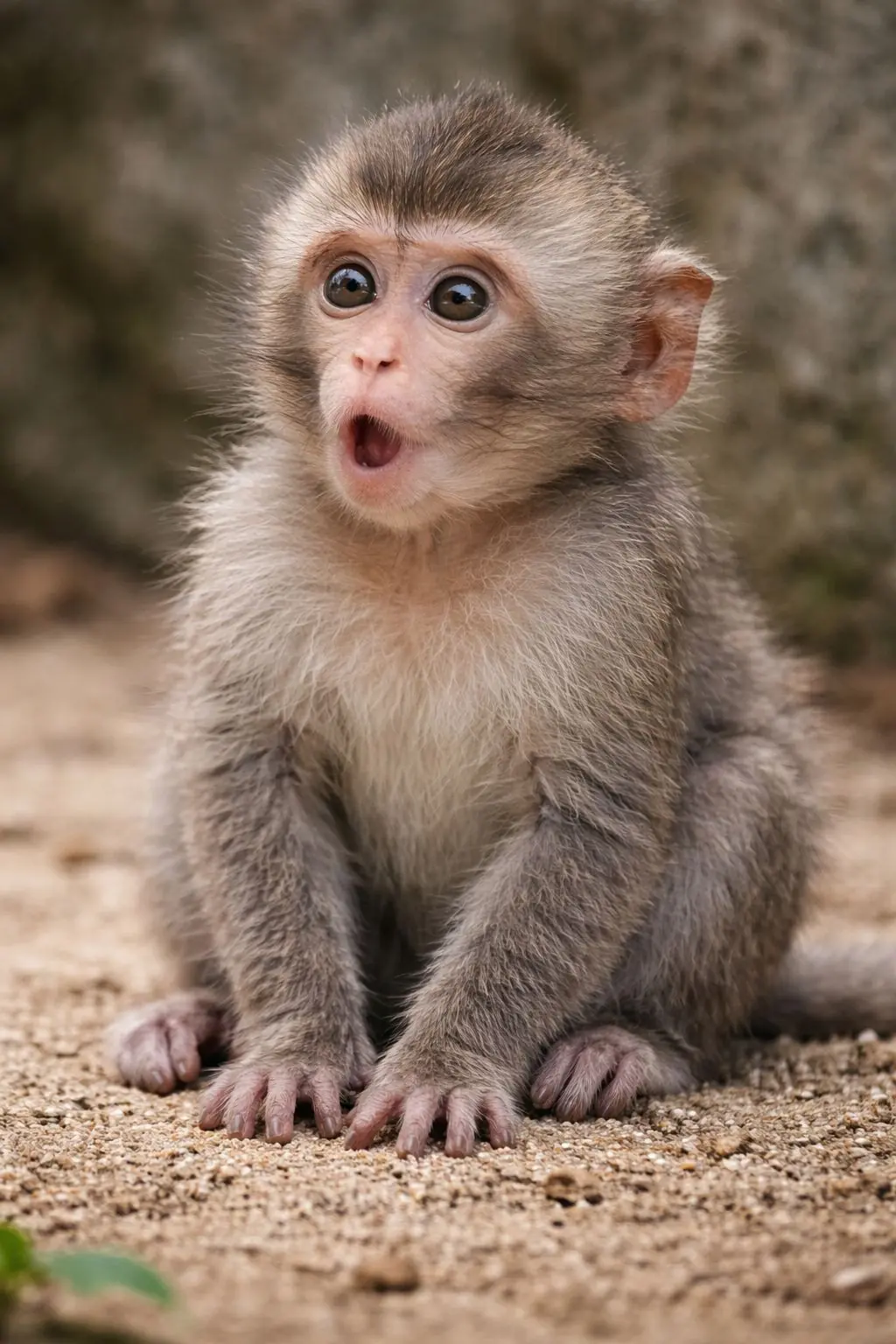
Why Punch Hugs His Plush to Sleep: A Deep Look Into Primate Emotion and Attachment


At first glance, it looks like a simple, even adorable habit.
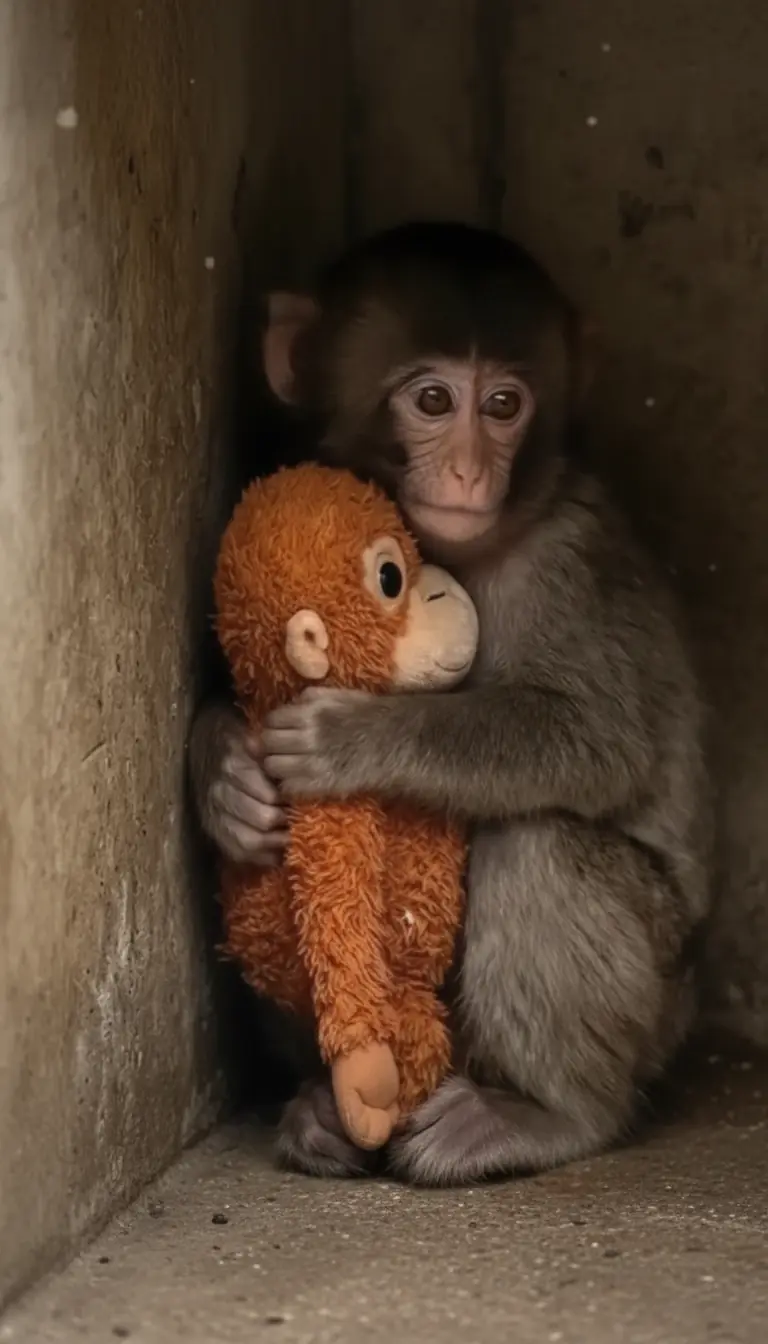
A small monkey curls up, holding a plush toy tightly as he falls asleep.
But for Punch the monkey, this behavior is not random.
It is the result of early experience, biological instinct, and emotional adaptation.
1. Early Separation and the Loss of Maternal Contact


In primates, the mother plays a critical role immediately after birth:
-
Providing warmth
-
Offering constant physical contact
-
Regulating the infant’s emotional state
Punch, however, was separated from his mother at a very early stage.
This created a gap in development:
-
Lack of continuous contact
-
Reduced tactile comfort
-
Increased need for alternative sources of security
The system that expects closeness does not disappear—it searches for replacement.
2. The Biological Need for Safety During Sleep


Sleep is one of the most vulnerable states for any animal.
For infant primates:
-
Physical contact reduces stress
-
Body warmth stabilizes physiology
-
Touch signals safety
This is why baby monkeys naturally cling to their mothers while resting.
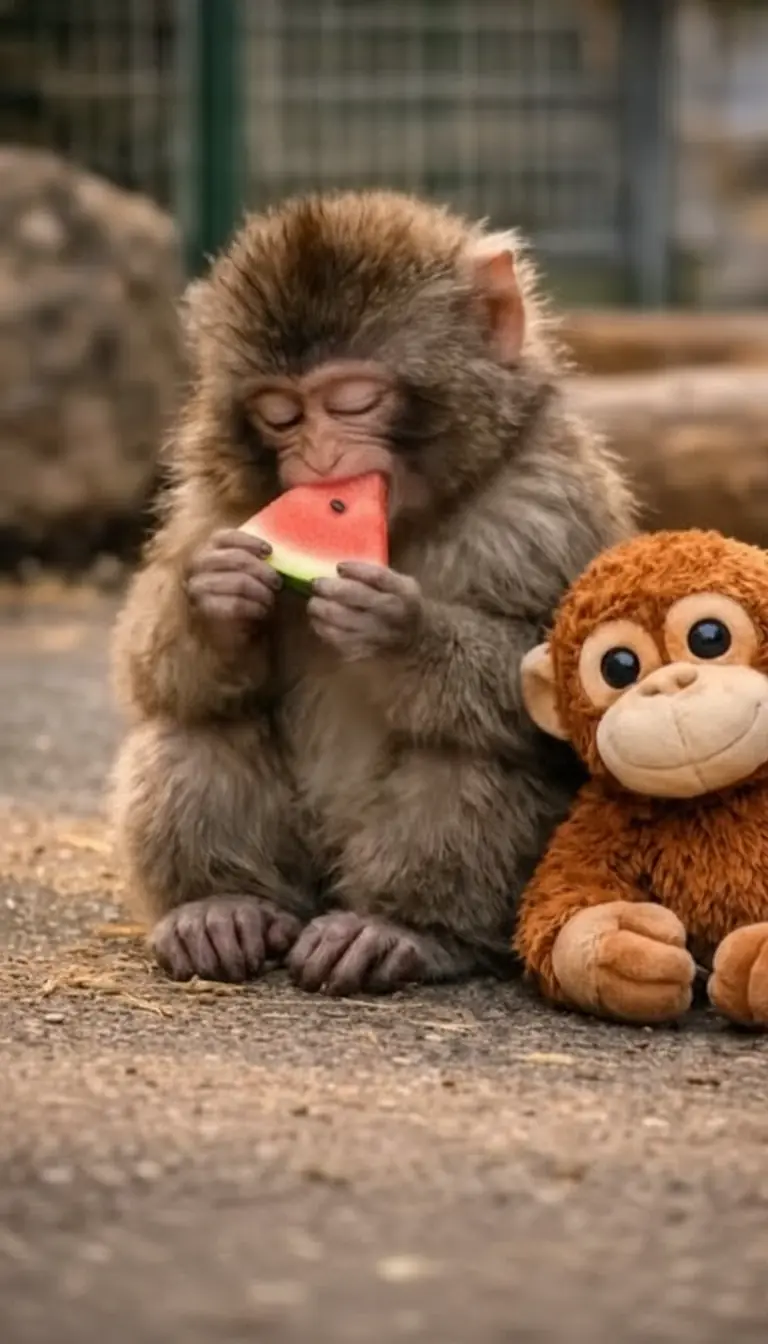
In Punch’s case, the plush object fulfills this function.
It provides:
-
A surface to hold
-
A sense of presence
-
A consistent point of contact
3. Formation of a Comfort Habit


During early development, repeated experiences shape long-term behavior.
Punch was:
-
Cared for by humans instead of his mother
-
Given a plush object for comfort
-
Exposed consistently to soft, stable contact
Over time, this created a behavioral pattern:
-
Holding the plush becomes associated with safety
-
Safety becomes associated with rest
-
Rest becomes linked to the presence of that object
This is how a temporary solution becomes a stable emotional habit.
4. The Plush as a “Safe Place”


Unlike living beings, the plush object has specific characteristics:
-
It does not move unexpectedly
-
It does not reject or leave
-
It remains constant
For Punch, this consistency is critical.
The plush becomes:
-
A predictable presence
-
A non-threatening companion
-
A stable emotional anchor
It is not alive—but it is reliable.
5. Instinct, Adaptation, and Emotional Meaning


It is important to understand this behavior correctly.
Punch is not consciously “choosing” the plush in a human emotional sense.
However, his behavior reflects:
-
Instinctive attachment systems
-
Learned associations
-
Emotional regulation strategies
This creates a layered response:
Instinct + experience = meaningful behavior
Conclusion
Punch hugging his plush to sleep is not just a habit.
It represents:
-
A response to early separation
-
A biological need for contact
-
A learned pattern of comfort
-
A stable source of emotional regulation
What appears simple is actually deeply rooted in how primates adapt to their environment.
Final Reflection
Sometimes, what we hold onto is not about what it is—
but about what it represents.
Stability.
Safety.
Presence.
Punch does not hold the plush because it is perfect.
He holds it because it has always been there.
💬 If you were in Punch’s place, what would you choose—
something that always stays, or something real that might one day leave?