Why Punch Looks Like a Curious Baby: The Science Behind It
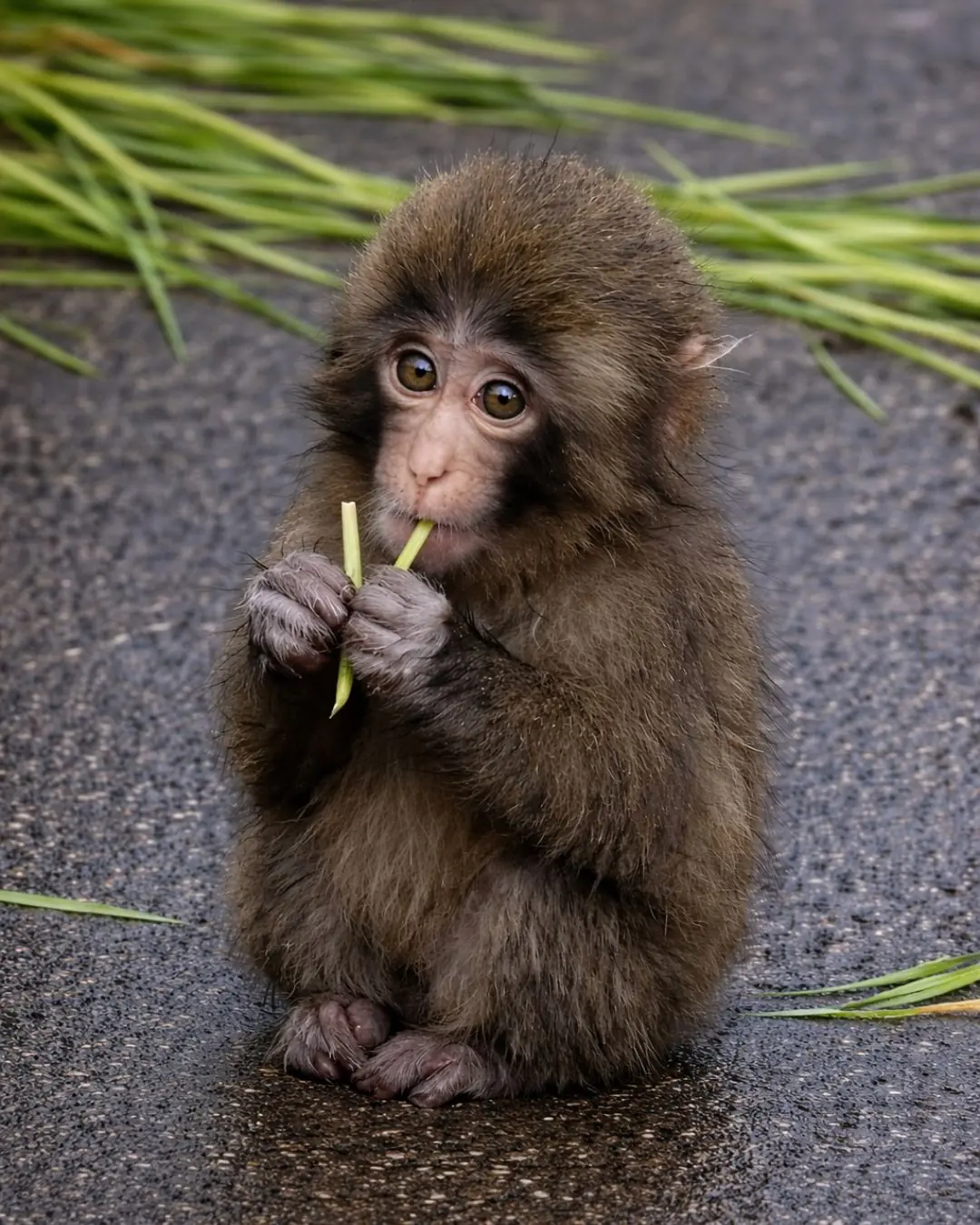
He Looks Like a Little Baby: Does Punch Feel Curiosity Like Humans?


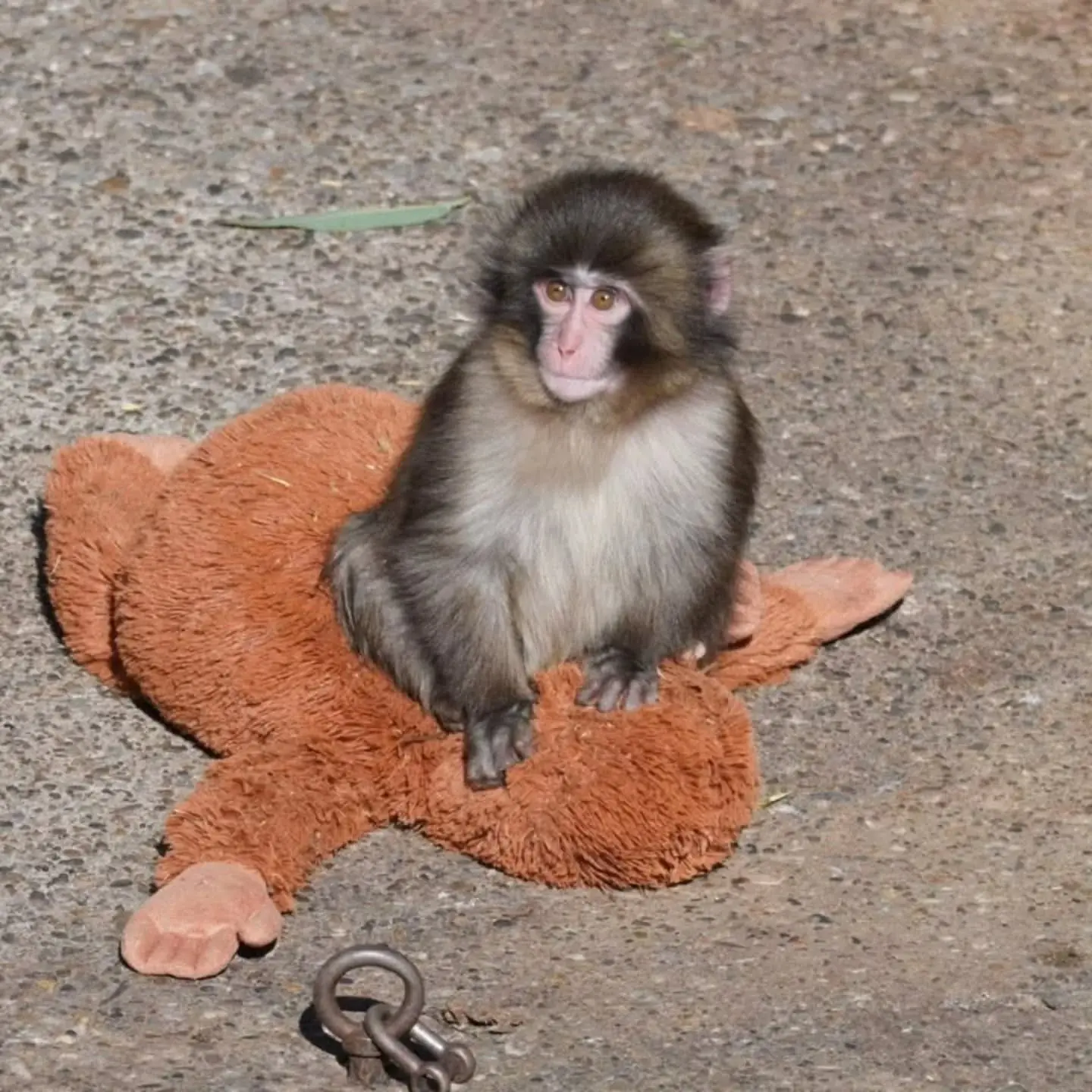
There is something undeniably powerful about this moment.
A small body sitting still.
Hands placed gently.
Eyes wide open—observing, absorbing, quietly present.
For Punch the monkey, this is not just a passive state.
It reflects a fundamental cognitive process: curiosity.
1. Curiosity Exists in Primates—But Not Identically to Humans


Yes—monkeys do experience curiosity.
In behavioral science, curiosity is defined as:
-
Attention toward new stimuli
-
Exploration of the environment
-
Motivation to gather information
Primates, especially species like macaques, show strong signs of:
-
Visual exploration
-
Object manipulation
-
Environmental awareness
However, their curiosity is:
-
More immediate
-
Less abstract
-
Driven by survival and learning
Unlike humans, they do not question “why” in a conceptual sense—
but they are constantly learning through observation.
2. The “Wide-Eyed” Look: A Biological Signal


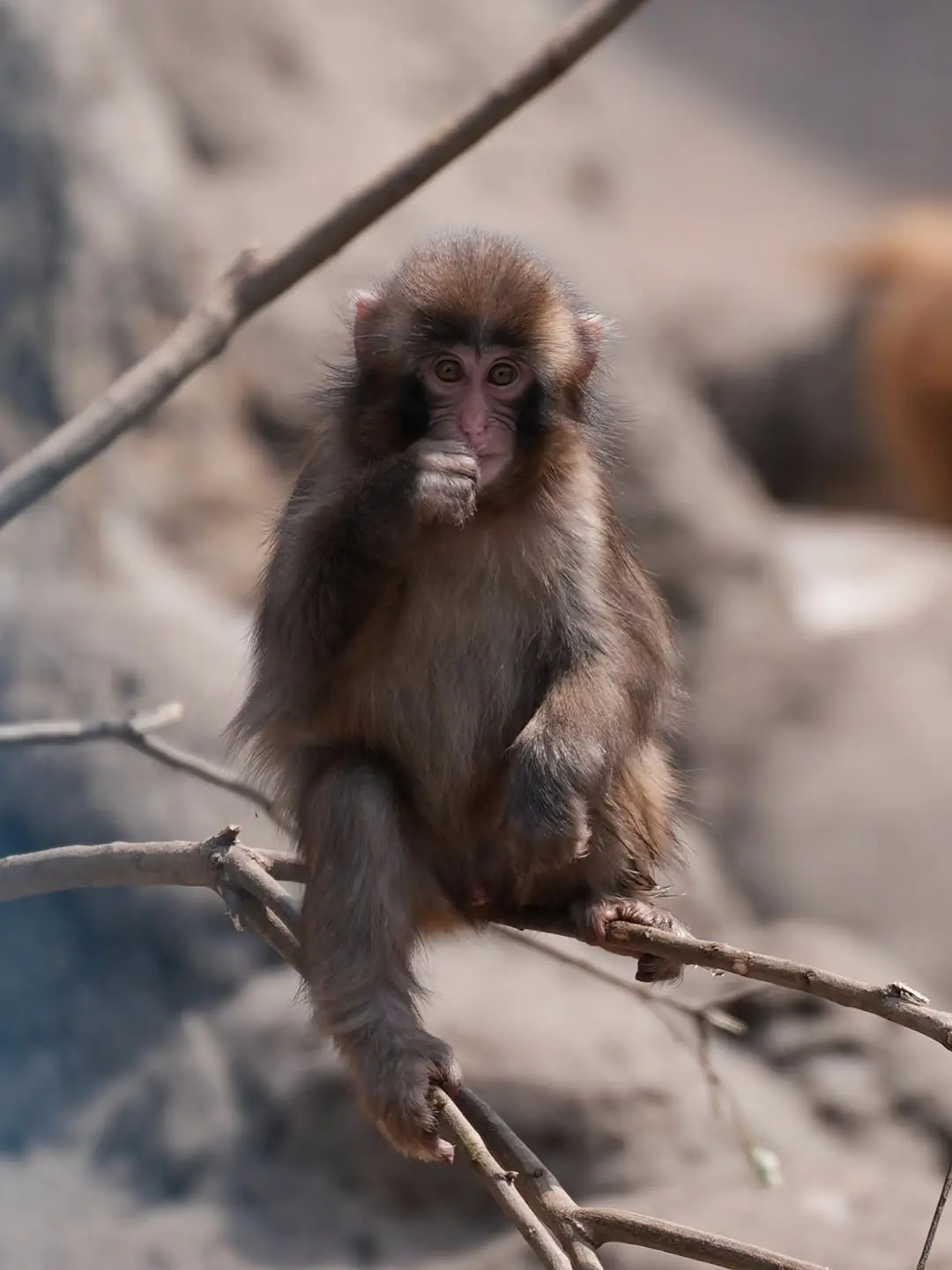
Punch’s expression—wide eyes, still posture—signals:
-
Heightened attention
-
Sensory processing
-
Cognitive engagement
This is a state where the brain is:
-
Taking in information
-
Evaluating surroundings
-
Learning without immediate action
To humans, it appears “innocent.”
Scientifically, it is a focused observational state.
3. Why He Feels Like a Human Baby


Punch feels like a human child because of shared traits:
-
Similar facial structure (forward-facing eyes)
-
Expressive gaze
-
Gentle, non-threatening posture
Humans are naturally wired to respond to these features.
This creates the perception of:
-
Innocence
-
Purity
-
Emotional depth
Even though his internal experience is different,
the external signals align closely with human infants.
4. Curiosity as a Tool for Survival


For animals, curiosity is not just a trait—it is a necessity.
Through observation, they learn:
-
What is safe
-
What is dangerous
-
Where resources are
Punch sitting quietly and watching is part of this process.
It allows him to:
-
Reduce risk
-
Build understanding
-
Adapt to his environment
5. Feeling vs Understanding


The key difference between humans and monkeys lies here:
-
Humans: curiosity + abstract thinking
-
Monkeys: curiosity + instinctive learning
Punch does not reflect on curiosity as a concept.
But he feels the drive to observe, explore, and learn.
This makes his curiosity:
-
Real
-
Immediate
-
Emotionally simple, but effective
Conclusion
Punch’s quiet, wide-eyed moment is not emptiness.
It is:
-
Attention
-
Curiosity
-
Learning in progress
He may not question the world the way humans do,
but he is still deeply engaged with it.
Final Reflection
Sometimes, curiosity does not need questions.
It exists in stillness—
in watching,
in noticing,
in simply being present.
💬 Do you think animal curiosity feels simpler… or more pure than ours?