Why Punchy Shares Food With a Toy: The Hidden Psychology Behind It
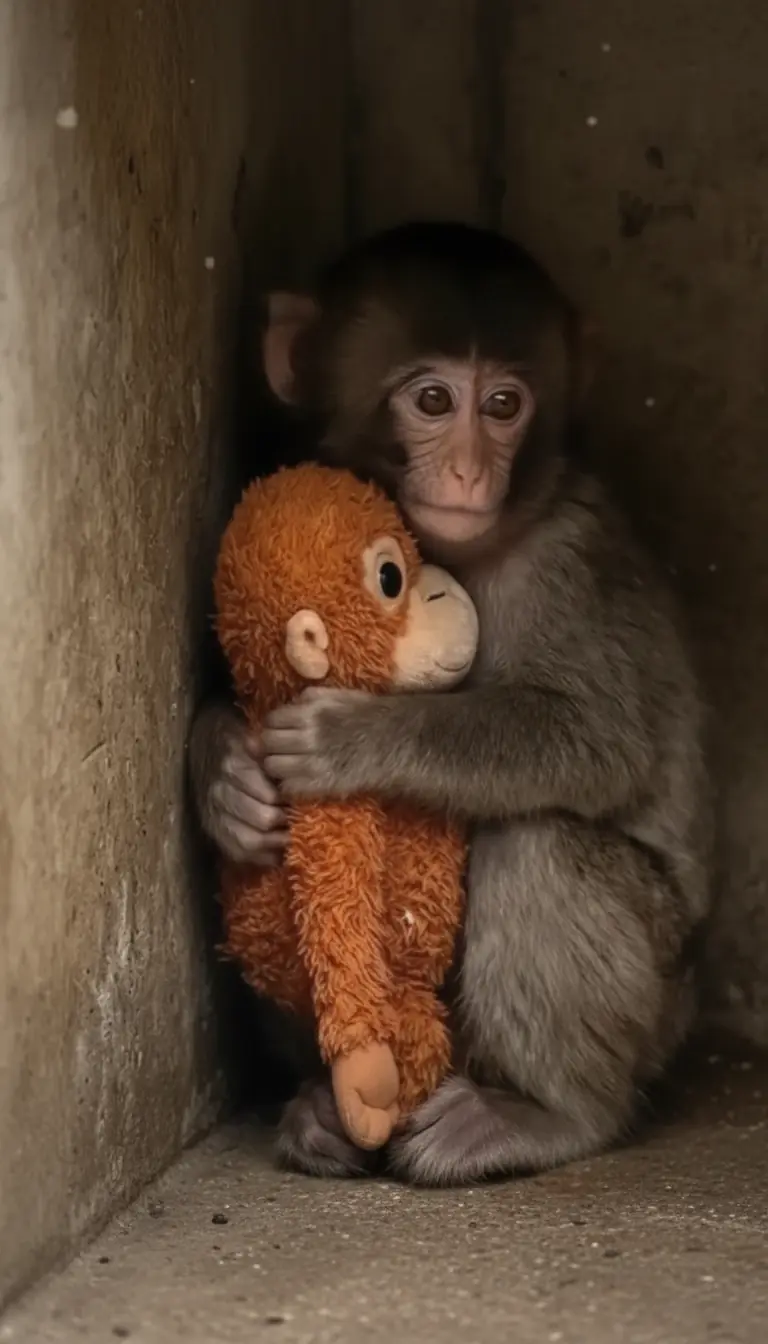
Punchy Bringing Food to His Plush: A Simple Act With Deep Psychological Meaning


At first glance, the scene appears simple—even easy to dismiss.
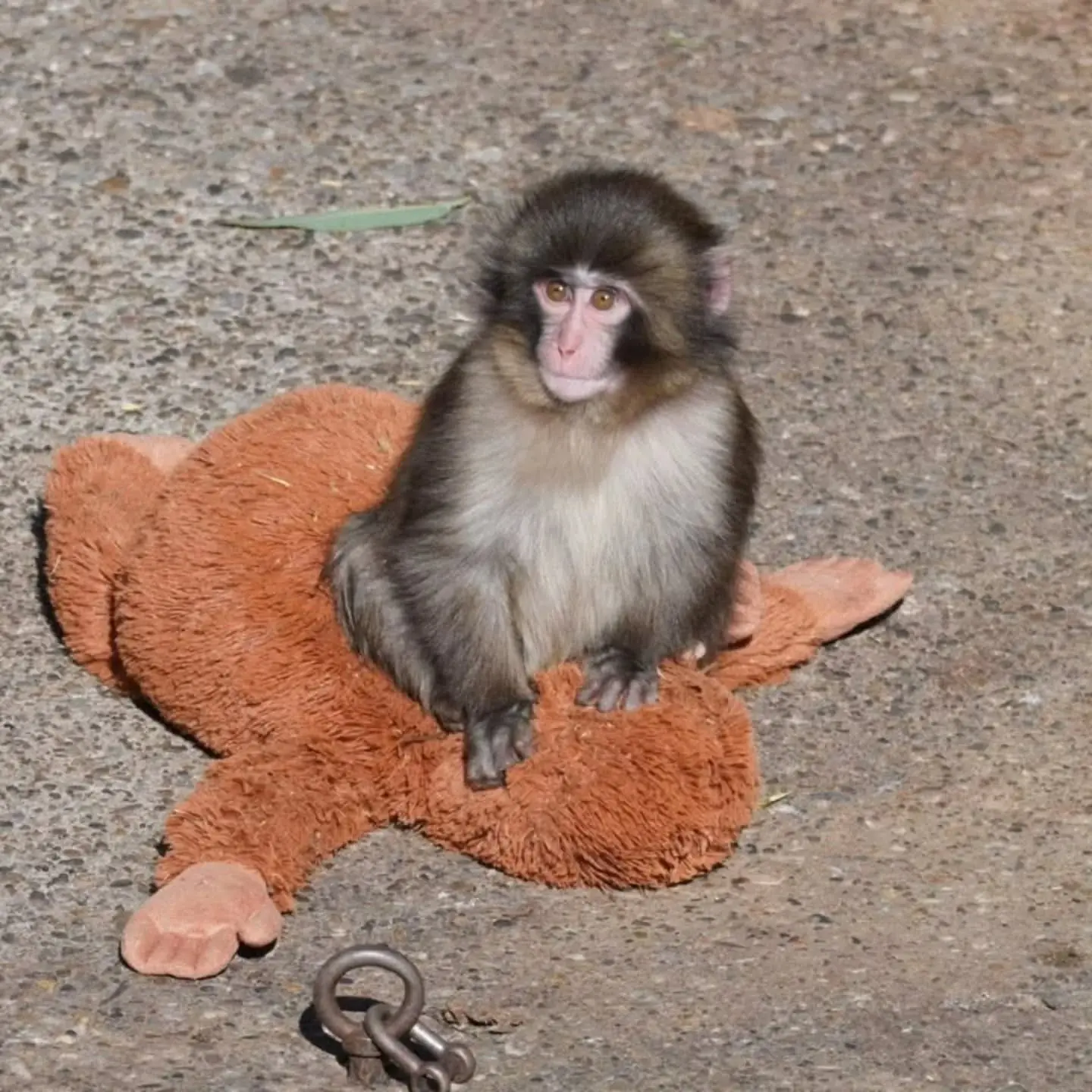
A small monkey picks up food, walks toward a plush toy, and places it in front of it. No reaction follows. No movement. No response.
To many viewers, it may look like a random or even artificial moment. But when examined through the lens of behavioral science, this action reflects something real—something rooted in attachment, memory, and emotional adaptation.
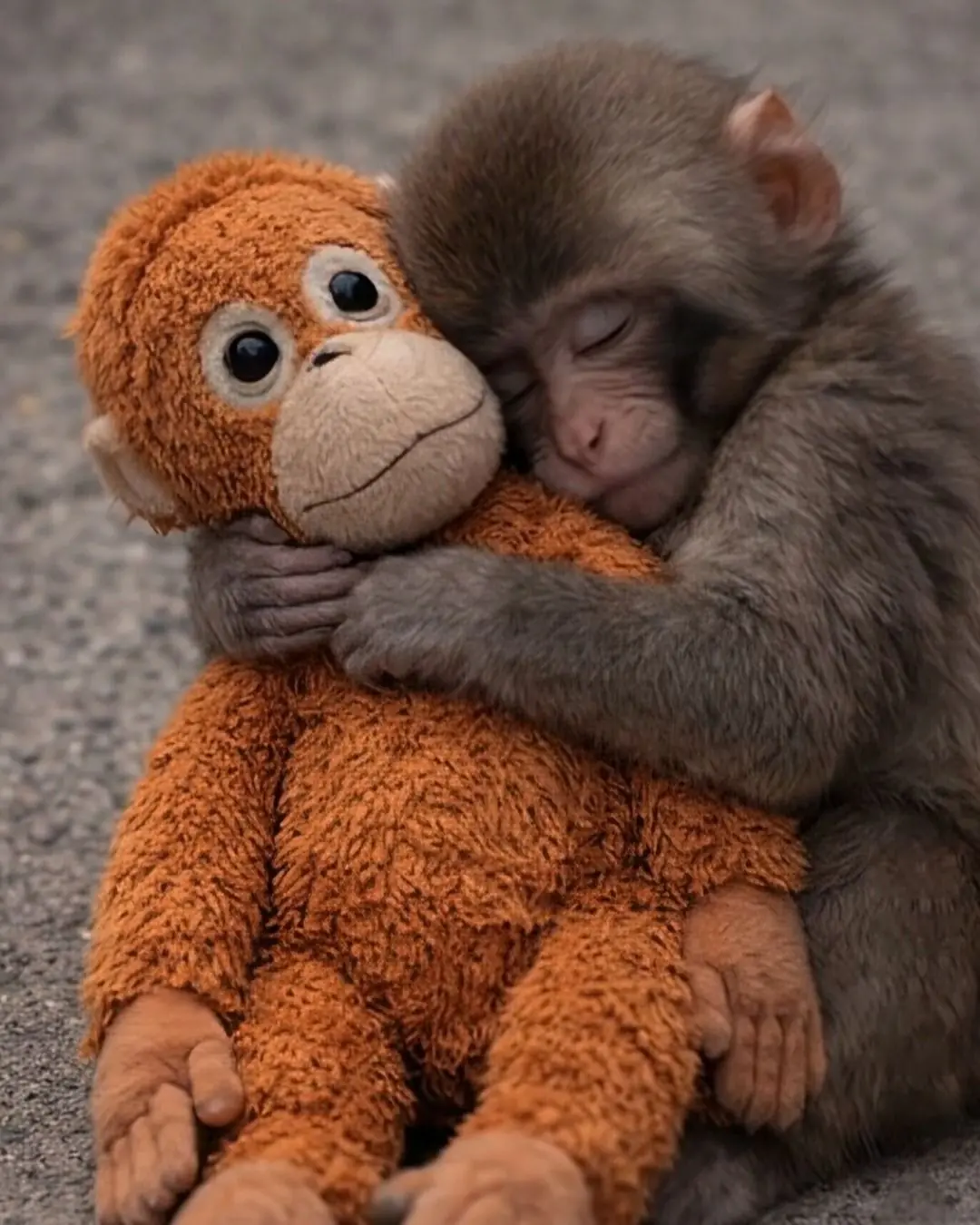
For Punch the monkey, this is not about feeding an object. It is about interacting with something that represents safety.
1. When Objects Become “Social” in the Mind


In early development, especially in primates, the brain is highly sensitive to patterns of comfort and presence.
When an object is consistently associated with safety, warmth, or reduced stress, it can begin to take on a social role in the mind of the individual.
This does not mean Punchy believes the plush is alive.
It means:
-
The object is linked to positive emotional states
-
The brain treats it as part of a “safe environment”
-
Interaction with it follows patterns similar to social behavior
Over time, the plush becomes more than an object—it becomes a recognized presence.
2. The Psychology of Sharing Without Expectation


In primates, food sharing typically serves clear purposes:
-
Strengthening bonds
-
Establishing trust
-
Creating social alliances
However, these behaviors are usually directed toward individuals who can respond.
Punchy’s behavior is different.
He offers food to something that cannot:
-
React
-
Return the gesture
-
Provide any benefit
This suggests the action is not driven by strategy, but by internal association.
He is not sharing because he expects something back.
He is sharing because the object is already part of his emotional framework.
3. Attachment Is Not Always About Reality


Attachment does not require the other side to be conscious.
It requires:
-
Consistency
-
Familiarity
-
Positive association
For Punchy, the plush represents:
-
Stability in early life
-
A constant presence during stress
-
A source of comfort that never disappears
Because of this, his behavior toward the plush follows the same pattern as behavior toward a trusted individual.
Not because it is alive—
but because it feels meaningful.
4. Early Experience Shapes Emotional Behavior


Punchy’s early life plays a crucial role in this behavior.
When natural bonding is disrupted, the brain adapts:
-
It redirects attachment to available sources
-
It strengthens associations with consistent stimuli
-
It builds new patterns of emotional regulation
In this context, the plush becomes a functional substitute, not by design—but by necessity.
5. Why This Moment Feels Deeply Emotional to Humans


Humans interpret this moment as emotional because it contains elements we recognize:
-
Giving without expectation
-
Caring without response
-
Acting gently toward something valued
These are behaviors we associate with:
-
Love
-
Loyalty
-
Emotional connection
While Punchy does not conceptualize these ideas, the structure of his behavior mirrors them closely enough to feel deeply meaningful.
Conclusion
Punchy bringing food to his plush is not a random or superficial act.
It reflects:
-
The extension of attachment beyond living beings
-
The influence of early experience on behavior
-
The brain’s ability to assign meaning to consistent sources of comfort
It is a reminder that connection is not always defined by reality,
but by how something makes us feel.
Final Reflection
Sometimes, what we care about does not make sense to others.
It may not respond.
It may not be “real” in a conventional way.
But if it brings safety, stability, and comfort—
it becomes real in the only way that matters.
Have you ever cared deeply about something others didn’t understand?