Why Does Punch Love His Plush Toy Like a Real Friend?
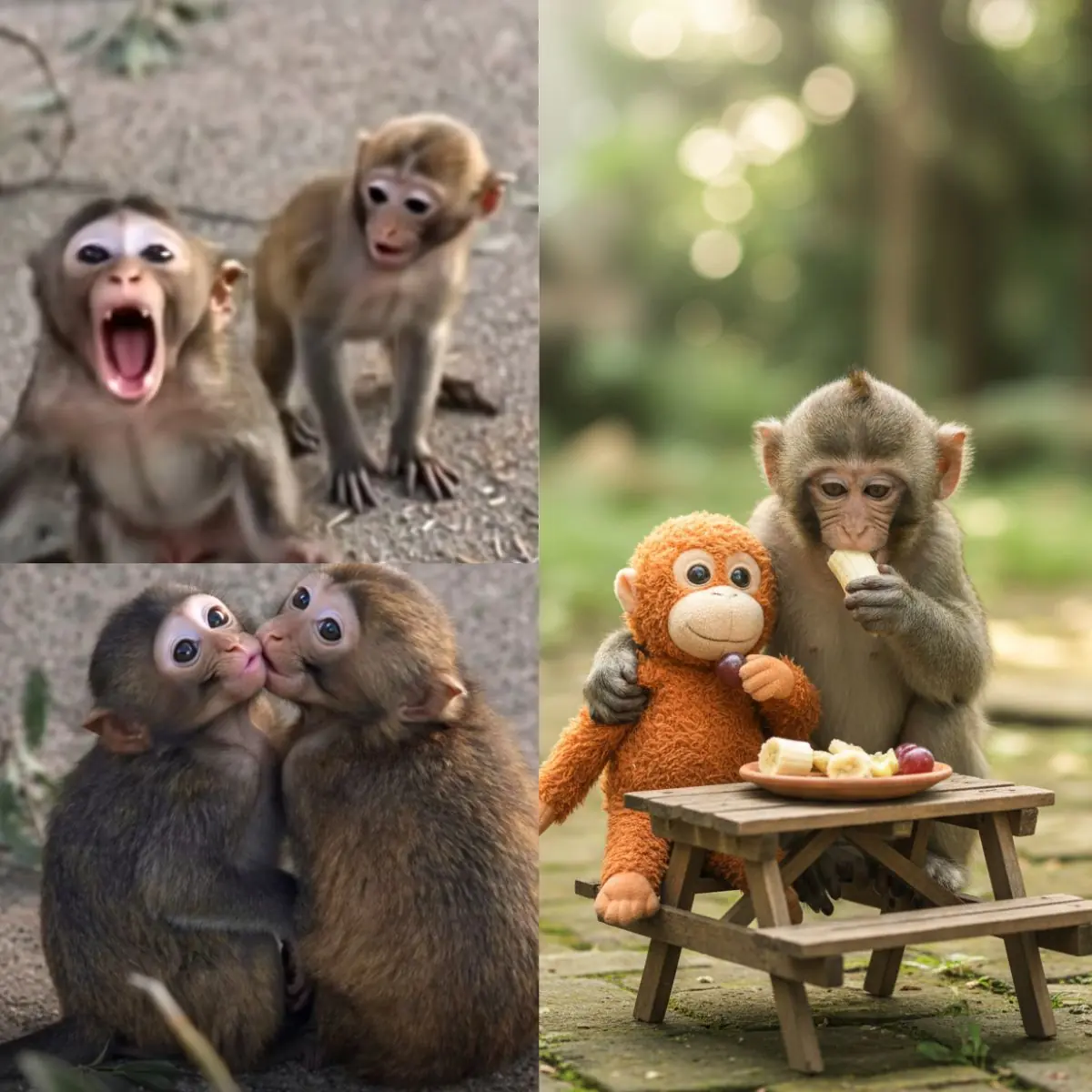
Why Does Punch Love His Plush Toy Like a Real Friend?


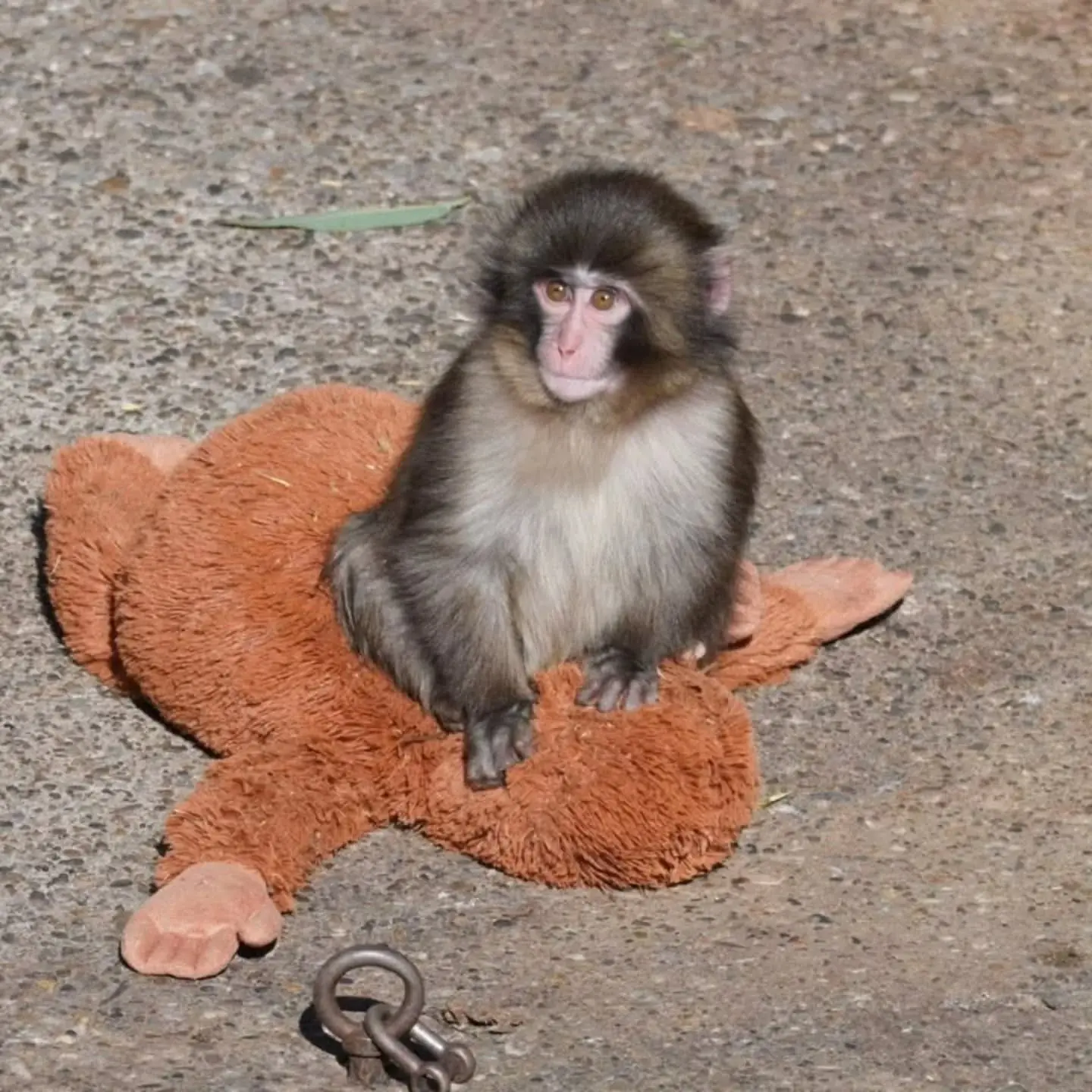
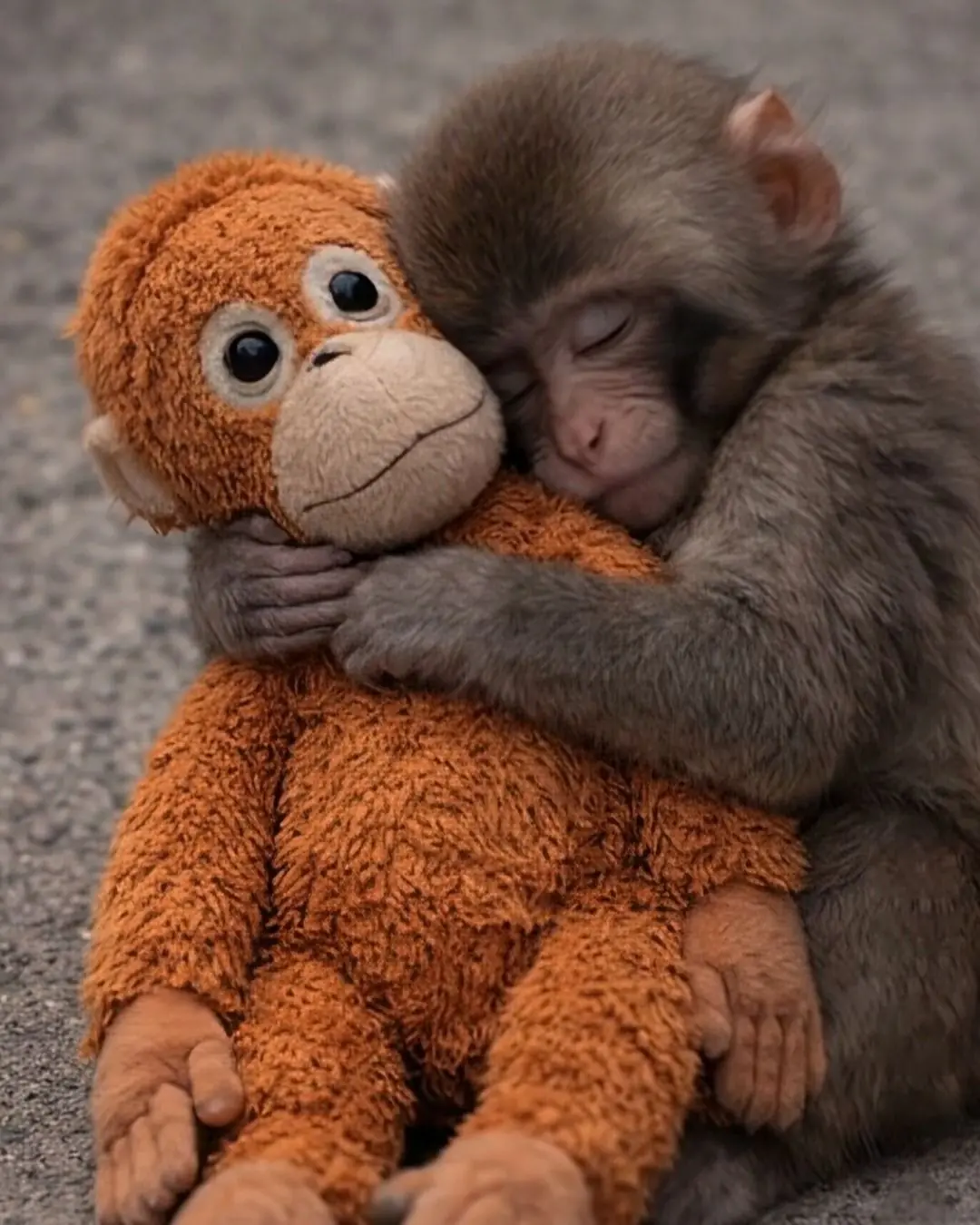
Punch the monkey is deeply attached to his plush toy—not because the object itself is special, but because it fulfills essential emotional and psychological needs.
Even though the toy is inanimate, to Punch it represents something far more meaningful.
1. A Substitute for Maternal Bonding


In the wild, infant monkeys:
-
Stay in constant contact with their mothers
-
Sleep while holding onto them
-
Rely on touch for safety and regulation
Punch was separated from his mother very early.
As a result:
-
He lacked natural bonding
-
He lost his primary source of comfort
👉 The plush toy became a replacement for that missing connection.
2. The Need for “Contact Comfort”


In primates, physical contact—especially soft contact—has a powerful effect:
-
Reduces stress
-
Stabilizes emotional state
-
Creates a sense of safety
The plush toy provides:
-
Softness
-
Warmth
-
A surface to hold onto
👉 This activates a biological calming mechanism in Punch’s brain.
3. A “Safe Place” That Never Leaves


Unlike living beings, the plush toy is:
-
Always present
-
Predictable
-
Non-threatening
For Punch, this reliability is critical.
👉 The plush becomes:
-
A stable emotional anchor
-
A constant source of comfort
-
A “safe place” he can return to anytime
4. Early Habits Become Lasting Attachments


From a very young age, Punch:
-
Was given the plush for comfort
-
Used it during stress and sleep
-
Associated it with safety
Over time, this formed a strong behavioral pattern:
-
Seeing the plush → feeling secure
-
Holding it → reducing anxiety
👉 What started as support became a long-term attachment.
5. The Brain Assigns Meaning to Objects


Even though the plush is not alive, Punch’s brain:
-
Links it to positive experiences
-
Treats it as a familiar presence
-
Responds to it as part of his “social world”
👉 This is known as emotional projection onto objects.
He does not consciously think it is alive—
but he feels connected to it as if it matters.
6. Instinct or Emotion? The Answer Is Both


Punch’s attachment is not purely instinct—and not purely emotion.
It is a combination of:
-
Instinct: the need for safety and contact
-
Experience: learning that the plush brings comfort
-
Emotion: developing a sense of attachment
👉 Together, these create a bond that feels very real.
Conclusion
Punch does not love the plush because it is a toy.
He loves it because it represents:
-
Safety
-
Stability
-
Constant presence
In his world, that is enough to turn something inanimate into something meaningful.
Final Reflection
Sometimes, we don’t hold onto something because it is perfect—
but because it was there when we needed it most.
💬 If you were Punch, what would you choose—
something that always stays… or someone who might one day leave?