Why Do Monkeys Hug? The Science Behind Touch, Survival, and Bonding
How Do Hugs Affect Monkeys? A Scientific Analysis of Touch and Behavior


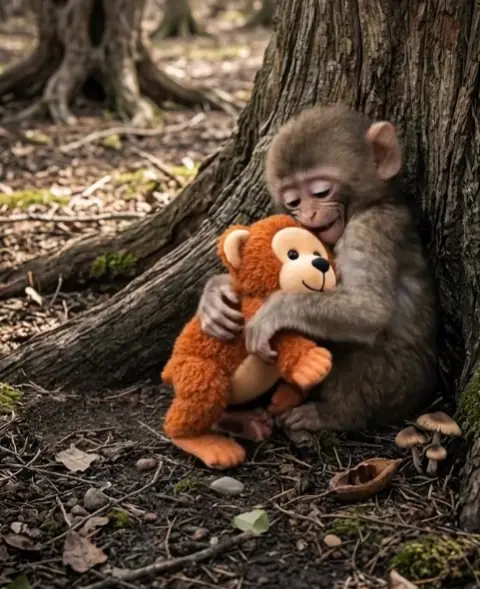
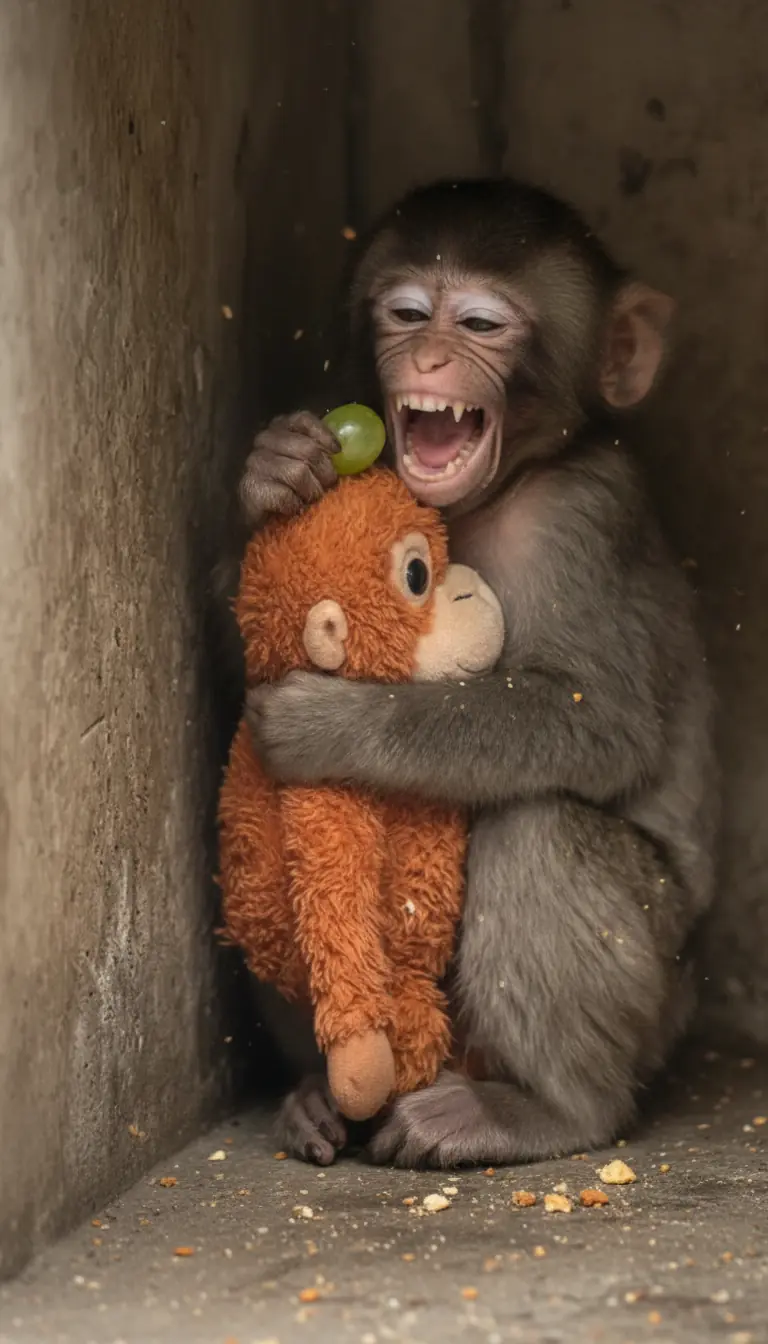
In monkeys, a hug is not simply an emotional gesture as humans often perceive it. It is a behavior deeply rooted in biology, playing a critical role in survival, emotional regulation, and social structure.
To fully understand the function of hugging in monkeys, it must be examined across multiple levels: neurobiology, developmental behavior, and social dynamics.
1. Hugging as a Survival Mechanism from Birth


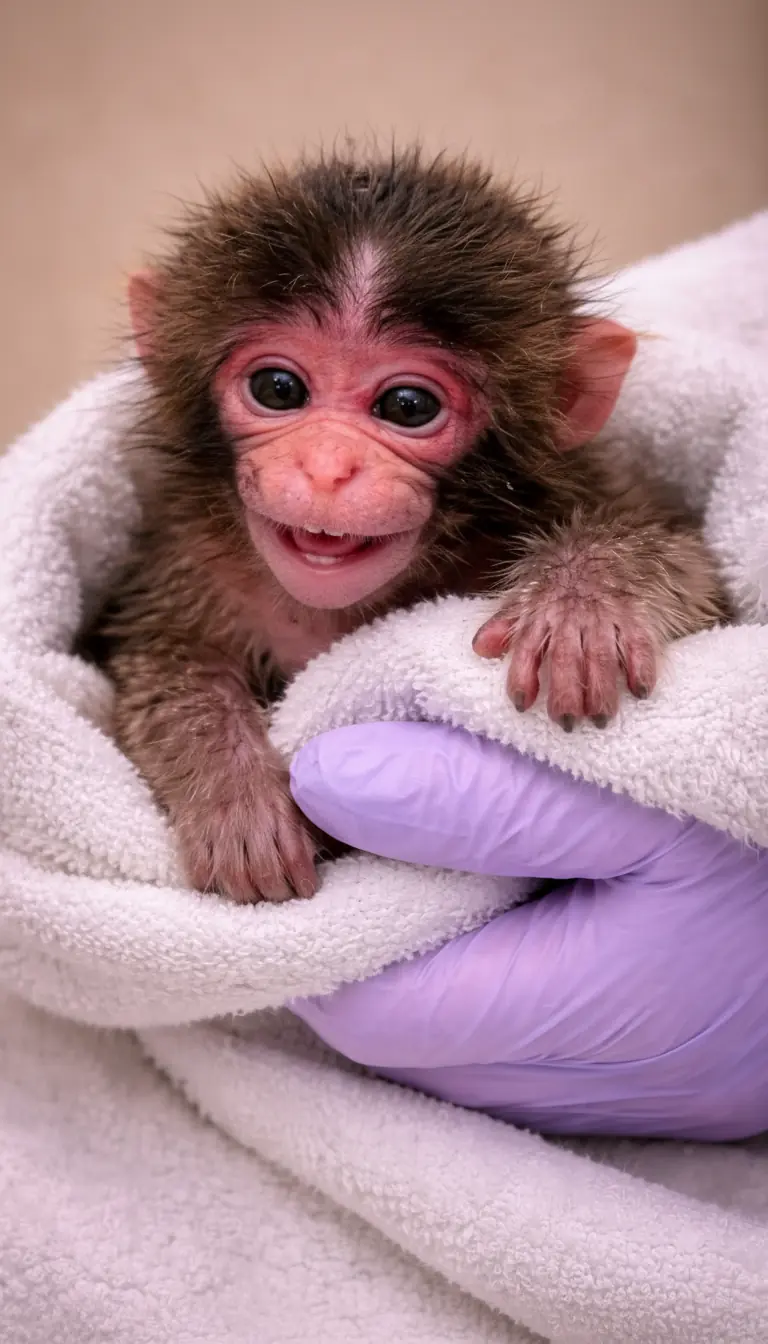
At birth, infant monkeys are entirely dependent on their mothers. One of the most important early behaviors is the grasping reflex:
-
Infants cling to their mother’s body immediately after birth
-
Maintain constant physical contact for warmth and protection
-
Travel with the mother without independent movement
In natural environments, without this “hugging/clinging” behavior, survival rates would be extremely low.
Therefore, at this stage, hugging is not optional—it is a biological necessity for survival.
2. Physical Contact as a Physiological Regulator


Research on primates shows that physical contact, including hugging and grooming, directly affects the nervous system:
-
Reduces stress hormones (such as cortisol)
-
Increases bonding hormones (such as oxytocin)
-
Stabilizes heart rate and physiological state
This phenomenon is known as contact comfort—the calming effect of touch.
Hugging, therefore, is not just emotional—it is a biological regulation mechanism essential for maintaining internal balance.
3. The Role of Hugging in Social Bonding


In monkey societies, physical contact is central to maintaining group stability:
-
Strengthens bonds between individuals
-
Reduces tension after conflicts
-
Reinforces social hierarchy and alliances
Hugging and close contact often occur after stressful interactions as a form of social reconciliation.
Thus, hugging is not merely personal—it is a key tool for maintaining social cohesion within the group.
4. Importance in Psychological Development of Infants


For young monkeys, physical contact is essential for psychological development:
-
Establishes a sense of security (secure base)
-
Teaches social interaction
-
Supports emotional regulation
Infants deprived of early contact often show:
-
Anxiety
-
Social withdrawal
-
Difficulty integrating into groups
This demonstrates that hugging has long-term effects on behavior and emotional stability.
5. Hugging: Instinct or Emotion?


An important question in behavioral science is whether hugging in monkeys is driven by instinct or emotion.
The answer lies in a combination of both:
-
Instinct drives the need for contact to survive
-
Experience reinforces familiarity and bonding
-
Emotion-like states emerge through repeated interactions
Hugging can therefore be understood as a hybrid behavior, combining biological necessity with socially reinforced connection.
6. Implications for Understanding Animal Behavior


Understanding the function of hugging helps:
-
Avoid misinterpreting animal behavior through human emotions
-
Improve animal care and conservation practices
-
Recognize the importance of social environments in animal well-being
Many behaviors that appear emotional are grounded in clear biological mechanisms.
Conclusion
In monkeys, a hug is far more than a sign of affection. It is a multifunctional behavior that:
-
Ensures survival in early life
-
Regulates physiological and emotional states
-
Maintains social structure and stability
-
Supports long-term psychological development
Understanding this allows for a more accurate and scientific perspective on primate behavior—one that goes beyond surface impressions and reveals the deeper mechanisms shaping their lives.