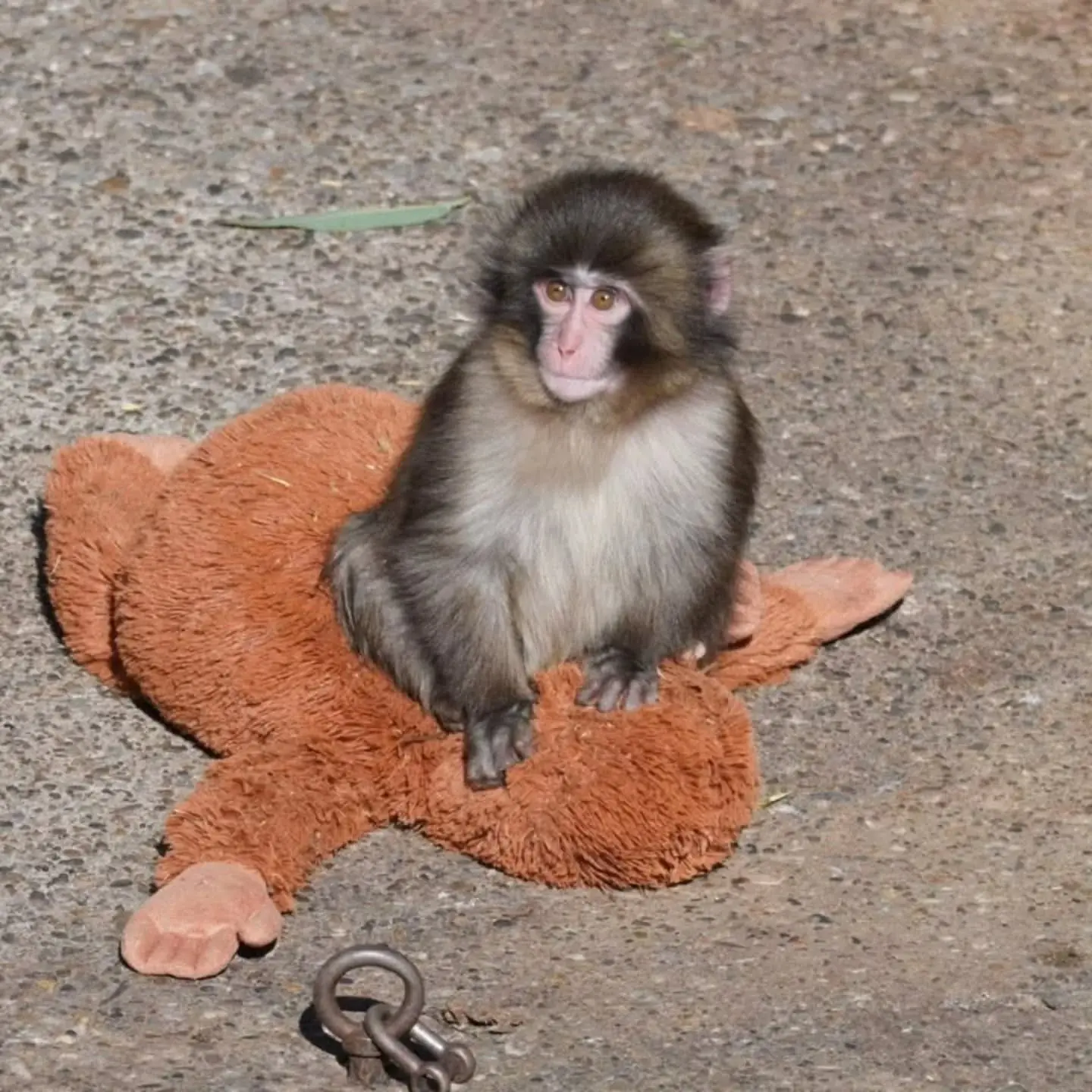
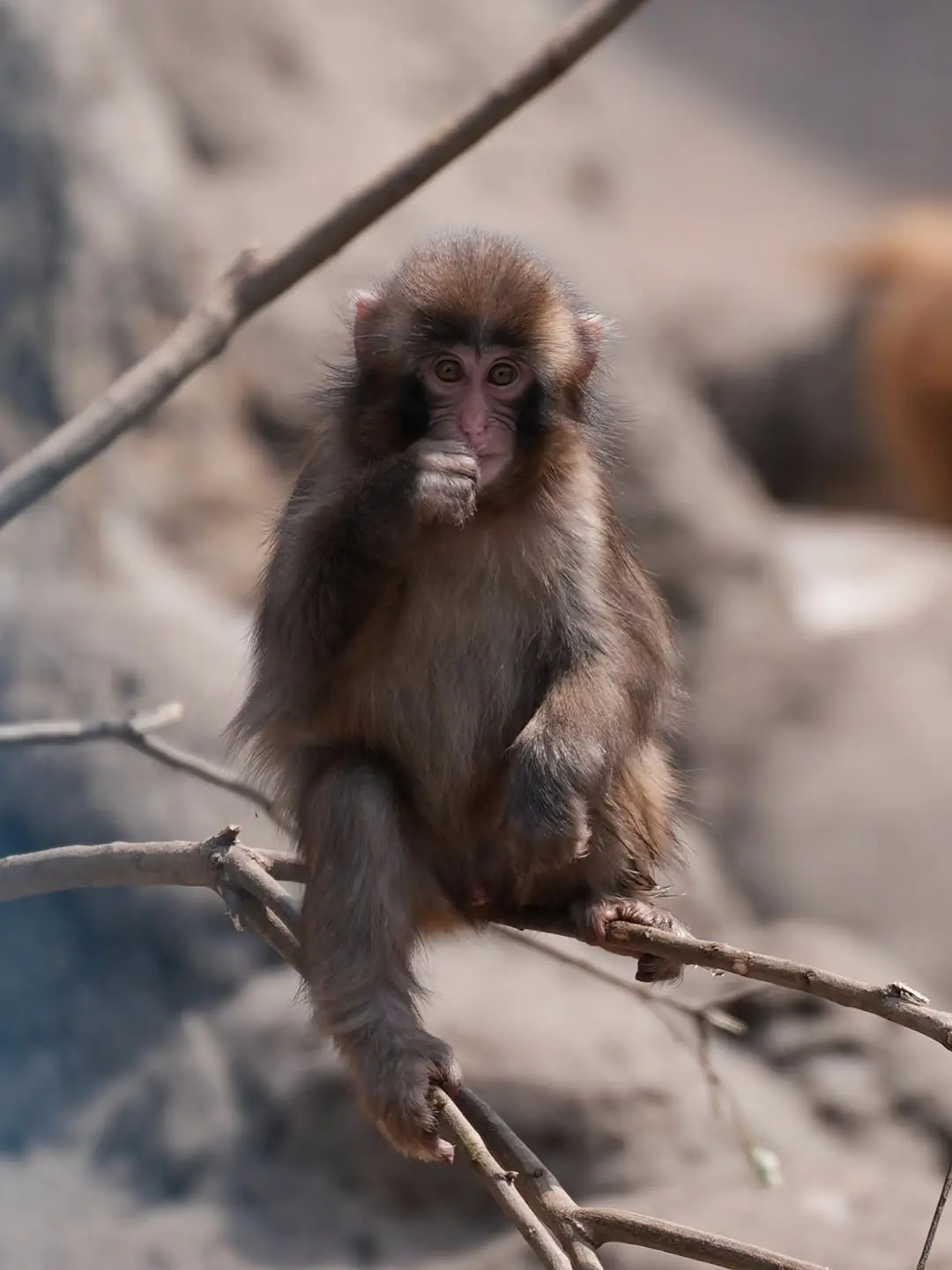
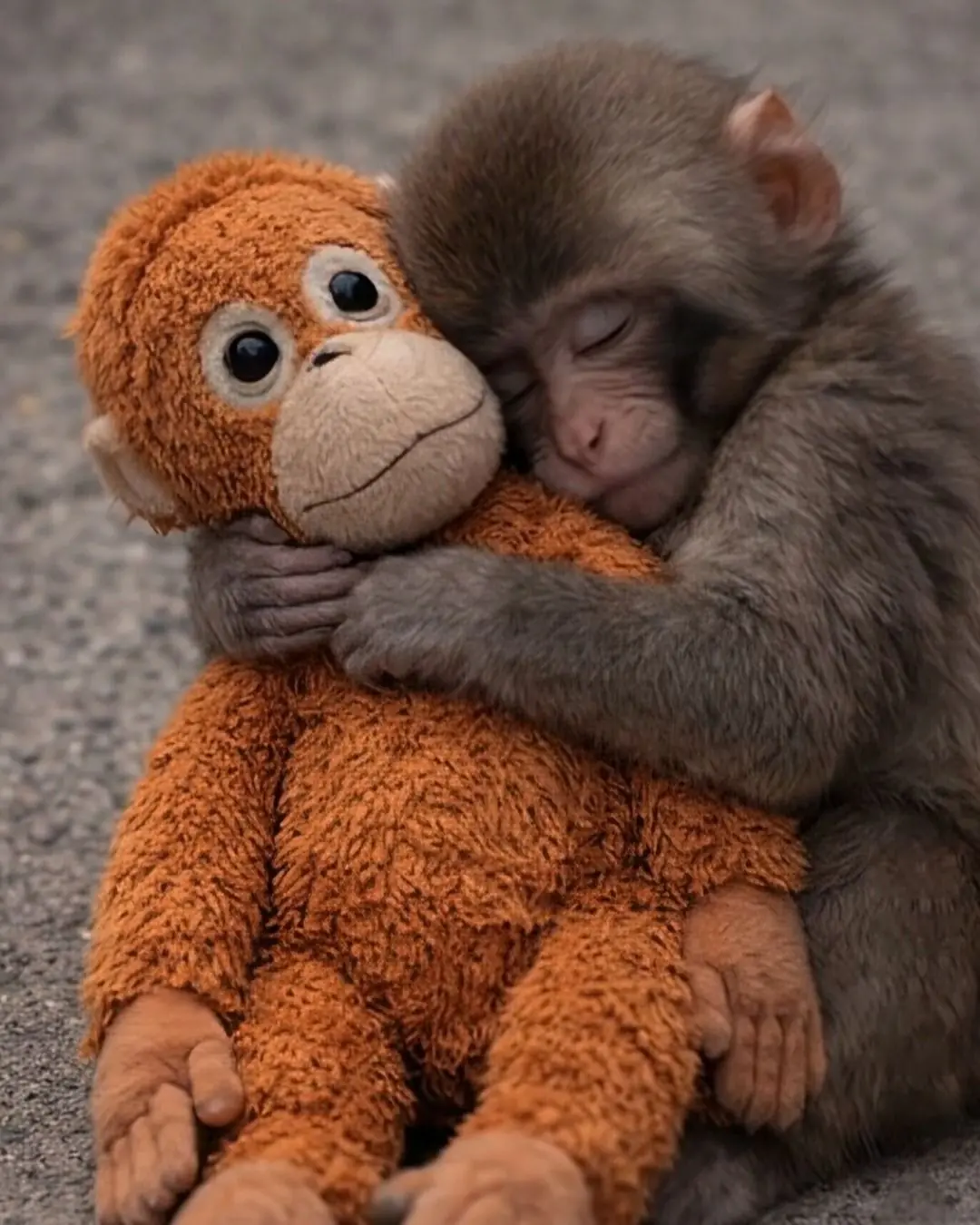
Why Punchy Eats With Total Focus: A Behavioral Insight Into Simple Pleasure
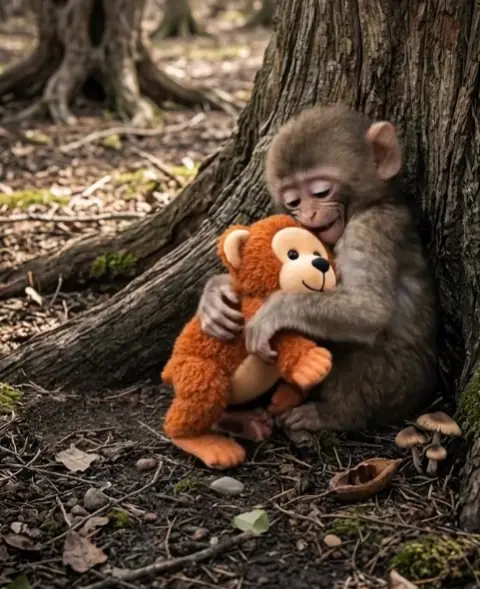
Punchy Eating Apples at Full Speed: A Small Moment With Deeper Meaning


At first glance, it is a simple scene: a small monkey holding an apple, eating quickly, completely absorbed in the moment.
But when observed more closely, this behavior reveals something deeper—not only about animals, but about the nature of focus, satisfaction, and emotional expression.
Punchy’s tiny hands grip the fruit firmly. His bites are quick and determined. His face shows intense concentration, as if nothing else exists outside that single experience.
This is not just eating. It is total engagement.
1. Focused Eating as a Natural Behavioral State


In primates, eating is not merely a routine activity—it is a critical survival function.
When a monkey finds food it values, several behavioral patterns emerge:
-
Increased focus and reduced distraction
-
Faster consumption to secure the resource
-
Strong grip and protective posture
This behavior is driven by evolutionary pressure. In natural environments, food can be limited or contested, so efficiency and attention are essential.
In Punchy’s case, this instinct is still present, even in a controlled or safe setting. His focused eating reflects a deeply ingrained biological response.
2. The Relationship Between Preference and Behavior


Not all food is equal in the eyes of a monkey.
When a preferred food is introduced—such as a sweet, soft fruit like an apple—behavior changes noticeably:
-
Increased enthusiasm
-
Faster eating pace
-
Heightened attention
This suggests that monkeys are capable of forming clear preferences, influenced by taste, texture, and past experience.
Punchy’s reaction indicates that the apple is not just food—it is a high-value resource. His behavior reflects both enjoyment and prioritization.
3. Emotional Expression Through Simple Actions


Although animals do not express emotions through language, their behavior can reveal internal states.
In moments like this, several indicators suggest positive engagement:
-
Relaxed but focused posture
-
Continuous, uninterrupted activity
-
Lack of defensive or stress signals
This combination often reflects what can be interpreted as contentment or satisfaction.
Punchy’s behavior demonstrates that emotional states in animals can be observed through intensity of engagement, not just overt expressions.
4. The Concept of “Total Presence” in Animal Behavior


One striking aspect of this scene is the absence of distraction.
Punchy is not scanning his surroundings.
He is not multitasking.
He is entirely present.
This state can be described as complete behavioral immersion—a condition where attention is fully directed toward a single activity.
In humans, this is often associated with concepts like “flow” or mindfulness. In animals, it is a natural and unforced state.
Punchy’s focused eating illustrates how animals operate without divided attention, engaging fully with immediate experience.
5. What This Moment Reveals About Simplicity and Satisfaction


From a broader perspective, this moment highlights an important contrast between animal and human behavior.
For Punchy:
-
Satisfaction comes from a single, immediate experience
-
Attention is undivided
-
Enjoyment is direct and unfiltered
There is no anticipation of future concerns, no distraction from external stimuli. The experience is complete in itself.
This simplicity is not a limitation—it is an efficient and adaptive way of interacting with the environment.
Conclusion
Punchy eating an apple at full speed may appear to be a small, ordinary moment. However, when examined through a scientific lens, it reveals key aspects of primate behavior:
-
Strong focus driven by survival instincts
-
Clear food preferences influencing behavior
-
Emotional expression through engagement
-
Natural capacity for full attention and presence
This moment is not just about food. It is a demonstration of how behavior, biology, and environment interact to produce a state of complete immersion.
In observing such moments, we gain insight not only into animal behavior, but also into fundamental principles of attention, satisfaction, and simplicity.