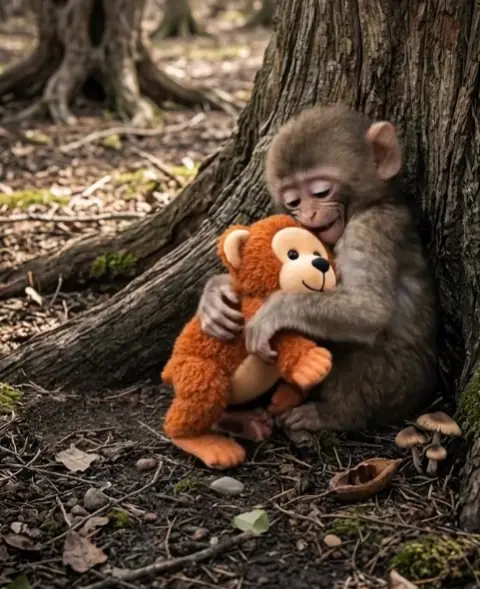
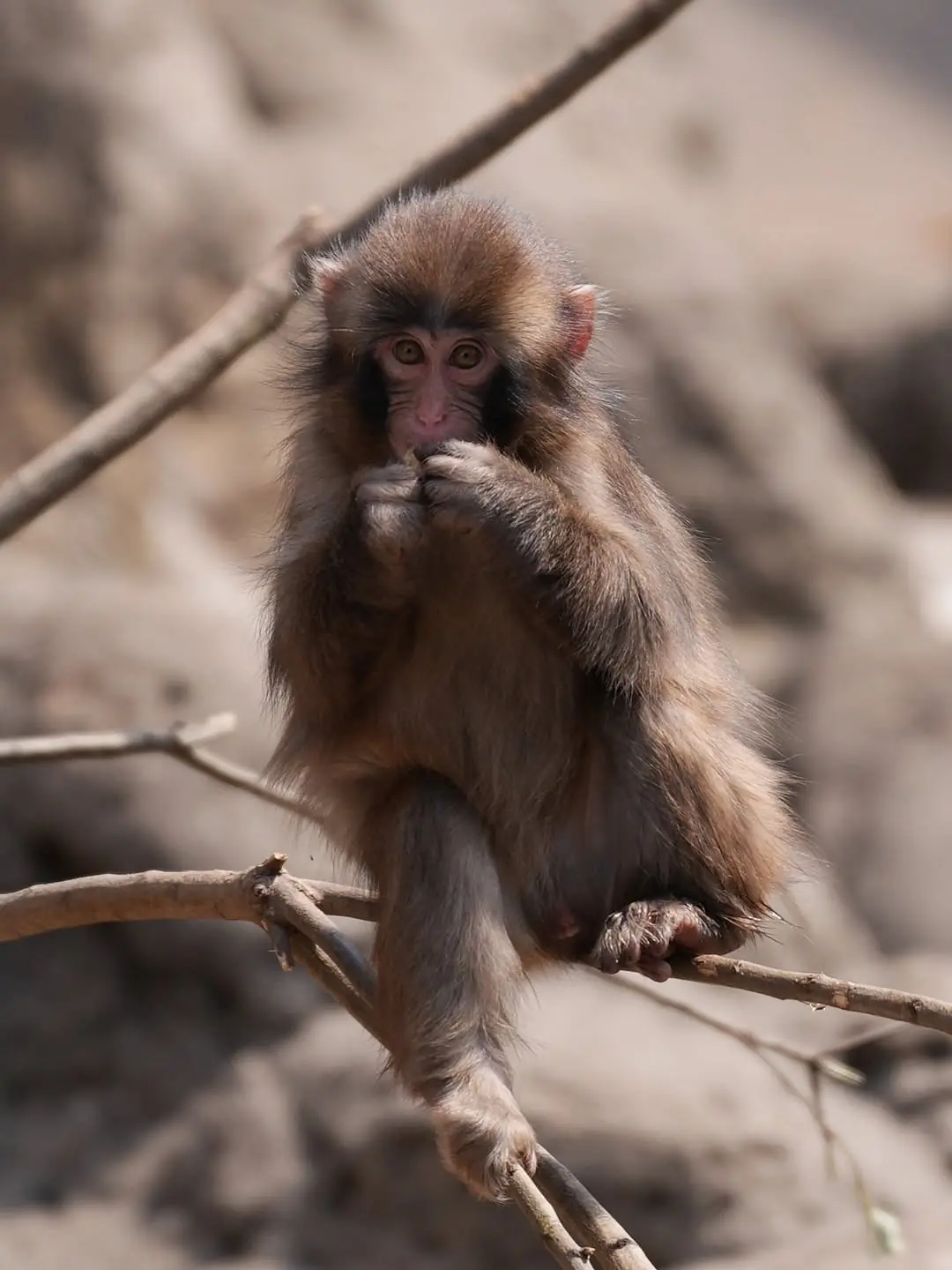
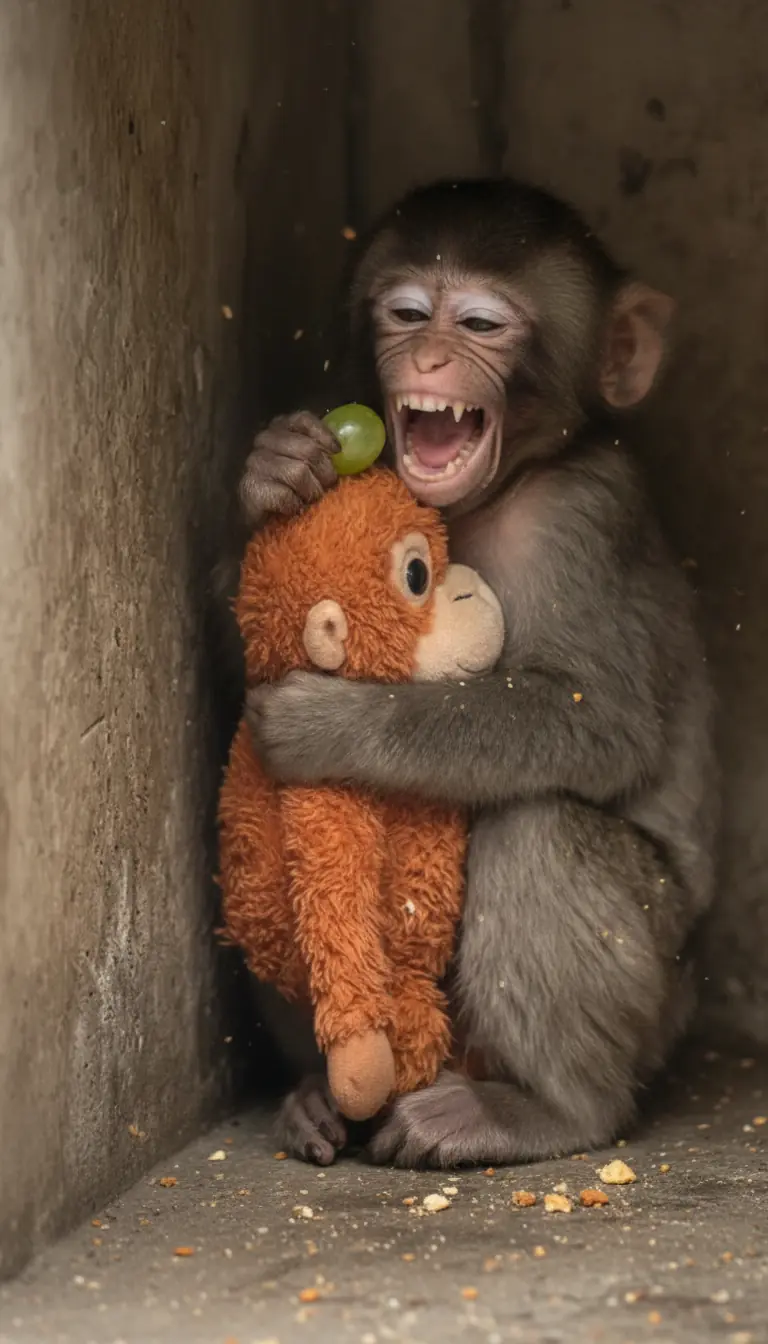
From Fear to Safety: The Early Story That Shaped Punch’s Life
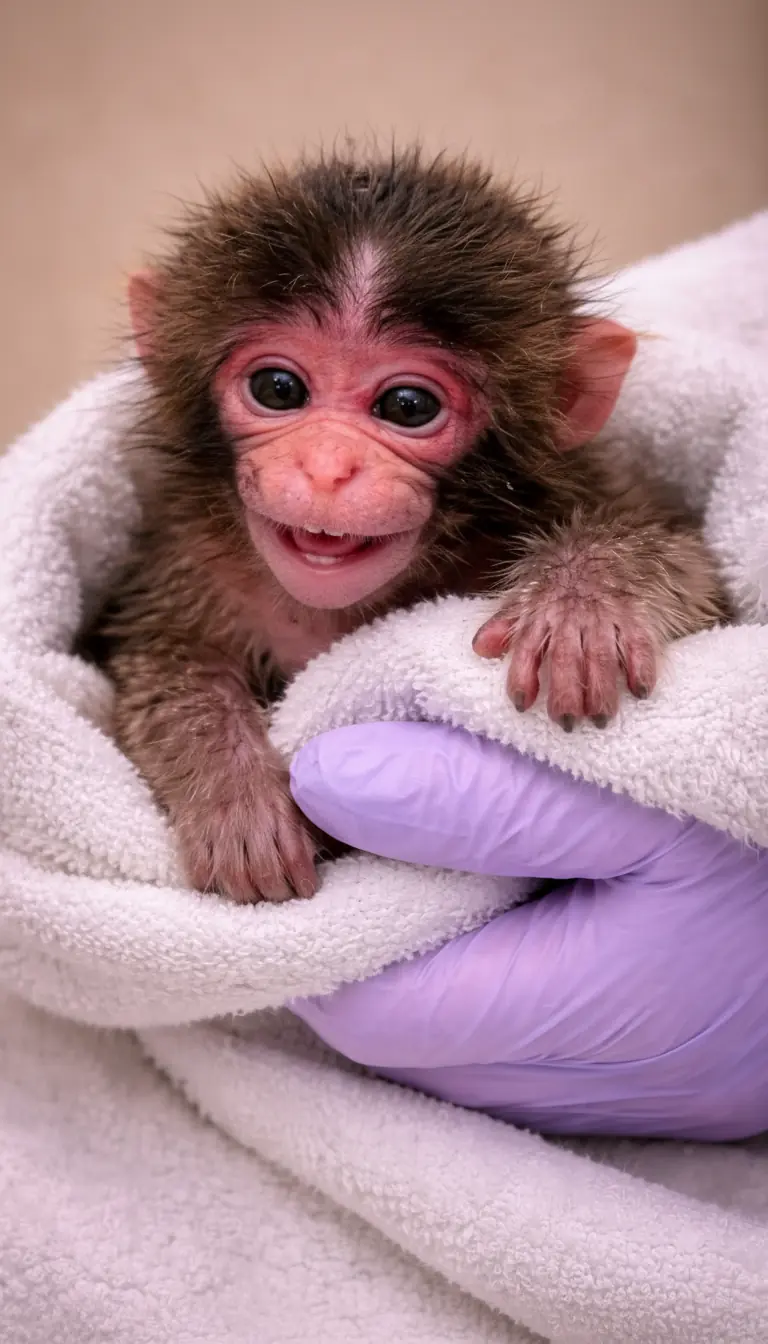
When Punch First Arrived: A Study in Vulnerability, Survival, and Early Recovery


When Punch first entered the world, his condition reflected one of the most critical phases in primate development: early-life dependency combined with environmental instability.
For an infant macaque, the first days of life are not merely transitional—they are decisive. Survival depends almost entirely on continuous maternal contact, thermal regulation, and nutritional support.
In Punch’s case, this natural system was disrupted almost immediately.
1. Early Separation and Developmental Risk


Separation from the mother at birth introduces a series of high-risk factors:
-
Loss of constant body warmth
-
Absence of breastfeeding and immune support
-
Lack of tactile stimulation essential for neurological development
From a biological perspective, infant primates are not equipped to function independently at this stage. The absence of maternal care triggers acute stress responses, including elevated cortisol levels and behavioral withdrawal.
Punch’s early behavior—quietness, reduced movement, and heightened sensitivity—can be understood as adaptive responses to an environment perceived as unstable.
2. The Psychological State of the Infant Primate


Although infant monkeys do not process experiences through abstract cognition, they are highly sensitive to:
-
Physical absence of contact
-
Changes in sensory environment
-
Disruptions in routine
This results in a condition often described as developmental insecurity, where the infant’s primary objective shifts from exploration to preservation.
Punch was not displaying curiosity because his system was not yet stabilized. His behavior reflected a fundamental need: to regain a sense of safety before any form of exploration could emerge.
3. Human Intervention as a Substitute Attachment System


In the absence of the biological mother, the role of caregivers becomes critical. Effective intervention must replicate key elements of maternal care:
-
Continuous warmth
-
Regular feeding cycles
-
Gentle tactile stimulation
-
Stable and predictable interaction
The caregivers at the facility did not simply provide nutrition—they established a substitute attachment framework.
This process requires:
-
High consistency
-
Minimal abrupt stimuli
-
Gradual exposure to environmental changes
Through repeated, non-threatening interactions, the infant begins to associate human presence with safety rather than uncertainty.
4. The Gradual Emergence of Trust


Trust in primates is not immediate; it is built through repetition and predictability.
As physiological stability improves:
-
Stress responses decrease
-
Movement becomes more exploratory
-
Physical tension reduces
Punch’s progression from withdrawal to engagement illustrates a key developmental transition:
from survival mode to adaptive interaction.
This shift marks the beginning of psychological recovery.
5. Early Recovery and Long-Term Implications


Early intervention in such cases has long-term consequences:
-
Improved emotional regulation
-
Increased capacity for social integration
-
Reduced likelihood of chronic stress behaviors
However, early disruption is not without impact. Even with proper care, the initial absence of maternal bonding may influence future behavior, particularly in social contexts.
Punch’s early experience represents both risk and resilience—a combination that often defines rehabilitation outcomes in primates.
Conclusion
Punch’s earliest days were not defined by curiosity or play, but by instability, vulnerability, and the fundamental need to survive.
From a scientific perspective, his story illustrates several key principles:
-
The critical importance of early maternal contact
-
The physiological and psychological impact of separation
-
The role of consistent caregiving in restoring stability
-
The gradual process through which trust and security are rebuilt
What may appear as a simple rescue story is, in reality, a complex interaction between biology, environment, and intervention.
In observing Punch’s beginning, we are not only witnessing the recovery of an individual animal—we are observing the foundational processes that shape behavior, resilience, and adaptation in primates.