Why Do Animals Risk Their Lives to Save Humans?
🐾 Why Do Animals Risk Their Lives to Save Humans?
A Deep Exploration Through Science, Instinct, and Real-Life Stories
1. When Animals Become Unexpected Heroes

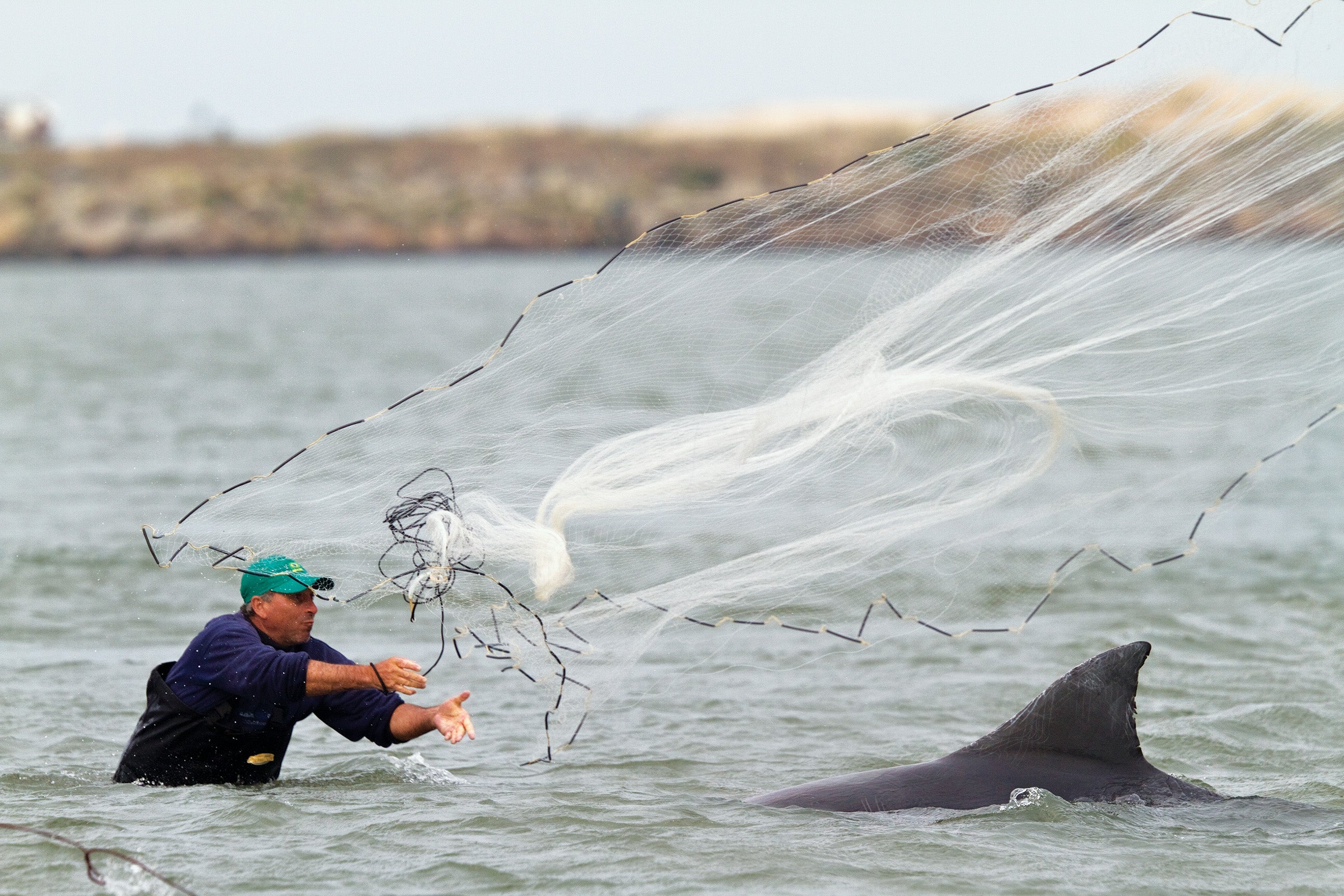
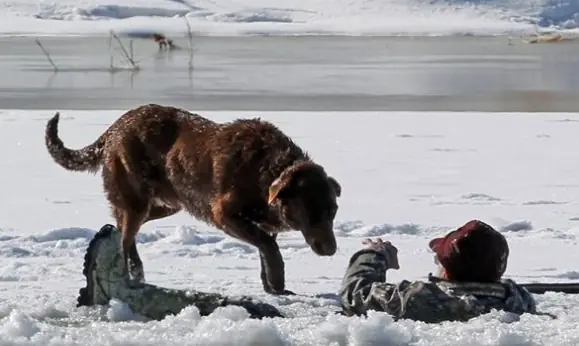
Throughout history, there have been countless stories of animals—dogs, cats, dolphins, even pigs—risking their lives to save humans. These acts often appear almost miraculous.
A dog shields a child from a venomous snake.
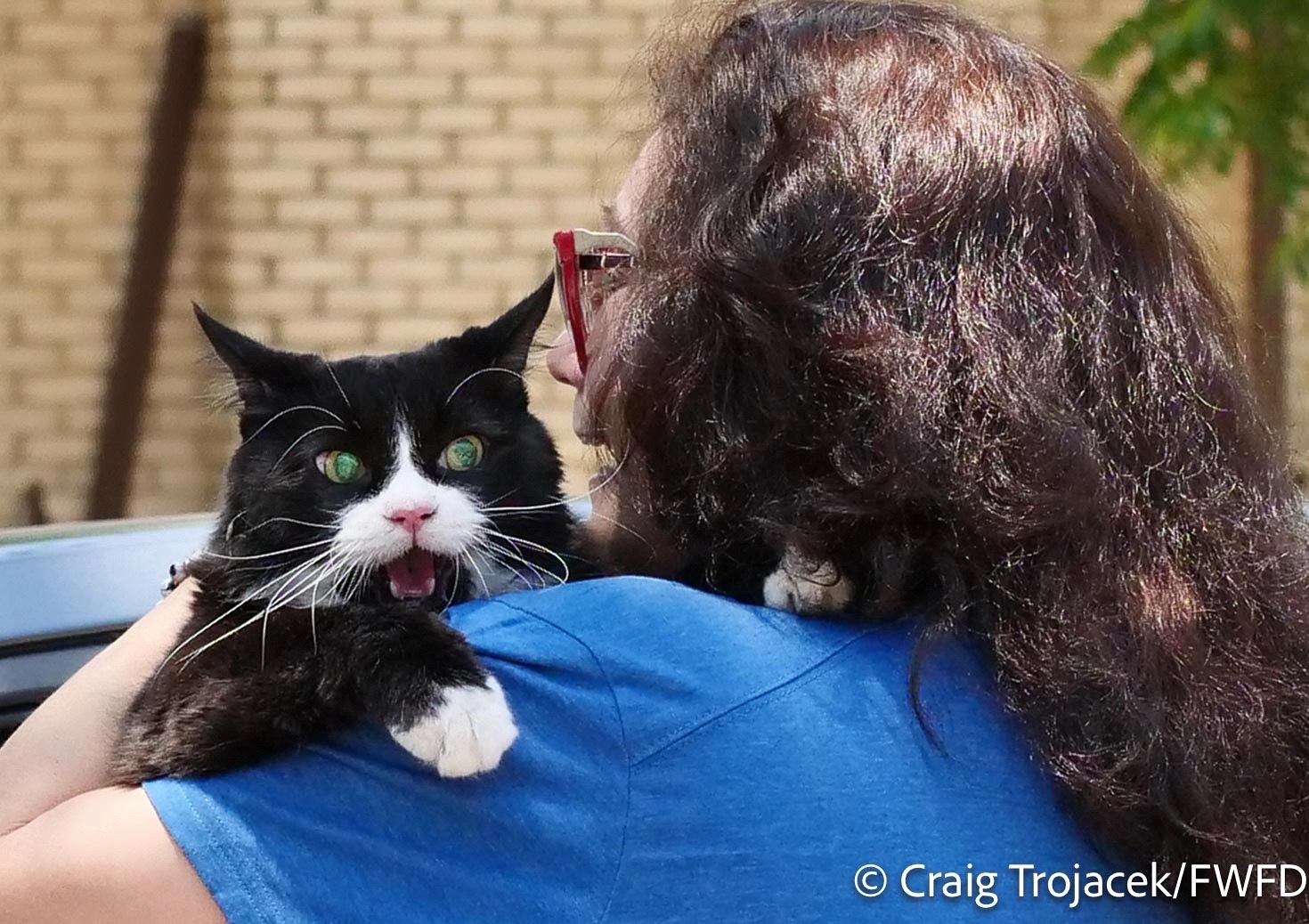
A cat wakes its owner moments before a deadly fire.
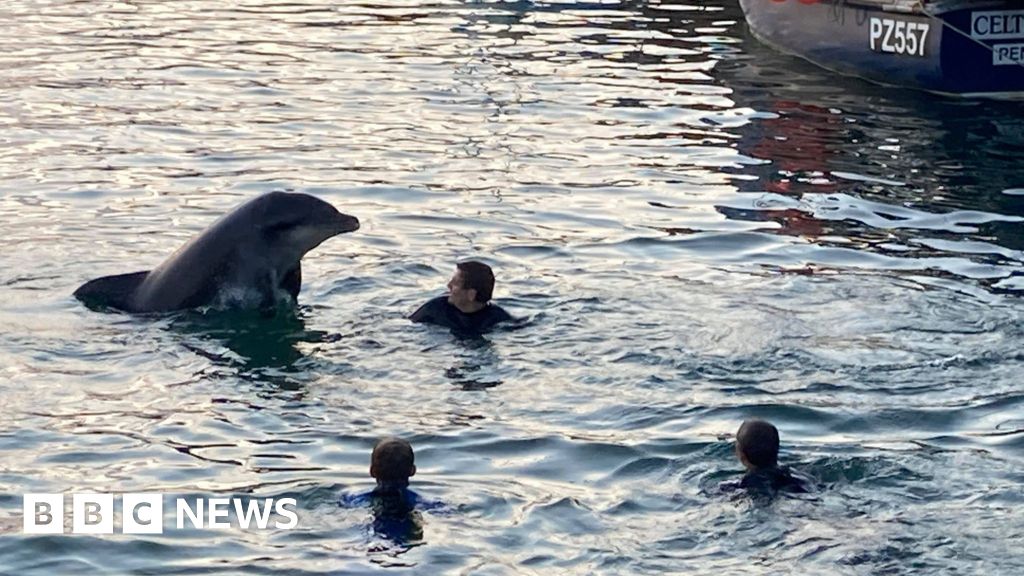
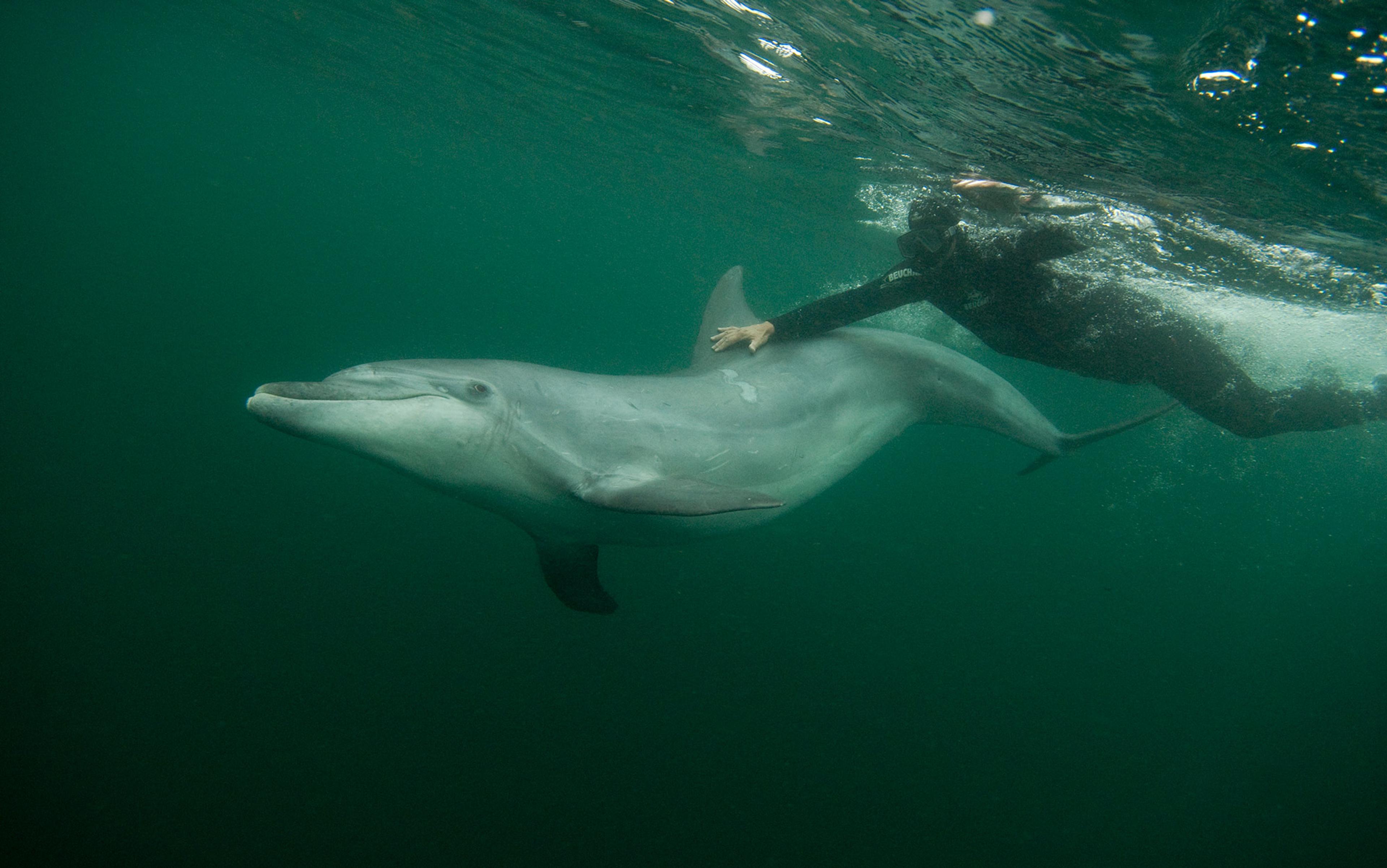
A group of dolphins guides fishermen away from a violent storm.
These moments leave us wondering:
👉 Why would an animal risk its life for a human?
Are these acts driven by love, instinct, training—or something deeper that science still struggles to fully explain?
2. Real Stories That Defy Explanation



Across the world, real-life cases continue to challenge our understanding.
-
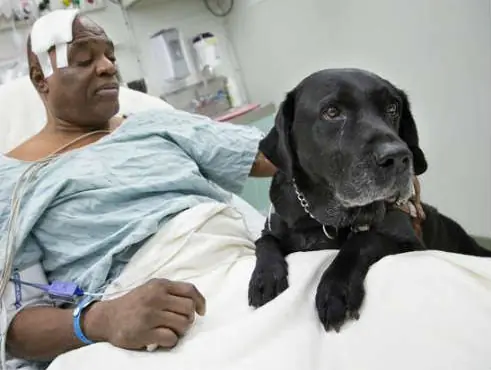
A Labrador named Roselle guided her blind owner down 78 floors of the World Trade Center during the September 11 attacks—just minutes before the building collapsed.
-
A dog named Blue fought off a crocodile to protect its elderly owner in Florida.
-
A Saint Bernard named Barry helped rescue dozens of people buried under snow in the Swiss Alps.
-
A black cat named Gizmo saved a sleeping teenager by waking her just as her house caught fire.
These are not isolated incidents. They are repeated across cultures, continents, and species.
And yet, each story points to the same mystery:
👉 Animals act with a level of courage and awareness that seems almost human.
3. The Science Behind Animal Heroism
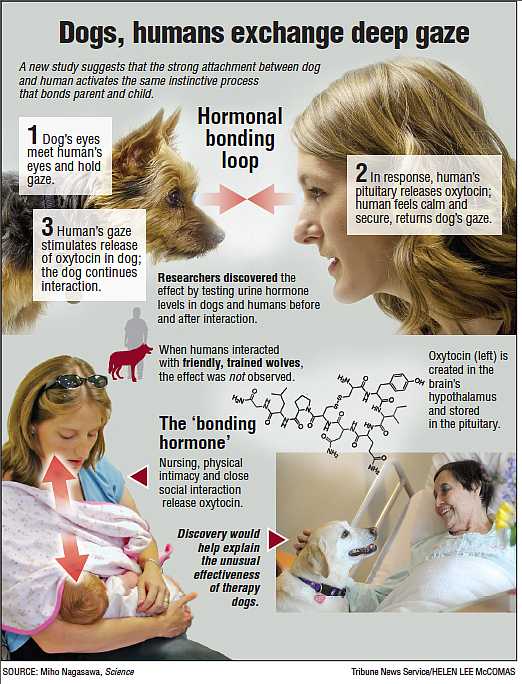

Scientists have proposed several explanations for these heroic behaviors:
🧬 1. Pack Instinct and Social Structure
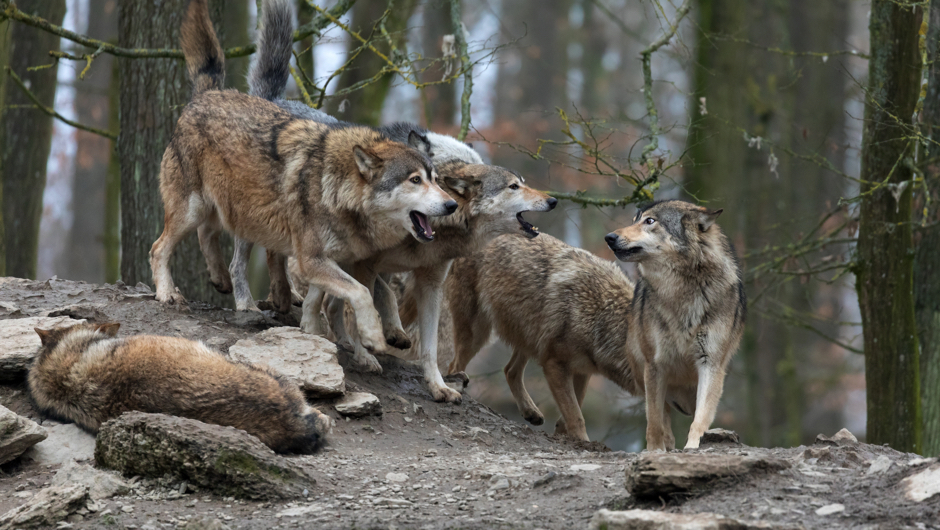
Dogs, descended from wolves, naturally live in packs.
To them, humans are not just companions—we are part of their pack.
Protecting a human is, in their instinct, the same as protecting their own survival group.
🧠 2. Learned Behavior and Training
Some experts argue that animals—especially dogs—are trained to respond to emergencies.
As researcher Jean-Marc Poupard suggests,
👉 many rescue behaviors may stem from conditioning rather than conscious “heroism.”
However, this explanation doesn’t fully account for spontaneous, untrained acts.
❤️ 3. Emotional Connection and Empathy
Animals, particularly mammals, are capable of emotional bonding.
Neuroscientists believe that animals can sense distress signals—both physical and emotional. When a human is in danger, animals may feel a form of shared anxiety and respond instinctively.
🌍 4. Cross-Species Connection
According to neuropsychiatrist Boris Cyrulnik, animals may react to disruptions in the “emotional world” of other species.
In simple terms:
👉 When humans are in danger, animals feel it too.
⚖️ 5. Mutual Benefit and Survival
In some cases, animals help humans for indirect benefits:
-
Dolphins guiding fishermen may expect food rewards
-
Birds leading humans to honey may share the harvest
Not all actions are purely selfless—but many clearly go beyond simple survival logic.
💬 Message & Lessons
These stories leave us with powerful reflections:
-
Connection goes beyond language
Humans and animals share emotional signals deeper than words. -
Loyalty and empathy are not uniquely human
Animals often demonstrate these traits more purely and instinctively. -
Kindness creates bonds that transcend species
Animals raised with care often reflect that care back in extraordinary ways. -
We are not separate from nature—we are part of it
To animals, we are not “others”—we are family.
✨ Closing
So why do animals save humans?
There is no single answer.
It is a blend of instinct, evolution, emotion, and connection—a complex relationship built over thousands of years.
But perhaps the most honest answer is the simplest one:
👉 They save us because, in their world,
we belong to them just as much as they belong to us.