From Depressed Shelter Cat To Thriving House Pet: The Incredible Transformation Of Fishtopher
Fishtopher was once a sad, withdrawn shelter cat who barely moved from his bed. But everything changed when he finally found a loving home. Discover how adoption transformed his life forever.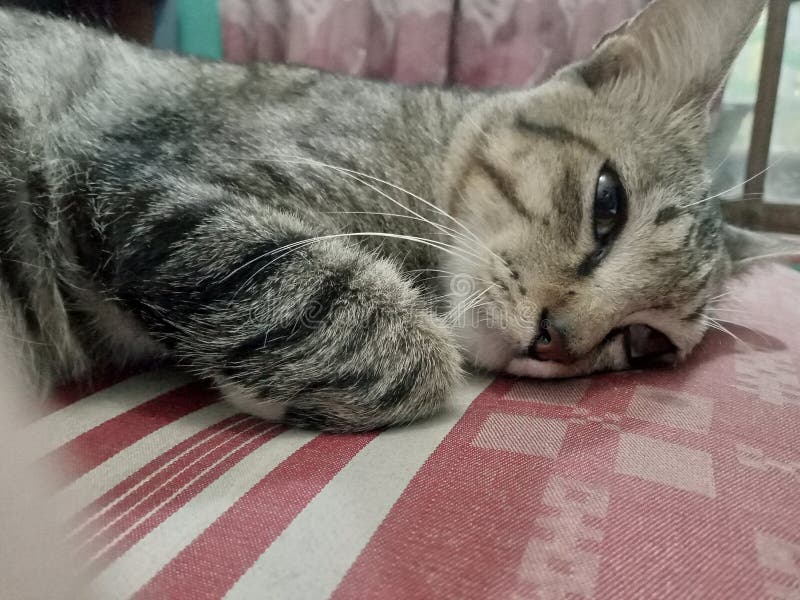
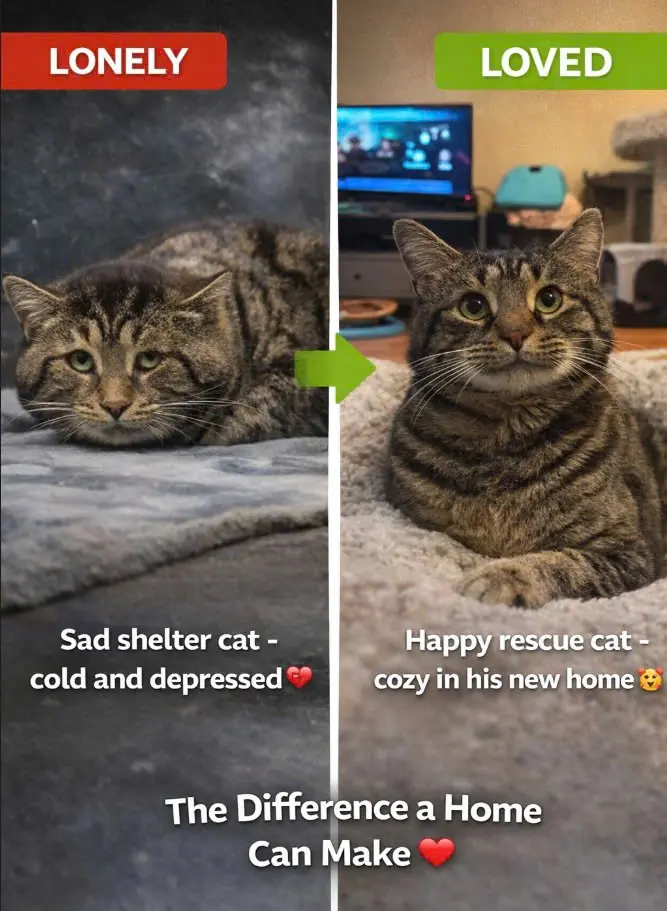
The Difference Having A Home Of Your Own Can Make ❤️
When volunteers first met Fishtopher at the shelter, they described him as quiet. Withdrawn. Almost invisible.
He didn’t cry for attention.
He didn’t paw at the kennel bars.
He didn’t even look up when people walked by.
He just lay there.
Curled into himself on a thin gray blanket, his green eyes heavy with something deeper than exhaustion — something closer to heartbreak.
No one knew exactly how long he had been waiting. But it was clear: the shelter had slowly dimmed his spark.
And yet, today, Fishtopher is almost unrecognizable.
Life Inside The Shelter: A Cat Losing Hope
Animal shelters are filled with dedicated staff and volunteers who care deeply. But even the best shelters are still temporary spaces — loud, unfamiliar, and overwhelming.
For sensitive cats like Fishtopher, that environment can feel crushing.
Signs Of Emotional Withdrawal In Shelter Cats
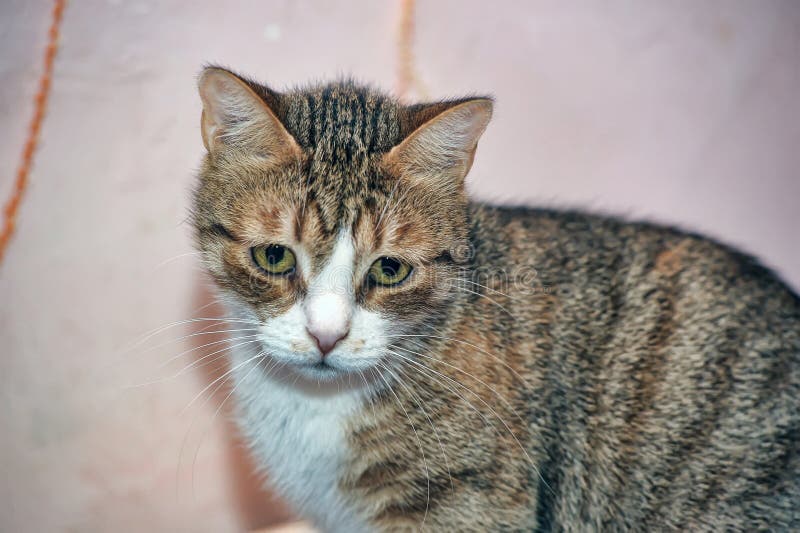
Many shelter cats experience:
-
Depression-like behavior
-
Lack of appetite
-
Avoidance of eye contact
-
Reduced activity
-
Social withdrawal
Fishtopher showed nearly all of these signs.
He stayed pressed into the corner of his kennel. His body language said everything — ears low, eyes dull, posture collapsed inward. He wasn’t aggressive. He wasn’t sick.
He was simply shutting down.
Volunteers worried that potential adopters might walk right past him. In a room full of energetic kittens and outgoing cats, a quiet, motionless tabby can be easy to miss.
And that’s the heartbreaking reality: the animals who need homes the most are often the least likely to demand attention.
A Photo That Changed Everything
One day, someone snapped a photo of Fishtopher lying on his blanket — eyes wide but empty, chin resting flat against the bedding.

The image captured something raw and honest.
It wasn’t dramatic.
It wasn’t staged.
It was simply a cat who had given up trying.
When the photo was shared online, something unexpected happened.
People noticed.
Comments poured in from across the country:
-
“He looks so sad.”
-
“I just want to hug him.”
-
“Please tell me someone adopts him.”
The internet saw what shelter visitors hadn’t fully seen yet: a cat who didn’t need fixing — he needed belonging.
The Day Everything Changed
Among the thousands who saw Fishtopher’s photo was someone who felt an immediate connection.
They didn’t see a “depressed shelter cat.”
They saw potential.
Within days, adoption papers were signed. Fishtopher left the shelter quietly — no fanfare, no dramatic exit — just a carrier, a car ride, and a chance.
No one could predict what would happen next.
The First Moments In His New Home
The transformation didn’t happen instantly.
At first, Fishtopher moved cautiously. He explored slowly, sniffing corners, pausing often. He found a soft blanket and curled up — just like at the shelter.
But something was different.
There was no barking in the background.
No metal kennel doors clanging shut.
No constant echo of unfamiliar voices.
Just calm.
And safety.
Within days, subtle changes began to appear.
The Transformation: From Surviving To Thriving
Week One
Fishtopher began lifting his head more often.
His eyes seemed brighter.
He accepted gentle pets.
Week Two
He ventured farther from his resting spot.
He followed his adopter from room to room.
He started eating with enthusiasm.
Week Three
He played.
For the first time, he chased a toy across the floor.
The same cat who once lay motionless on a shelter blanket was now batting at feather wands and zooming through hallways.
The Science Behind Pet Adoption Transformations
Experts in feline behavior explain that cats are highly sensitive to environment.
Stress hormones like cortisol remain elevated in shelter conditions due to:
-
Constant noise
-
Limited territory
-
Lack of predictable routine
-
Absence of deep attachment bonds
Once placed in a stable home environment, those stress levels decrease significantly.
What we see as a “personality change” is often a cat finally feeling safe enough to reveal who they truly are.
Fishtopher wasn’t a sad cat.
He was a stressed cat.
And stress is reversible.
Unrecognizable — In The Best Way
Photos of Fishtopher in his new home stunned everyone.
Gone was the flattened posture and vacant stare.
In its place:
-
Upright ears
-
Relaxed whiskers
-
Bright, focused eyes
-
Confident body language
He lounges on soft furniture.
He curls up near his human.
He looks directly into the camera.
The difference isn’t subtle.
It’s astonishing.
Why Stories Like Fishtopher’s Matter
There are thousands of cats sitting quietly in shelters right now.
They may not:
-
Meow loudly
-
Paw at visitors
-
Perform tricks
But that doesn’t mean they don’t have incredible personalities waiting to bloom.
Fishtopher’s story challenges a common misconception: that shy or withdrawn shelter animals are “broken.”
They aren’t broken.
They’re overwhelmed.
And the right home can unlock everything.
The Power Of One Adoption
When someone adopts, they don’t just change one life.
They:
-
Free up shelter space
-
Reduce overcrowding
-
Support rescue organizations
-
Inspire others to adopt
Fishtopher’s transformation didn’t just warm hearts — it sparked conversations about shelter depression and the importance of giving overlooked animals a chance.
What This Means For Future Adopters
If you’re considering adoption, remember:
The quiet cat in the corner may be the most loving companion you’ll ever meet.
Ask shelter staff about:
-
Behavioral notes
-
Foster reports
-
Stress responses
-
Personality outside kennel settings
Sometimes the calmest animals in chaotic spaces are simply waiting for quiet.
Today, Fishtopher Is Thriving
He naps in sunbeams.
He greets his human at the door.
He plays.
He purrs.
Most importantly?
He belongs.
And belonging changes everything.
Final Thought: A Home Is More Than A Roof
A home is:
-
Predictability
-
Safety
-
Warmth
-
Attachment
-
Love
For animals like Fishtopher, it’s the difference between existing and living.
And that difference can be seen in his eyes.