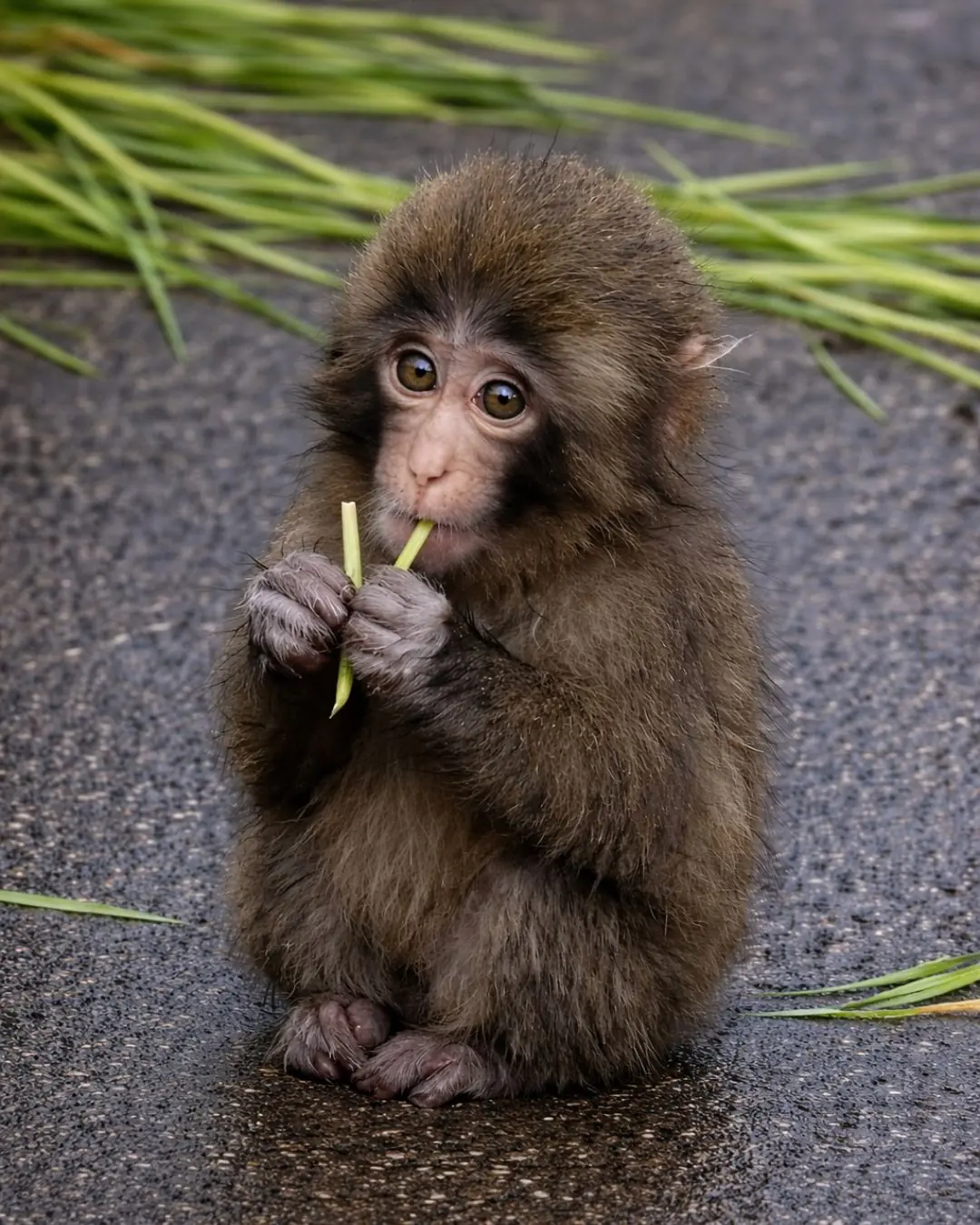
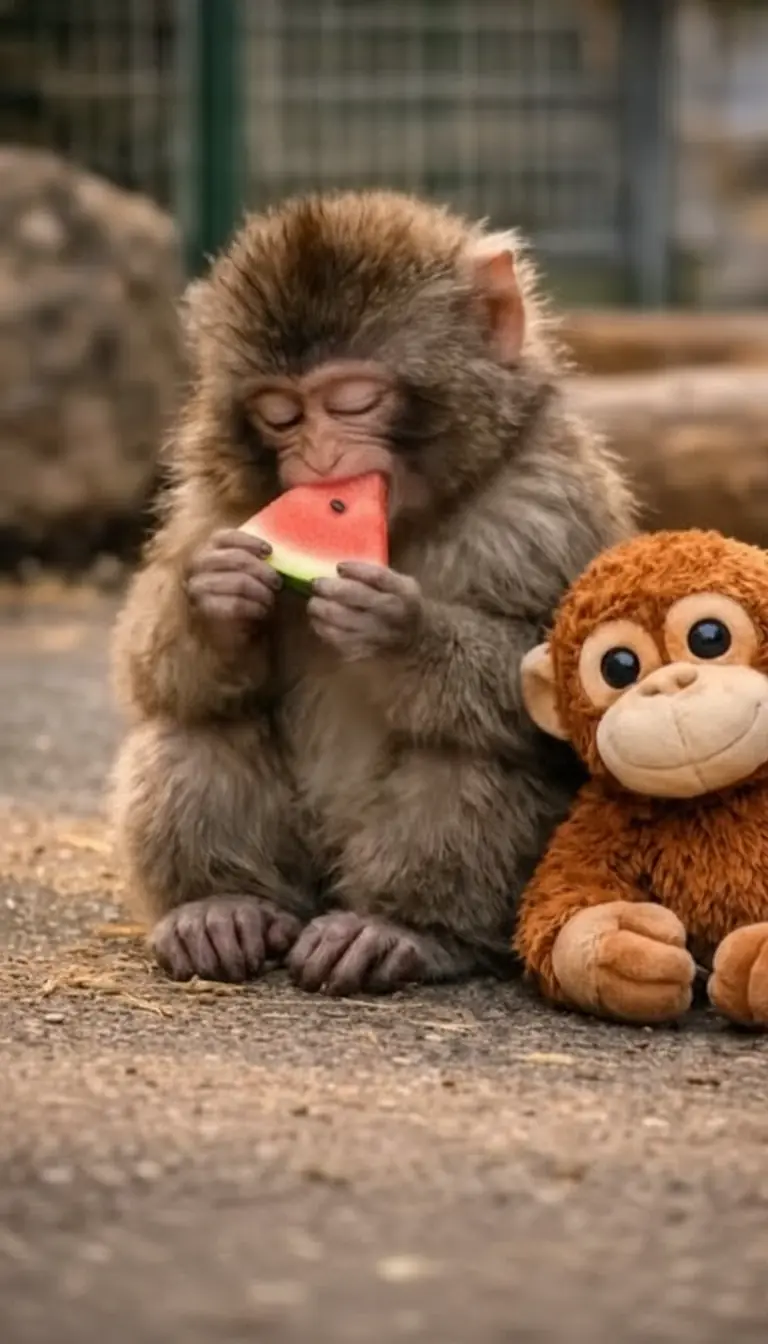
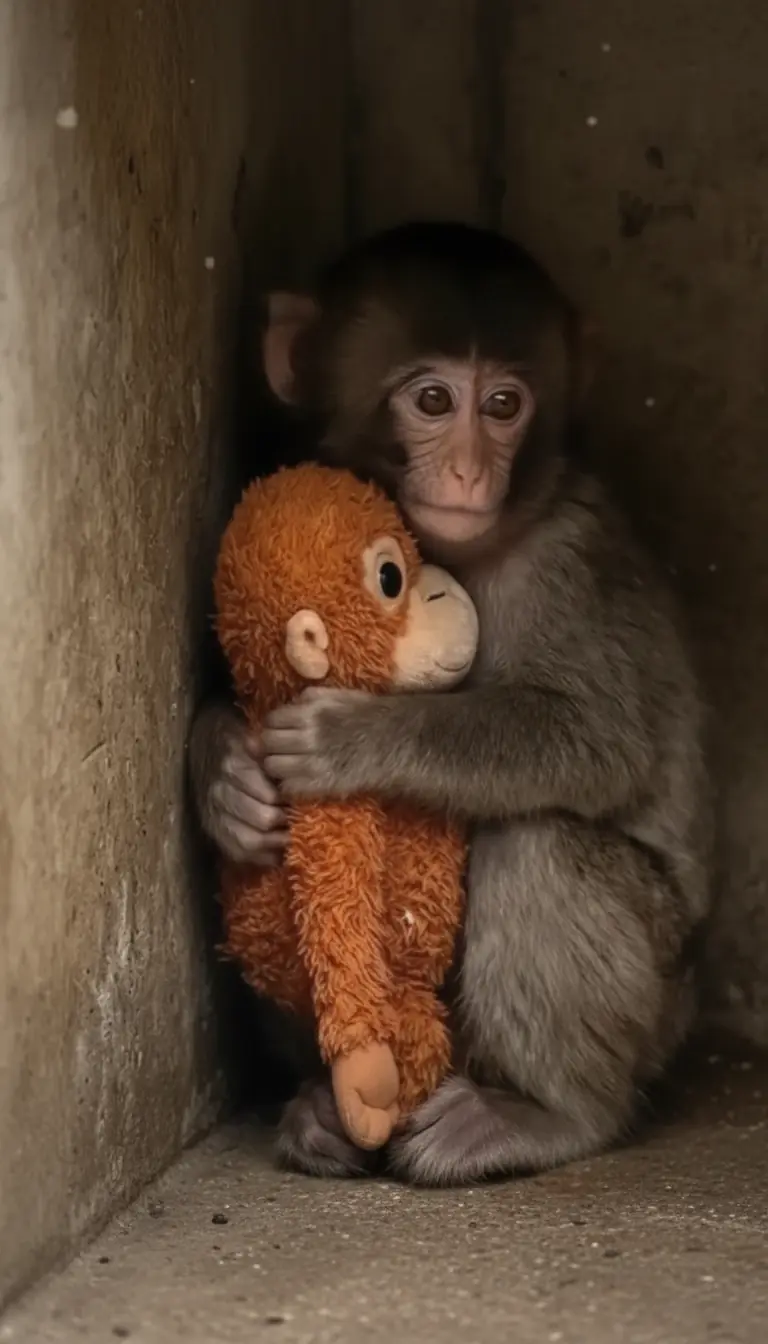
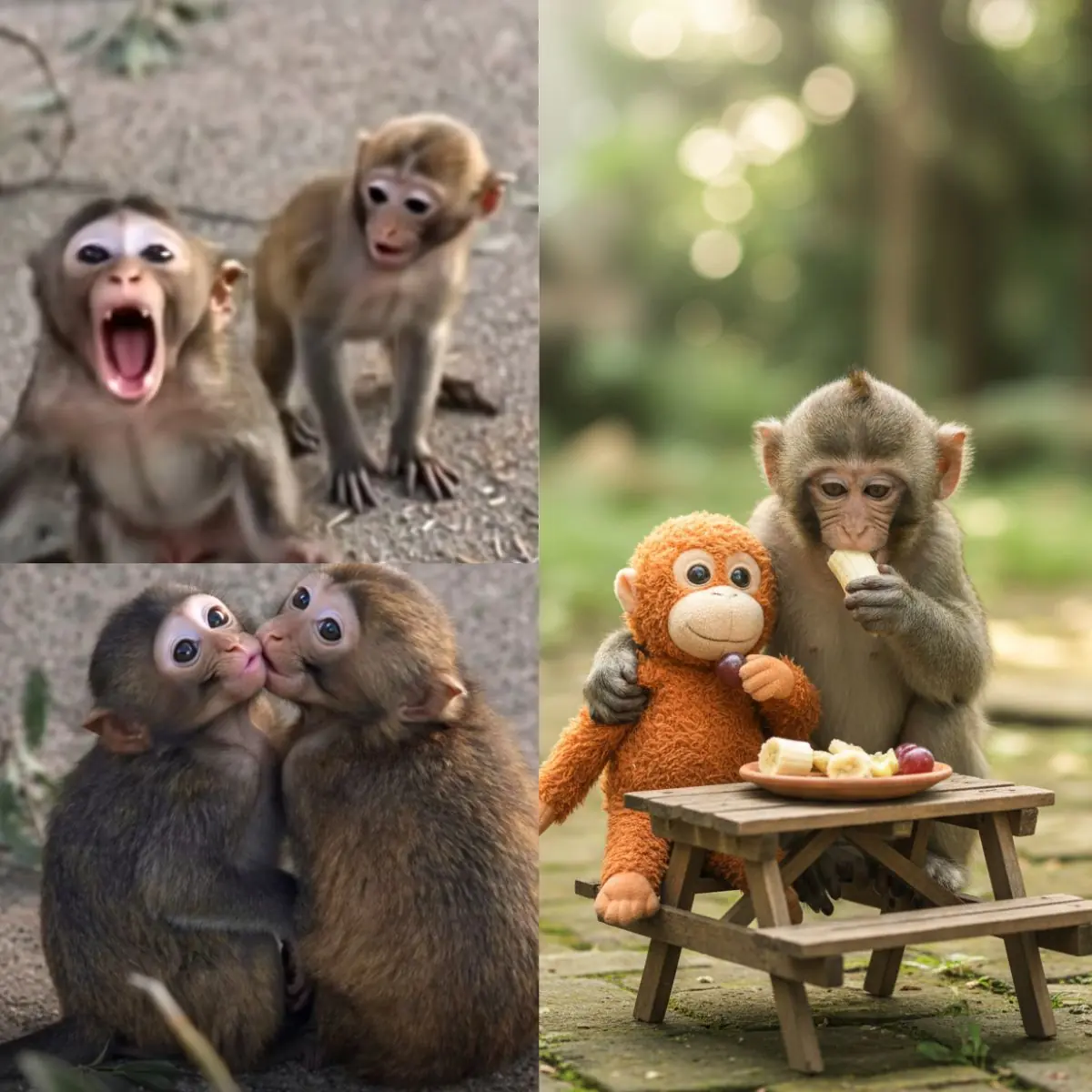
When Are Monkeys Cute—and When Do They Become Problematic? A Scientific Perspective
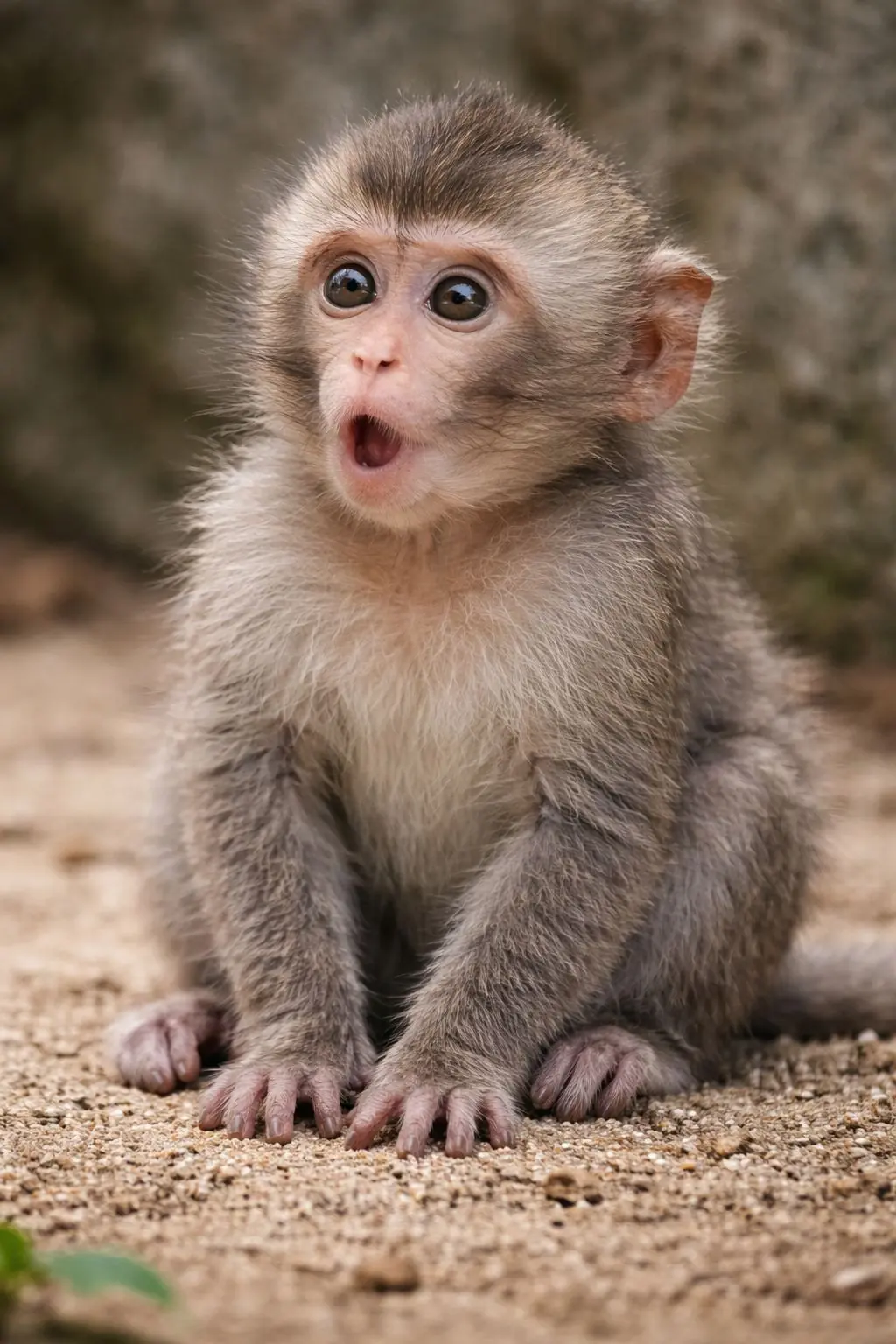
When Are Monkeys Adorable—and When Are They “Annoying”? A Behavioral Science Perspective


Monkeys are among the animals most closely related to humans, both biologically and behaviorally. This similarity is exactly what makes them fascinating—and sometimes frustrating.
At times, monkeys appear incredibly endearing. At other times, they may seem disruptive or even aggressive.
From a scientific standpoint, however, these contrasting impressions are not contradictions in their nature, but reflections of context, environment, and survival strategies.
1. When Are Monkeys Considered Adorable?


Human-like social behaviors
Monkeys are often perceived as “cute” when they display behaviors that humans instinctively relate to:
-
Clinging, hugging, or seeking contact
-
Grooming each other (a key social bonding behavior)
-
Expressing emotions through facial cues and body language
These behaviors trigger empathy because they resemble human social interaction.
Calm and secure states
When monkeys feel safe, they tend to:
-
Move more slowly
-
Interact gently
-
Show curiosity instead of defensiveness
In such conditions, their behavior appears peaceful and approachable.
Play and exploration
Especially in young individuals, monkeys frequently:
-
Explore their surroundings
-
Interact with objects
-
Engage in playful activities within the group
These behaviors reflect intelligence and learning, which humans often interpret as charming.
2. When Are Monkeys Perceived as “Annoying” or Problematic?


Resource-seeking behavior
In environments shared with humans, monkeys often:
-
Grab food directly from people
-
Steal items from bags
-
Approach humans as a food source
From a biological perspective, this is energy-efficient foraging behavior.
From a human perspective, it can be perceived as disruptive.
Defensive or aggressive responses
When threatened, monkeys may:
-
Bare their teeth (a warning signal)
-
Vocalize aggressively
-
Attack if necessary
These are natural defensive mechanisms common among primates.
“Clever” or opportunistic behavior
Monkeys are capable of:
-
Observing human actions
-
Learning patterns quickly
-
Manipulating objects (e.g., opening bags)
What humans label as “mischievous” is often simply advanced problem-solving ability.
3. The Scientific Mechanisms Behind These Behaviors


High cognitive ability
Monkeys possess:
-
Strong memory
-
Observational learning
-
Problem-solving skills
These traits enable rapid adaptation—but also make their behavior less predictable.
Complex social systems
Monkeys live in structured groups with:
-
Hierarchies
-
Alliances
-
Competition for resources
Social dynamics strongly influence individual behavior.
Survival-driven instincts
All behaviors—whether perceived as positive or negative—serve key purposes:
-
Securing food
-
Avoiding threats
-
Maintaining social position
Therefore, their actions should not be judged by human moral standards.
4. The Role of Humans in Shaping Monkey Behavior


Human activity significantly affects monkey behavior:
-
Feeding monkeys alters their natural foraging patterns
-
Creates dependency on human food sources
-
Encourages bold or intrusive behavior
In many cases, what humans perceive as “annoying” behavior is actually a direct consequence of human interaction.
5. Conclusion: The Issue Is Not the Monkey
Monkeys do not switch between being “cute” and “annoying” by choice.
The difference lies in:
-
Environmental context
-
Perceived threat or safety
-
Human interaction patterns
From a scientific perspective, monkeys are simply behaving in ways that maximize their survival.
Understanding this helps reduce conflict and promotes a more balanced view of wildlife—one that respects both their intelligence and their ecological role.
💬 How do you interpret monkey behavior: as emotional expression similar to humans, or purely as survival-driven instinct?