The Ili Pika: The Tiny “Magic Rabbit” Rediscovered After Vanishing for More Than 20 Years
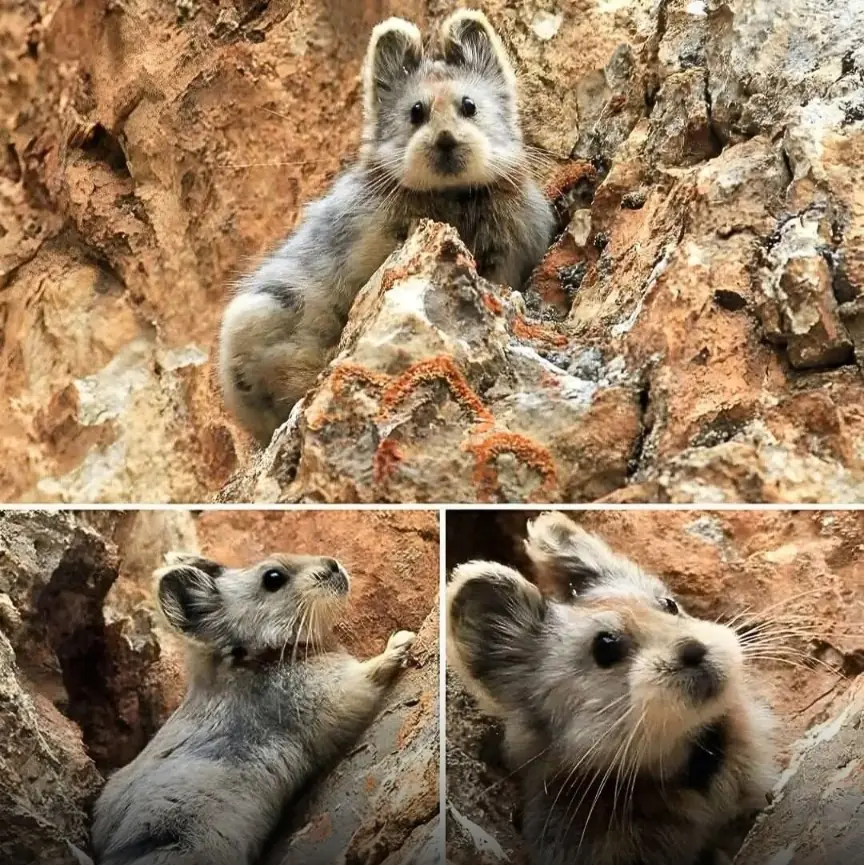
The Ili Pika: The Tiny “Magic Rabbit” Rediscovered After Vanishing for More Than 20 Years


 7
7
Hidden high in the remote mountains of China lives one of the rarest and cutest animals most people have never heard of.
It has:
- the face of a tiny teddy bear,
- round ears like a bunny,
- soft gray fur,
- and an expression so adorable the internet immediately fell in love with it.
This mysterious creature is called the Ili pika, sometimes nicknamed the “magic rabbit.”
And for more than 20 years, almost nobody had seen one.
Many feared it might quietly disappear forever.
Then, after decades without confirmed sightings, the tiny animal was finally photographed again in the wild — shocking scientists and instantly captivating people around the world.
Because honestly?
It barely looks real.
An Animal So Rare Most People Never Knew It Existed
The Ili pika is one of the world’s rarest mammals.
Native to the remote Tian Shan mountain regions of northwestern China, the species lives in rocky, high-altitude environments far away from human settlements. These harsh mountain habitats make the animal incredibly difficult to study or even locate.
In fact, after the species was first scientifically documented in the 1980s, sightings became extremely rare.
For decades, researchers struggled to find evidence that the tiny creature still survived in the wild. Some scientists worried the population had declined severely due to:
- climate change,
- habitat loss,
- and environmental pressure.
Then came the rediscovery.
A wildlife conservationist managed to capture rare photographs of the elusive animal hidden among mountain rocks — marking one of the most emotional wildlife rediscoveries in recent years.
The Internet Couldn’t Believe Something This Cute Was Real


 6
6
As soon as the photos appeared online, social media exploded.
People genuinely thought the images were AI-generated or edited because the animal looked almost impossibly adorable.
Comments flooded the internet:
- “This looks like a Pokémon.”
- “That’s literally a living plush toy.”
- “Nature made a teddy bear rabbit.”
- “Protect this creature at all costs.”
The Ili pika’s appearance creates an almost unfair level of cuteness.
Its oversized ears, round face, tiny nose, and soft fur trigger the same emotional response humans often feel toward baby animals. Scientists sometimes call these features “baby schema” traits — characteristics that instinctively activate nurturing reactions in humans.
Basically, evolution accidentally created one of the cutest mammals on Earth.
And the internet responded exactly as expected.
What Exactly Is an Ili Pika?
Despite its rabbit-like appearance, the Ili pika is not actually a rabbit.
Pikas belong to a small mammal group related to rabbits and hares called lagomorphs. Unlike rabbits, pikas usually have:
- smaller bodies,
- rounder ears,
- short limbs,
- and almost invisible tails.
Most pika species live in cold mountainous environments where they survive among rocks and alpine vegetation.
The Ili pika is especially unusual because:
- it lives at very high elevations,
- it is extremely elusive,
- and its total population may be dangerously small.
Researchers estimate that fewer than a few thousand may remain in the wild.
That rarity makes every confirmed sighting incredibly important.
Why Scientists Were So Worried


 6
6
One major threat facing the Ili pika is climate change.
Because the species depends on cool mountain environments, rising temperatures can force populations higher and higher into shrinking habitats. Eventually, animals adapted to cold alpine ecosystems may run out of suitable areas entirely.
This phenomenon affects many mountain species worldwide.
As temperatures rise:
- vegetation changes,
- snow patterns shift,
- and fragile ecosystems become unstable.
For tiny animals with already limited populations, even small environmental changes can become devastating.
That is why the rediscovery brought both excitement and concern.
Finding the species alive was wonderful news.
But it also reminded scientists how vulnerable the animal still remains.
The “Magic Rabbit” Became a Symbol of Hidden Wildlife
The Ili pika’s rediscovery fascinated people because it felt almost magical.
In a modern world dominated by technology, cities, and constant online information, many assume humans have already discovered everything important on Earth.
But stories like this prove otherwise.
Remote mountain ranges, forests, oceans, and isolated ecosystems still hide creatures most people will never see in real life.
For years, the Ili pika existed almost like a myth:
- rarely photographed,
- barely studied,
- and hidden deep within inaccessible mountains.
Then suddenly, the tiny animal reappeared and reminded the world that nature still contains mysteries.
That sense of wonder is one reason the story became so emotionally powerful online.
Why People Feel Protective Toward Rare Cute Animals


 6
6
Humans naturally feel strong emotional attachment toward animals perceived as small, harmless, or vulnerable.
The Ili pika checks every possible box:
- tiny size,
- soft fur,
- oversized ears,
- huge eyes,
- rare status,
- and gentle appearance.
Psychologically, these features activate empathy and protective instincts extremely quickly.
That emotional response can actually help conservation efforts. When people emotionally connect with a species, they are more likely to support habitat protection and environmental awareness campaigns.
The panda became famous partly for this reason.
Now many people believe the Ili pika could become another important symbol for wildlife conservation awareness.
A Tiny Survivor Hidden in the Mountains
Perhaps the most incredible part of the Ili pika story is how quietly the species survived all these years.
While humans built cities, advanced technology, and transformed landscapes worldwide, this tiny mountain animal continued hiding silently among rocks high above the clouds.
Unseen.
Almost forgotten.
Yet somehow still alive.
That quiet survival feels strangely inspiring.
In many ways, the Ili pika became a symbol of resilience — proof that even the rarest creatures can endure against extraordinary odds.
The World Fell in Love With the Ili Pika
The Ili pika probably has no idea it became one of the internet’s favorite rare animals overnight.
To the tiny creature, life likely remains simple:
- hiding among rocks,
- surviving cold mountain weather,
- and avoiding predators high in the alpine wilderness.
But to millions of people online, the rediscovered animal became something unforgettable.
A tiny “magic rabbit” hidden for decades suddenly emerged from the mountains looking like a cross between:
- a teddy bear,
- a bunny,
- and a living stuffed animal.
And honestly?
The world immediately decided it must be protected at all costs.