The Untold Truth About Punch the Monkey: Beyond Viral Videos and Emotional Stories
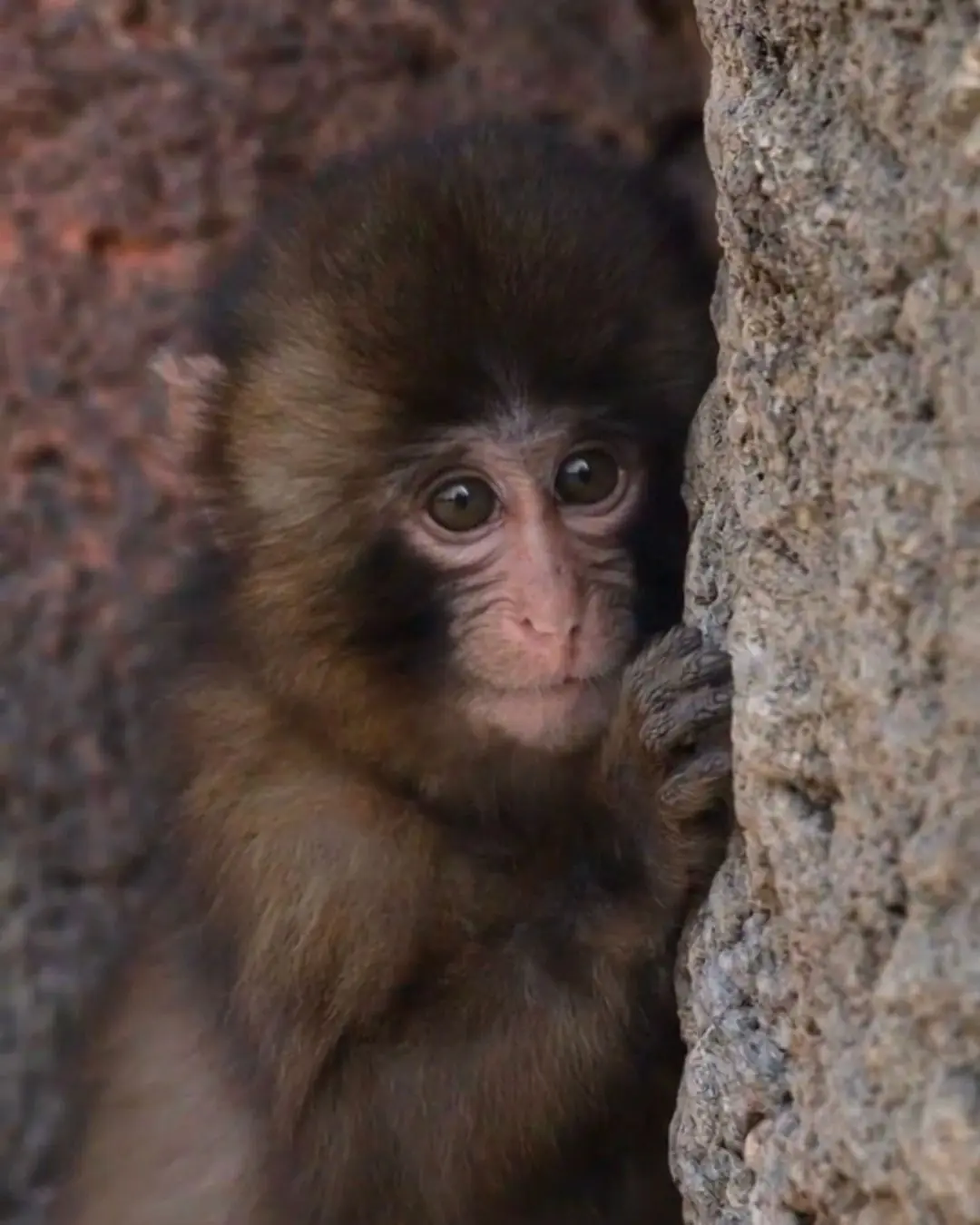
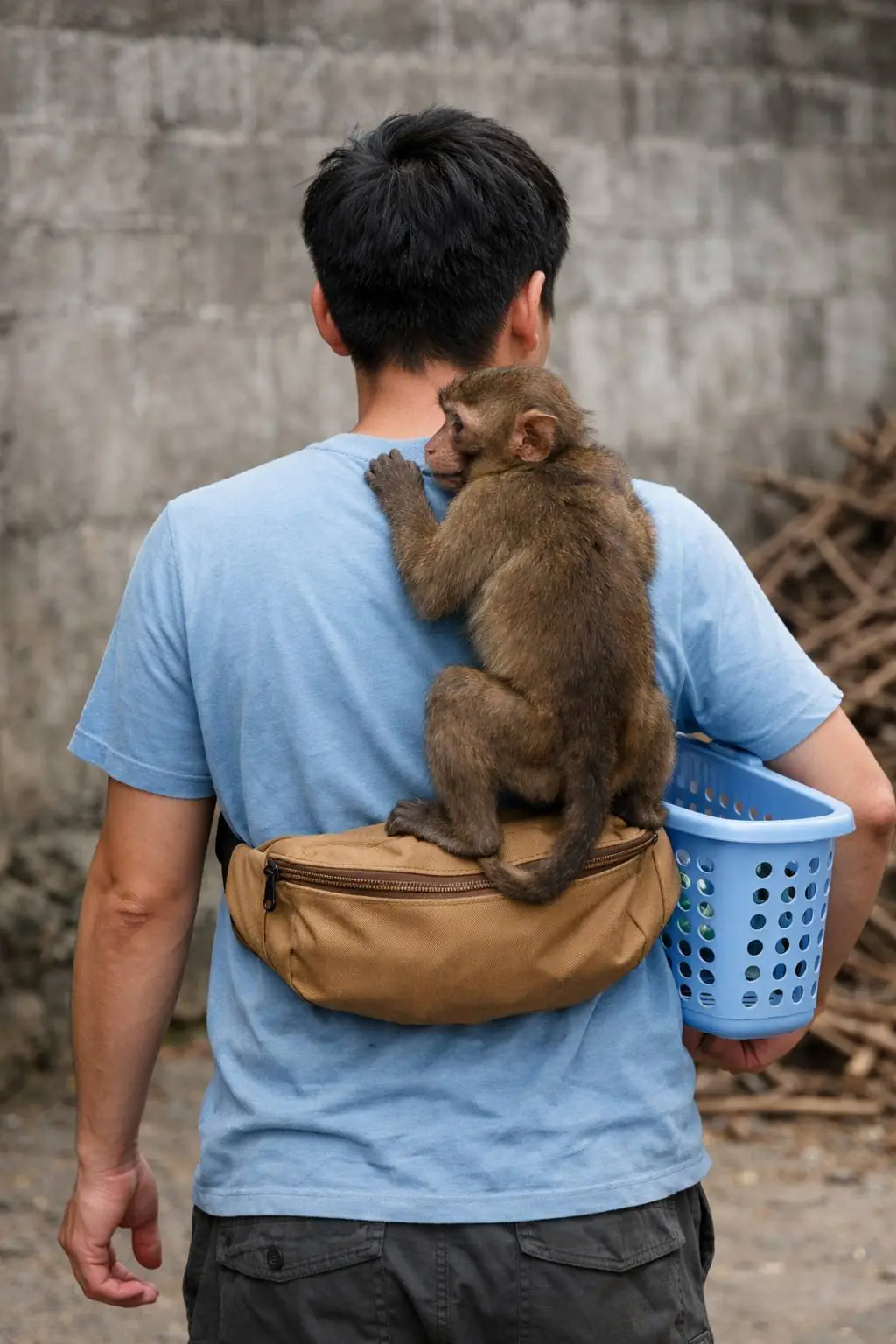
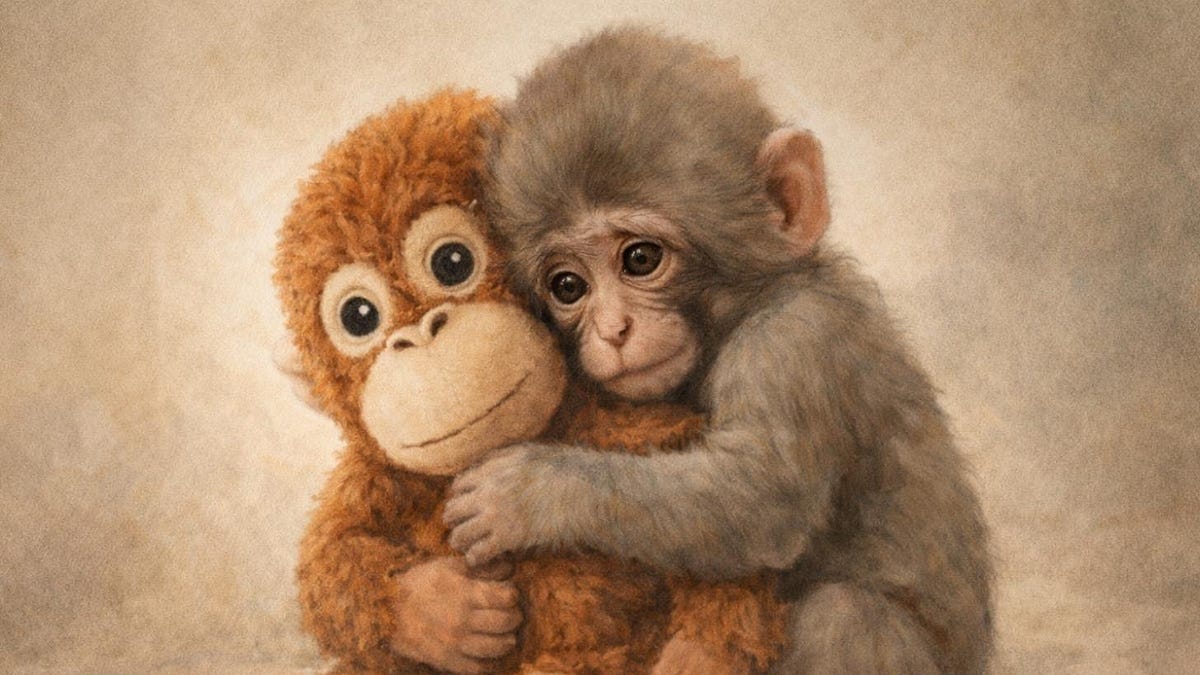
In recent years, the story of Punch — a young Japanese macaque — has spread across social media, attracting millions of views.
Most people see:
-
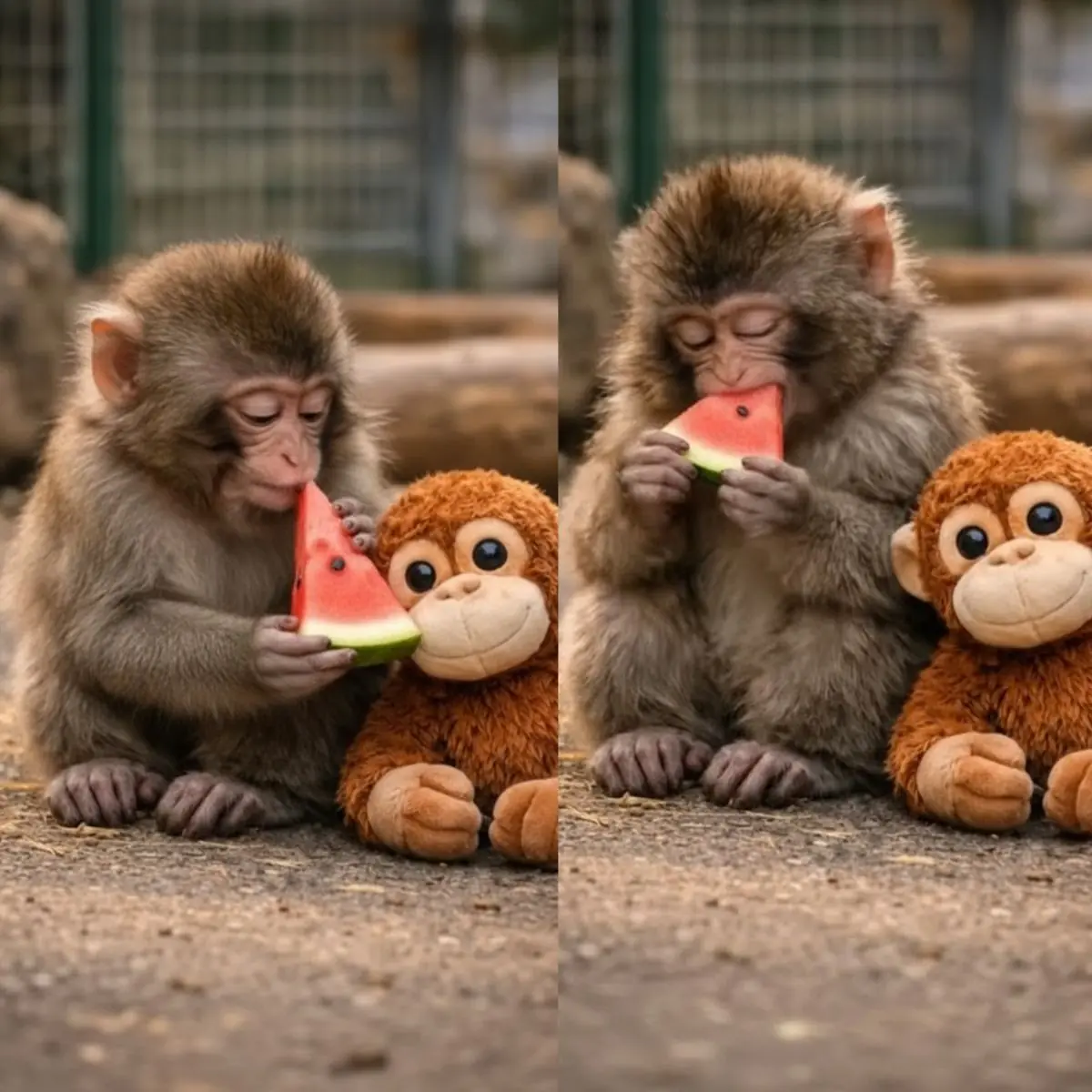
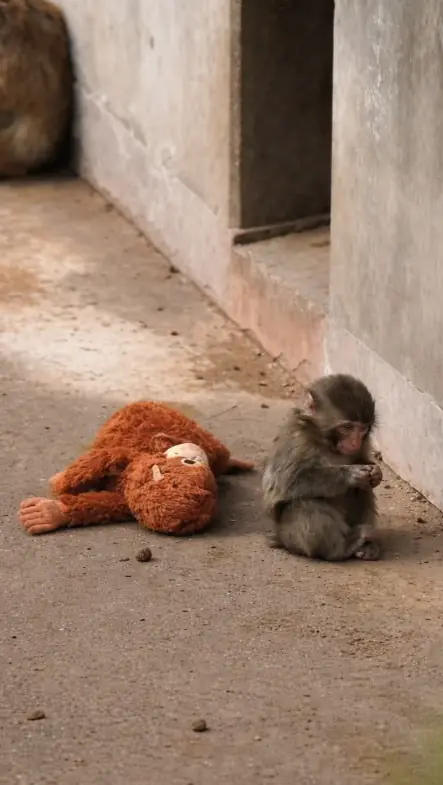
A baby monkey hugging a plush toy
-
A lonely animal finding “love”
-
A heartwarming journey toward happiness
But if we remove the emotional filter created by viral content—
👉 A very different story appears.
One that is:
-
More complex
-
More scientific
-
And sometimes… uncomfortable
🧠 1. BEHAVIORAL SCIENCE: NOT LOVE, BUT SURVIVAL



At the core of Punch’s behavior lies a well-known concept in behavioral psychology:
👉 Comfort attachment
This phenomenon was famously demonstrated by Harry Harlow.
His experiments showed:
-
Infant monkeys preferred a soft “mother” over a wire one
-
Even when the wire mother provided food
What does this mean for Punch?
Punch does not “love” the plush toy in a human sense.
Instead:
-
He is responding to a survival instinct
-
Seeking softness, warmth, and security
The uncomfortable truth:
👉 The plush toy is not a symbol of happiness
👉 It is a sign of emotional deprivation
⚠️ A SIGNAL OF TRAUMA
Over-attachment to objects in primates often indicates:
-
Loss of maternal bonding
-
Emotional stress
-
Developmental disruption
The toy becomes:
👉 A psychological substitute
Not a choice—
👉 But a necessity.
🎬 2. MEDIA & VIRAL CONTENT: THE POWER OF HUMANIZATION


Punch’s story did not go viral by accident.
It was shaped.
Edited.
Framed.
📱 THE ROLE OF ANTHROPOMORPHISM
Anthropomorphism is the act of giving human emotions and meanings to animals.
In Punch’s case:
-
“Mom”
-
“Girlfriend”
-
“Lonely child”
These labels make the story:
👉 Easier to understand
👉 More emotional
👉 More shareable
⚠️ THE RISK
But this comes with consequences.
When we interpret animal behavior through human emotion:
👉 We may misunderstand their true needs
For example:
-
“Hugging” may be for warmth
-
“Staying close” may be for safety
-
“Affection” may be social bonding
👉 Not romance.
🏞️ 3. ZOO ETHICS & CONSERVATION QUESTIONS

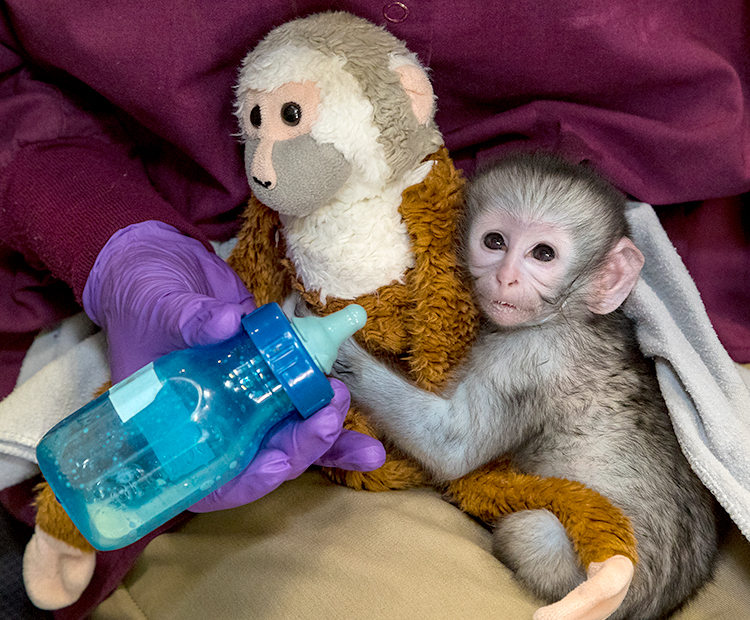
Punch’s story also raises important ethical questions.
❓ WHY WAS HE ABANDONED?
In controlled environments like zoos:
-
Animals are monitored
-
Conditions are managed
So why did maternal rejection occur?
Possible reasons include:
-
Stress in captivity
-
Social imbalance
-
Lack of natural structure
🤖 HUMAN INTERVENTION
Providing a plush toy is:
👉 Compassionate
But also:
👉 Artificial
It highlights a deeper issue:
-
The absence of natural maternal replacement
-
The need for human-made solutions
⚖️ THE DILEMMA
Zoos must balance:
-
Animal welfare
-
Natural behavior
-
Human intervention
Punch exists at the intersection of all three.
🧠 4. CROWD PSYCHOLOGY: WHY PEOPLE CONNECT SO DEEPLY
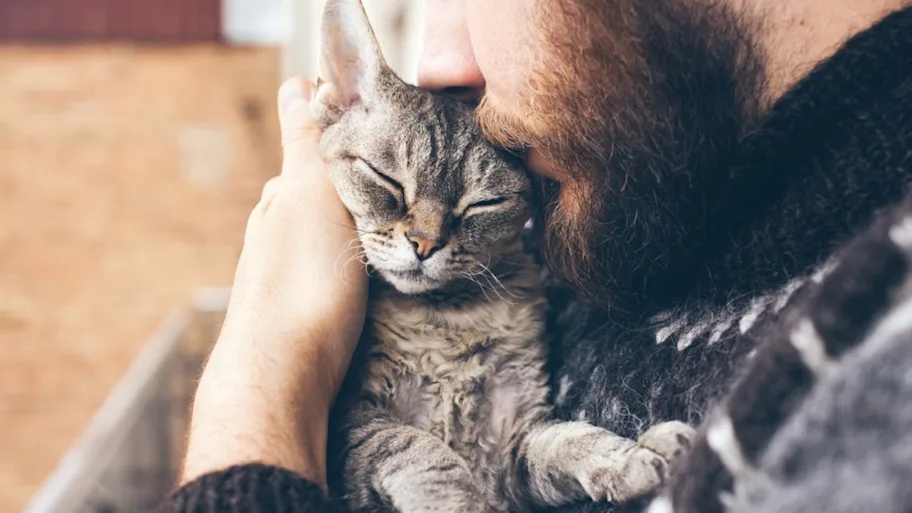


One of the most fascinating aspects is not Punch—
👉 But us.
Why do millions of people feel so connected to his story?
💔 IDENTIFICATION WITH LONELINESS
Punch represents:
-
Vulnerability
-
Abandonment
-
Emotional need
These are deeply human experiences.
🌱 THE NEED FOR HEALING
In modern life:
-
Many people feel isolated
-
Many carry emotional wounds
Punch becomes:
👉 A mirror
✨ THE POWER OF HOPE
When Punch:
-
Survives
-
Bonds with others
-
Finds connection
People feel:
👉 Hope
“ If he can recover… maybe I can too. ”
🧩 5. THE ROLE OF MOMO-CHAN: NOT LOVE, BUT RECOVERY
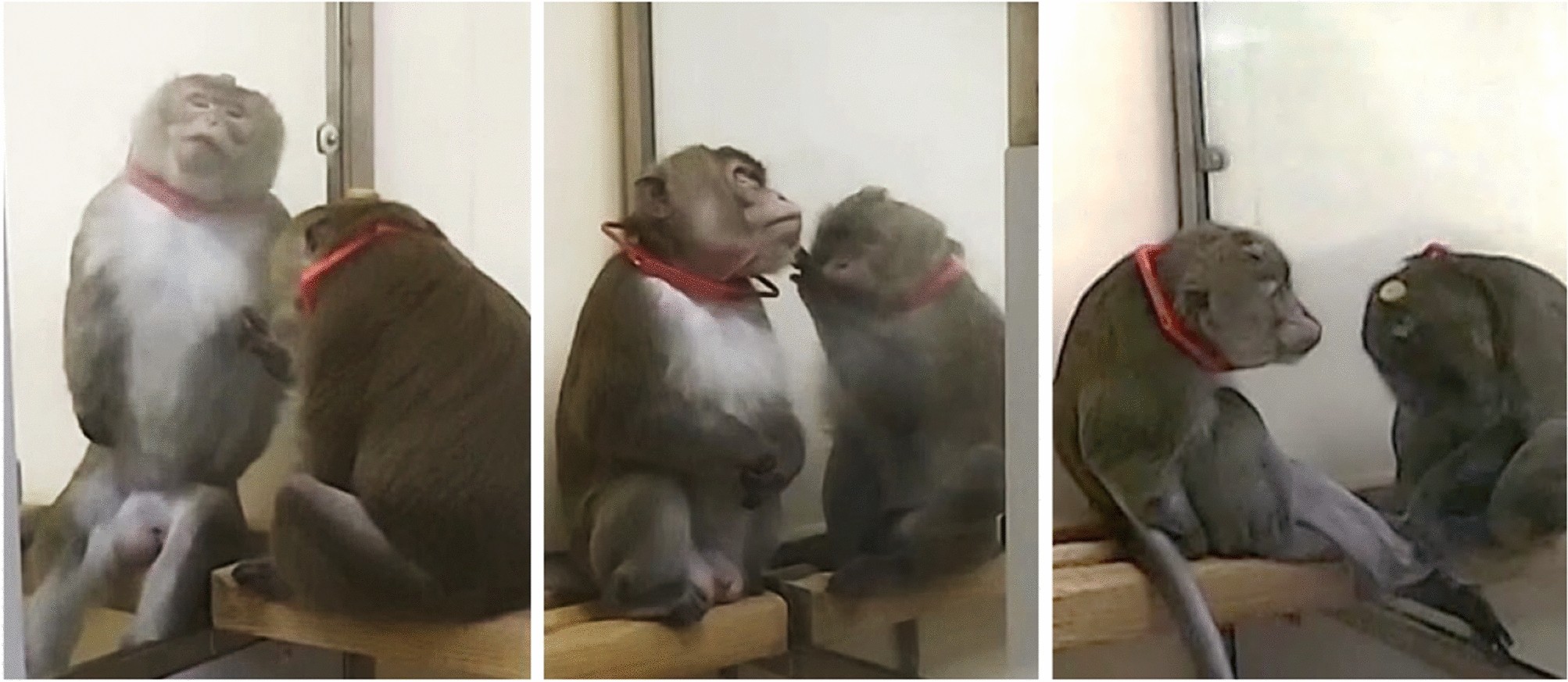
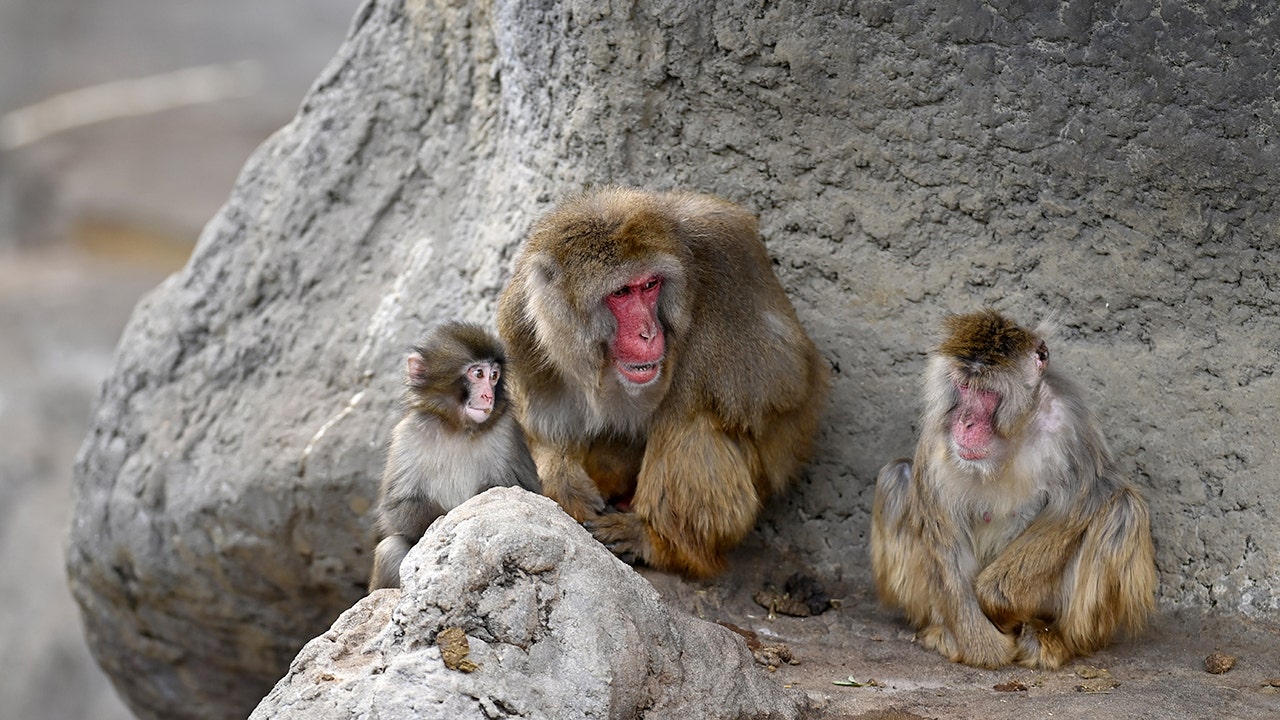

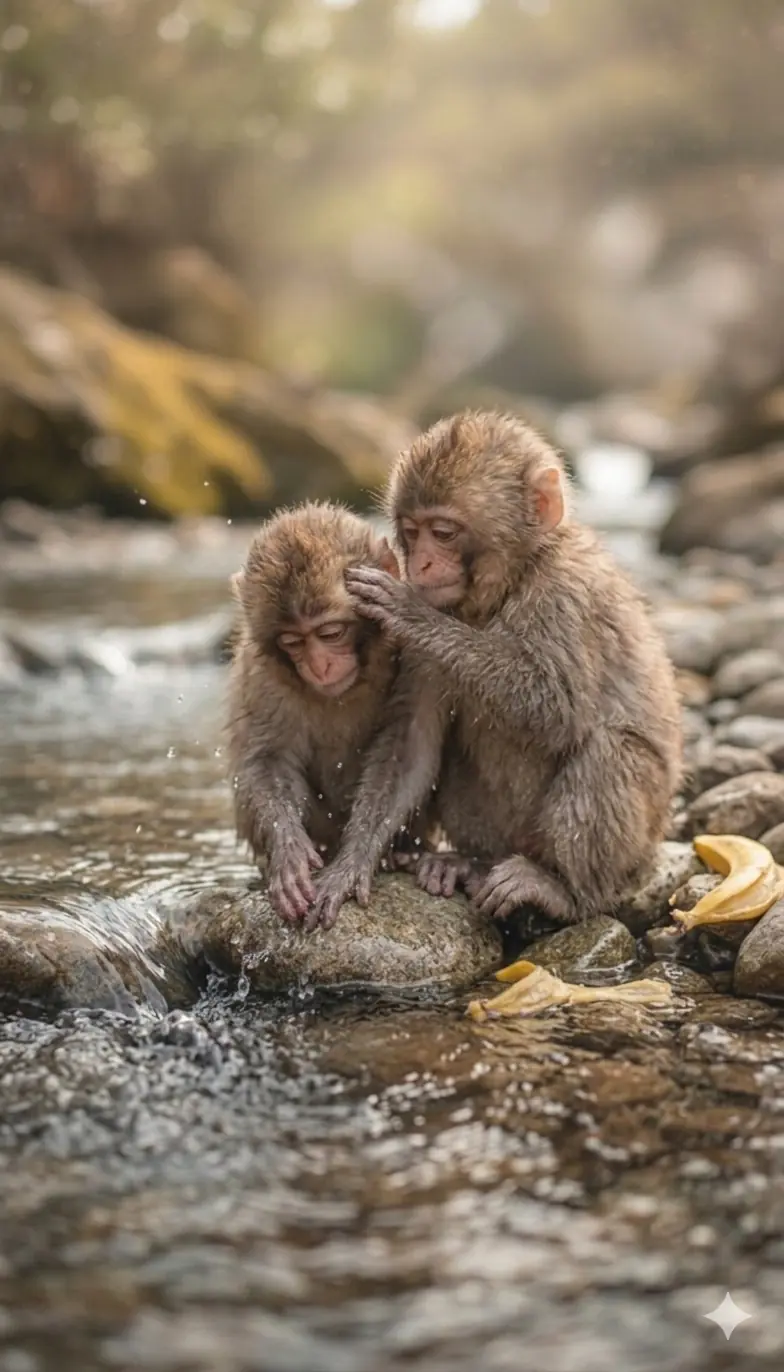
The introduction of Momo-chan is often framed as:
👉 Romance
But scientifically:
👉 It is rehabilitation
🧬 SOCIAL REINTEGRATION
Macaques require:
-
Social interaction
-
Group belonging
-
Behavioral learning
Momo-chan helps Punch:
-
Rebuild trust
-
Learn social cues
-
Reduce dependency on objects
👉 She is not just a “partner”
👉 She is part of a recovery system
💬 THE DEEPER MESSAGE
Punch’s story is not just about a monkey.
It is about:
-
Trauma
-
Adaptation
-
Connection
And most importantly—
👉 The universal need to feel safe
❓ A QUESTION FOR YOU
When you watch Punch’s story—
Do you see:
👉 A cute moment?
Or—
👉 A deeper reflection of emotional survival?
❤️ FINAL THOUGHT
Punch is not just a viral animal.
He is:
-
A survivor of early disruption
-
A subject of human storytelling
-
A mirror of human emotion
And perhaps the most important realization is this:
👉 We are not just watching him
👉 We are seeing ourselves in him