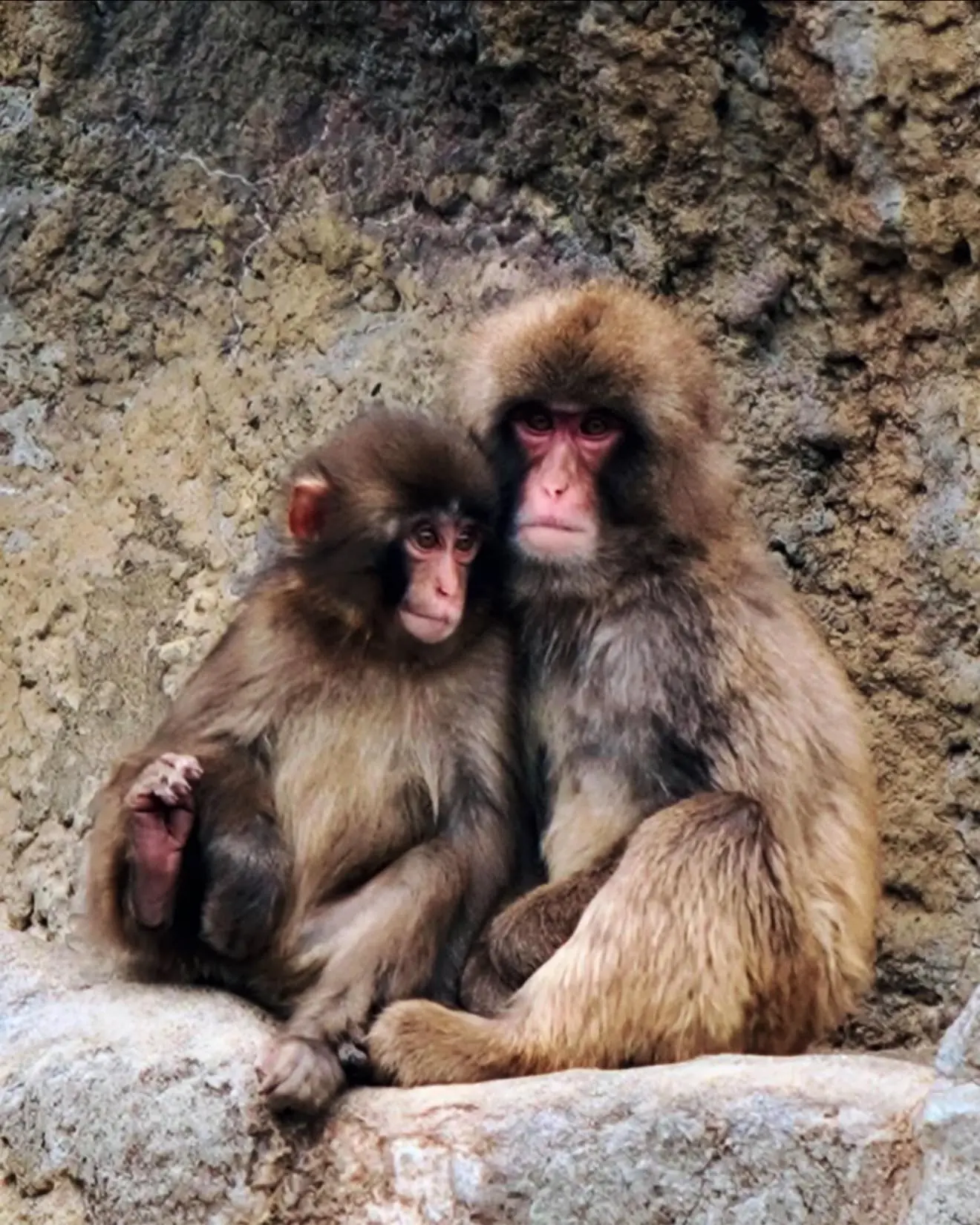
Not All Fruits Are Safe for Monkeys: Dangerous Foods You Should Never Feed Them

Many people assume that monkeys, as omnivorous animals, can eat almost any type of fruit. This common belief is misleading.
While monkeys share some similarities with humans in terms of digestion, their systems are highly sensitive to certain natural toxins found in plants. Feeding the wrong type of fruit can lead to severe reactions, ranging from digestive distress to fatal poisoning.
This article explores the most dangerous fruits for monkeys and explains why they pose such serious risks.
1. Avocado – A Hidden Killer
Although avocados are considered highly nutritious for humans, they can be extremely dangerous for many monkey species, especially smaller primates.
Why is it dangerous?
Avocados contain a fungicidal toxin called persin, which is present in:
-
Leaves
-
Skin
-
Seeds
-
Even small amounts in the flesh
Effects on monkeys
When ingested, persin can cause:
-
Fluid accumulation (edema)
-
Breathing difficulties
-
Heart complications
-
Rapid death in severe cases
Even minimal exposure may trigger serious digestive issues in sensitive species.
2. Citrus Fruits – Too Much Acidity


Monkeys can consume citrus fruits in small amounts. However, excessive intake or highly acidic varieties can cause negative reactions.
Why does this happen?
Citrus fruits contain high levels of citric acid, which can irritate the digestive lining.
Possible consequences
-
Acute diarrhea
-
Dehydration
-
Vomiting
-
Dental enamel damage
In captive environments, overconsumption may lead to prolonged loss of appetite.
3. Persimmons – A Mechanical Threat


Persimmons, particularly unripe ones, pose a unique danger—not chemical, but mechanical.
Why are they risky?
They contain high levels of tannins, which can react with stomach acids.
What happens next?
This reaction forms a hardened mass called a bezoar, which:
-
Cannot be digested
-
Cannot pass through the intestines
Outcome
Without surgical intervention, intestinal blockage can lead to fatal complications.
4. Fruit Seeds – A Source of Cyanide


While fruits like apples, pears, peaches, and plums are generally safe, their seeds are not.
Why are seeds dangerous?
They contain amygdalin, a compound that releases cyanide when crushed and digested.
Why monkeys are at risk
Monkeys often chew seeds completely, increasing toxin exposure.
Effects
-
Dizziness
-
Seizures
-
Respiratory failure
-
Cardiac arrest
Even small amounts can be life-threatening.
5. Grapes and Raisins – A Mysterious Toxic Reaction


Grapes and raisins present a unique case. Similar to dogs, some primates exhibit unexplained toxic reactions.
What is known?
The exact toxic mechanism remains unclear.
Observed symptoms
-
Vomiting
-
Muscle weakness
-
Reduced urine output
Serious risk
In some cases, consumption has been linked to acute kidney failure.
WHY DO MONKEYS DEVELOP NEGATIVE REACTIONS TO CERTAIN FRUITS?
1. Excess Sugar Content
Modern cultivated fruits contain far more sugar than wild fruits.
Monkeys are not biologically adapted to process such high levels.
Consequences
-
Fatty liver disease
-
Diabetes
-
Hair loss
-
Lethargy
These symptoms are often mistaken for allergies but are actually metabolic disorders.
2. Pesticide Exposure
Fruit grown for human consumption often contains pesticide residues.
Because monkeys have smaller body mass, toxins affect them more severely.
Symptoms of exposure
-
Eye swelling
-
Skin irritation
-
Tremors or seizures
3. Digestive Limitations
Some species, such as leaf-eating monkeys (e.g., langurs), have specialized digestive systems.
When exposed to:
-
High-sugar fruits
-
Acidic foods
Fermentation occurs too rapidly.
Result
-
Bloating
-
Gas buildup
-
Risk of stomach rupture
PRACTICAL ADVICE WHEN INTERACTING WITH MONKEYS


To protect monkeys, it is important to follow these guidelines:
Avoid random feeding
Do not offer:
-
Unknown fruits
-
Processed foods
-
Fruits with hard seeds
Prioritize vegetables
Leafy greens and low-sugar vegetables are generally safer than sweet fruits.
Observe behavior
Warning signs after eating include:
-
Facial swelling
-
Continuous scratching
-
Lethargy or curled posture
These may indicate poisoning or adverse reactions and require immediate attention.
CONCLUSION
Understanding which fruits are dangerous for monkeys is essential for their health and survival.
What may seem like an act of kindness—offering food—can unintentionally become harmful.
Responsible interaction with wildlife begins with knowledge.
Monkeys are not indiscriminate eaters. They are biologically complex animals with specific dietary needs. Respecting those needs is a crucial step toward ethical wildlife care and conservation.
FINAL QUESTION
Were you surprised by any of the foods on this list?
Understanding the risks is the first step in protecting these intelligent and sensitive animals.