Little Punchy Sat There Quietly… And Visitors Could Immediately Tell Something Was Wrong
Little Punchy Sat There Quietly… And Visitors Could Immediately Tell Something Was Wrong
Most people visit the zoo expecting happy moments.
Laughing children.
Playful animals.
Cute photos that make everyone smile before moving on with their day.
But recently, visitors at Punchy’s Zoo experienced something completely different — something that left many people emotional, uncomfortable, and honestly heartbroken after seeing little Punchy sitting alone looking bruised and exhausted following several reported attacks inside the monkey enclosure.
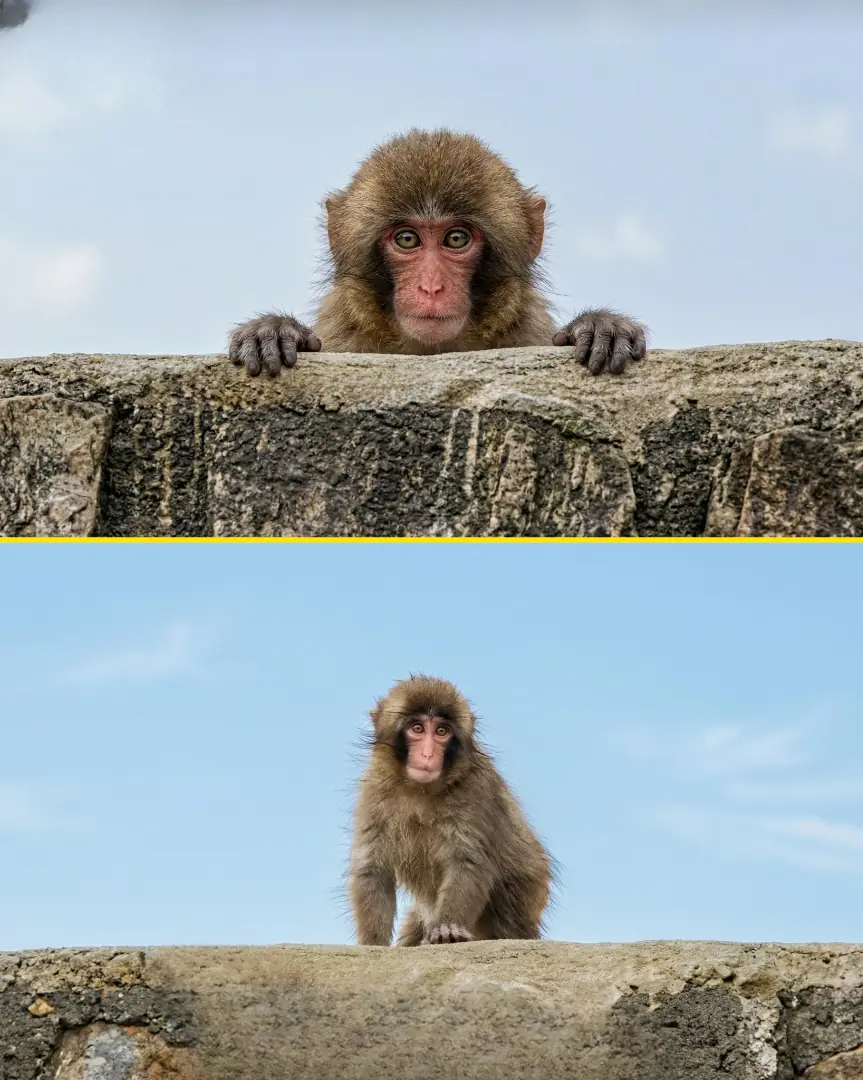
The tiny monkey who once became famous online for his innocent smile suddenly looked completely different.
And people noticed immediately.
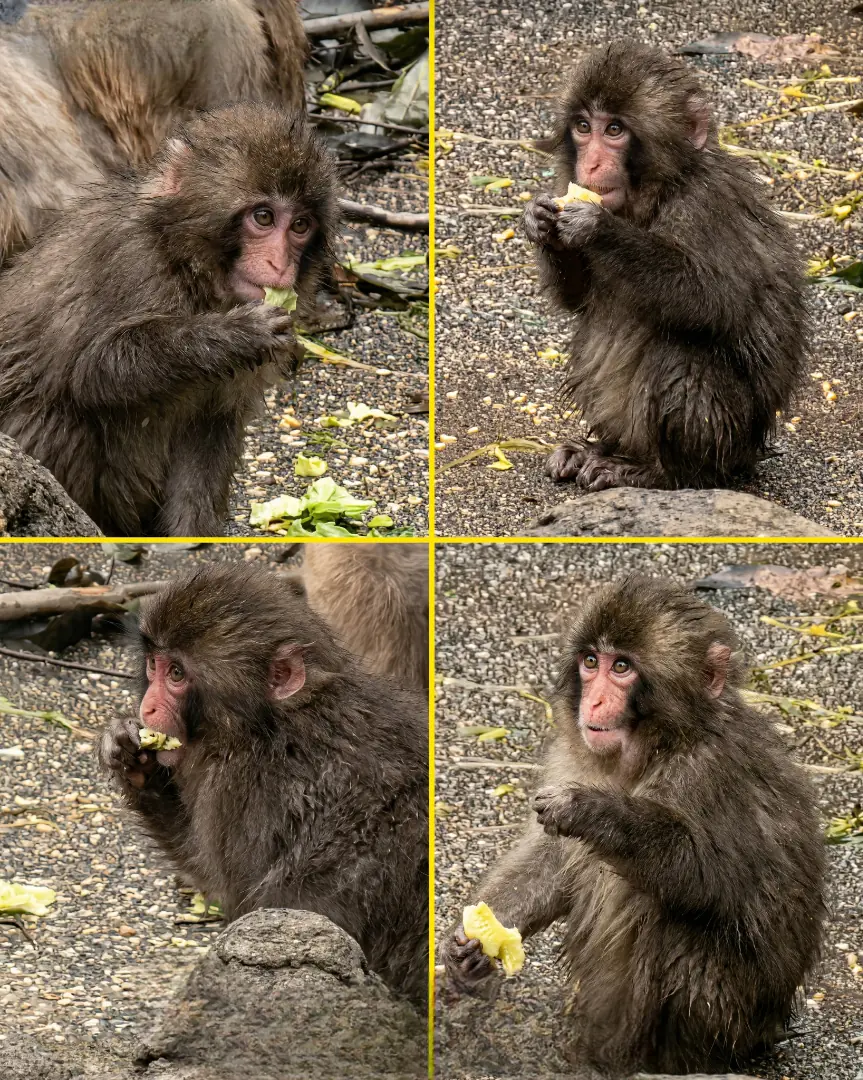
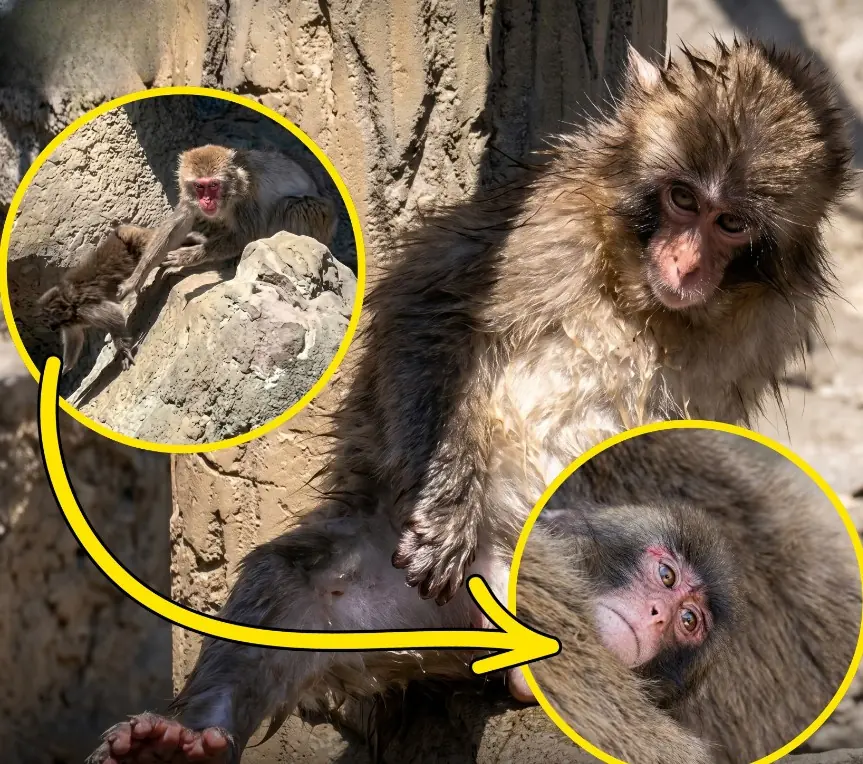
Instead of the playful expressions visitors had grown used to seeing, Punchy sat quietly against the rocky structure with wet fur hanging around his tiny body. His posture looked weak. His eyes looked tired. Even from a distance, something about him felt painfully fragile.
For many visitors, it was difficult to watch.


 6
6
According to several zoo visitors and online discussions surrounding the enclosure, Punchy had reportedly been involved in repeated aggressive interactions over multiple days. Some witnesses claimed older monkeys pushed him away from resting spots, chased him during feeding times, or physically overwhelmed him while competing for space inside the group.
While social dynamics among primates can naturally include rough behavior, many visitors felt especially emotional seeing such a tiny young monkey appear overwhelmed and isolated afterward.
And honestly, the images spread online shocked people.
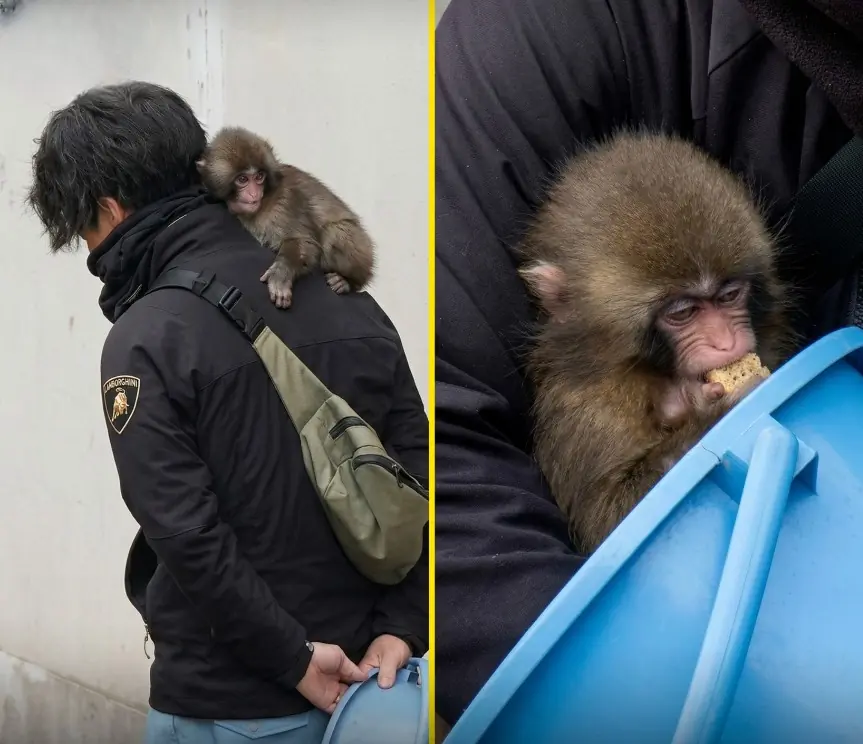
One photo showed Punchy sitting motionless against the rocks while staring downward with heavy eyes. Another captured him curled against another monkey, looking emotionally drained rather than playful. The contrast between these new images and his earlier smiling photos hit people hard.
Thousands of comments quickly appeared online.
“This doesn’t even look like the same monkey anymore.”
“He looks exhausted.”
“Why is nobody protecting him?”
“This genuinely broke my heart.”
The emotional reaction became intense very quickly.


 7
7
Zoo experts explain that monkey social groups can be extremely complicated, especially for younger animals still learning hierarchy and social boundaries. Young monkeys often face challenges integrating into active groups where older or stronger members dominate feeding areas, sleeping spaces, and movement patterns.
Occasional pushing, grabbing, or chasing behavior is not unusual in primate groups.
However, when repeated stress affects a young monkey physically or emotionally, caretakers usually monitor the situation very carefully to prevent long-term harm or social isolation.
That is exactly why many visitors now hope the zoo increases observation around Punchy’s group.
Several guests who recently visited the enclosure described feeling uncomfortable watching the tiny monkey sit alone for extended periods while other monkeys moved around him. Some claimed he appeared hesitant to approach certain areas or avoided direct interaction after recent conflicts.
Whether temporary or more serious, the situation clearly affected people emotionally.
Because Punchy had already become more than “just another monkey” to many visitors.
His face was familiar now.
People remembered his smile.
They remembered the playful photos that made the internet fall in love with him.
So seeing him suddenly appear vulnerable created an emotional reaction far stronger than anyone expected.

 7
7
Zoo staff have not publicly described the situation as dangerous, but caretakers are reportedly monitoring group interactions closely to ensure Punchy remains safe and healthy moving forward. Veterinary teams commonly observe young primates after stressful encounters to check for injuries, behavioral changes, appetite problems, or social withdrawal.
Many animal experts also remind visitors that primate behavior can look emotionally human even when driven by natural animal instincts. Because monkeys express fear, stress, curiosity, and comfort through facial expressions and body language similar to humans, people naturally form strong emotional attachments to them.
That emotional connection is exactly why Punchy’s condition affected so many people online.
Some viewers admitted they felt strangely protective over him after following his story for weeks. Others said the newest images reminded them how vulnerable young animals truly are inside complex social groups.
And honestly, the hardest part for many people was not the bruises.
It was the expression in his eyes.
The exhaustion.
The quietness.
The way he seemed to sit there without the same playful energy everyone had fallen in love with earlier.

 6
6
Still, many visitors remain hopeful.
Young monkeys are resilient, especially when surrounded by attentive caretakers and stable social support within their group. Zoo staff continue observing Punchy daily, ensuring he eats properly, rests safely, and recovers from any stress caused by recent incidents.
And despite everything, some visitors say they still occasionally catch small glimpses of the old Punchy returning.
A curious glance.
A tiny playful movement.
A soft expression that briefly reminds everyone of the little monkey whose smile once made millions of people happy.
Maybe that is why so many people continue rooting for him now.
Because sometimes the smallest creatures end up bringing out the strongest emotions in people.