He Wasn’t Playing—He Was Holding On: Understanding Infant Primate Attachment
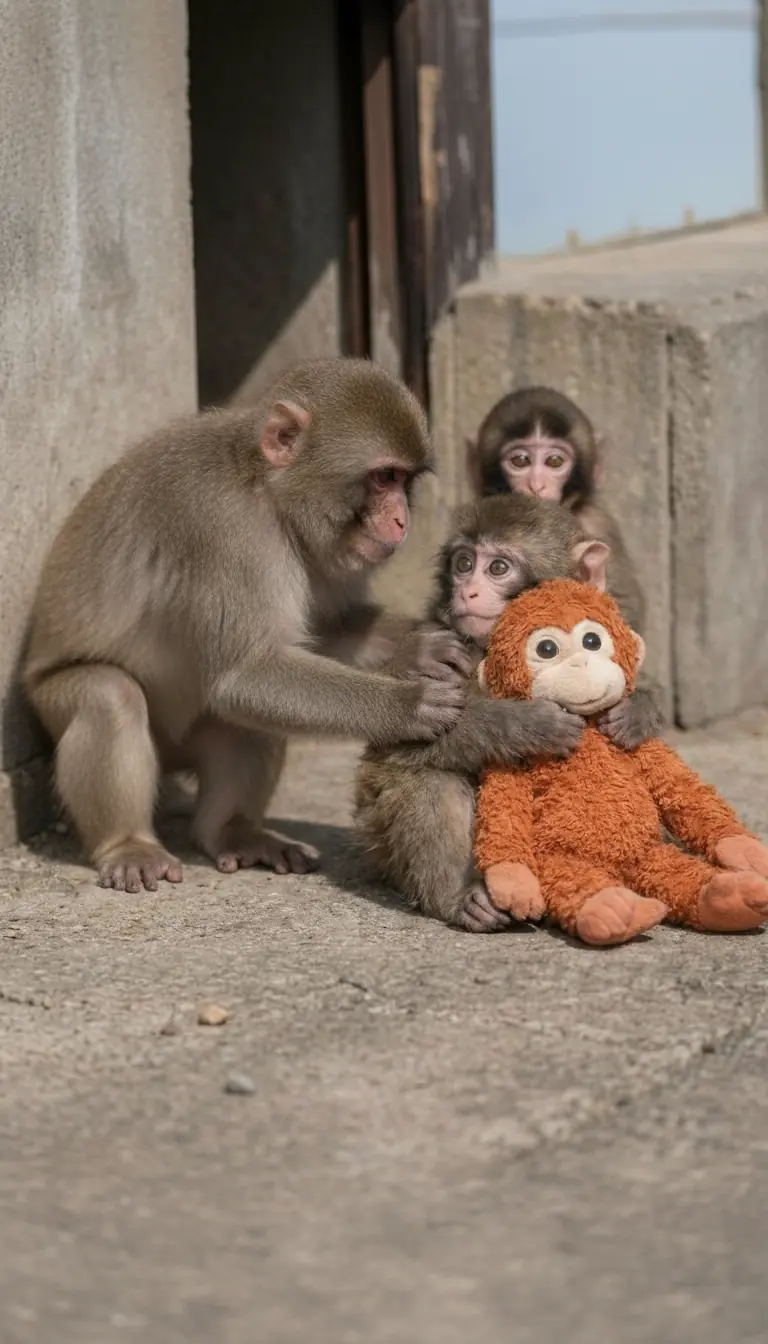
He Wasn’t Playing—He Was Holding On: A Scientific Perspective on Infant Monkey Behavior


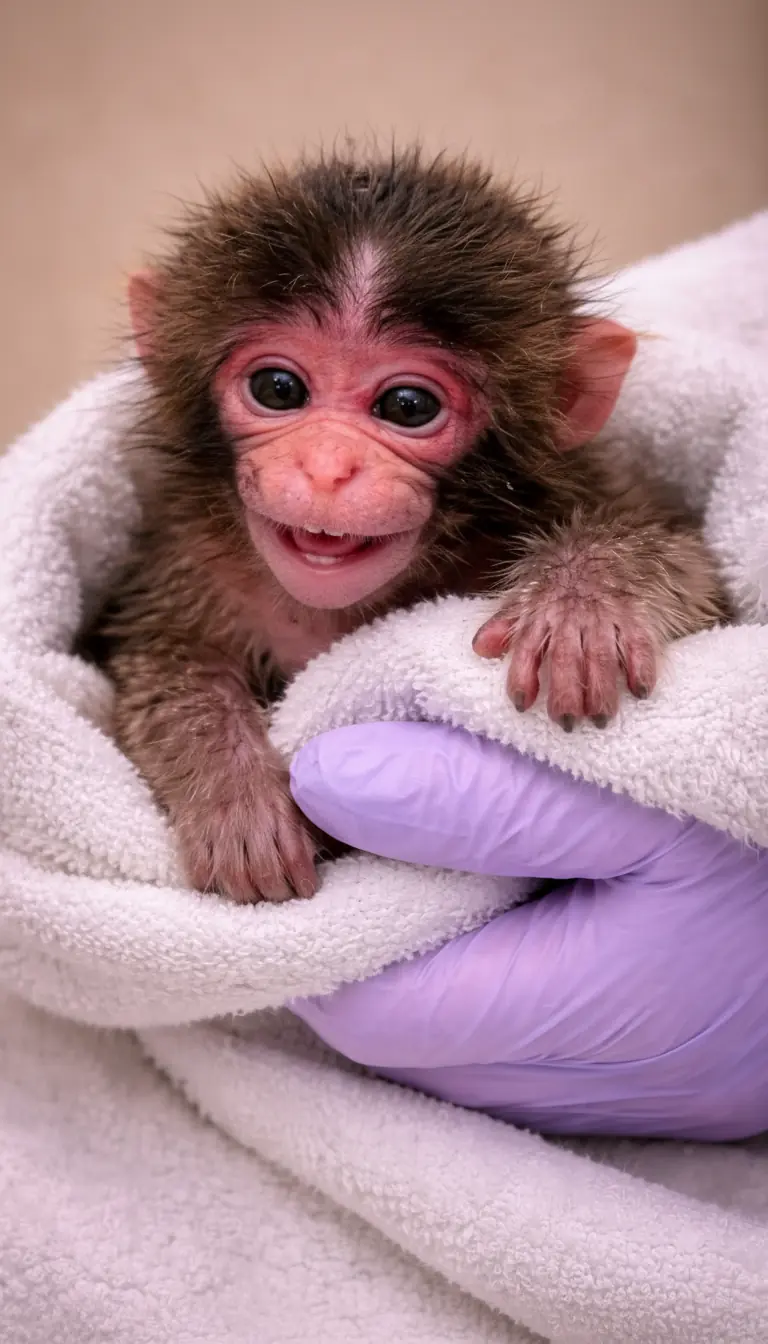
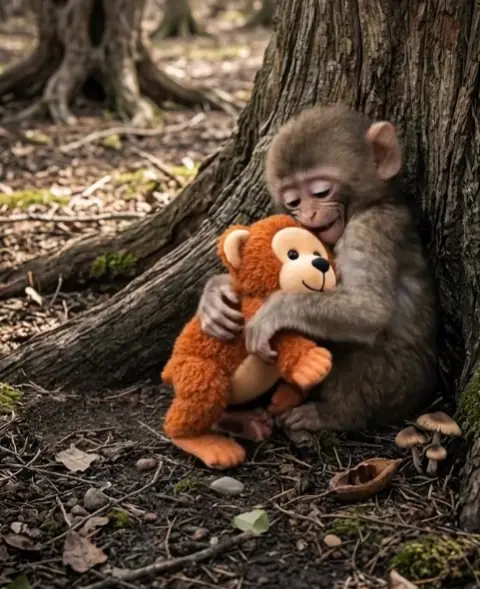
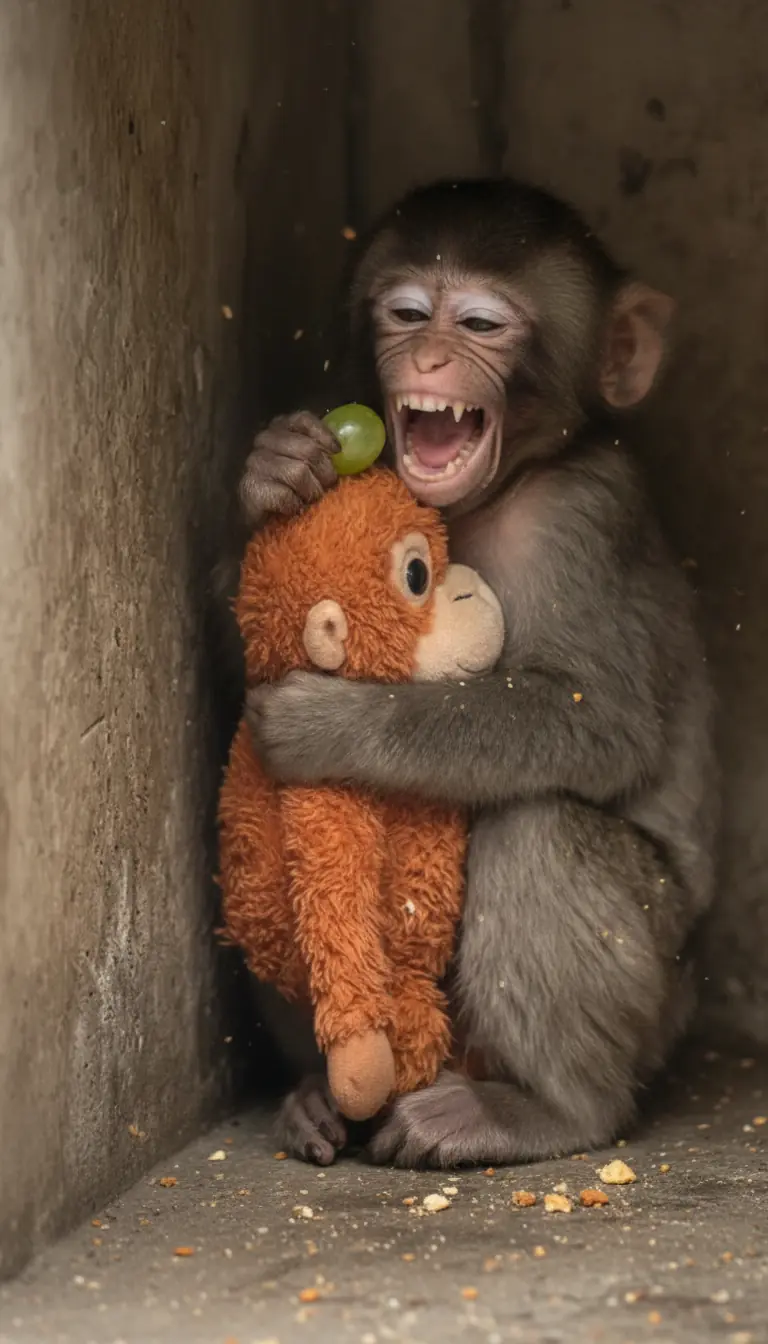
At first glance, the image of a baby monkey clinging tightly to an adult figure may appear playful or endearing. However, from a behavioral science perspective, such actions often reflect a far more fundamental process: attachment-driven survival behavior.
In early developmental stages, infant primates do not cling out of curiosity or play. They cling because their survival depends on proximity, warmth, and protection. What appears to be affection is, in many cases, a deeply rooted biological response to insecurity and environmental stress.
1. Clinging as a Survival Mechanism


Among primates, physical contact between mother and infant is not optional—it is essential. Newborn monkeys are biologically programmed to:
-
Grasp and hold onto a caregiver
-
Maintain constant physical proximity
-
Seek warmth and tactile reassurance
This behavior is governed by attachment systems that ensure the infant remains protected during its most vulnerable stage of life.
When a young monkey clings tightly, especially in unfamiliar or stressful conditions, it is not engaging in play. It is responding to a perceived threat by seeking the only available source of safety.
2. The Role of Fear and Environmental Stress


In situations where the infant experiences:
-
Separation from the mother
-
Changes in environment
-
Exposure to unfamiliar stimuli
the attachment response intensifies.
The body of the infant reflects this state:
-
Muscles remain tense
-
Grip becomes stronger and more persistent
-
Movement decreases as the focus shifts to maintaining contact
From a neurobiological standpoint, this is associated with elevated stress responses, including increased cortisol levels. Physical contact serves as a regulatory mechanism, helping to stabilize the infant’s physiological state.
3. Do Infant Monkeys Understand Loss?


A critical question often arises: does a baby monkey understand what it has lost?
Current research in comparative psychology suggests that infant primates do not conceptualize loss in abstract terms as humans do. However, they are highly sensitive to:
-
Absence of familiar contact
-
Disruption of routine bonding
-
Changes in sensory input (touch, smell, warmth)
In other words, they may not “understand” loss cognitively, but they experience it somatically and emotionally.
This distinction is important. The distress observed is not symbolic—it is immediate, physical, and deeply felt.
4. Contact Comfort and Emotional Regulation


The concept of contact comfort, first demonstrated in classic primate studies, highlights the importance of touch over even basic needs like food in early development.
When an infant monkey is held:
-
Heart rate stabilizes
-
Stress hormone levels decrease
-
Behavioral agitation is reduced
This indicates that physical contact is not merely comforting—it is regulatory.
Clinging, therefore, is not just a sign of dependency. It is a functional mechanism for maintaining internal balance in the face of uncertainty.
5. Holding On as a Behavioral Expression of Need


When observing a case like Punchy, it is essential to interpret behavior through the correct lens.
The act of holding on tightly should not be misread as:
-
Playfulness
-
Curiosity
-
Social engagement
Instead, it reflects:
-
A need for safety
-
A response to uncertainty
-
An attempt to re-establish stability
In the absence of the primary caregiver, the infant transfers this attachment behavior to the nearest available source of perceived security.
6. Implications for Human Interpretation


Humans often interpret animal behavior through an emotional or anthropomorphic lens. While this can foster empathy, it can also lead to misunderstanding.
In the case of infant primates:
-
What appears as affection may be survival behavior
-
What appears as calmness may be a coping response
-
What appears as attachment may be necessity rather than choice
A scientific perspective allows for a more accurate understanding, grounded in biology and behavior rather than projection.
Conclusion
The image of a baby monkey clinging tightly is not simply a moment of tenderness—it is a clear expression of an underlying biological system designed to ensure survival.
Punchy was not playing. He was holding on because, at that stage of life, holding on is the only strategy available.
He may not have understood loss in conceptual terms, but he experienced its effects through the absence of safety, warmth, and familiarity.
Understanding this distinction helps us move beyond surface impressions and toward a deeper appreciation of the emotional and physiological realities that shape animal behavior.