Canada Moves Toward Stronger Animal Protection Laws for Pets
Canada Moves Toward Stronger Animal Protection Laws for Pets


 6
6
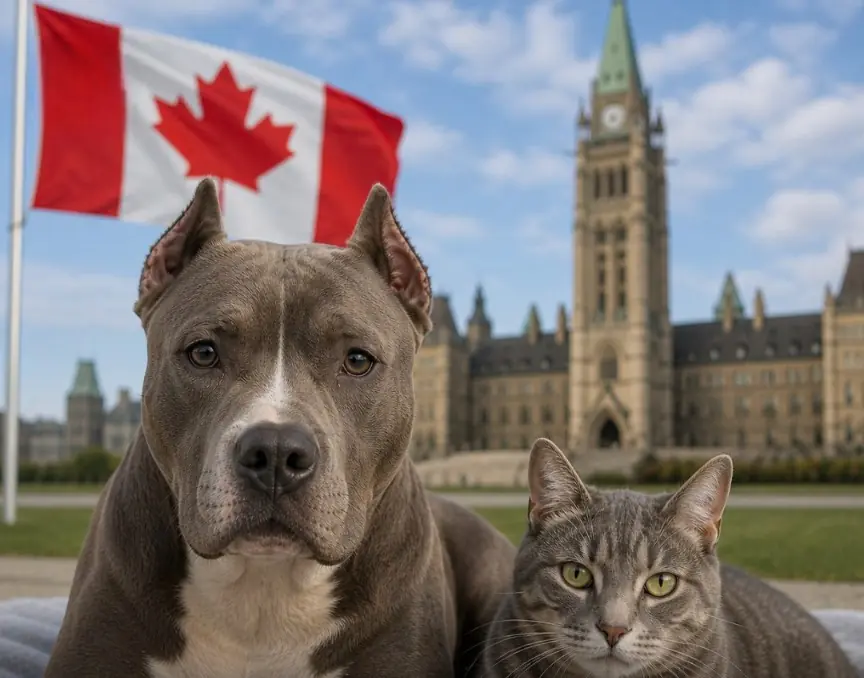
A growing conversation about animal welfare is taking center stage as Canada moves toward restricting or prohibiting certain non-medical cosmetic surgeries performed on pets, including procedures such as tail docking, ear cropping, and declawing.
For many animal advocates, this represents a major cultural shift in how society views companion animals.
Not as accessories.
Not as aesthetic objects.
But as living beings capable of pain, stress, fear, and long-term physical consequences.
The topic has sparked passionate debate online, especially among veterinarians, pet owners, breeders, rescue organizations, and animal welfare groups.
And emotionally, the conversation reaches far beyond medical procedures alone.
At its core, it asks a deeper question:
Should animals undergo painful surgeries simply to match human preferences or cosmetic standards?
For millions of people, the answer is increasingly becoming no.
What Are Cosmetic Procedures on Pets?
Several procedures historically performed on pets are considered cosmetic rather than medically necessary.
These may include:
- Tail docking – shortening a dog’s tail
- Ear cropping – surgically altering ears to stand upright
- Declawing – removing part of a cat’s toes and claws
- Other appearance-related modifications
In some cases, these procedures became associated with breed standards, aesthetics, or tradition rather than health benefits.
However, veterinary and animal welfare experts have increasingly raised concerns regarding pain, behavioral impact, and long-term complications.
Many critics argue that animals should not experience unnecessary surgery solely for appearance.
Why Declawing Has Become Especially Controversial


 7
7
Among these procedures, declawing has become one of the most debated.
Many people mistakenly believe declawing simply removes a cat’s nails. In reality, the procedure often involves amputating part of the toe bone connected to the claw.
Animal welfare advocates argue this can lead to:
- Chronic pain
- Mobility problems
- Stress behaviors
- Anxiety
- Litter box avoidance
- Long-term discomfort
Cats naturally rely on claws for:
- Stretching
- Balance
- Defense
- Climbing
- Normal behavioral expression
As public awareness grows, more veterinarians and animal organizations have shifted toward recommending alternatives such as:
- Scratching posts
- Nail trimming
- Behavioral training
- Protective nail caps
For many animal lovers, the idea of removing claws for furniture protection feels increasingly difficult to justify ethically.
The Debate Around Ear Cropping and Tail Docking
Ear cropping and tail docking remain controversial in many countries.
Supporters sometimes argue these procedures are linked to:
- Historical working roles
- Breed traditions
- Injury prevention in specific activities
Critics, however, argue that modern companion pets rarely require such procedures medically and that cosmetic modification primarily serves human preferences.
Animal welfare organizations frequently emphasize that dogs communicate heavily through body language — including ears and tails.
Tail movement, ear position, posture, and facial expression all play important roles in canine communication.
Removing or altering these features may affect how dogs interact socially with humans and other animals.
Why Society’s Relationship With Pets Is Changing


 8
8
Over the past several decades, public attitudes toward pets have changed dramatically.
For many households, dogs and cats are no longer viewed simply as animals living in the home.
They are family members.
People celebrate birthdays for pets.
Purchase health insurance.
Invest heavily in veterinary care.
Adjust travel plans around animals.
Treat pets emotionally like children.
As emotional attachment increases, public tolerance for cosmetic or unnecessary procedures often decreases as well.
This shift reflects a broader cultural emphasis on empathy and animal welfare.
Animal Welfare Laws Are Expanding Globally
Canada is not alone in reconsidering cosmetic animal surgeries.
Several countries and regions around the world have already restricted or banned certain procedures considered unnecessary or inhumane.
Animal welfare legislation has expanded significantly in recent years regarding:
- Puppy mills
- Animal transport
- Shelter standards
- Wildlife exploitation
- Cosmetic surgeries
- Ethical breeding practices
Public awareness through social media has accelerated these conversations dramatically.
Images, rescue stories, veterinary explanations, and educational campaigns now spread globally within hours.
As a result, younger generations especially tend to prioritize ethical treatment of animals more strongly than previous decades.
Not Everyone Agrees


 5
5
Of course, the issue remains controversial in some circles.
Certain breeders and owners argue that:
- Breed traditions should be preserved
- Some procedures have historical purposes
- Regulations may become too restrictive
- Responsible professionals can perform procedures safely
Others believe owners should maintain freedom of choice regarding pets.
Meanwhile, animal welfare advocates counter that tradition alone does not justify unnecessary pain or permanent physical alteration.
The debate often becomes emotional because it involves conflicting views about:
- Ethics
- Human responsibility
- Animal autonomy
- Cultural practices
- Veterinary standards
Why This Conversation Matters Beyond Pets
At first glance, the issue may seem limited to veterinary policy.
But emotionally and ethically, the conversation touches something larger:
How humans choose to treat vulnerable living beings under their care.
Animals cannot consent to cosmetic procedures. They depend entirely on humans to make decisions in their best interest.
That responsibility carries moral weight.
Many advocates believe society is gradually moving toward a model where animal welfare takes priority over aesthetics, convenience, or tradition.
A Sign of Changing Values

 8
8
The growing push to restrict non-medical cosmetic surgeries on pets represents more than legislation.
It reflects changing values.
A shift from seeing animals as possessions toward recognizing them as emotional, sentient companions capable of suffering and attachment.
For many people, the movement feels like progress.
Not because it is about politics.
Not because it is about controlling pet ownership.
But because it is rooted in a simple idea:
If humans truly consider pets family, then their comfort, safety, and well-being should matter more than appearance.
And perhaps that is why conversations like this continue gaining momentum around the world.