Why Punch Feels Lonely at Night: The Psychology Behind a Baby Monkey Hugging a Toy
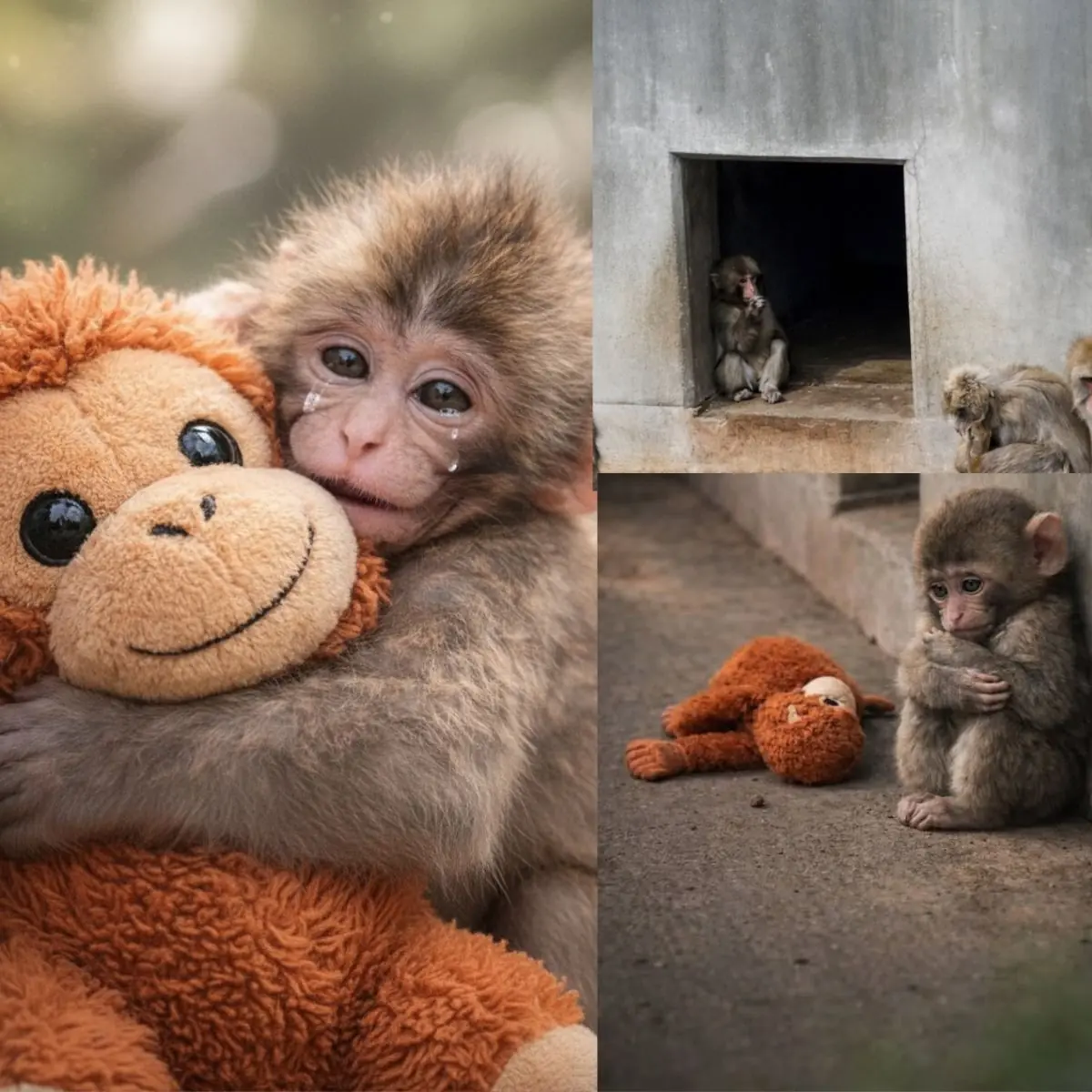
During the day, Punch looks playful.
Curious.
Full of energy.
But when night comes…
Everything changes.
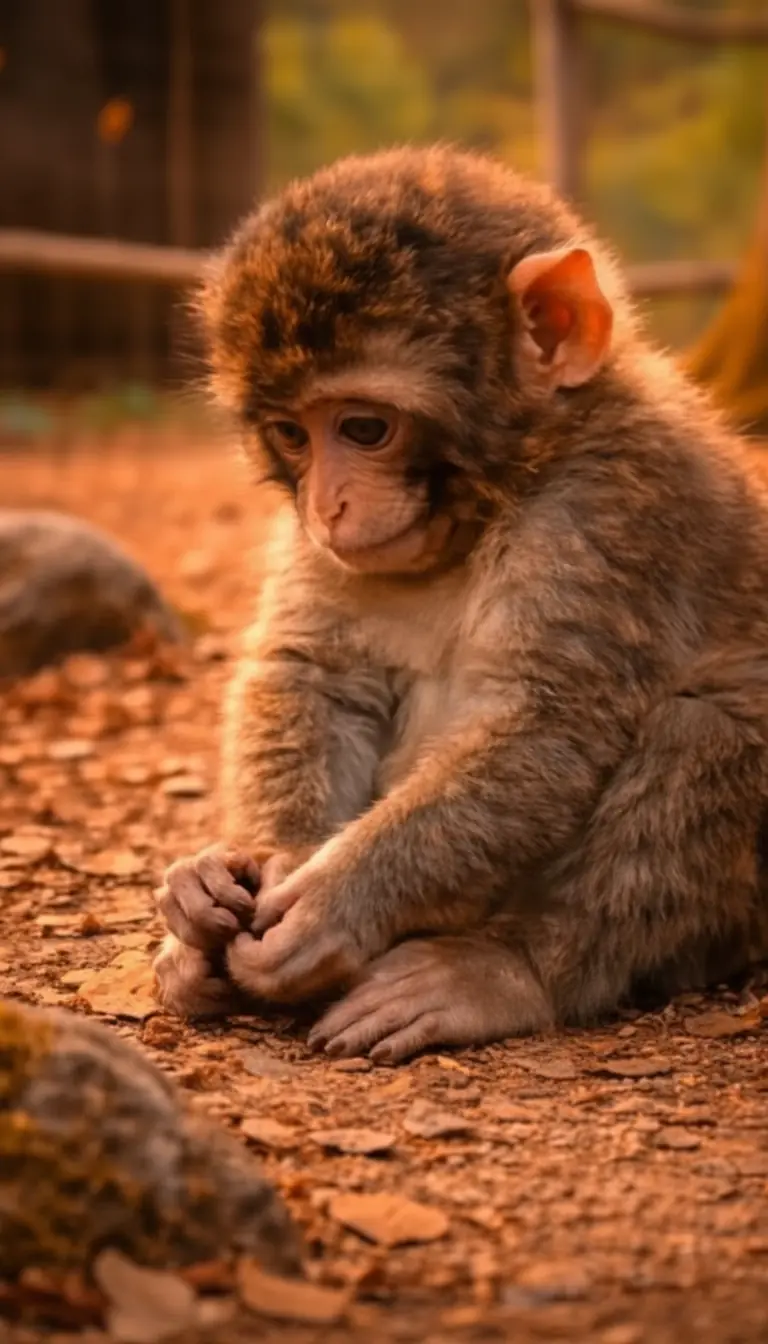
He becomes quieter.
Still.
And most importantly—
👉 He reaches for the same thing.
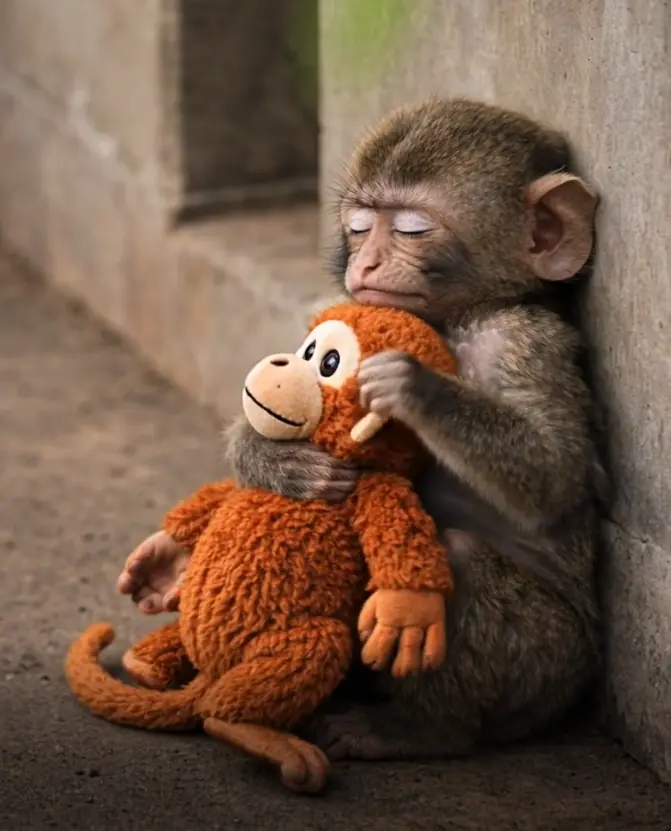
A soft plush toy.
He pulls it close.
Holds it tightly.
And falls asleep like that.
Not because he wants to play.
👉 But because he needs to feel safe.
🌙 WHY NIGHT MAKES LONELINESS STRONGER

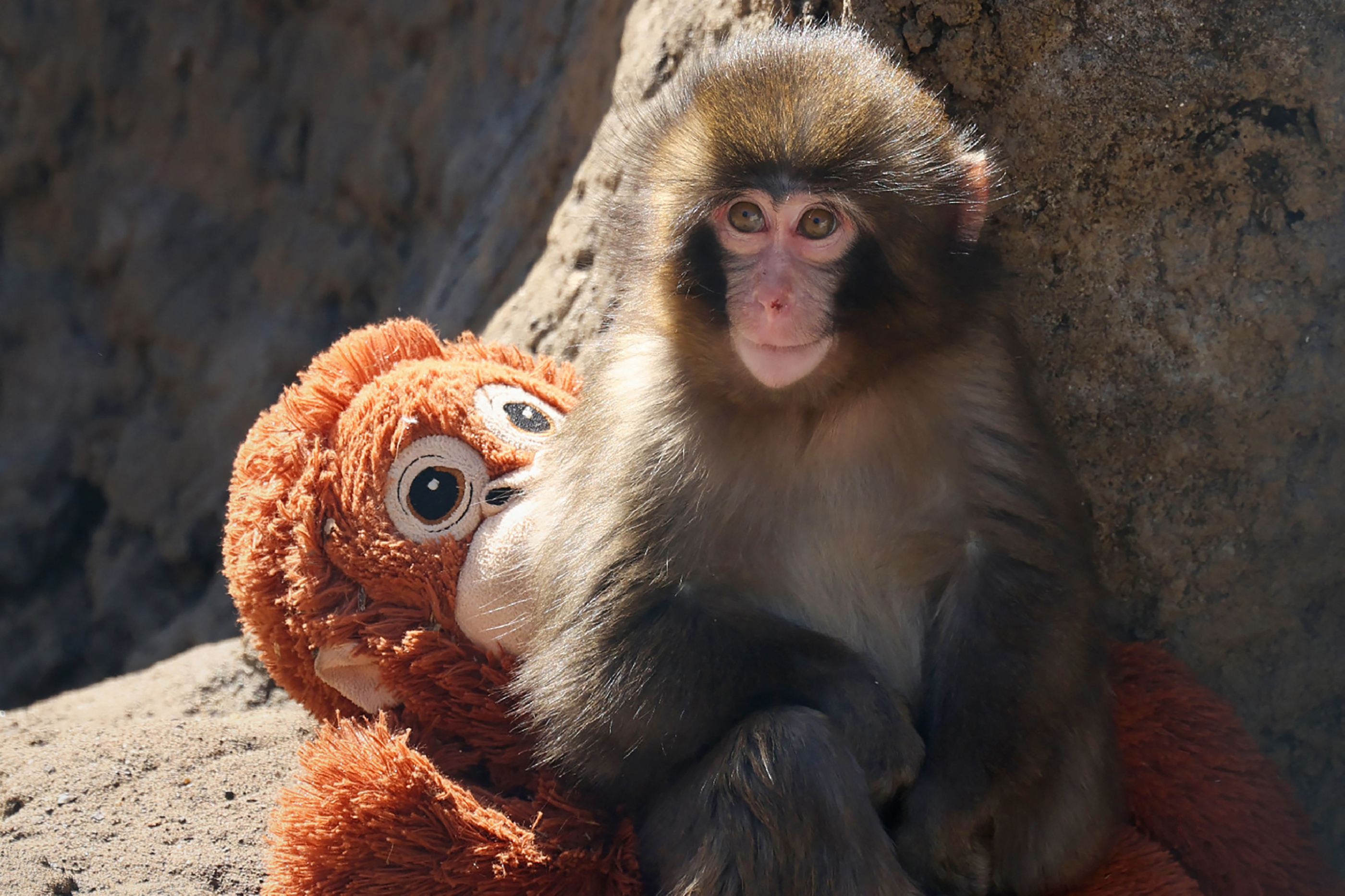

Night is the most vulnerable time for any young animal.
There is:
-
Less movement
-
Less noise
-
Less interaction
No distractions.
No activity.
Just silence.
And in that silence—
👉 Emotions become louder.
For Punch, nighttime brings back something deeper:
👉 The absence of his mother.
💔 THE ROOT CAUSE: EARLY REJECTION
Punch’s story didn’t begin with comfort.
It began with loss.
He was:
-
Abandoned by his biological mother
-
Left without care or protection
-
Forced to face the world too early
For a young Japanese macaque, this is critical.
Because early life depends entirely on:
-
Being held
-
Being protected
-
Being constantly near the mother
Without that—
👉 The brain experiences stress at a fundamental level.
⚠️ WITHOUT A MOTHER, HE LOST HIS “SAFE SYSTEM”


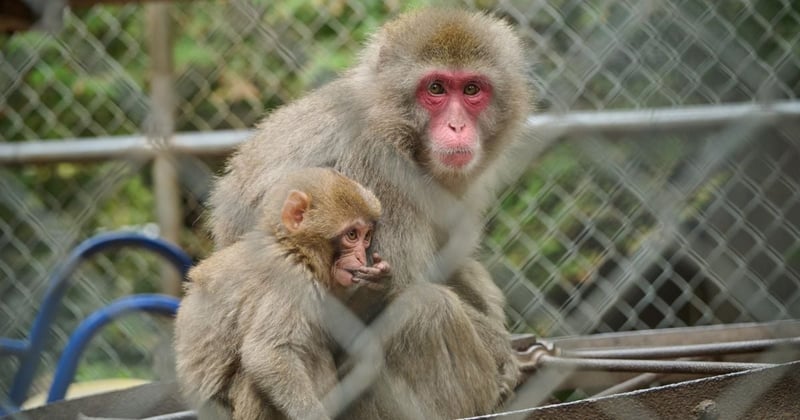
It didn’t stop at abandonment.
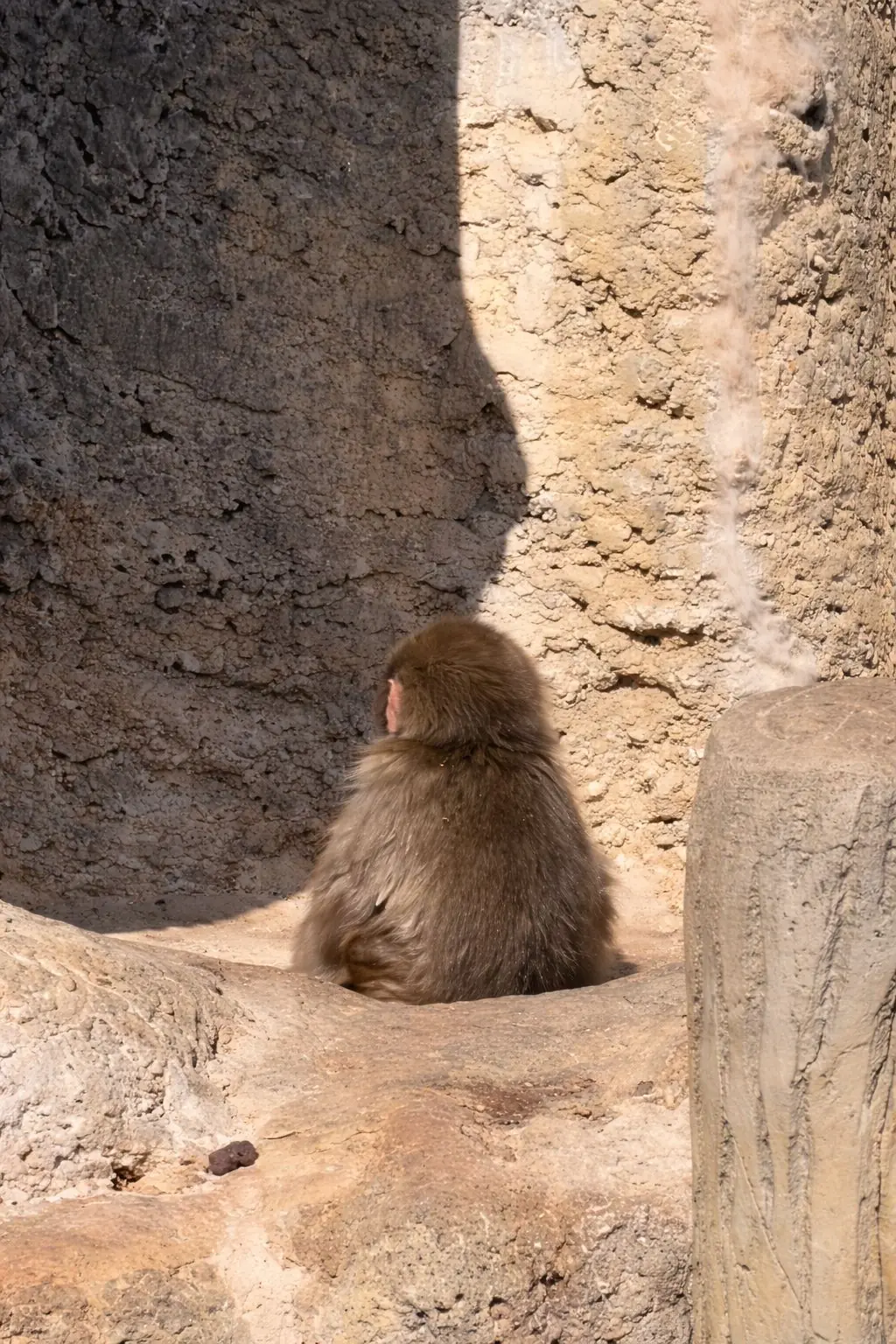
Punch also faced rejection from the group.
Without a mother:
-
He had no protection
-
No social status
-
No guidance
Other monkeys:
-
Ignored him
-
Pushed him away
-
Sometimes even bullied him
This created a dangerous cycle:
👉 No mother → No protection → No acceptance → More isolation
🧸 WHY THE PLUSH TOY BECAME EVERYTHING

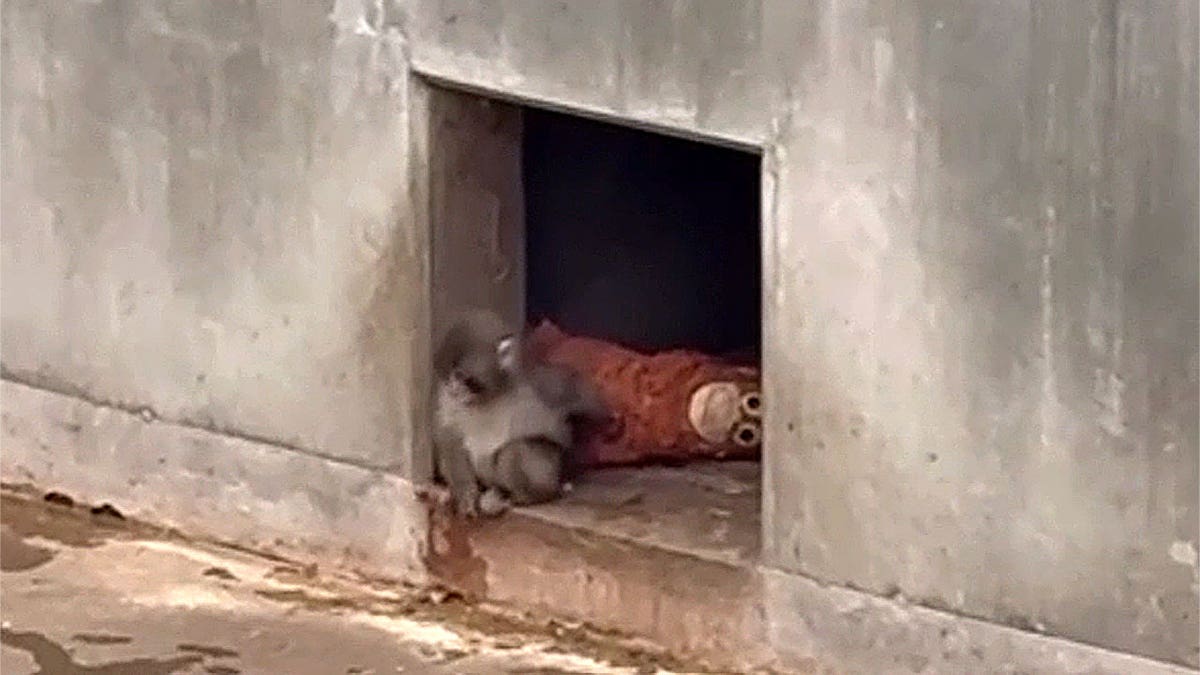
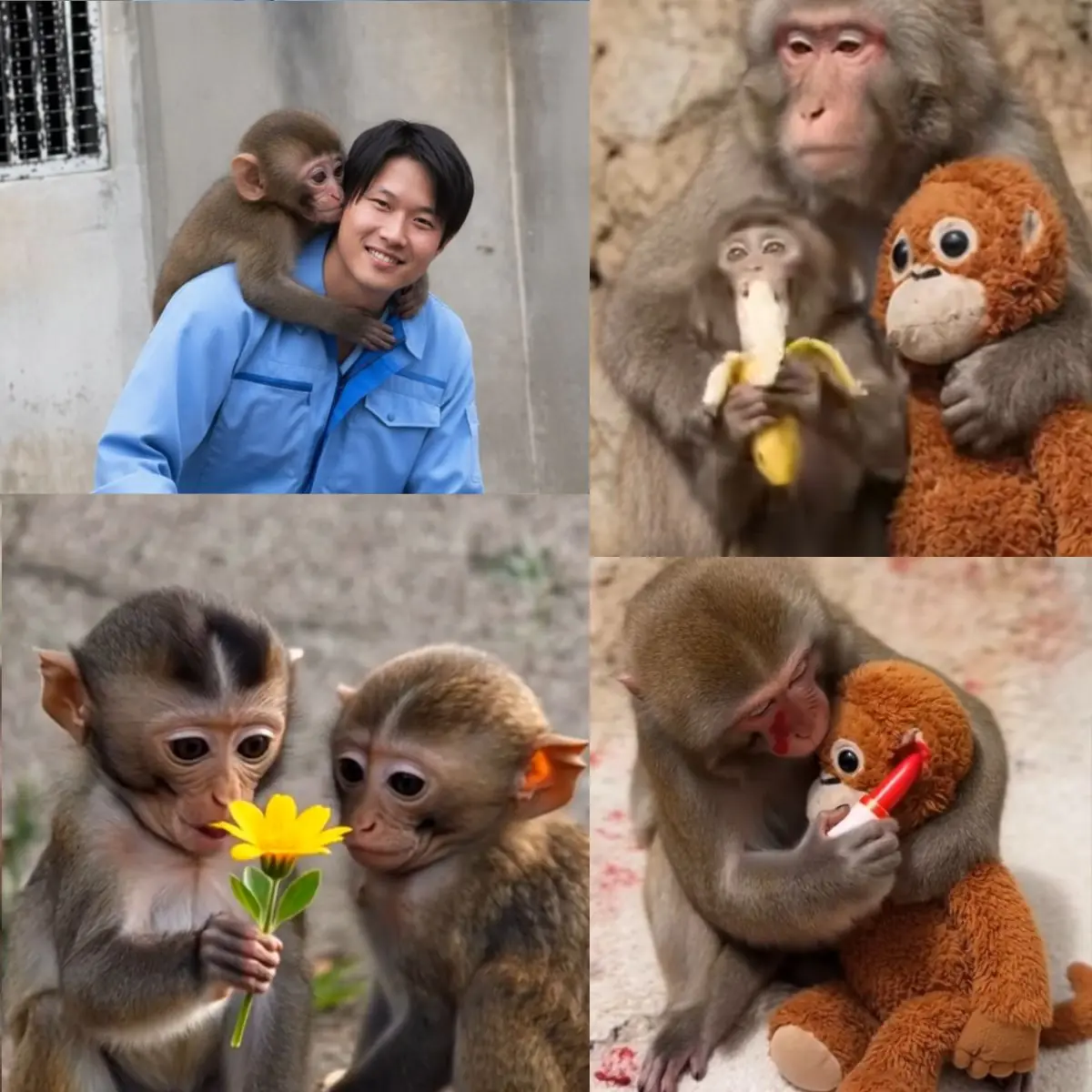
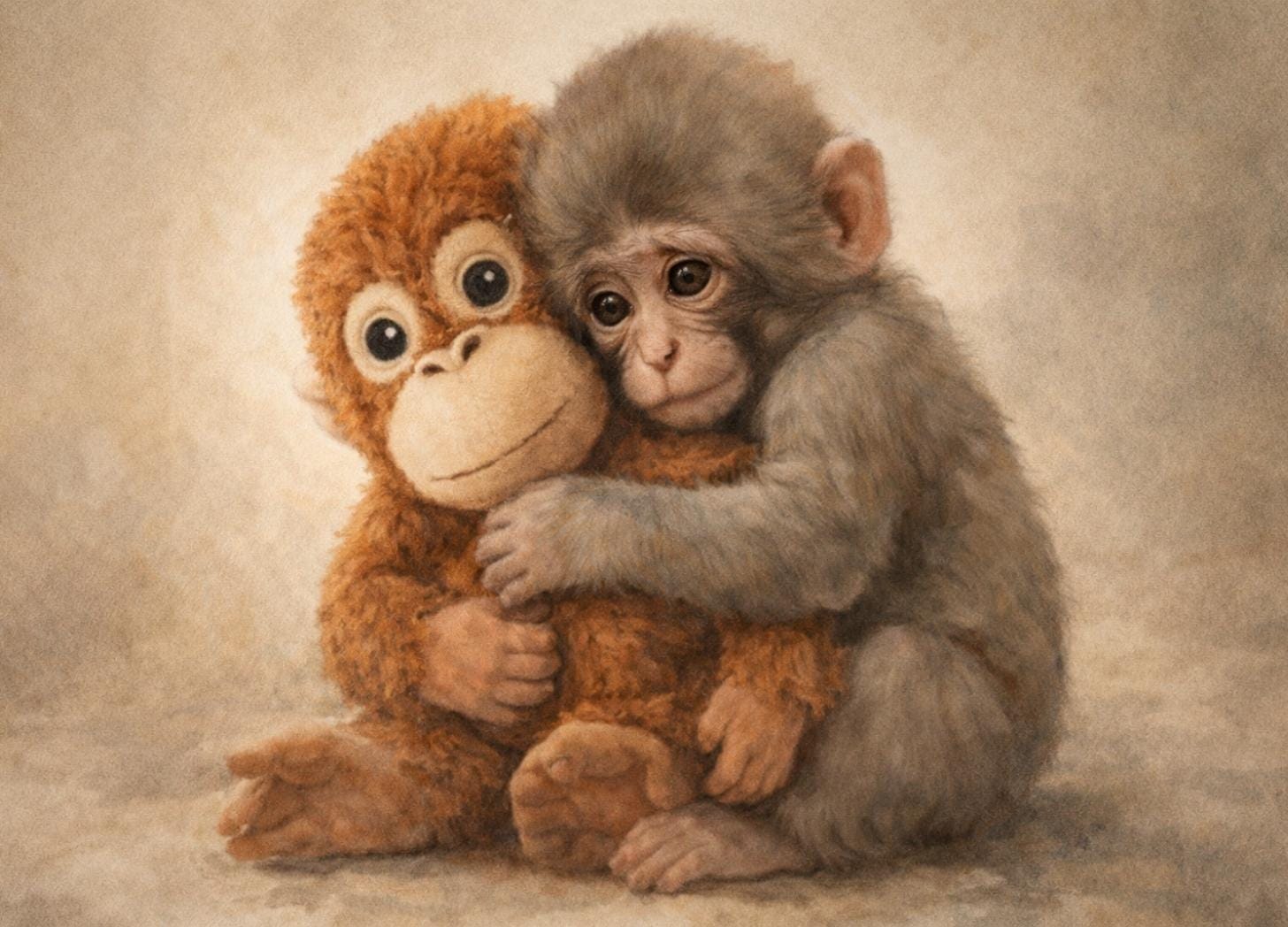
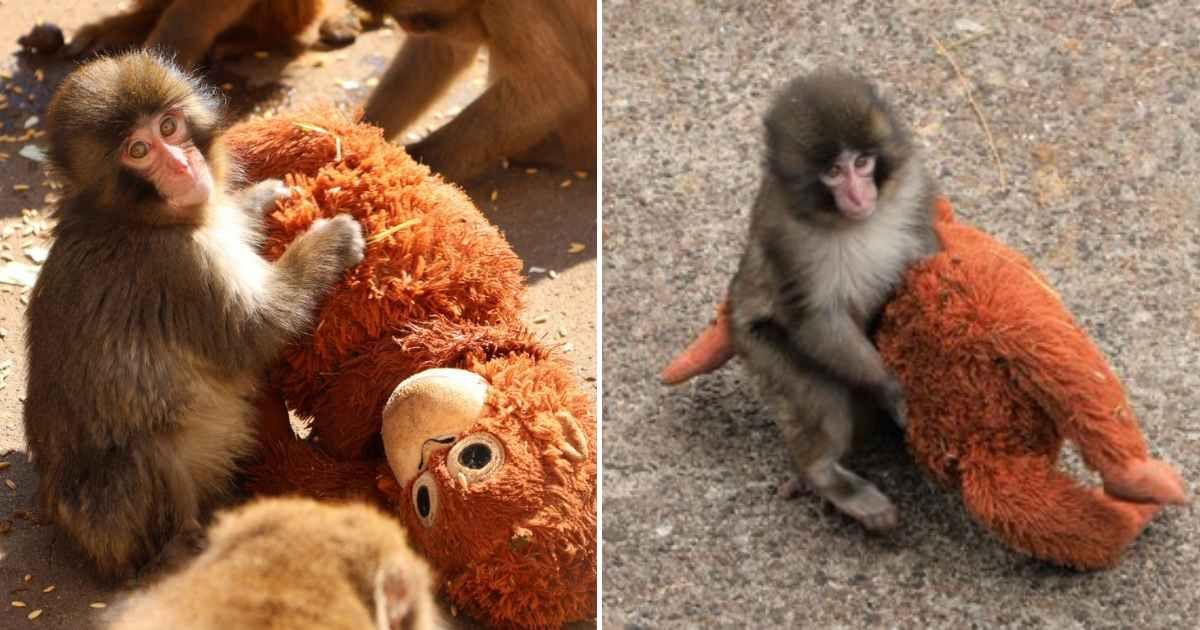
To help him survive emotionally, caretakers gave Punch a plush toy.
It was meant to help.
But what happened was much deeper.
👉 Punch bonded with it.
Because the toy provided something no one else did:
-
It never pushed him away
-
It never hurt him
-
It never ignored him
It was always there.
Always the same.
Always safe.
🧠 THE PSYCHOLOGY: A “SAFE SUBSTITUTE”
This behavior is known in psychology as:
👉 Attachment substitution
When a primary caregiver is missing, the brain attaches to something else that provides:
-
Stability
-
Familiarity
-
Comfort
The plush toy became:
👉 His “mother figure”
Not biologically.
But emotionally.
🤍 WHY HE HUGS IT TIGHTER AT NIGHT
At night, Punch has:
-
No group interaction
-
No distraction
-
No stimulation
Only memory.
And feeling.
So he holds the toy tighter.
Because at that moment—
👉 It is the only thing that tells him:
“You’re safe.”
🧬 WHY HE DOESN’T CONNECT WITH HIS REAL MOTHER


Some may ask:
Why doesn’t Punch go back to his real mother?
The answer is simple:
👉 There is no bond.
Because bonding requires:
-
Care
-
Time
-
Physical contact
Punch never received those.
Instead, he learned:
👉 “This is not safe.”
So emotionally—
👉 The connection never formed.
🌍 THE HUMAN PARALLEL
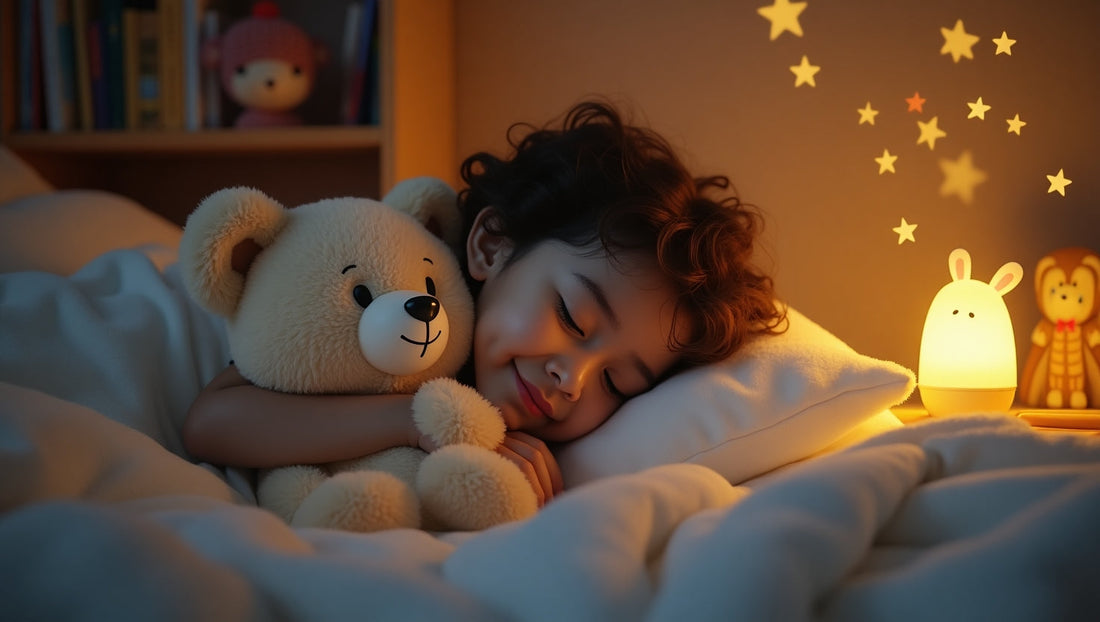


What Punch is experiencing is not unique to animals.
Humans do the same.
-
Children hug toys at night
-
People sleep better with something familiar
-
Many hold onto objects during difficult times
Why?
👉 Because loneliness feels stronger in silence.
And comfort — even symbolic — helps regulate it.
💬 THE MESSAGE
Punch doesn’t hug the toy because he’s playing.
He hugs it because:
👉 He needs safety
👉 He needs connection
👉 He needs something that won’t leave
❓ A QUESTION FOR YOU
When you see Punch holding that toy at night…
👉 Do you see something cute?
Or…
👉 Do you see a heart trying to feel safe in a world that once hurt it?
💭
❤️ FINAL THOUGHT
Punch may not understand words.
But his actions say everything:
👉 “I just don’t want to be alone.”
And maybe—
That’s something we all understand.