From Rejection to Love: Why Punch the Monkey Found Family Beyond Blood
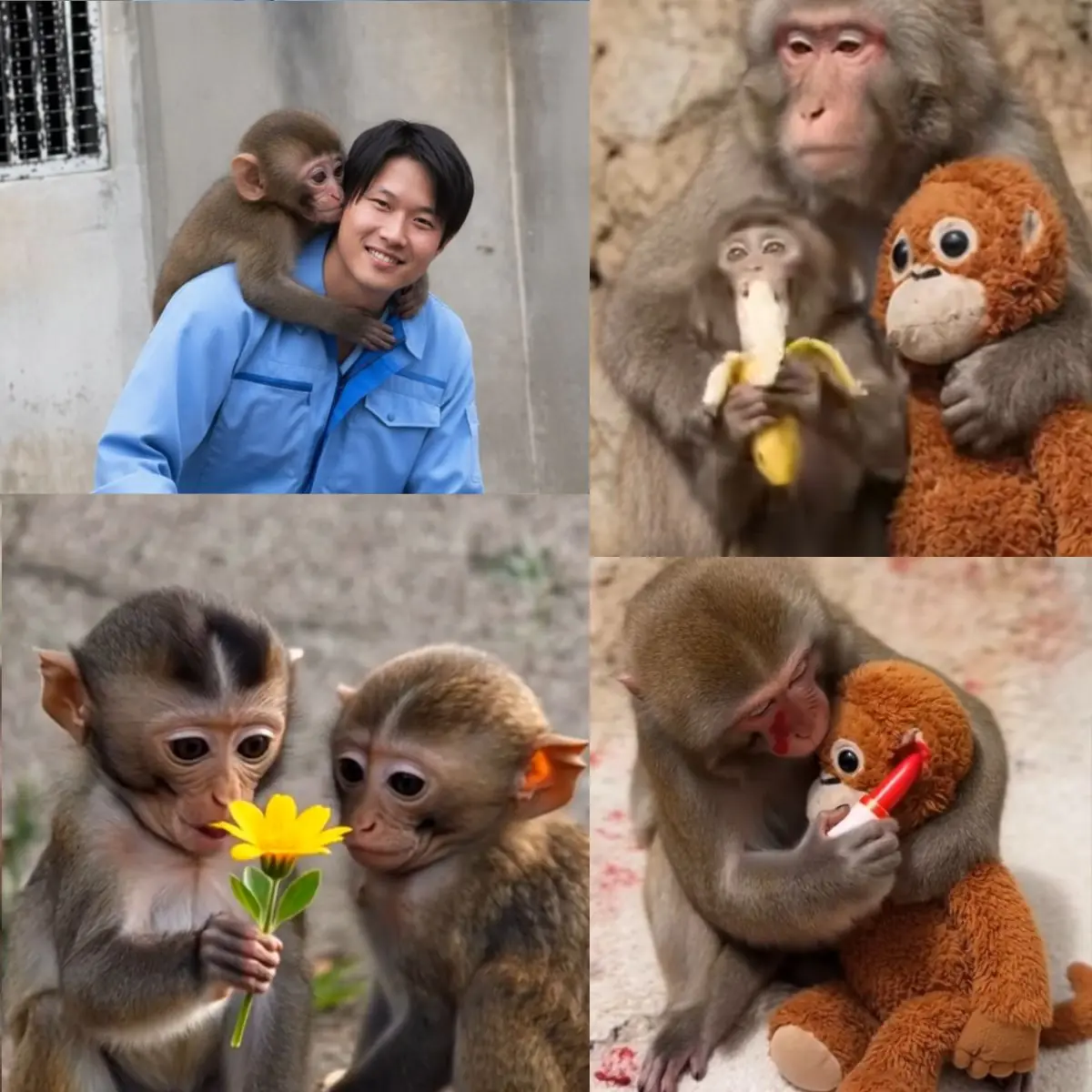
Not all families are built by blood.
Some are built by presence.
By care.
By who stays.
Punch — a young Japanese macaque — is living proof of that.
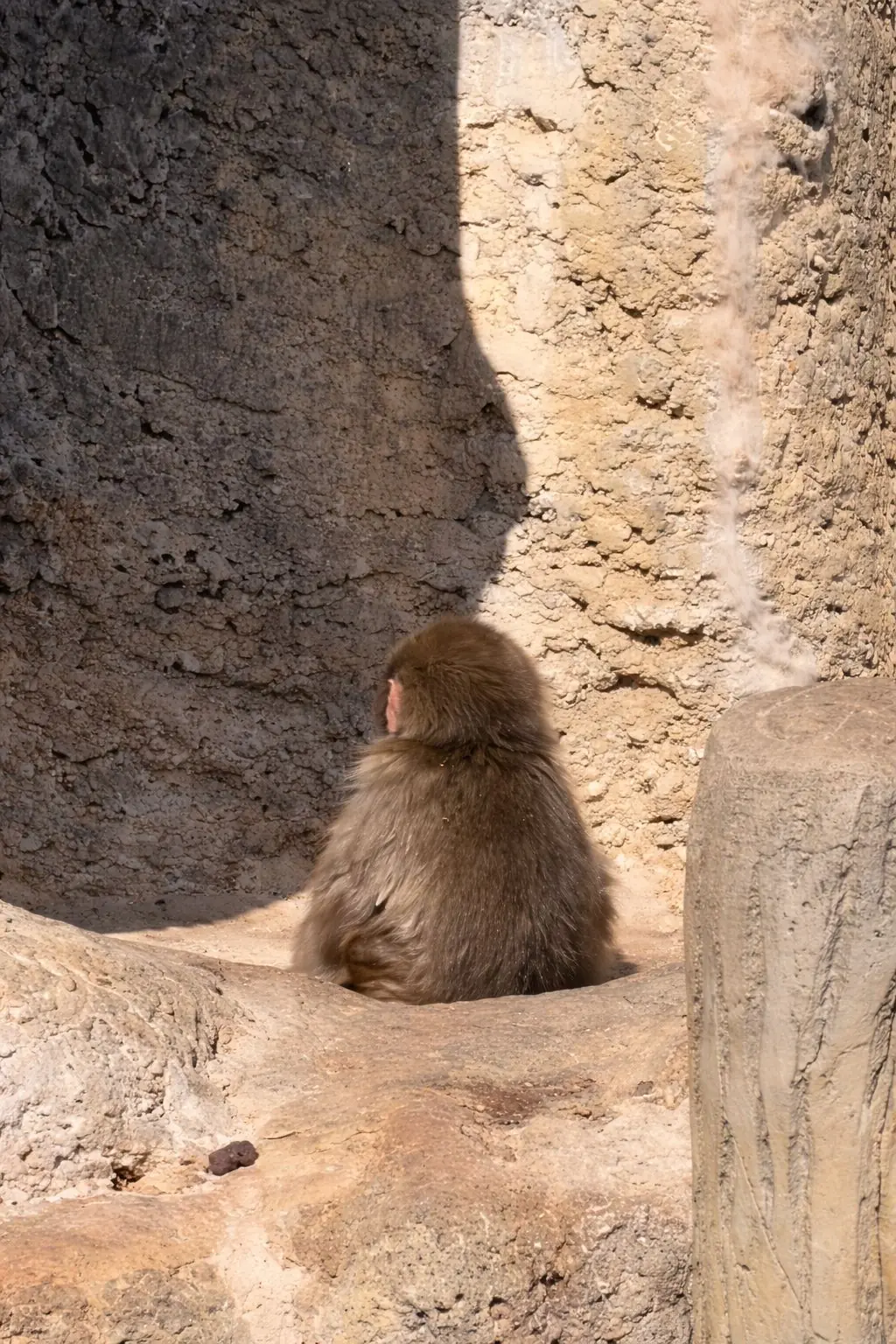
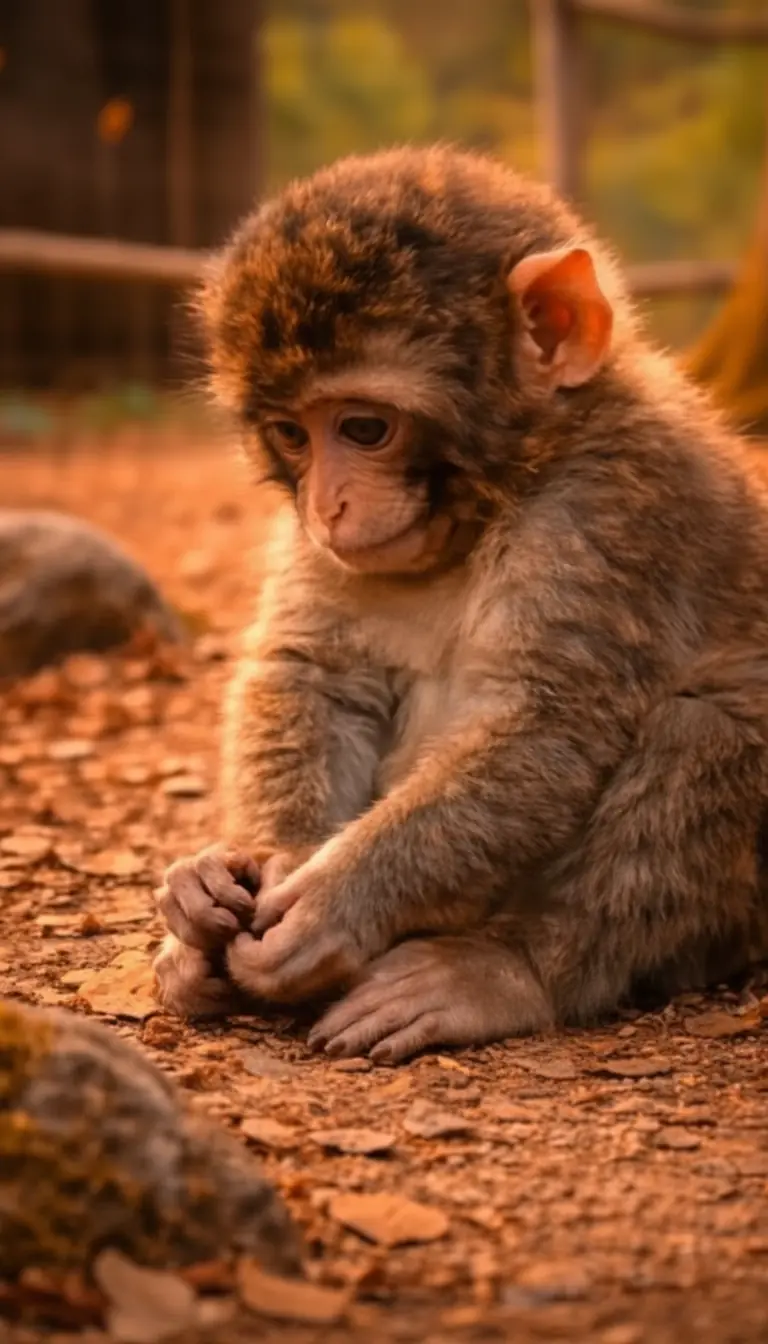
Because his life began in the harshest way possible:
👉 Rejected.
👉 Pushed away.
👉 Hurt by the one who was supposed to protect him most.
And yet today…
👉 He is surrounded by love.
Not from those who gave birth to him—
But from those who chose to stay.
💔 WHY DO MOTHER MONKEYS REJECT THEIR BABIES?
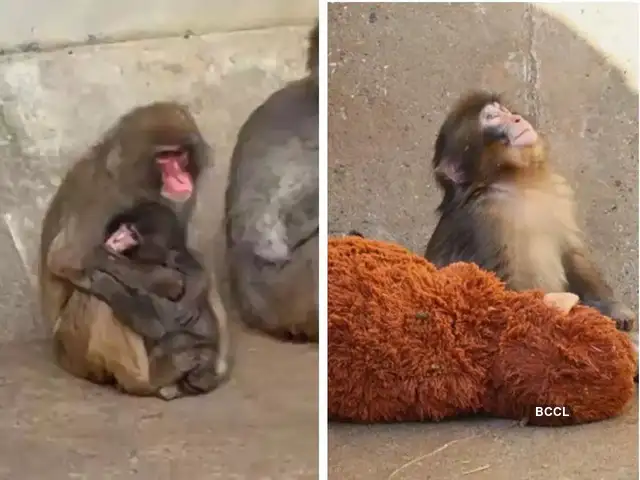


At first, it feels impossible to understand.
Why would a mother abandon her own baby?
But in primate behavior, this is not as rare as we think.
There are several reasons:
🧬 1. STRESS AND ENVIRONMENTAL PRESSURE
If the mother is under stress — from hierarchy, competition, or captivity — she may reject the infant.
⚖️ 2. SOCIAL HIERARCHY
In monkey groups, status matters.
Low-ranking females may struggle to protect or raise their babies safely.
🧠 3. LACK OF MATERNAL EXPERIENCE
Young or first-time mothers sometimes don’t know how to care for infants properly.
⚠️ 4. SURVIVAL INSTINCT
In extreme cases, if a baby is weak or at risk, rejection may be an instinctive response to conserve energy.
👉 This does not mean the mother is “evil.”
👉 It means survival sometimes overrides emotion.
But for the baby—
👉 The impact is profound.
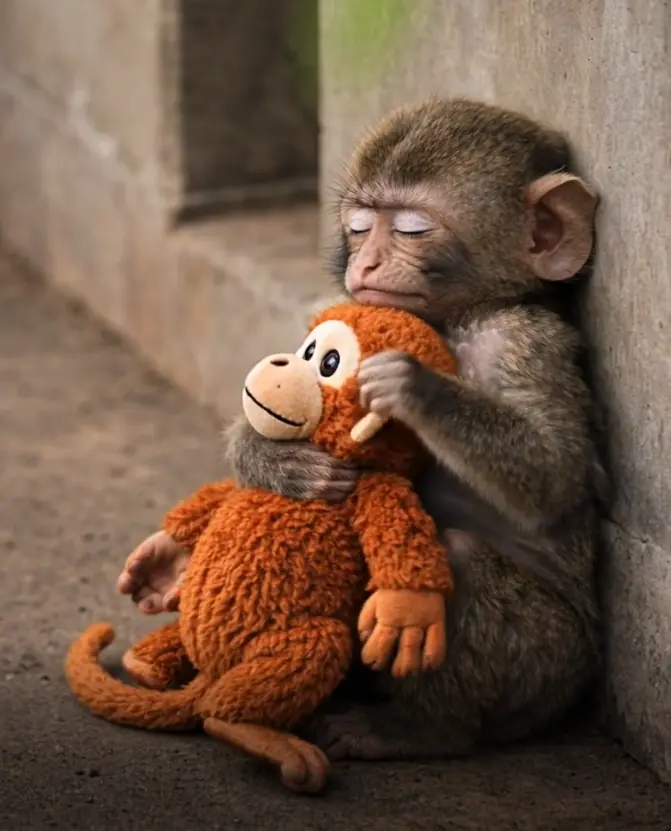
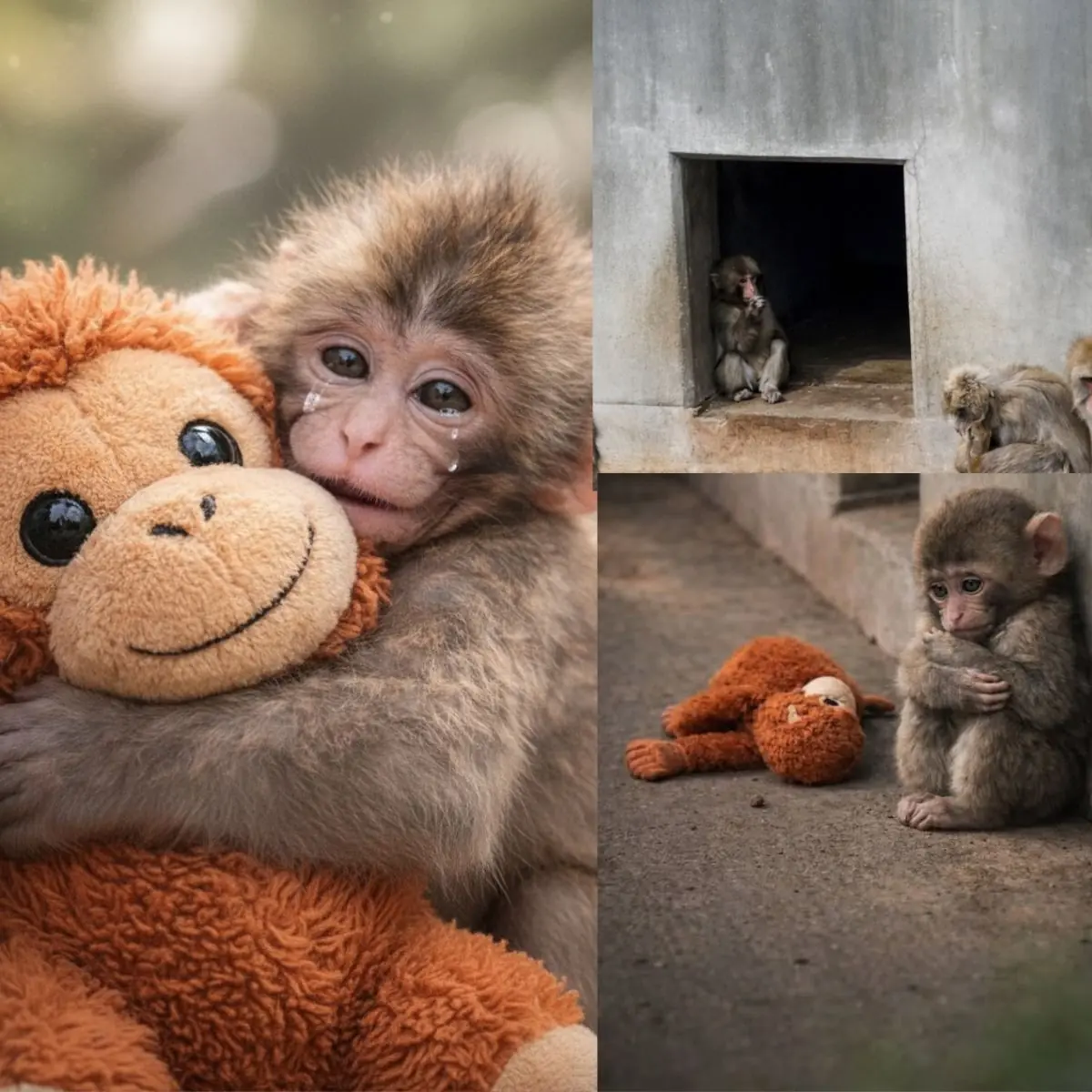
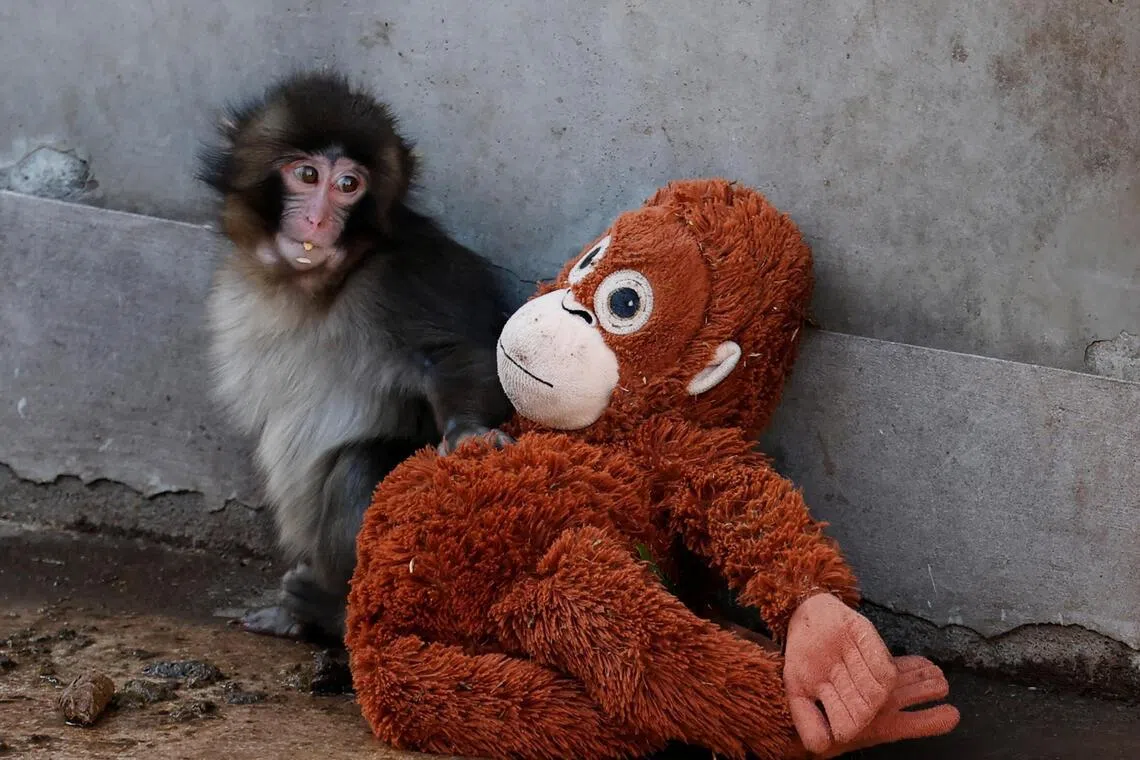
🧸 WHY DID PUNCH LOVE A TOY LIKE A MOTHER?

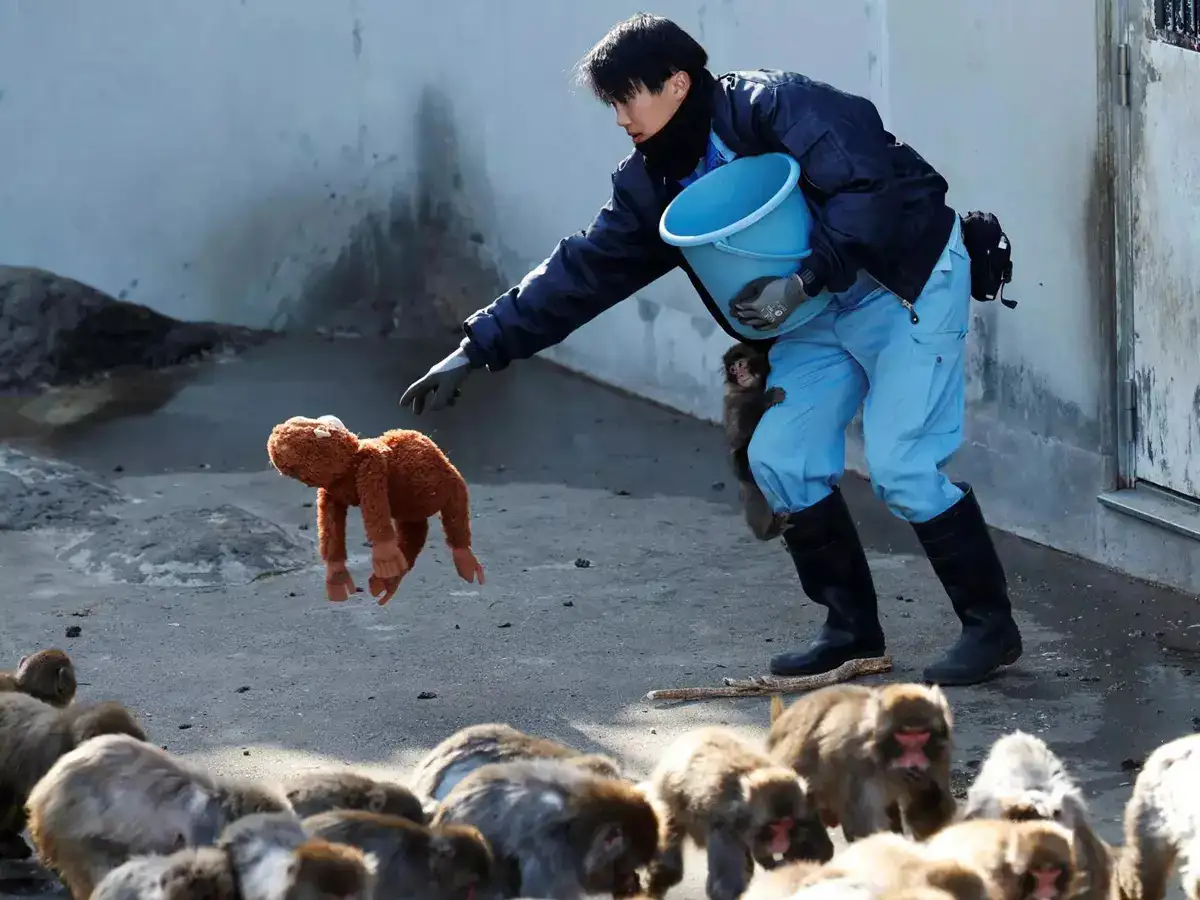


After losing his biological mother, Punch needed something critical:
👉 Attachment
Without it, young primates experience:
-
Stress
-
Anxiety
-
Emotional instability
So when caretakers introduced a stuffed monkey toy…
Something happened.
Punch didn’t just accept it.
👉 He bonded with it.
Because psychologically:
The brain does not require something to be alive—
👉 It requires something to feel safe.
The toy became:
-
His “mother”
-
His comfort
-
His emotional anchor
👨🍼 WHY DID HE BOND WITH HIS CARETAKER?
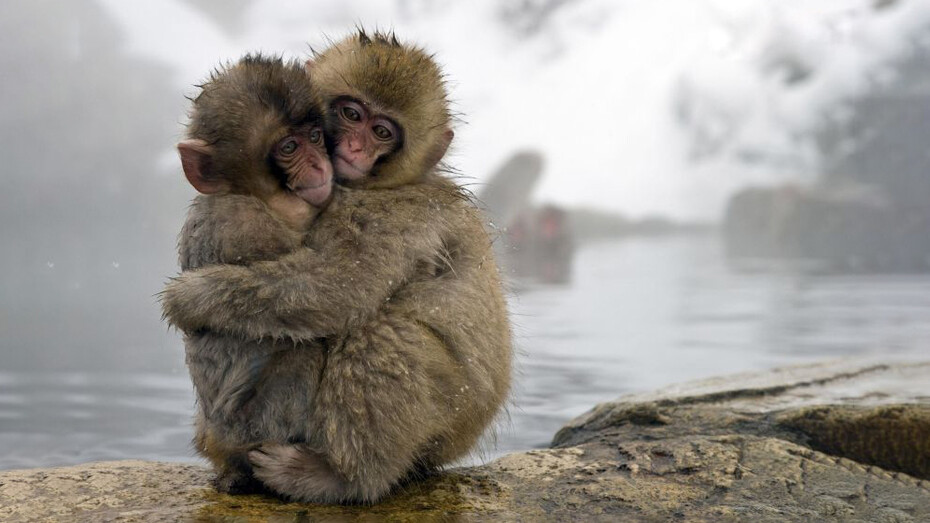
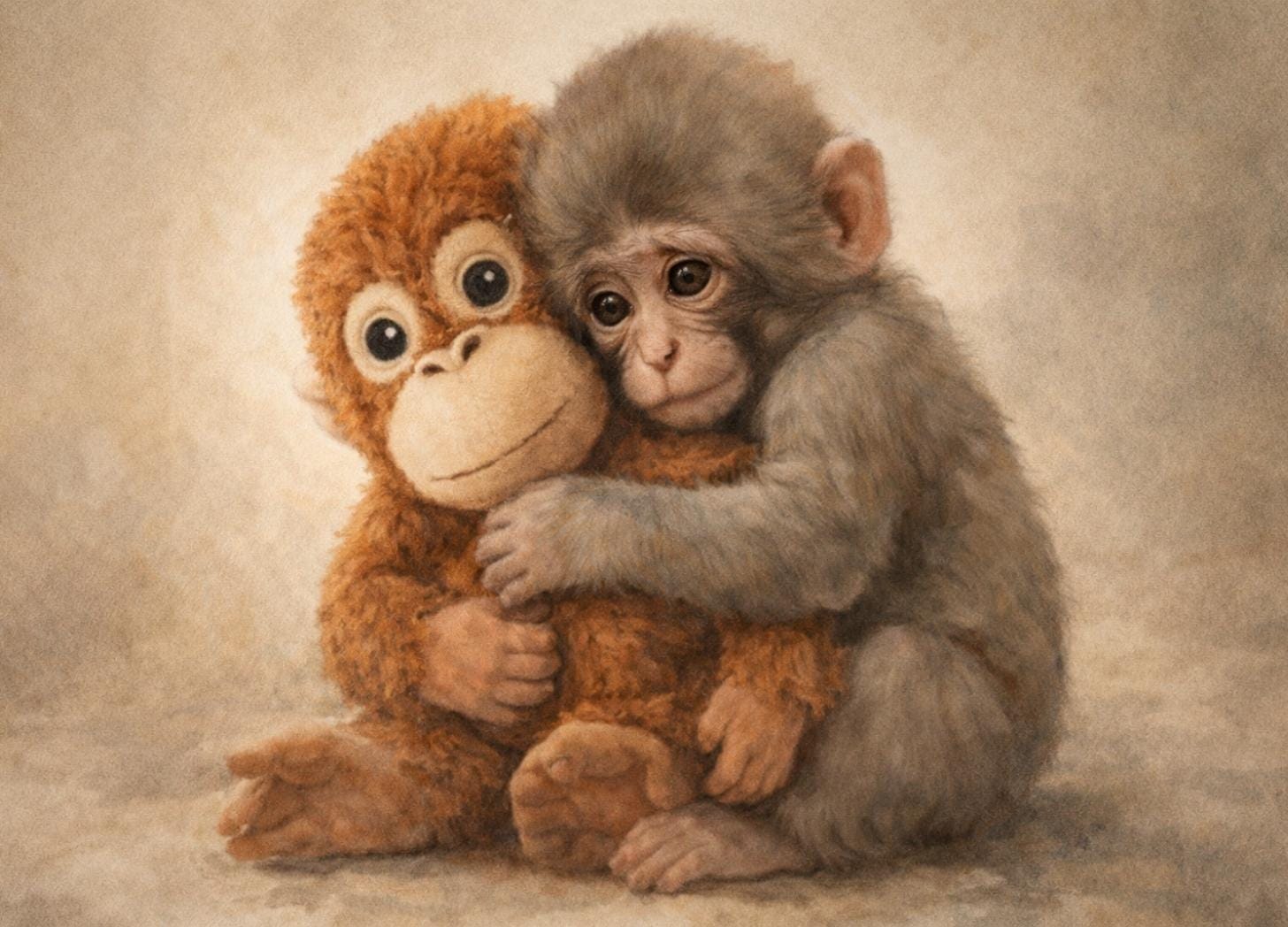

Punch also formed a strong bond with his human caretaker — often called his “adoptive father.”
This is explained by:
👉 Attachment transfer
When a primary caregiver is absent, the brain redirects attachment to:
-
The most consistent presence
-
The source of safety
-
The provider of care
His caretaker:
-
Fed him
-
Protected him
-
Stayed
So Punch’s brain made a simple conclusion:
👉 “This is my parent now.”
❤️ AND NOW… HE HAS MOMO-CHAN

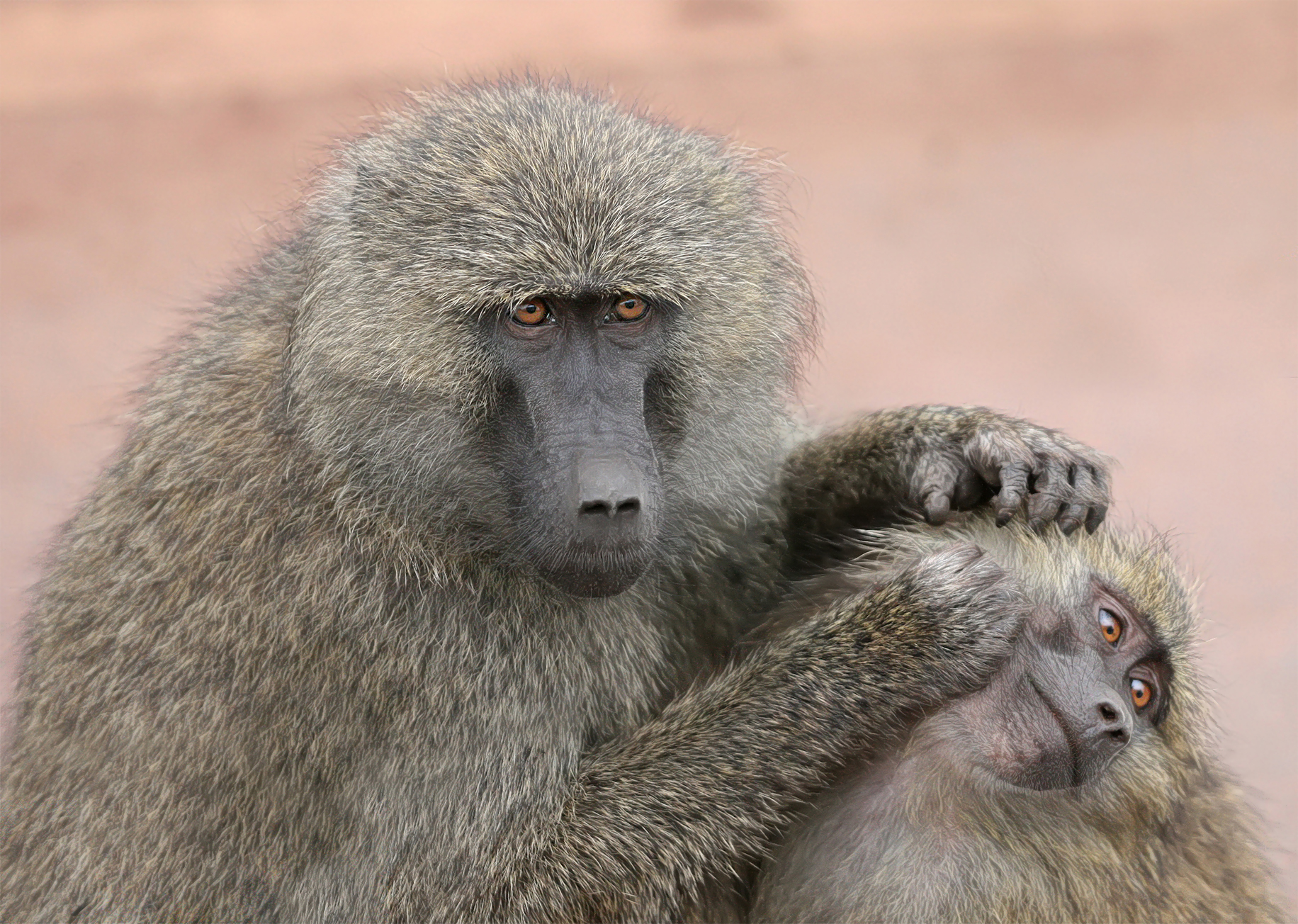
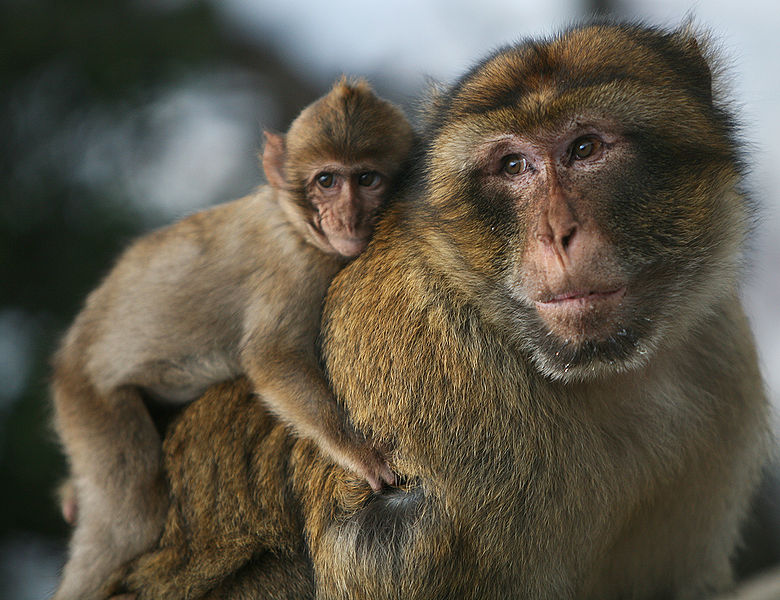

As Punch grew older, something new appeared in his life:
👉 A partner.
Momo-chan.
This marks a new stage of development:
From:
-
Survival
→ Attachment
→ Social bonding
→ Emotional connection
Punch is no longer just seeking safety.
👉 He is building relationships.
🧠 WHAT DOES PUNCH REALLY NEED?
At the core, Punch doesn’t need:
-
Toys
-
Objects
-
Even specific individuals
What he truly needs is:
👉 Connection
More specifically:
-
Consistent presence
-
Emotional safety
-
Social belonging
These are the same needs found in:
👉 Humans.
🌍 THE REAL-WORLD PARALLEL


Punch’s story is not just about animals.
It reflects something deeply human.
In real life:
-
Some children are not loved by their biological parents
-
Some people grow up feeling rejected
-
Some families are broken from the start
And yet—
👉 Many find love elsewhere.
From:
-
Adoptive parents
-
Friends
-
Partners
-
People who choose them
Sometimes…
👉 Those who are not related by blood
Love more deeply than those who are.
💬 THE MESSAGE
Punch’s life teaches a powerful truth:
👉 Family is not defined by biology.
It is defined by:
-
Who stays
-
Who protects
-
Who loves you when you need it most
❓ A QUESTION FOR YOU
When you look at Punch’s story…
👉 Do you believe blood is everything?
Or…
👉 Do you believe love is something we choose?
❤️ FINAL THOUGHT
Punch was abandoned by the one who gave him life.
But he was saved by those who gave him love.
And in the end—
👉 That made all the difference.