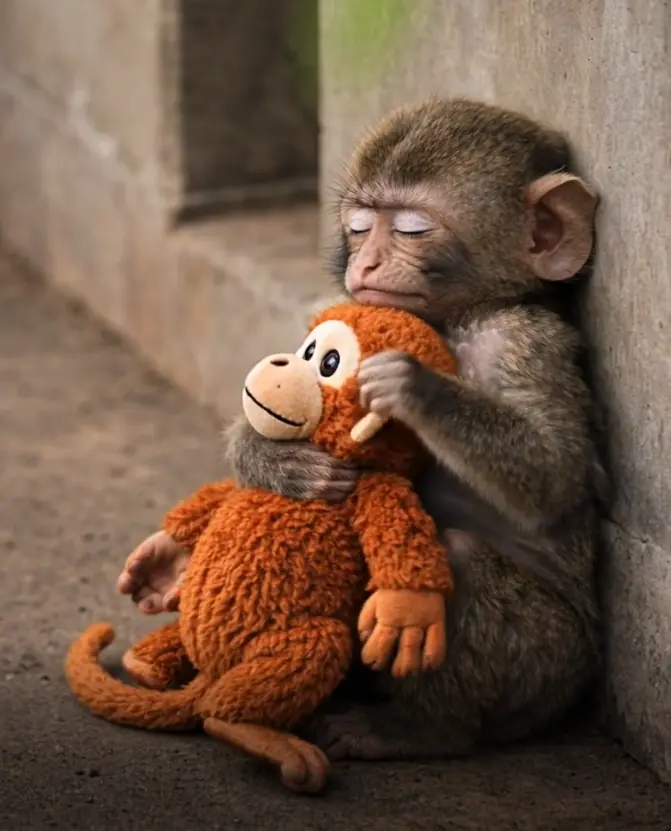
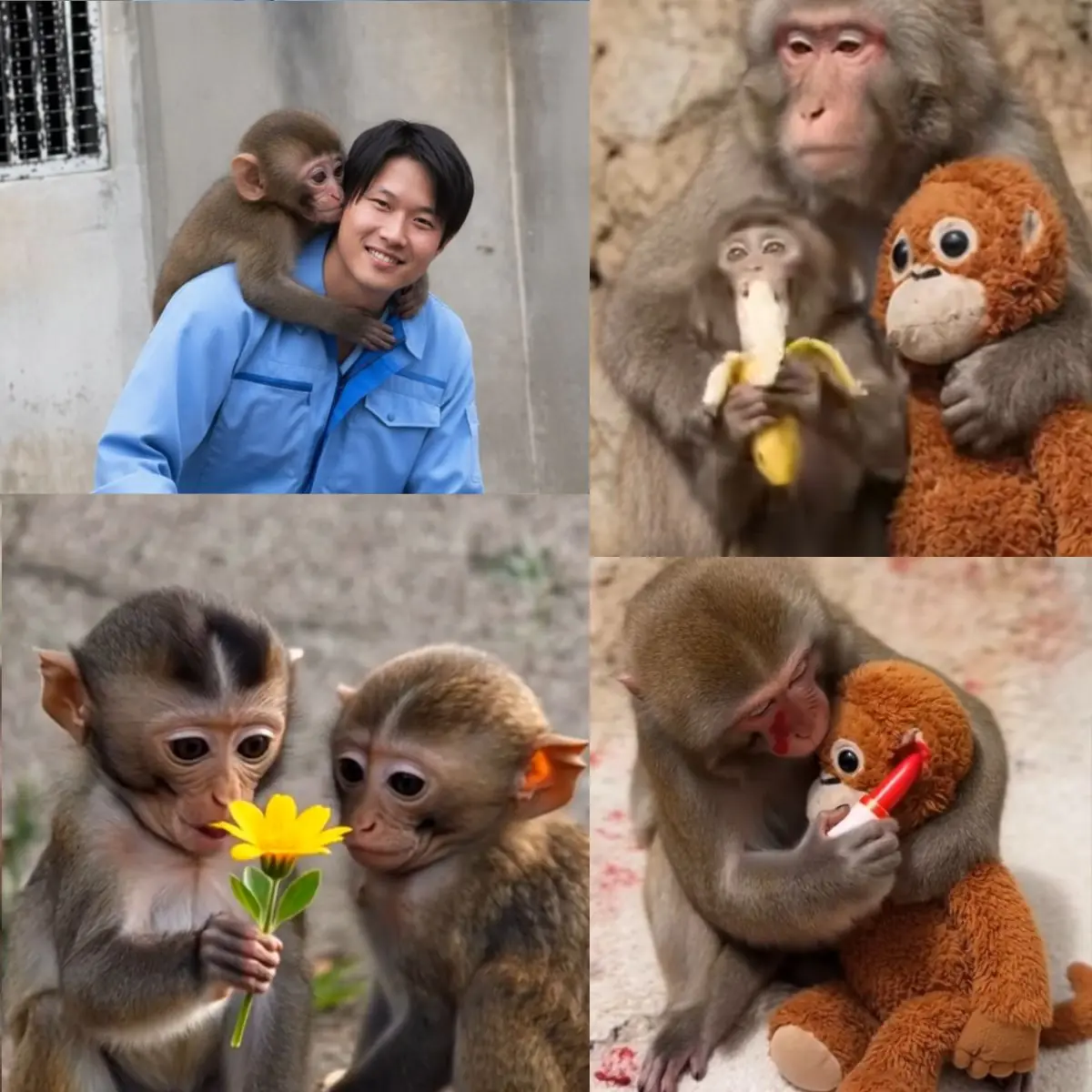
When a Monkey Throws a Phone: What Punch Reveals About Attention and Human Behavior
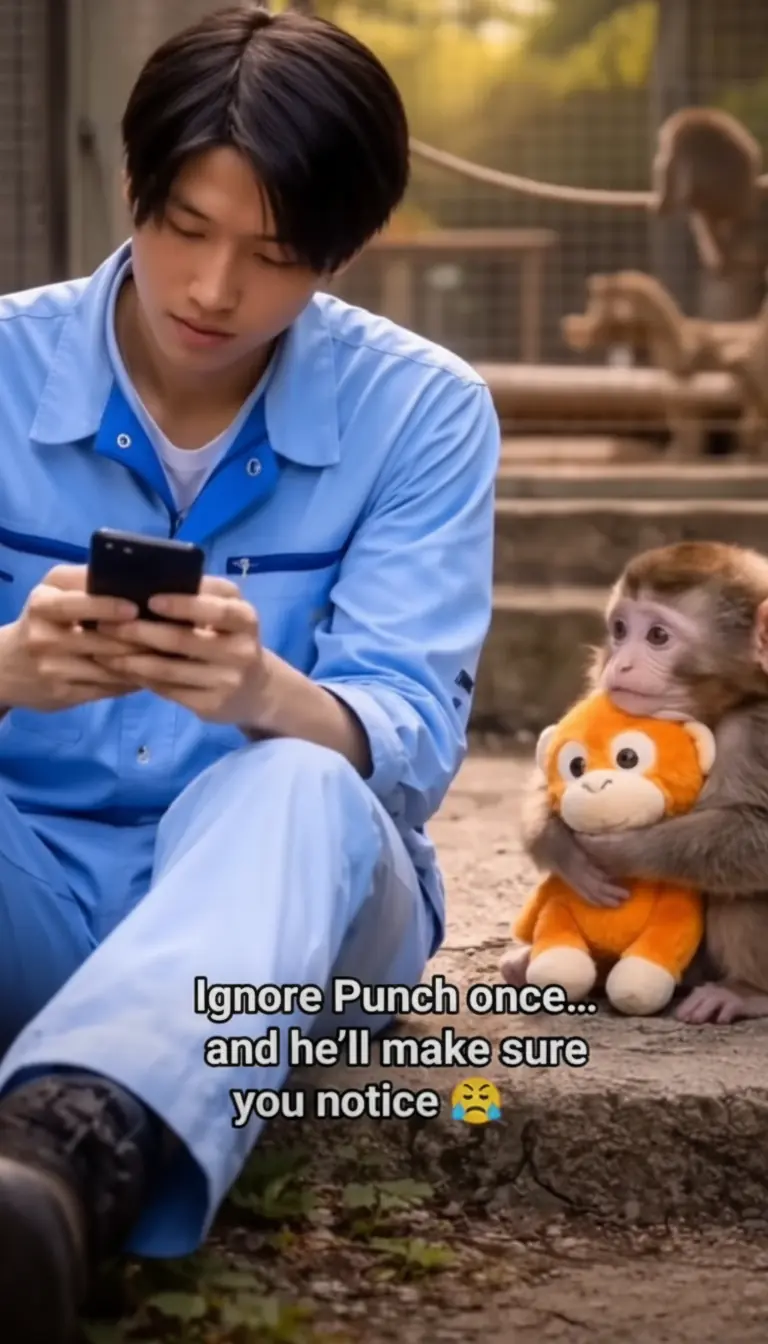
At first glance, the video is amusing.
A young Japanese macaque named Punch grabs his caretaker’s phone and throws it away after being ignored.
Viewers laugh.
They call him “dramatic,” “jealous,” even “bossy.”
But from a behavioral science perspective…
👉 This is not random behavior.
👉 This is not mischief.
This is a structured emotional response to social disconnection.
🧠 1. ATTENTION IS NOT A LUXURY — IT IS A BIOLOGICAL NEED
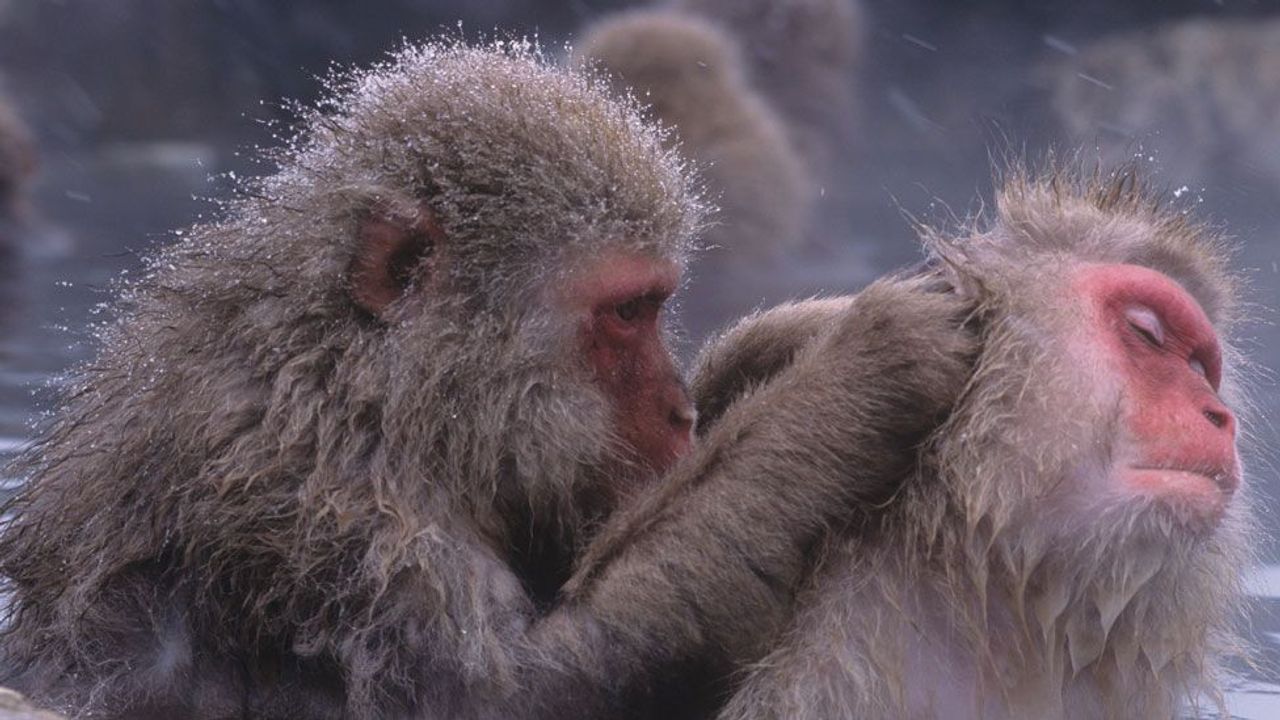

Primates — including monkeys and humans — are deeply social species.
Research in primatology and developmental psychology consistently shows:
-
Social contact regulates stress
-
Eye contact reinforces safety
-
Physical proximity builds trust
For young primates, attention is not optional.
👉 It is directly linked to survival.
Punch’s early life — being separated from his mother and raised by humans — strengthens this dependency.
He learned:
-
Food comes from caregivers
-
Safety comes from presence
-
Stability comes from routine
So when attention disappears…
👉 The brain does not interpret it as “busy.”
👉 It interprets it as potential loss of safety.
⚠️ 2. THE THREE-STAGE RESPONSE TO BEING IGNORED
Punch’s behavior follows a classic pattern observed in both animals and children:
Stage 1: Gentle signaling
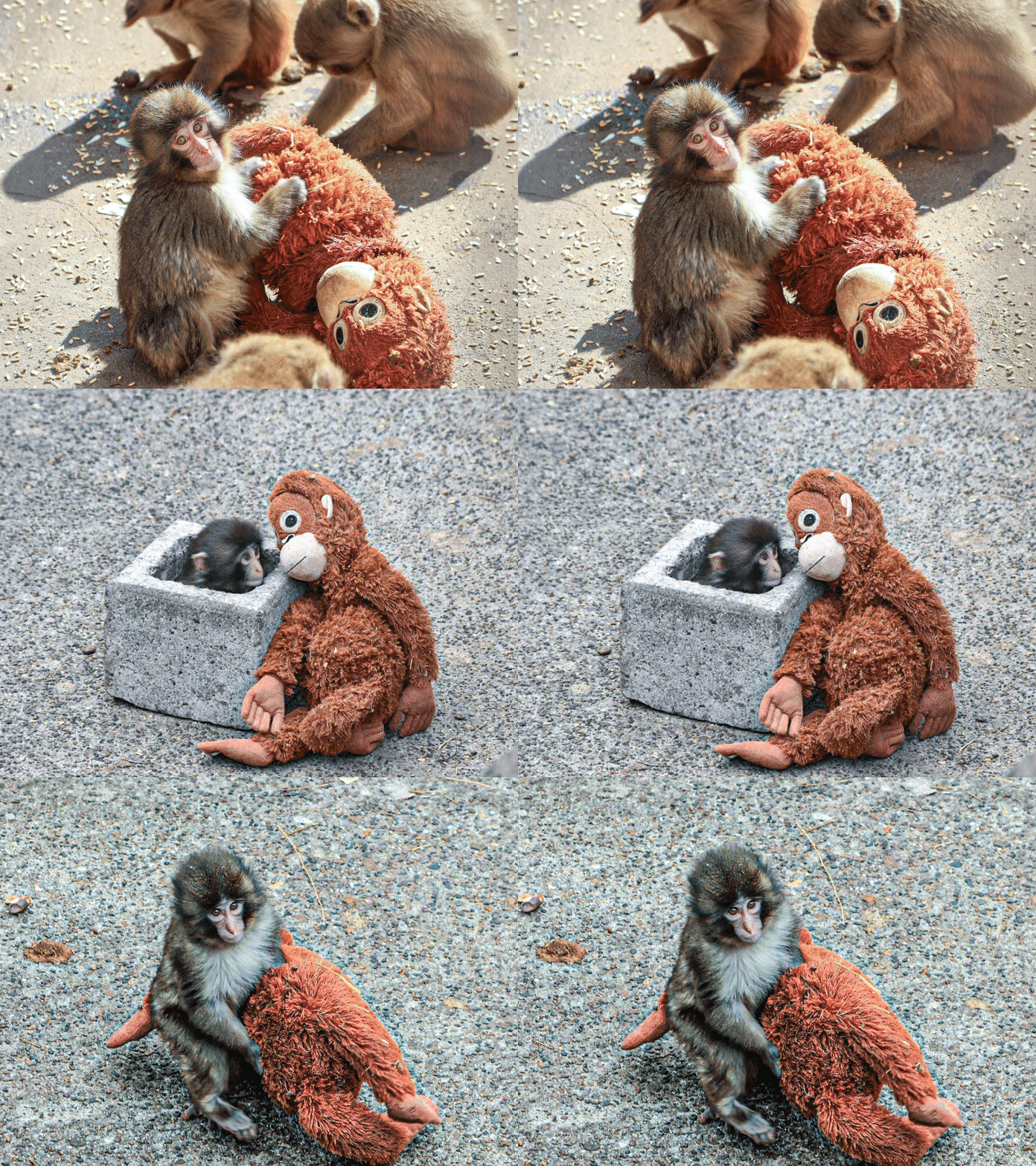
He uses a toy to initiate interaction.
👉 Equivalent to a child saying: “Look at me.”
Stage 2: Repetition without response
He continues trying — but receives no engagement.
👉 Stress begins to rise.
Stage 3: Escalation
He removes the source of distraction (the phone).
👉 This is not aggression.
👉 This is attention-reclaiming behavior.
🔍 3. THIS IS CALLED “ATTENTION-SEEKING” — BUT MISUNDERSTOOD

The term “attention-seeking” is often used negatively.
But in psychology, it simply means:
👉 A need for connection that is not being met.
Children do it.
Animals do it.
Adults do it — just more subtly.
-
Checking messages repeatedly
-
Over-explaining
-
Acting out emotionally
All are variations of the same mechanism.
📱 4. THE PHONE AS A COMPETITOR FOR ATTENTION
Modern research increasingly highlights a phenomenon called:
👉 “Technoference” — when technology interrupts human relationships.
Studies have shown:
-
Parents using smartphones respond slower to children
-
Reduced eye contact impacts emotional development
-
Even brief distraction increases anxiety in dependents
In Punch’s case:
The phone is not just an object.
👉 It becomes a rival for attention.
And Punch resolves the competition in the simplest way:
👉 Remove the rival.
🧬 5. WHY THIS BEHAVIOR IS RATIONAL — NOT EMOTIONAL CHAOS
From an evolutionary perspective:
-
Ignored offspring = higher survival risk
-
Reconnection behavior = adaptive response
Punch’s action is:
-
Direct
-
Efficient
-
Effective
And most importantly:
👉 It works.
The caregiver reconnects.
The bond is restored.
🌍 6. THE HUMAN PARALLEL: A QUIET CRISIS




What makes this video powerful is not the monkey.
It’s the reflection.
In modern life:
-
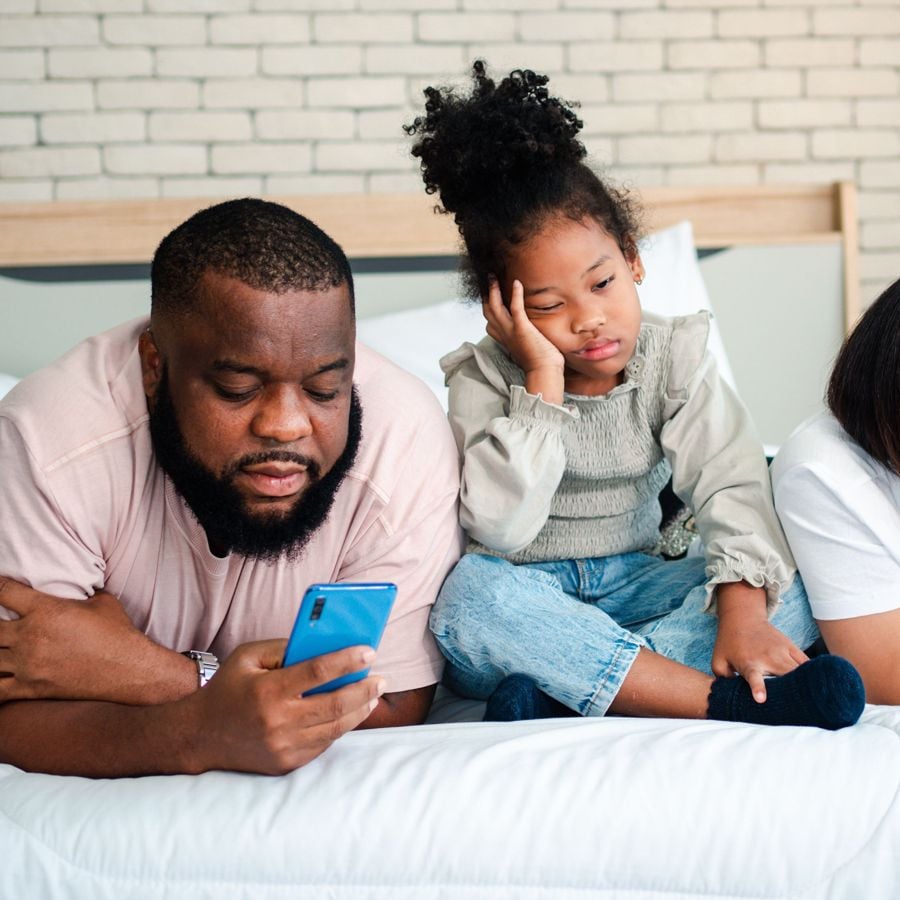
Families sit together — but look at screens
-
Conversations are interrupted
-
Presence becomes fragmented
Children today are not competing with other people.
👉 They are competing with devices.
And unlike Punch…
They don’t always throw the phone.
They withdraw.
💬 THE MESSAGE (FROM A BEHAVIORAL PERSPECTIVE)
Punch’s action highlights a fundamental truth:
👉 Connection is not passive — it requires attention.
Without attention:
-
Bonds weaken
-
Anxiety increases
-
Behavior escalates
With attention:
-
Stability returns
-
Trust is reinforced
-
Relationships grow
❓ A QUESTION WORTH ASKING
When you watch Punch throw the phone:
👉 Do you see misbehavior?
Or…
👉 Do you see a clear, honest response to being ignored?
And more importantly:
👉 How often do we unintentionally create the same situation in our own lives?
❤️ FINAL INSIGHT
Punch did what many humans cannot:
👉 He made his need visible.
He didn’t suppress it.
He didn’t hide it.
He acted.
And in doing so, he revealed something essential:
Attention is not about time.
It’s about presence.