News
France teaches children respect and care for animals in school
PT
By pttloan1802Published: 04/03/2026 14:13| 0 Comments

Photo: Onplusnews.net1 of 1
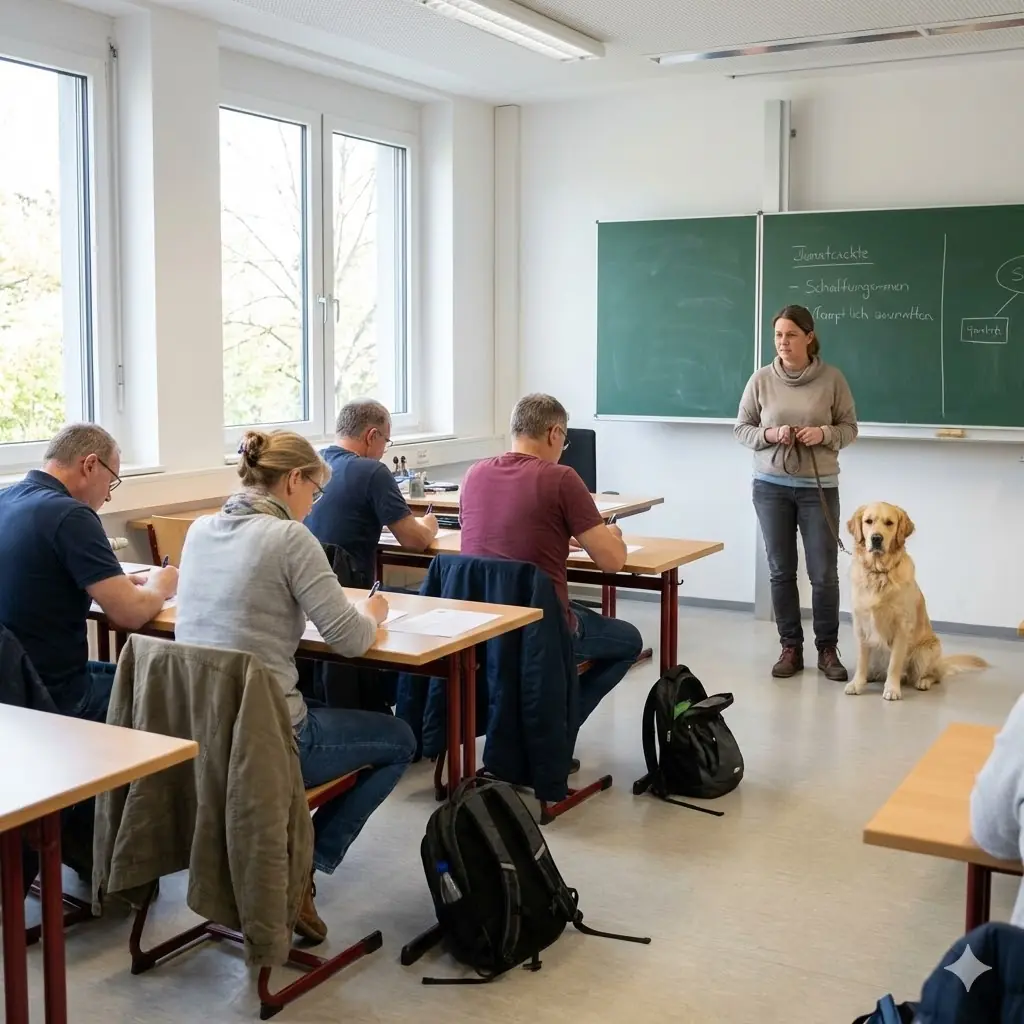
𝗜𝗻 𝗰𝗹𝗮𝘀𝘀𝗿𝗼𝗼𝗺𝘀 𝗮𝗰𝗿𝗼𝘀𝘀 𝗙𝗿𝗮𝗻𝗰𝗲, 𝗮 𝘀𝘂𝗯𝘁𝗹𝗲 𝗯𝘂𝘁 𝗺𝗲𝗮𝗻𝗶𝗻𝗴𝗳𝘂𝗹 𝗰𝗵𝗮𝗻𝗴𝗲 𝗵𝗮𝘀 𝘁𝗮𝗸𝗲𝗻 𝘀𝗵𝗮𝗽𝗲. Beginning in CP, the first year of primary school, children are now formally introduced to lessons about respecting pets and understanding their care. The update comes through the country’s moral and civic education program, known as EMC, which guides how students learn about citizenship, responsibility, and shared values.
Moral and civic education has long been part of the French school system. It traditionally covers themes such as respect for others, equality, democratic principles, and environmental awareness. With the recent update, the curriculum now explicitly includes the “respect due to companion animals.” That phrase places pets within the same ethical framework as other living beings and the broader environment.
The shift may seem modest, but its placement at the very beginning of formal schooling is intentional. CP students are typically six years old. At that age, children are forming early understandings about right and wrong, empathy, and responsibility. By introducing structured conversations about animals at this stage, educators aim to shape attitudes before misconceptions or harmful habits can take hold.
The goal is not limited to teaching children how to feed a dog or refill a water bowl. The deeper objective is to help them recognize that animals are sensitive beings. Pets experience fear, comfort, stress, attachment, and pain. When children understand that animals have feelings and needs, they are less likely to see them as toys or temporary amusements.
In practical terms, the updated EMC program encourages teachers to explore what responsible care looks like. That can include discussions about daily routines, veterinary visits, safe handling, and the long-term commitment involved in pet ownership. Students may talk about why pulling a cat’s tail hurts, why shouting near a dog can cause fear, or why abandoning an animal creates suffering. These conversations are designed to connect simple actions to real consequences in a way young children can grasp.

France’s decision reflects a broader understanding that empathy can be taught. Just as schools help children learn to respect classmates or protect the environment, they can also nurture compassion toward animals. Research in child development suggests that early humane education strengthens perspective-taking skills. When children are encouraged to imagine how another being feels, they build cognitive and emotional tools that extend beyond animals and into their interactions with people.
Incorporating companion animals into civic education also aligns with France’s recent efforts to strengthen animal welfare laws. The country has introduced tougher penalties for abandonment and measures to discourage impulsive pet purchases. Teaching respect in primary school complements those legal reforms by addressing behavior at its root. Instead of reacting to cruelty after it occurs, the education system aims to prevent it through early awareness.
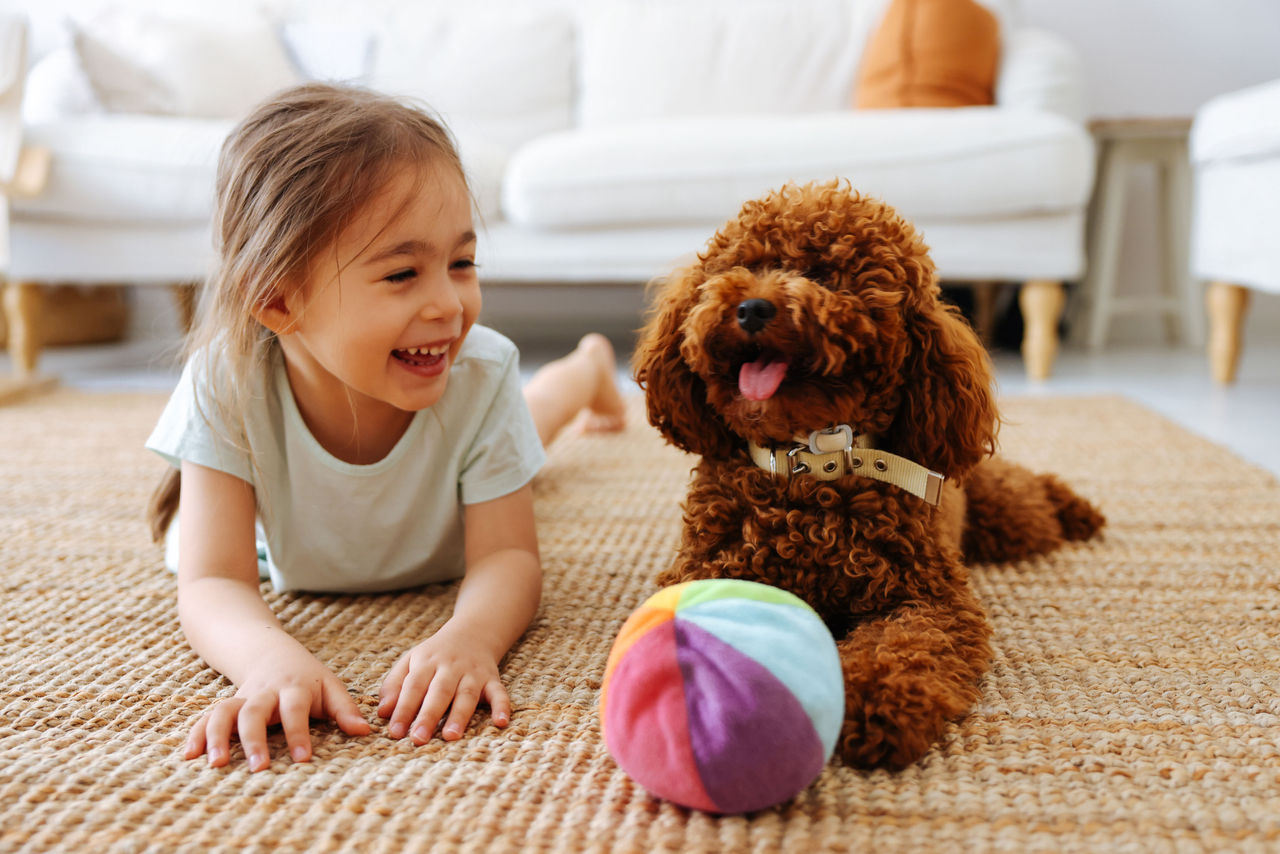
The classroom implementation of these lessons is expected to be woven naturally into daily activities. Teachers might use children’s books featuring animals to spark discussion about care and kindness. Role-playing exercises could invite students to think about how to approach a frightened dog or what to do if they see an animal being mistreated. Art projects or storytelling activities may center on themes of responsibility and protection.
Importantly, the curriculum does not isolate animals as a special category. Respect for companion animals is presented alongside respect for living things more broadly. This integrated approach reinforces the idea that kindness and accountability apply across contexts, whether toward classmates, wildlife, or pets at home.

The emphasis on sensitivity is particularly significant. For decades, science has increasingly recognized animals as sentient beings capable of experiencing pain and emotion. By embedding that recognition into primary education, France is aligning classroom values with contemporary understanding.
Critics may argue that schools already carry heavy academic responsibilities and question whether animal care belongs in formal curricula. Supporters counter that moral and civic education is not separate from academic growth but foundational to it. Children who learn empathy and responsibility early are better prepared to engage thoughtfully in society.
There is also a practical dimension. France, like many countries, faces ongoing challenges related to pet abandonment and neglect. If young students internalize the idea that animals require long-term care and respect, future decisions about adoption and ownership may be more deliberate.
Ultimately, the updated EMC program sends a clear message: compassion is not an optional trait. It is a skill to be cultivated from the beginning of school life.
When six-year-olds sit in a classroom and discuss why a pet depends on its owner, they are learning more than animal facts. They are practicing empathy. They are connecting actions to consequences. They are beginning to see themselves as responsible participants in a shared world.
By starting these lessons in CP, France is acknowledging that how children treat animals today can shape how they treat both animals and people tomorrow. In doing so, the country is placing kindness alongside literacy and numeracy as part of a well-rounded education.
The impact of such a shift may not be immediate or dramatic. But over time, small lessons repeated year after year can influence culture. When respect for companion animals becomes a normal part of early schooling, it becomes woven into everyday thinking.
And sometimes, the most lasting changes begin not with sweeping reforms, but with quiet conversations in a primary school classroom.
Share this article: