News
France has passed a law making pet abandonment punishable with three years in prison and a €45,000 fine.
PT
By pttloan1802Published: 04/03/2026 14:10| 0 Comments
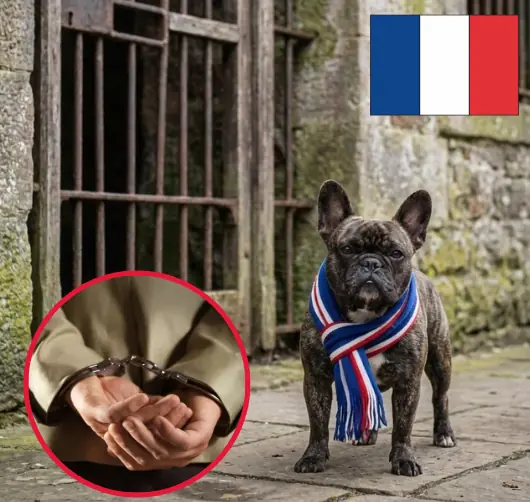
Photo: Onplusnews.net1 of 1
𝗜𝗻 𝗙𝗿𝗮𝗻𝗰𝗲, 𝗹𝗲𝗮𝘃𝗶𝗻𝗴 𝗮 𝗽𝗲𝘁 𝗯𝗲𝗵𝗶𝗻𝗱 𝗶𝘀 𝗻𝗼 𝗹𝗼𝗻𝗴𝗲𝗿 𝘃𝗶𝗲𝘄𝗲𝗱 𝗮𝘀 𝗮 𝘀𝗶𝗺𝗽𝗹𝗲 𝗹𝗮𝗽𝘀𝗲 𝗶𝗻 𝗷𝘂𝗱𝗴𝗺𝗲𝗻𝘁 or an unfortunate personal decision. It is treated as a criminal act.
In late 2021, the country passed sweeping animal welfare reforms aimed at confronting a long-standing issue: the abandonment of domestic animals. Under the strengthened rules, anyone found guilty of abandoning a pet can face up to three years in prison and a fine of as much as €45,000. For many people, that level of punishment feels surprisingly severe. But French lawmakers made it clear that they intended to send a message.

Abandonment is not a misunderstanding. It is cruelty.
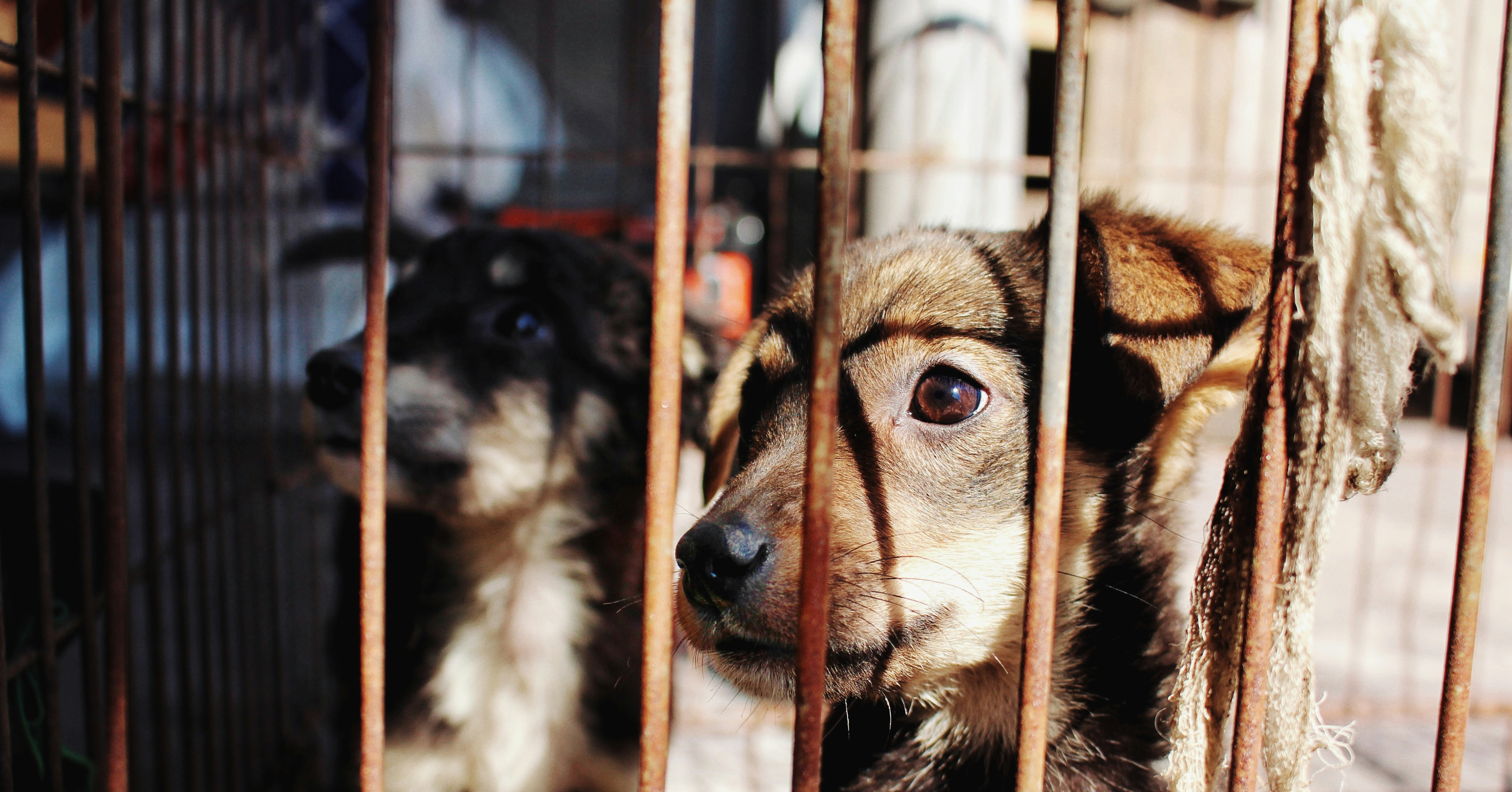
Each year, animal shelters across France report spikes in surrendered and abandoned pets, especially during peak holiday periods. Dogs and cats are sometimes left tied to fences, dropped near rural roads, or quietly handed over to already overwhelmed rescue organizations. Animal welfare groups have long warned that these cycles place enormous strain on shelters and lead to unnecessary suffering for animals who cannot understand why their world suddenly changed.
By elevating abandonment to a criminal offense with meaningful consequences, France has shifted the conversation. Rather than treating pets strictly as property, the law recognizes them as living beings capable of fear, stress, and emotional attachment.

But the reform was never designed to rely solely on punishment.
Lawmakers understood that preventing abandonment requires more than imposing penalties after harm occurs. That is why the 2021 legislation also introduced measures meant to discourage impulsive pet ownership in the first place.
One of the most significant additions is a mandatory “commitment and awareness” certificate for new pet owners. Before adopting or purchasing a dog or cat, individuals must now sign a document acknowledging the responsibilities involved. This includes understanding the animal’s needs, the time commitment required, veterinary costs, and the long-term nature of pet care.
The purpose is simple: pause and reflect.
Buying or adopting a pet can sometimes be driven by emotion. A cute puppy in a shop window. A kitten shared in an online listing. A gift meant to surprise a child. By requiring a formal acknowledgment of responsibility, the law attempts to slow that process just enough to encourage thoughtful decision-making.
The reforms also tightened rules surrounding pet sales and advertising. Online platforms and sellers must follow stricter guidelines, aiming to reduce irresponsible breeding and quick transactions that treat animals like commodities. Together, these measures seek to address the problem at its root rather than only responding once abandonment has already occurred.
Supporters of the law argue that it reflects how society’s view of companion animals has evolved. In France, as in many countries, pets are increasingly regarded as members of the family. They share homes, routines, and daily life. Recognizing abandonment as cruelty aligns legal standards with that cultural reality.
Critics question whether harsher penalties alone will deter those who feel overwhelmed or financially strained. Enforcement also presents challenges. Proving abandonment can require evidence, and not every case is clear-cut. Still, advocates maintain that setting firm legal boundaries establishes expectations.
And expectations matter.
When a society formally defines certain behavior as unacceptable, it shapes norms. It signals that certain actions cross a line. In this case, the line is drawn around responsibility for living creatures who depend entirely on human care.
Pets do not understand changing circumstances. They do not grasp seasonal vacations, housing restrictions, or financial pressures. They understand routine, attachment, and presence. When that presence disappears, they experience confusion and stress, not context.
France’s reforms recognize that emotional reality.
The country’s broader animal welfare push also addressed other concerns, including stricter penalties for abuse and regulations around the use of wild animals in certain entertainment settings. Together, the changes form part of a larger effort to modernize how the law protects animals.
Ultimately, the strengthened penalties for abandonment are about more than punishment. They are about redefining accountability.
Bringing a pet into a home is not a temporary arrangement. It is a commitment measured in years, sometimes more than a decade. It involves veterinary care, training, time, patience, and adaptation as circumstances change. By pairing significant criminal consequences with preventative safeguards, France is attempting to reinforce that understanding from the beginning.
You can debate how laws should function. You can argue about deterrence versus education. But the underlying message remains clear.
Companion animals are not disposable.
They are not seasonal accessories. They are not short-term conveniences. They are sentient beings who rely on the people who choose them.
Through its 2021 reforms, France has taken a firm stance that choosing a pet means accepting that responsibility fully. And for those who walk away, the legal system now responds with consequences that reflect the seriousness of that decision.
Share this article: