The Story of Toya Stewart, Hazel, and the Choice That Cost Them Both
Imagine loving your dog so fiercely that you’re willing to lose everything just to give them a little more time.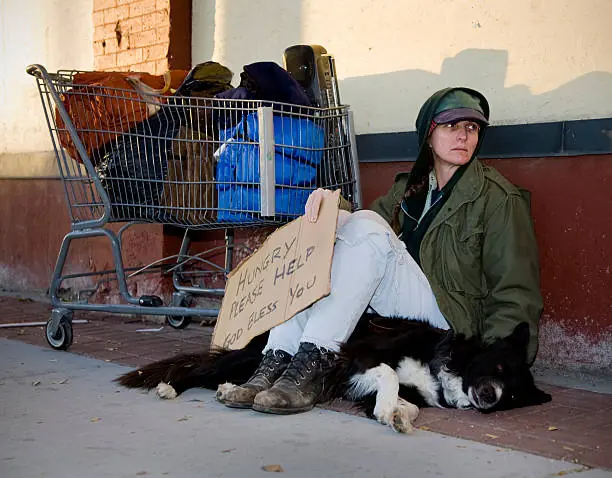
That is not a metaphor.
That is not a romantic exaggeration.
That is the choice Toya Stewart made for her pitbull, Hazel.
When a Dog Is the Only Constant
For Toya, Hazel was not just a pet.
Hazel was family.
Hazel was safety.
Hazel was the one living being who stayed.
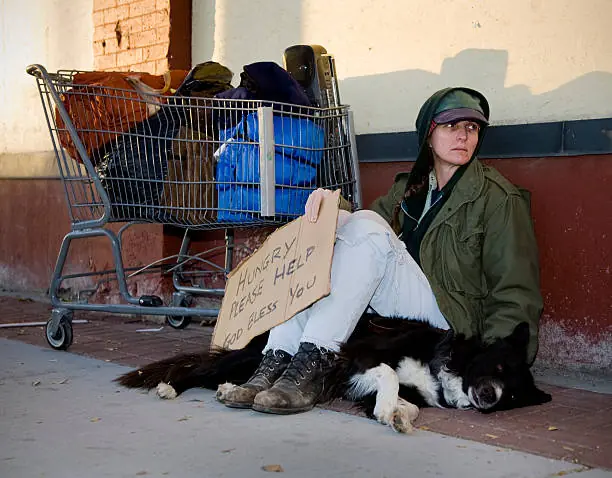
Through homelessness.
Through an abusive relationship.
Through nights when the world felt hostile, loud, and unpredictable.
When people disappeared, Hazel didn’t.
“She was the only thing that never left me,” Toya later said.
For people who have never lived on the edge of survival, that kind of bond can be hard to understand. But for those who have, animals are often more than companions — they are anchors. Proof that someone still chooses you.
Loyalty Forged in Chaos
Hazel learned the world the same way Toya did: as something that could turn dangerous without warning.
Loud noises.
Strangers approaching too fast.
Threats that didn’t always announce themselves.
Hazel became protective — intensely so. Not because she was violent, but because she had learned that survival meant vigilance.
To Toya, Hazel was loyal, intuitive, and deeply bonded.
To the outside world, Hazel was a pitbull with a record.
The Incident That Changed Everything
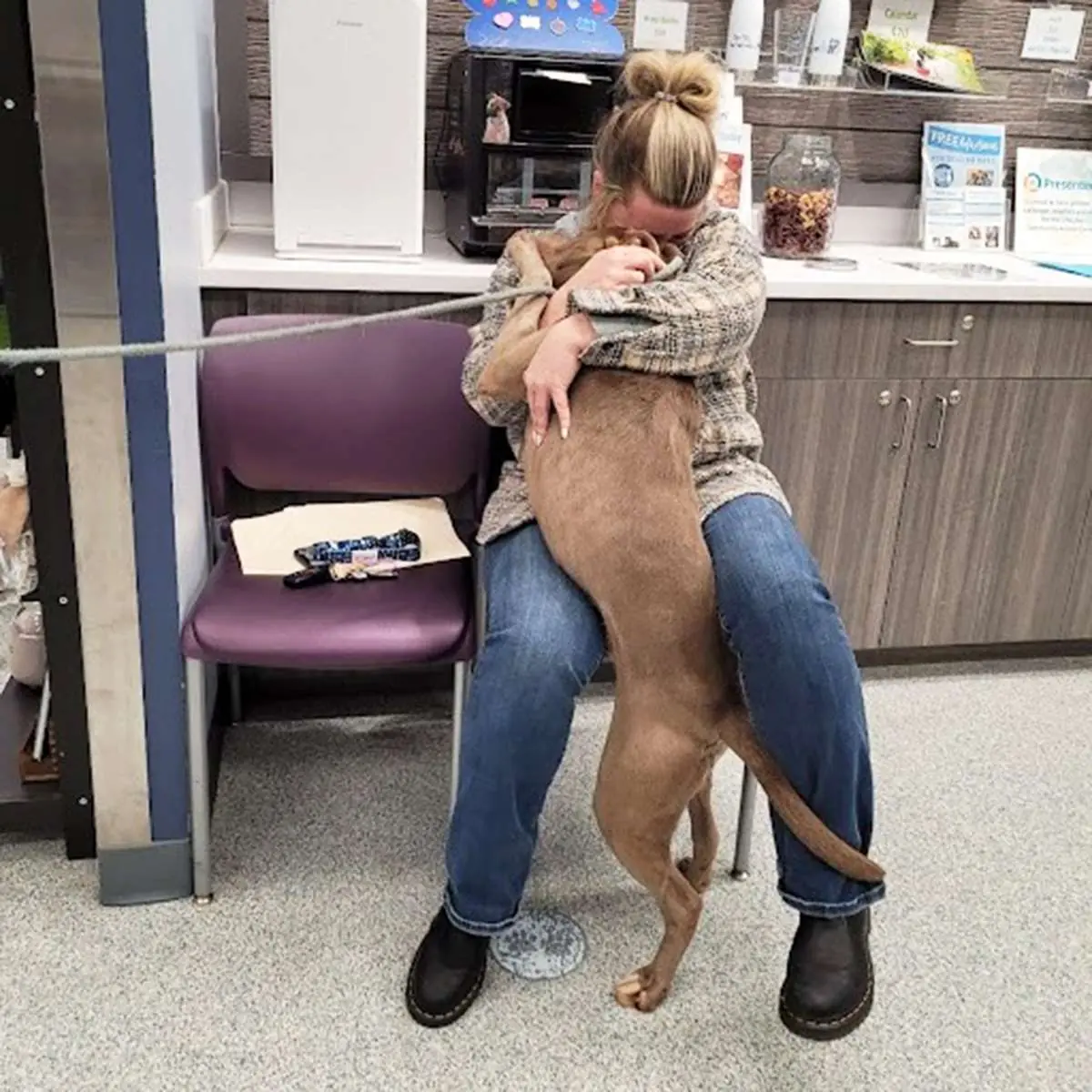
It happened quickly.
Hazel bit a mail carrier.
Later, another dog.
No one disputed the facts. The bites happened. Injuries were reported. Fear followed.
What came next was swift and final.
Hazel was labeled dangerous.
A judge ordered her euthanized.
No rehabilitation plan.
No mandatory training program.
No rehoming evaluation.
Just a court order.
Hazel was taken to the Oklahoma City animal shelter to await death.
Two Ways of Seeing the Same Dog
To the city, Hazel was a liability.
To Toya, Hazel was afraid.
A dog who had never hurt the person she loved. A dog reacting to a harsh world the only way she knew how.
Toya pleaded for alternatives.
Training.
Behavior assessment.
A chance.
Every door closed.
The system was not built to negotiate with love. It was built to reduce risk.
When the System Runs Out of Options
Dangerous dog laws exist for a reason.
Public safety matters.
Victims matter.
Prevention matters.
But the law does not measure attachment. It does not calculate loyalty. It does not weigh what an animal means to a person who has already lost everything else.
To Toya, the ruling felt less like justice and more like erasure.
Hazel wasn’t just being killed.
She was being dismissed.
The Night Desperation Became Action
Sleep didn’t come.
Toya replayed every moment of Hazel’s life. Every time Hazel had chosen her. Every time Hazel had stood between her and danger.
And somewhere in that sleeplessness, an idea formed — reckless, illegal, and driven entirely by love.
If Hazel had to die, she would not die believing she had been abandoned.
Breaking the Rules for Love
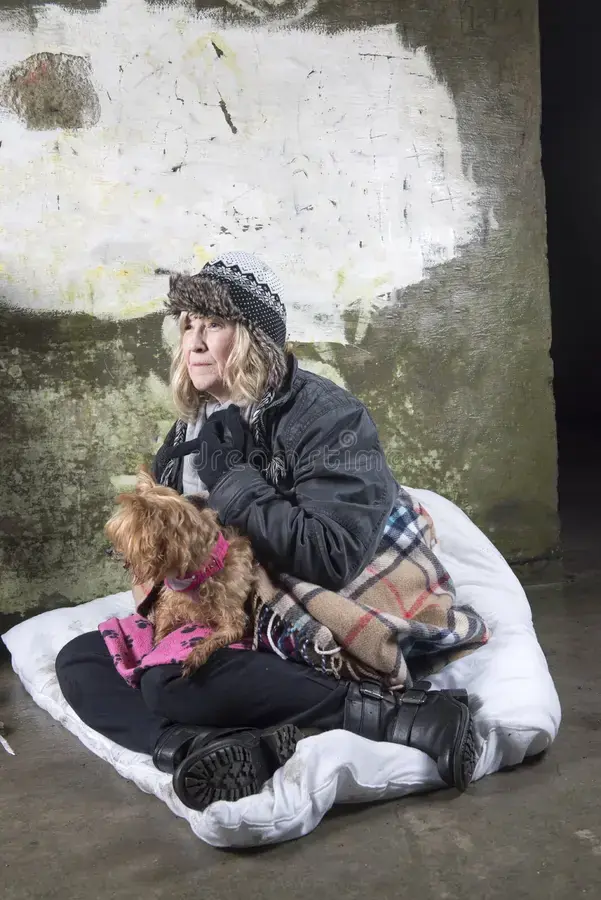
Late at night, Toya went to the shelter.
She smashed a window.
The sound echoed — loud, final, irreversible.
She forced open Hazel’s kennel. Hazel didn’t hesitate. She followed.
Together, they crawled beneath a fence and disappeared into the dark.
For the law, it was burglary.
For Toya, it was reunion.
A Few Stolen Days
For a brief moment, Hazel was home again.
She slept in her own bed.
She rested her head against the person she trusted most.
She relaxed in a way she hadn’t in weeks.
Those days were not about escape. They were about closure.
Toya knew how this would likely end.
But Hazel needed to know one thing:
Her person came back.
When Reality Caught Up
Police found them.
Toya was arrested and charged with burglary.
Hazel was returned to the shelter.
The court order still stood.
Hazel was euthanized.
The ending everyone expected — and no one was ready for.
“I Don’t Regret It”
Afterward, Toya was asked if she regretted what she had done.
She said no.
Even knowing the outcome, she believes Hazel needed those days. Needed to feel chosen. Needed to know she wasn’t discarded when things got hard.
For Toya, love was not about winning.
It was about showing up — even when losing was guaranteed.
A Story That Split the Internet
When Hazel’s story went public, reactions were immediate and polarized.
Some called Toya a hero.
A woman who loved her dog the way family should be loved.
Others were angry.
They pointed to the bite victims.
They argued that safety must come first.
They warned against romanticizing dangerous behavior — human or animal.
Both sides spoke with conviction.
And neither was entirely wrong.
The Uncomfortable Questions We Avoid
This story forces questions many people would rather not answer.
How much do breed labels shape our decisions before behavior is fully understood?
Where is the line between protection and punishment?
What does “dangerous” really mean when fear, trauma, and loyalty collide?
And perhaps the hardest question of all:
Who gets to decide when love is unreasonable?
Pitbulls and the Weight of a Name
Studies repeatedly show that breed-specific labeling often oversimplifies behavior.
Dogs bite for reasons: fear, pain, protection, stress. Breed alone does not explain context.
Yet pitbull-type dogs remain disproportionately represented in euthanasia statistics and dangerous dog rulings.
Hazel did not exist in a vacuum. She existed inside a narrative already written about her.
Public Safety vs. Individual Stories
Public safety laws are designed for populations, not for exceptions.
They aim to prevent worst-case scenarios — not to accommodate nuance.
Hazel’s story sits uncomfortably at the intersection of policy and humanity, where one-size-fits-all solutions fail to account for individual lives.
The law did what it was designed to do.
Love did something else entirely.
What Love Looks Like When It Has No Power
Toya could not change the ruling.
She could not rewrite the law.
She could not save Hazel’s life.
So she changed the ending Hazel experienced.
Instead of dying alone in a shelter, Hazel died knowing she was loved to the very end.
For Toya, that mattered.
Why This Story Hurts So Much
This story hurts because there is no clean villain.
Not the city.
Not the victims.
Not even the system.
And not Toya.
It is a collision of fear, responsibility, loyalty, and loss — all real, all valid, all incompatible.
Love That Refuses to Be Reasonable
When the world tells someone their best friend can’t be saved, love can drive people to do unimaginable things.
Break laws.
Risk freedom.
Accept consequences.
Not because they believe they’ll win — but because walking away would cost more.
Hazel’s Legacy
Hazel did not change the law.
But her story has made people ask harder questions.
About how we define danger.
About how we balance safety with compassion.
About how easily we dismiss bonds we don’t fully understand.
The Choice That Cost Everything
Imagine loving your dog so fiercely that you’re willing to lose everything just to give them a little more time.
Toya Stewart didn’t imagine it.
She lived it.
And even now, she says the same thing:
Hazel deserved to know she wasn’t abandoned.
Sometimes, love isn’t about saving someone.
Sometimes, it’s about refusing to let them face the end alone.