The Hidden Economics of Animal Welfare: Understanding the Shelter and Rescue System

On the outskirts of many American towns, the same scene repeats itself every day.
An animal control officer opens the door of a municipal shelter and carefully leads in another stray dog — one of dozens that will arrive this week.
Across town, in a brightly lit pet store, volunteers from a private rescue group are setting up adoption booths. Their goal is simple: find homes for animals they have pulled from overcrowded shelters in nearby counties.
These two moments are connected.
Together, they represent the complex ecosystem of animal welfare in the United States — a system that quietly processes millions of animals every year.
Despite its enormous scale, this industry remains one of the least understood and most underfunded sectors in public service.
Most people only notice it when they decide to adopt a pet.
But behind the scenes, the system is far more complicated.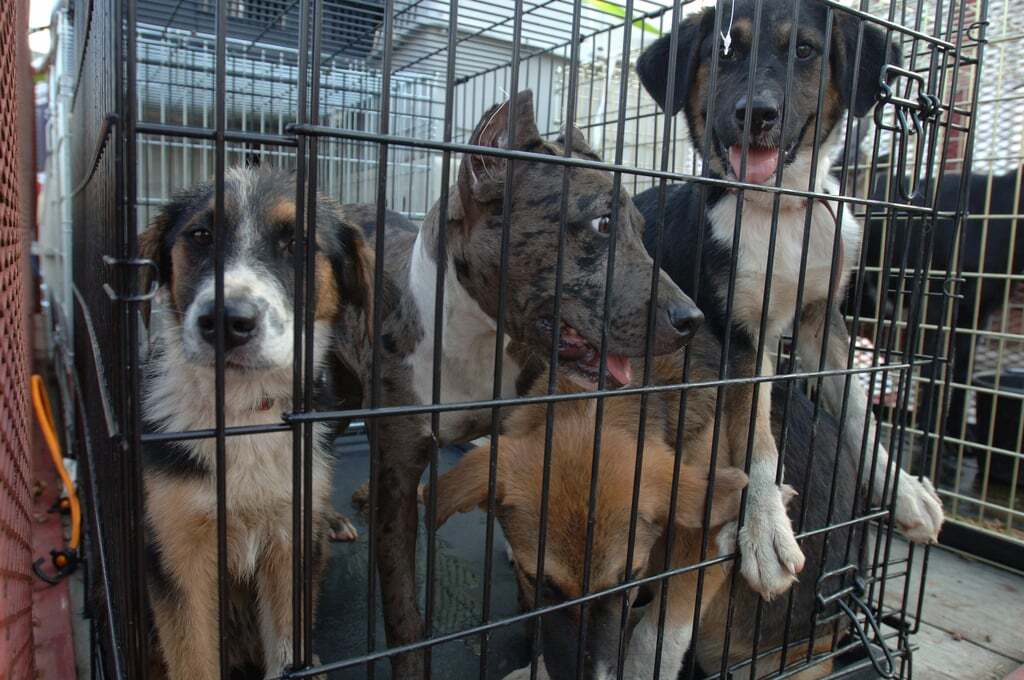
Two Systems Working Side by Side
Animal welfare in the United States operates through two interconnected systems:
-
Municipal animal shelters
-
Private rescue organizations
Both serve the same mission: protecting animals.
But they operate in very different ways.
Municipal Shelters: The Government Safety Net
Municipal shelters are typically run by local governments — cities or counties.
Their responsibilities are broad and demanding.
They handle stray animals found on the streets, respond to animal control complaints, manage dangerous animal situations, and provide temporary care for lost or abandoned pets.
Unlike private rescues, municipal shelters cannot refuse animals.
If someone brings in a stray dog or surrenders a pet, the shelter must accept it.
But these shelters operate on tight public budgets, often competing with essential services like police departments, fire stations, and road maintenance.
When local governments face financial pressure, animal services are often among the first areas to experience cuts.
As a result, many municipal shelters struggle to operate with limited staff, outdated facilities, and insufficient funding.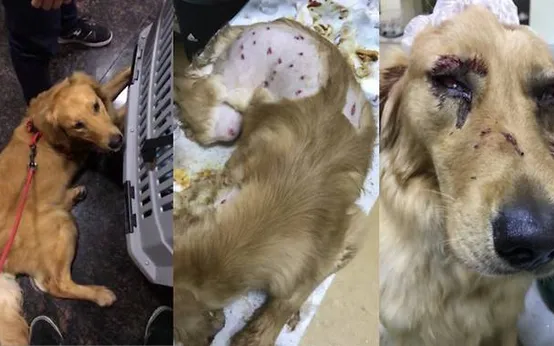
Private Rescues: Filling the Gaps
Private rescue organizations function very differently.
Most operate as nonprofit charities (501(c)(3)), meaning they depend heavily on:
-
Donations
-
Grants
-
Adoption fees
-
Volunteer labor
Unlike municipal shelters, rescues can choose which animals they accept.
Many focus on specific missions — such as rescuing particular breeds, helping senior animals, or rehabilitating injured pets.
Over the past two decades, rescue organizations have grown rapidly.
Many were founded with a specific goal: saving animals from overcrowded municipal shelters where euthanasia rates were high.
In many cases, rescues act as a second chance for animals that shelters cannot keep due to space limitations.
The Resource Crisis
Animal welfare organizations face a constant imbalance between resources and demand.
Every year, millions of animals enter shelters.
But funding rarely grows at the same pace.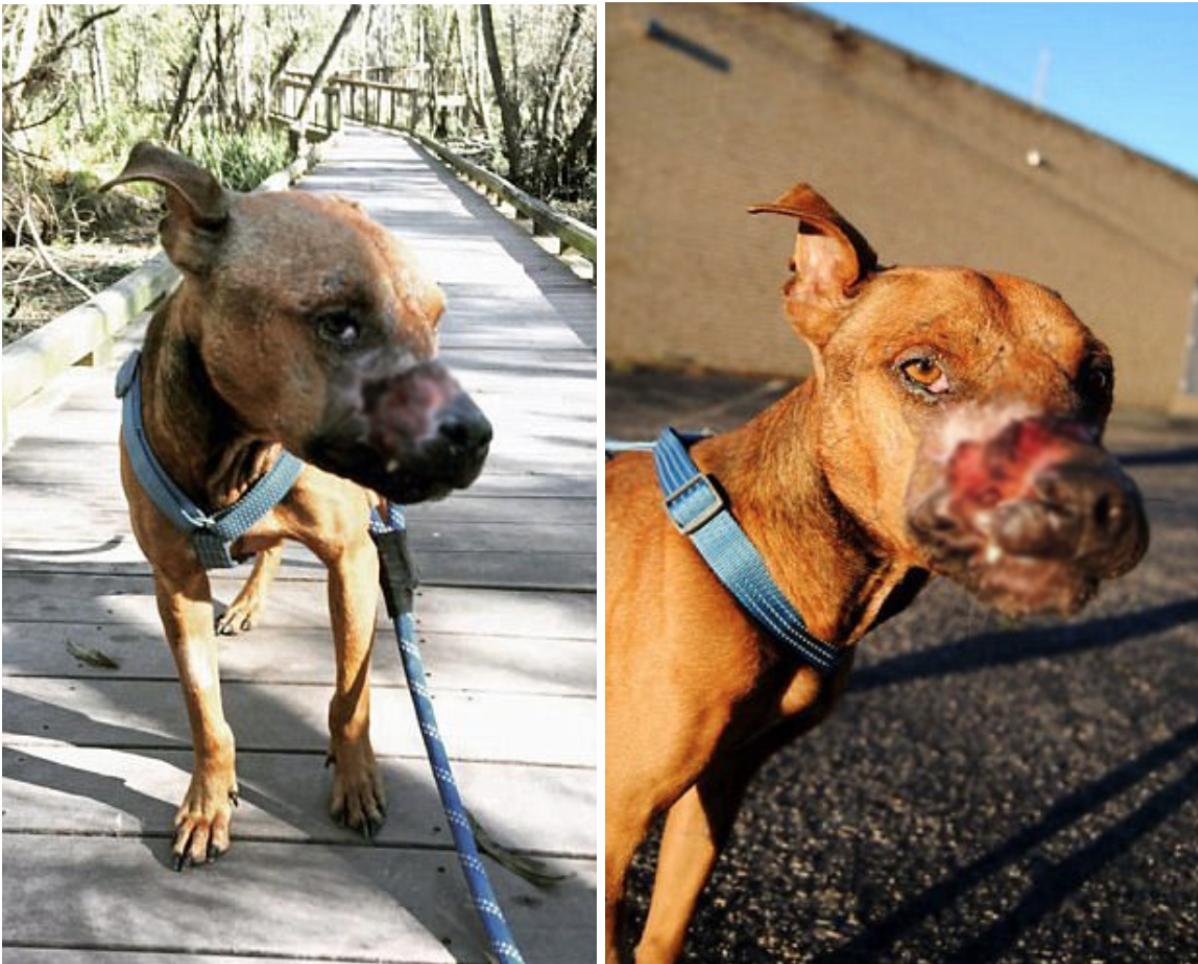
The Funding Problem
In 2023, Americans donated $21.2 billion to animal and environmental causes combined.
That number sounds large — but it must support a wide range of work including:
-
Wildlife conservation
-
Environmental protection
-
Animal sanctuaries
-
Companion animal rescue
For municipal shelters, funding primarily comes from tax dollars.
Unfortunately, many funding formulas are outdated and fail to reflect modern animal populations or the expectations communities now place on shelters.
Some contracts still calculate budgets based on “cost per animal”, which can unintentionally encourage minimal care standards rather than optimal outcomes.
Private rescues face a different challenge.
They rely on donations that fluctuate throughout the year.
Many operate with less than three months of financial reserves, leaving them vulnerable to sudden financial shortfalls.
The Staffing Paradox
Working in animal welfare requires specialized expertise.
Veterinarians, behavior specialists, and shelter managers often possess advanced training and experience.
Yet salaries in the sector are typically far below those in private veterinary practice or corporate careers.
Many professionals remain in the field purely because of their passion for helping animals.
But this dedication comes at a cost.
Burnout is common.
Staff turnover is high.
Institutional knowledge is frequently lost when experienced employees leave.
A 2022 survey found that 87% of animal welfare organizations reported staffing shortages.
Private rescues face an even greater challenge.
Many operate almost entirely with volunteers, which introduces additional difficulties in training, reliability, and skill development.
A System That Runs In Constant Crisis Mode
Unlike many industries, animal welfare rarely operates on predictable cycles.
Instead, shelters and rescues constantly react to emergencies.
Capacity Challenges
Municipal shelters often face a difficult reality.
They cannot refuse animals — but they also have limited space.
When shelters become overcrowded, difficult decisions must be made.
Animals may need to be transferred to rescue partners, placed in temporary housing, or, in tragic cases, euthanized due to lack of space.
This creates a chain reaction across the entire system.
Private rescues feel pressure to accept animals from shelters, especially during overcrowding crises.
Seasonal Surges
Animal intake also fluctuates throughout the year.
Shelters experience predictable waves of animals, including:
-
Kitten season, when thousands of newborn cats appear each spring
-
Holiday periods, when pet surrenders often increase
Unexpected events can also overwhelm the system.
Natural disasters displace animals in large numbers.
Hoarding cases can suddenly bring dozens or even hundreds of animals into shelters in a single day.
Economic downturns can lead to more pet surrenders while simultaneously reducing adoption rates.
These pressures keep many organizations operating in permanent crisis mode, focusing on immediate survival rather than long-term planning.
The Monetization Paradox
Perhaps the most unusual aspect of animal welfare is the disconnect between the value shelters create and the revenue they receive.
Preparing an animal for adoption is expensive.
Medical treatment, vaccinations, behavioral training, and daily care often cost $200 to $1,000 per animal.
Yet adoption fees are usually far lower.
Typical adoption fees include:
-
$50–150 for adult cats
-
$100–350 for adult dogs
-
$150–500 for puppies and kittens
Even higher fees rarely cover the true cost of care.
The gap must be filled through donations and fundraising.
Where the Real Economic Value Exists
After adoption, pet owners spend an average of $1,000 to $1,500 per year caring for their animals.
This includes:
-
Veterinary care
-
Food and supplies
-
Training services
-
Pet insurance
-
Boarding and daycare
The U.S. animal shelter industry itself is valued at around $3.5 billion.
But shelters and rescues receive only a small fraction of the broader pet economy.
Some organizations are now experimenting with new revenue models, including:
-
Shelter-operated veterinary clinics
-
Retail pet supply shops
-
Training and behavioral services
-
Insurance partnerships
-
Membership programs for adopters
These initiatives help organizations generate sustainable income while continuing their mission.
A Sector Full of Opportunity
Despite its challenges, the animal welfare system holds enormous potential for innovation.
Each year:
-
6.3 million animals enter shelters
-
Over 3,500 shelters operate nationwide
-
More than 10,000 rescue organizations assist the system
-
4.1 million animals are adopted annually
Even small improvements in efficiency or funding could dramatically improve outcomes for animals.
The Power of the Adoption Community
Adopters represent a unique type of customer.
Unlike most consumer transactions, adoption creates an emotional bond between the adopter and the organization.
This relationship often leads to:
-
Long-term donor support
-
Volunteer participation
-
Community advocacy
-
Word-of-mouth promotion
Many adopters remain lifelong supporters of the organizations that helped them find their pets.
The Future of Animal Welfare
The next generation of animal welfare organizations may look very different from today's shelters.
Emerging trends include:
Community-Based Sheltering
Smaller neighborhood adoption centers and mobile services reduce the need for large centralized shelters.
Expanded Foster Networks
More animals are cared for in homes rather than crowded facilities.
Preventative Services
Programs like pet food banks and behavior support help keep pets with their original families.
Accessible Veterinary Care
Low-cost clinics support pet owners who might otherwise surrender animals.
Data-Driven Strategies
Technology allows shelters to better track trends, allocate resources, and improve outcomes.
The Business of Compassion
Animal welfare exists at the intersection of public service, nonprofit work, and business operations.
The organizations that will thrive in the future are those that embrace innovation while remaining true to their mission.
As one industry expert explains:
“Shelters are often overworked and understaffed. Technology can help automate many manual processes and allow staff to focus on what truly matters — caring for animals.”
Ultimately, the goal is simple but ambitious.
To build a system where resources match the needs of animals, staff receive the support they deserve, and every animal has the opportunity to find a safe and loving home.
Because behind every statistic is a life waiting for a second chance. 🐾