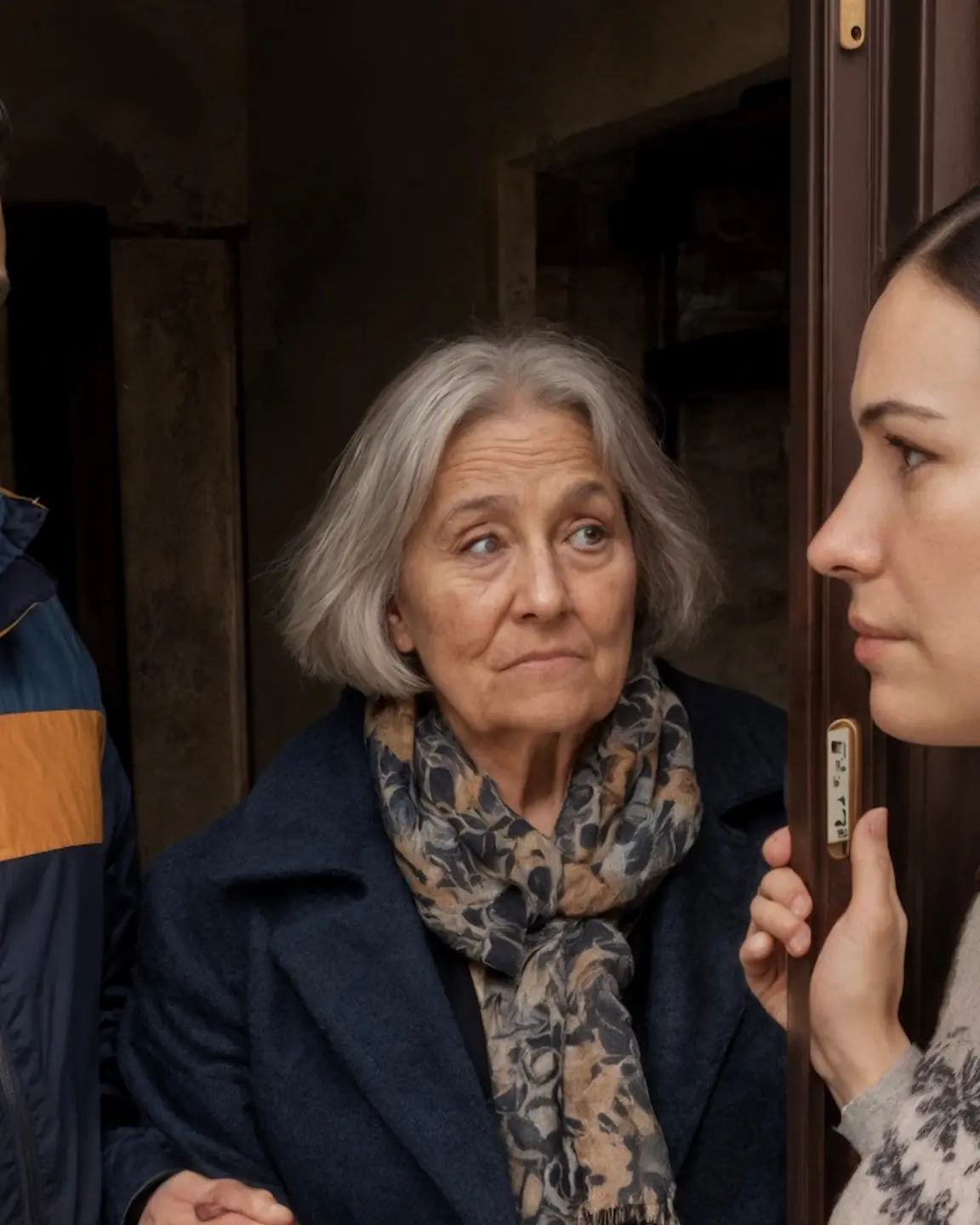
I Paid for a Blind Woman's Lunch at a Gas Station – The Next Day, a Man in a Suit Came to My Motel Room
I was 18 years old and had already learned one hard truth about life: nothing came easy. I was an orphan and had been one for as long as I could remember. I didn’t grow up with bedtime stories, family dinners, or anyone telling me things would be okay. I grew up learning how to survive.
I worked as a cashier at a small gas station on the edge of town, mostly night shifts. The pay was barely enough, but it was honest work. I lived alone in a tiny motel room because it was the cheapest place I could find. The walls were thin, the carpet smelled old, and the heater barely worked, but it was a roof over my head. Every paycheck was already spent before I even received it.
One night, close to the end of my shift, the station was unusually quiet. Then the door opened slowly, and an elderly blind woman walked in. She moved carefully, using her hands to guide herself along the shelves. I watched as she picked up the cheapest sandwich and a bottle of water. She didn’t browse. She didn’t hesitate. It was clear she was choosing only what she absolutely needed.
When she reached the counter, I rang up the items and told her the total.
She went still.
I could hear the slight shake in her breathing as she opened her purse and began counting coins. Her fingers trembled as the metal clinked softly against the counter. After a few seconds, she stopped. She didn’t have enough.
“I’m sorry,” she said quietly, her voice filled with embarrassment. “I’ll just put something back.”
Something inside me tightened. I knew that feeling too well—standing there, realizing you didn’t have enough, hoping no one noticed.
Before I could talk myself out of it, I said, “Don’t worry. I’ve got it.”
She looked surprised, then smiled gently. “Thank you,” she whispered, as if the word carried more weight than usual.
I paid for her food using money I had planned to stretch for days. As she left, I didn’t expect anything in return. I didn’t even tell anyone. I just finished my shift, went back to my motel room, and fell asleep like it was any other night.
The next morning, a knock jolted me awake.
When I opened the door, a tall man in a dark suit stood in the hallway. He looked serious, professional, and completely out of place in that run-down motel.
“Are you Cecelia?” he asked.
“Yes,” I replied cautiously.
“I was sent for you,” he said. “Please pack your essentials and come with me.”
My heart started racing. “Why? What’s going on?”
“The woman you helped last night would like to see you,” he said.
I almost laughed. That woman could barely afford lunch. None of this made sense. But something told me to go.
We drove for nearly an hour, leaving my familiar streets behind. Eventually, we pulled up to a massive estate surrounded by trees and iron gates. I felt like I had stepped into a different world.
Inside the house, the blind woman was waiting.
She smiled when she heard my voice.
She told me the truth—she wasn’t poor. She was wealthy. But that wasn’t why she wanted to see me.
Eighteen years ago, her daughter and son-in-law had died in a tragic car accident. Their baby daughter had survived. But at the time, the woman was losing her eyesight and dealing with serious health problems. The courts ruled her unfit to raise a child, and the baby was placed into foster care.
That baby was me.
She had searched for years but never found me. When she heard my voice at the gas station, when I showed kindness without expecting anything in return, she felt something she couldn’t explain. It reminded her of her daughter.
She showed me documents—birth records, names, dates. Everything matched.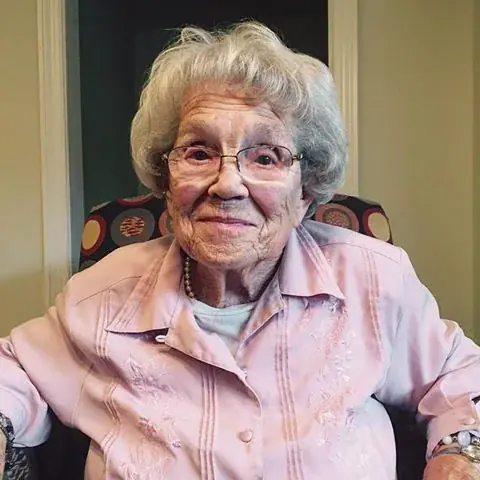
I broke down crying. She reached for my hands, and we cried together.
For the first time in my life, I wasn’t alone.
That small act of kindness—paying for a stranger’s lunch when I barely had anything myself—changed my life forever. It reunited me with the family I never knew I had and proved something I’ll never forget:
Sometimes, the smallest good deeds lead to the biggest miracles.