Canada Opened a Free Grocery Store Where Families in Need Can Choose Up to $200 in Food — Including Pet Food
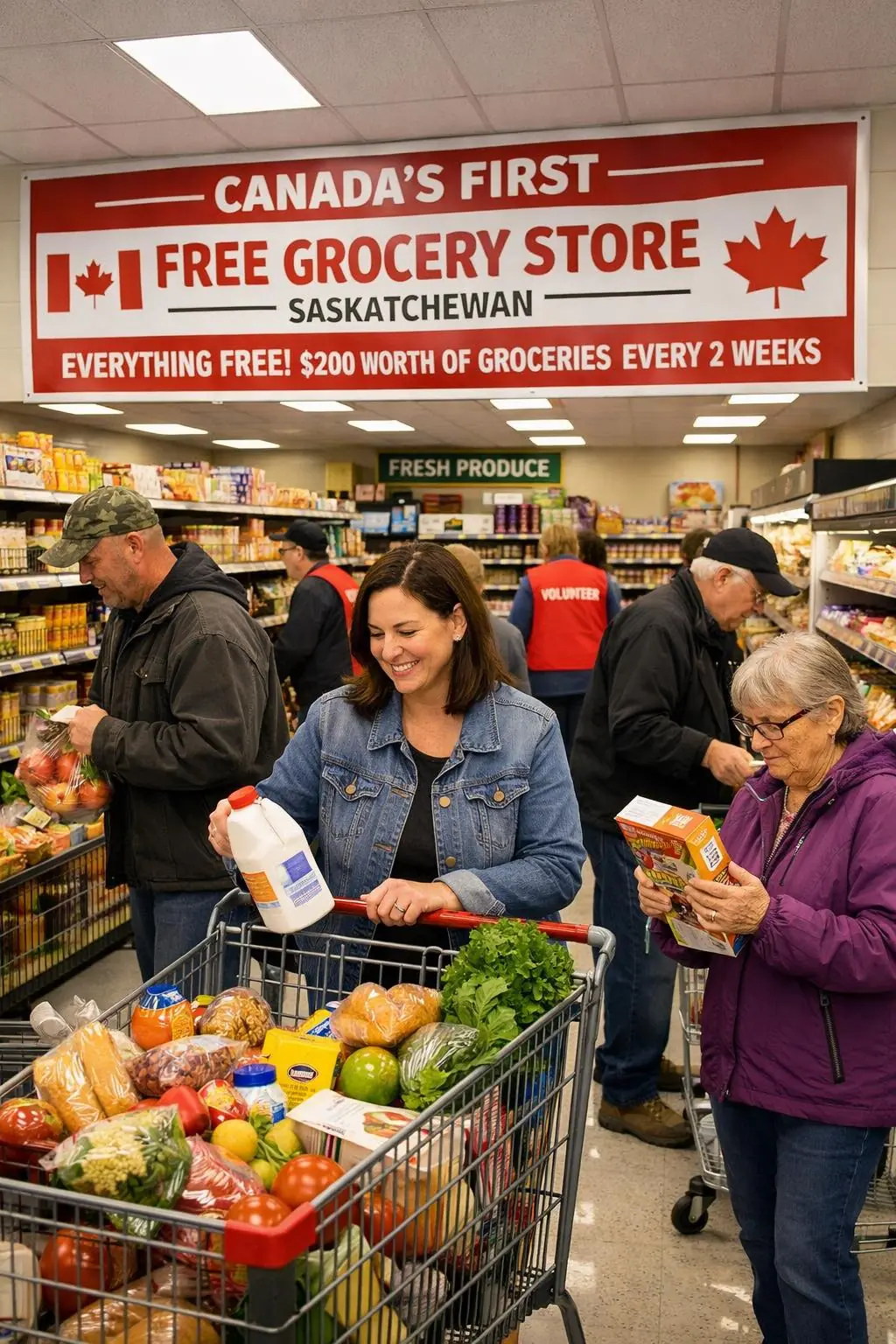
In most cities, asking for help with food still looks the same: long lines outside food banks, pre-packed boxes handed out quickly, and families taking whatever is available, whether it fits their needs or not.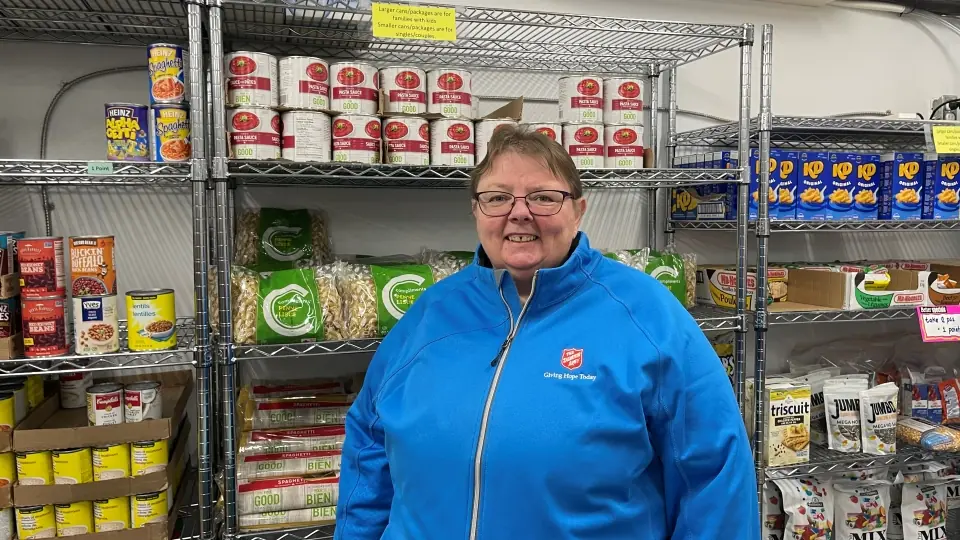
But in Regina, Saskatchewan, something quietly revolutionary began in October 2025.
A grocery store opened its doors…
With carts.
With shelves of fresh produce.
With refrigerators stocked like any normal supermarket.
Except one thing was different:
Everything inside was free.
Families in need could walk in, shop with dignity, and choose up to $200 worth of groceries every two weeks — even pet food.
It was the first project of its kind in Canada, and it is already changing the way people think about hunger, community, and respect.
A New Kind of Help — Not a Food Bank Line
For decades, food support has often been built around emergency distribution.
Food banks do important work, but the experience can feel uncomfortable:
-
Standing in public lines
-
Receiving pre-selected items
-
Limited choices
-
Stigma and embarrassment
-
Food that may not match cultural diets or health needs
Regina’s free grocery store model offers something different.
Instead of handing out boxes, it recreates the experience of normal shopping.
People don’t feel like they are being “given charity.”
They feel like they are being treated as customers.
As humans.
A Store That Looks and Feels Familiar
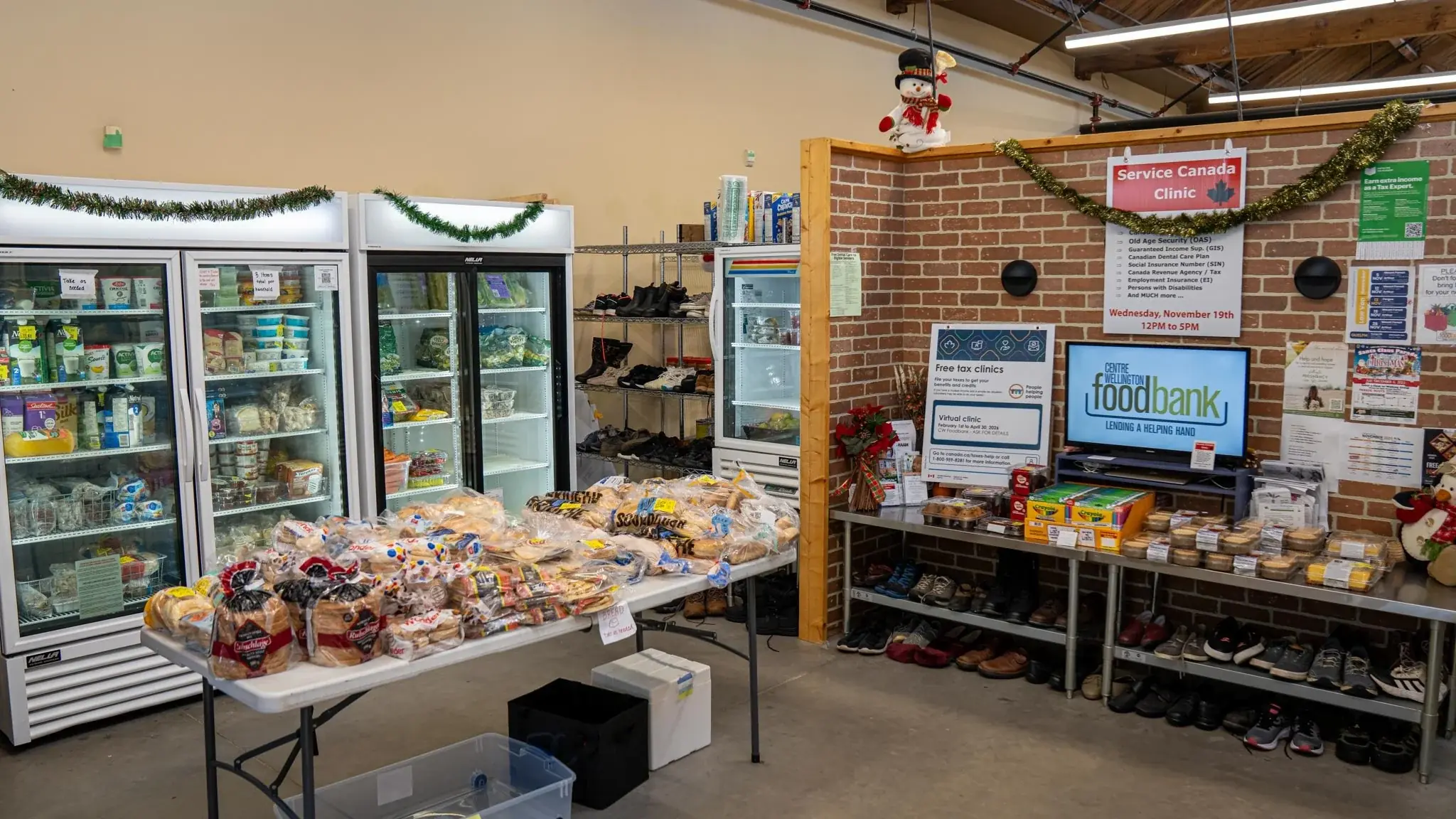
Inside the free grocery store, everything is designed to feel normal.
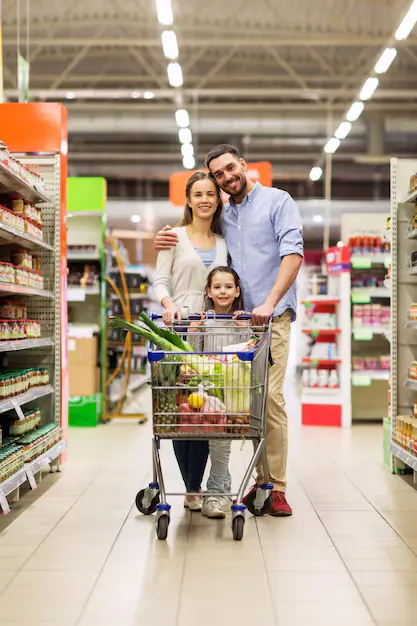
Families enter, grab a cart, and walk through aisles filled with:
-
Fresh fruits and vegetables
-
Dairy and eggs
-
Bread and pantry staples
-
Frozen foods
-
Household essentials
There is no checkout payment.
No awkward exchange.
No rushed distribution.
Shoppers simply choose what they actually need.
That simple act — choosing — makes all the difference.
Why Choice Matters More Than People Realize
Traditional food programs often rely on pre-packed boxes.
While helpful, they come with challenges:
-
People may receive food they cannot eat
-
Dietary restrictions are hard to accommodate
-
Cultural food preferences are overlooked
-
Waste increases when items go unused
Regina’s model restores autonomy.
Families can select groceries that fit their:
-
Household size
-
Health conditions
-
Cultural background
-
Cooking habits
-
Children’s needs
This reduces waste and increases dignity.
It turns survival support into something closer to empowerment.
Up to $200 in Groceries Every Two Weeks
Registered shoppers are allowed to select up to $200 worth of food every two weeks.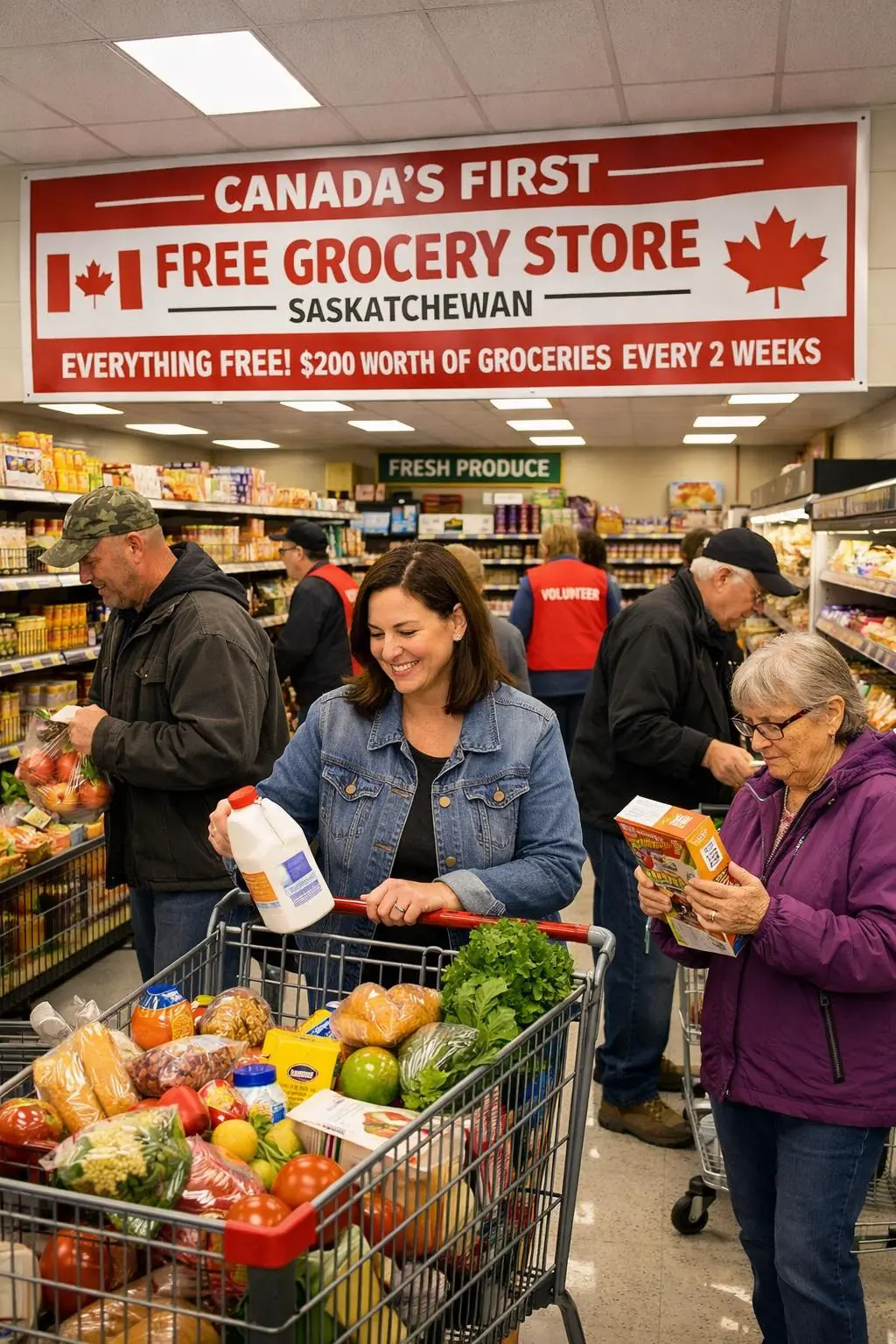
That amount may not cover everything, but it can mean:
-
Full meals for children
-
Fresh ingredients instead of only canned goods
-
Relief from impossible grocery bills
-
A sense of stability
With food prices rising sharply across Canada, many working families are struggling for the first time.
This store recognizes that hunger is no longer only an “extreme poverty” issue.
It is becoming a middle-class crisis too.
The Quiet Detail That Touched Everyone: Pet Food
One shelf stood out more than others.
Pet food.
Organizers included it intentionally.
Because they understood something deeply human:
Pets are not luxuries.
For many families, pets are emotional support, companions, and family members.
And in hard times, people are often forced into heartbreaking choices:
Feed my child…
Or feed my dog?
The store’s message was clear:
No one should have to abandon a pet or let an animal go hungry because of rising food costs.
Compassion should include every member of the household — even the ones with paws.
Dignity as the Foundation of the Project
What makes this grocery store so powerful is not only the food.
It is the dignity built into the design.
Families are not treated as problems.
They are treated as neighbors.
This model reduces shame because it avoids the feeling of being “watched” or judged.
Instead of standing in a line, shoppers walk through aisles like anyone else.
That sense of normalcy is healing.
Hunger is already heavy.
People do not need humiliation added to it.
A Community Response to a Growing Crisis
Canada has seen food insecurity rise dramatically in recent years due to:
-
Inflation
-
Housing costs
-
Job instability
-
Rising grocery prices
-
Increased demand on food banks
Regina’s free grocery store is a response to a reality many communities now face:
More people need help than ever before.
And the old systems are overwhelmed.
This project is sparking bigger conversations:
What if food support didn’t feel like charity?
What if it felt like community care?
Could This Model Spread Across Canada?
Many people are now asking:
Could other cities build free grocery stores too?
Supporters believe this model could expand because it offers:
-
Reduced waste
-
More dignity
-
Better matching of needs
-
A stronger community feel
But challenges remain:
-
Funding and donations
-
Supply chain consistency
-
Volunteer staffing
-
Scaling the program fairly
Still, Regina has proven one thing:
A different approach is possible.
More Than Food — A Shift in How Society Helps
This store is not just about groceries.
It represents a shift in mindset.
Instead of emergency handouts, it offers:
-
Respect
-
Choice
-
Stability
-
Inclusion
It asks a bigger question:
What does help look like when it is built around dignity instead of desperation?
Final Thought: A Store That Restores More Than Hunger
The free grocery store in Regina may look quiet from the outside.
Just shelves.
Just carts.
Just food.
But inside, something larger is happening.
A family walks in without shame.
A parent chooses meals their children will actually eat.
A bag of dog food reminds someone they don’t have to give up their companion.
This is not only a grocery store.
It is a statement:
Support can feel human.
Help can feel normal.
And communities can care without taking dignity away.
As food costs continue to rise, projects like this may shape the future of how we fight hunger — not with lines and boxes…
but with choice, respect, and compassion.