France Passes Landmark Law to End Wild Animal Performances in Circuses
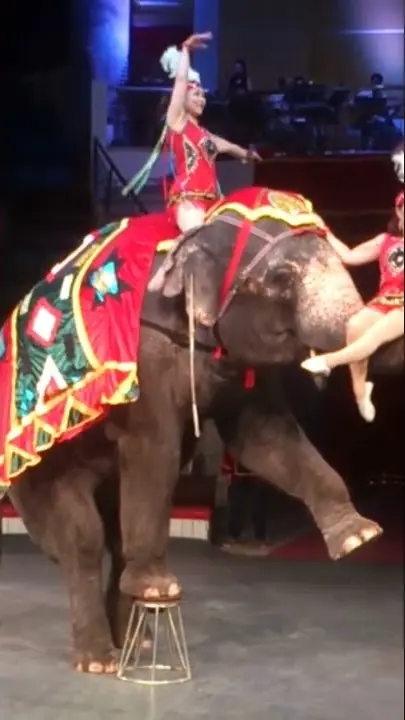
France has officially decided to close a long and emotional chapter in circus history.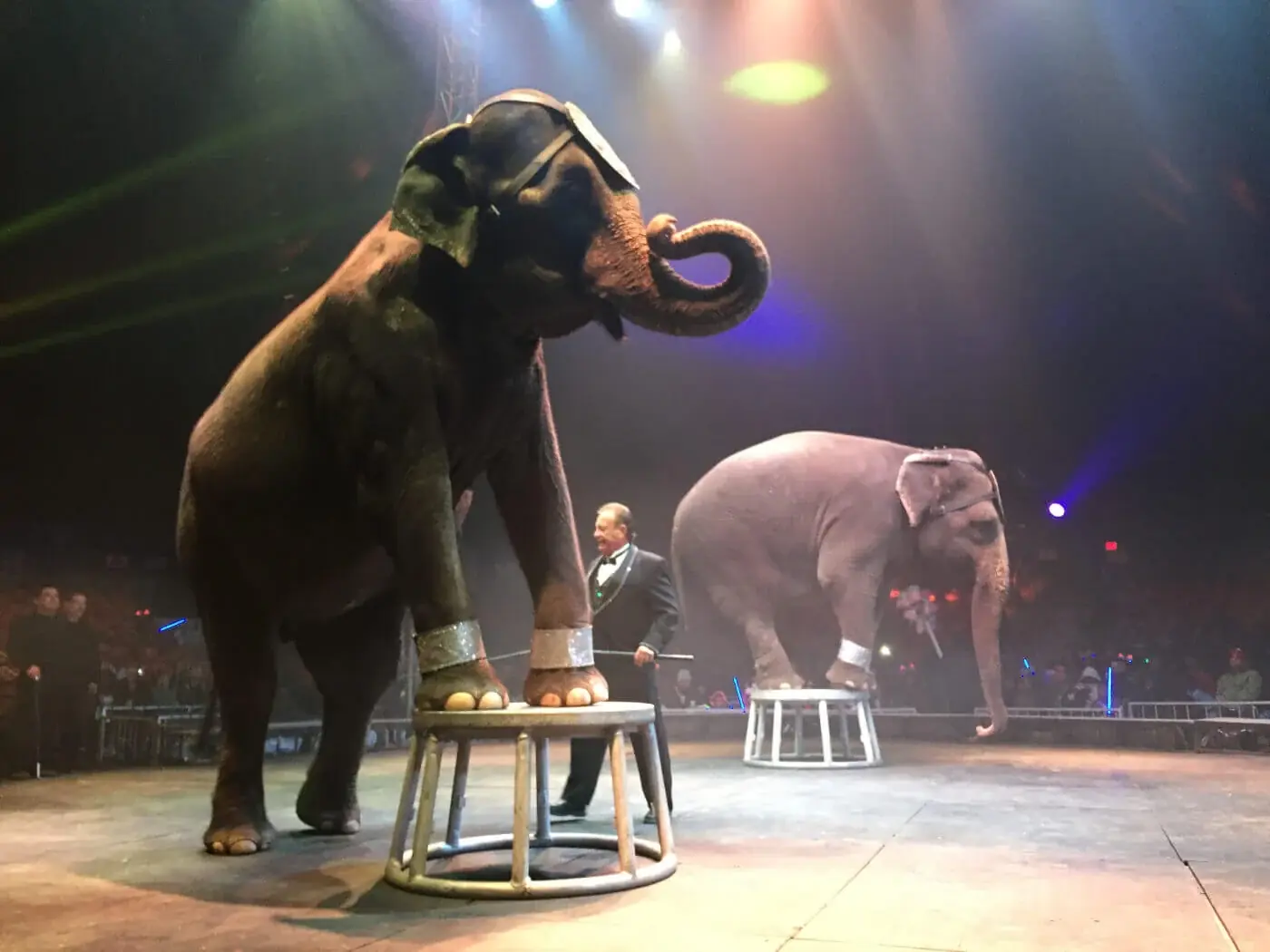
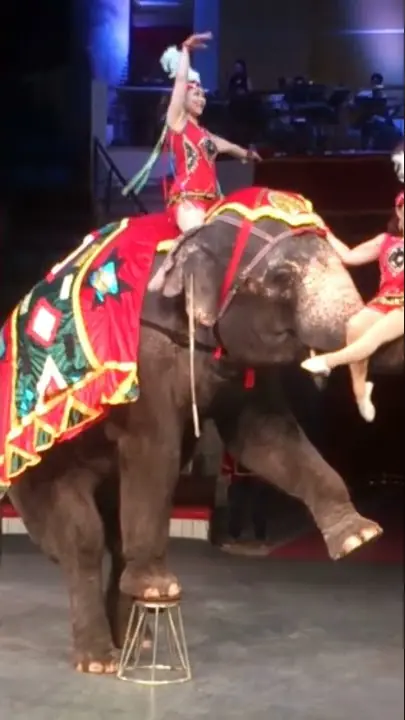
For generations, traveling circuses have been part of French culture—bright tents, dramatic music, families gathered under flashing lights, and animals performing alongside acrobats.
But now, the country is stepping into a new era.
France has passed a groundbreaking law that will eliminate wild animal performances in traveling circuses nationwide.
And the most important deadline is clear:
By 2028, wild animal acts must fully stop.
Supporters call it progress.
Critics call it the end of tradition.
Either way, France’s decision is sending a powerful message about how society’s relationship with animals is changing.
A Historic Shift in Entertainment
Circuses have long been seen as magical places where the impossible becomes real.
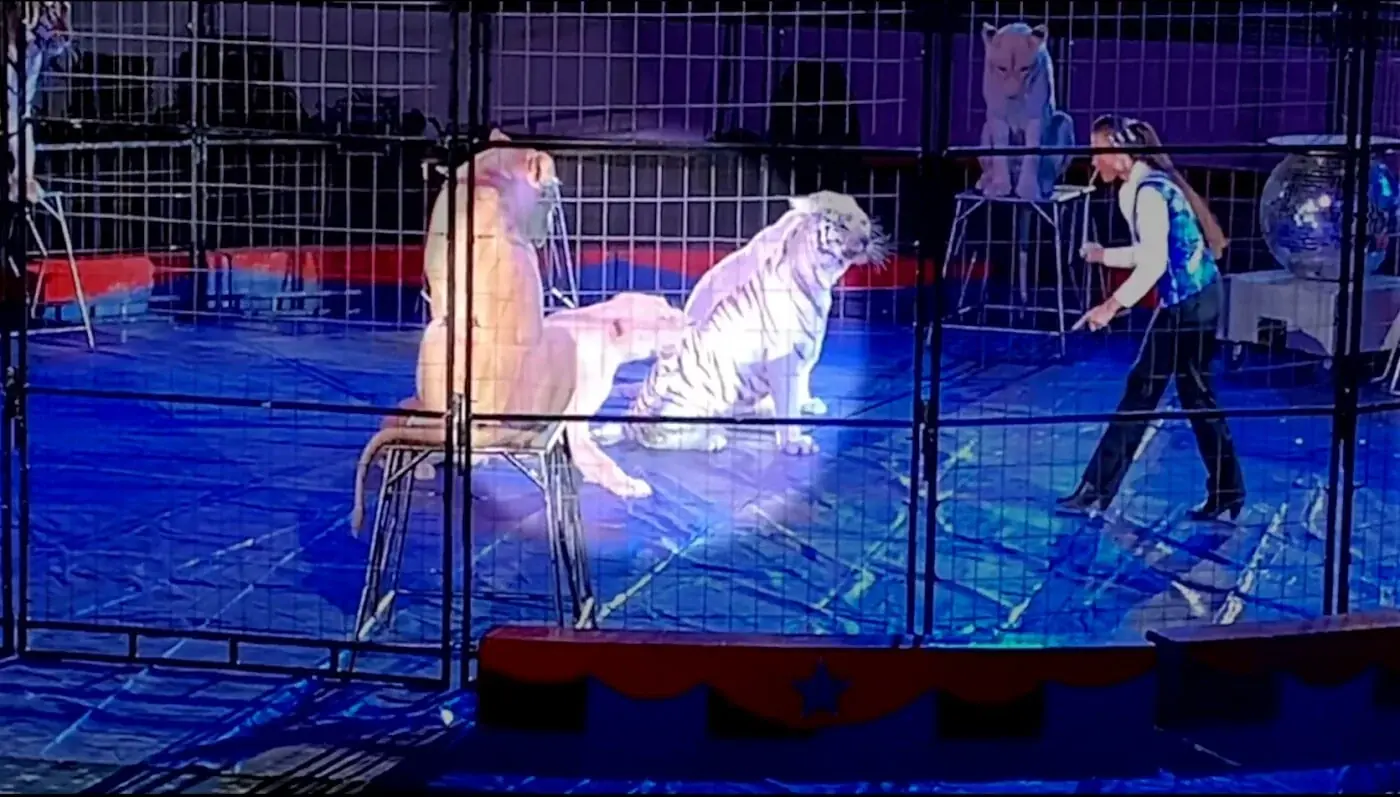
Lions jumping through hoops.
Bears balancing on platforms.
Tigers pacing under spotlights.
For decades, these acts were celebrated as symbols of excitement and wonder.
But in recent years, public opinion has shifted sharply.
More people are questioning what happens behind the scenes:
-
How do animals live when the show is over?
-
What does constant travel do to their health?
-
Can a wild animal truly thrive inside a cage and a performance schedule?
France’s new law reflects these changing values.
It marks a national decision that entertainment should no longer come at the expense of animal welfare.
The Key Deadline: 2028
One of the most striking parts of the law is its clear timeline.
Wild animal performances will not disappear overnight…
But they will disappear completely.
The law sets 2028 as the final year when traveling circuses in France must stop using wild animals in acts.
This gives circuses several years to transition, adjust, and redesign their shows.
Supporters say this gradual approach is important because it avoids sudden disruption while still committing to an ethical future.
A Step-by-Step Rollout, Not an Instant Ban
France’s law is structured as a phased process.
Since late 2023, circuses are no longer allowed to:
-
Buy new wild animals
-
Breed wild animals for performances
-
Expand animal-based acts
This means the industry is being slowly guided toward a future where wild animals are no longer part of the circus model.
Animal welfare groups have praised this approach, saying it prevents new animals from being brought into stressful environments while allowing time for responsible planning.
Why Supporters Say This Law Matters
Animal welfare advocates argue that traveling circuses are uniquely difficult for wild animals.
Unlike zoos or sanctuaries, circuses involve constant movement, unfamiliar surroundings, and intense sensory overload.
Wild animals in circuses often face:
-
Small cages during transport
-
Loud music and crowds
-
Bright lights and unnatural routines
-
Limited space for natural behaviors
Even if animals are fed and cared for, critics say the lifestyle itself creates chronic stress.
Supporters believe the law reflects a more compassionate understanding:
Wild animals belong in environments that respect their instincts—not under performance pressure.
Changing Values in Modern Society
France’s decision is part of a wider global shift.
Across Europe and beyond, more countries are rethinking the ethics of animal entertainment.
This law is not only about circuses.
It represents something deeper:
A cultural transformation in how humans define responsibility toward other species.
Where past generations saw animal acts as normal…
New generations increasingly see them as outdated.
Kindness is becoming part of policy.
The Circus Industry’s Concerns
But the story is not one-sided.
Circus workers and families who have spent their lives in the industry see another reality.
For many, the circus is not just a job.
It is heritage.
A way of life passed down through generations.
Many performers worry about:
-
Losing their livelihoods
-
The collapse of traditional circus culture
-
What will happen to animals already in their care
Some argue that their animals are not abused, but raised within circus families and treated as part of their community.
To them, the ban feels like being judged unfairly.
What Happens to the Animals Already There?
One of the biggest questions raised by the law is practical:
Where will the existing wild animals go?
France’s government has stated it plans to support:
-
Safe placements in sanctuaries
-
Funding for animal care transitions
-
Assistance for circuses to develop new formats
Because ending performances is only part of the solution.
The animals already living in captivity still need long-term protection.
Animal advocates stress that relocation must be handled carefully to avoid trauma or neglect.
Reinventing the Circus Without Wild Animals
The ban also challenges circuses to evolve creatively.
Many modern circuses around the world have already proven that breathtaking performances do not require wild animals.
Human talent alone can fill the arena:
-
Acrobats
-
Dancers
-
Aerial artists
-
Story-driven shows
-
Technology and light design
France’s law may push circuses toward innovation rather than extinction.
Some believe the circus can survive—just in a different form.
One built on imagination, not captivity.
A Larger Question: What Should Entertainment Look Like?
Beyond France, this decision raises a global conversation:
What kind of entertainment belongs in the future?
As societies grow more aware of animal intelligence and emotion, the line between tradition and cruelty becomes harder to ignore.
The circus debate forces a difficult reflection:
Should wonder come from controlling wild creatures…
Or from respecting them enough to let them live free of performance?
France has chosen its answer.
Final Thought
France’s law to eliminate wild animal performances by 2028 is more than legislation.
It is a cultural turning point.
A sign that what people once accepted as normal is now being reexamined through the lens of compassion and responsibility.
For some, it is the end of an era.
For others, it is the beginning of something better.
And for the animals, it may mean a future with fewer cages, fewer spotlights…
And a life closer to what nature intended.