Costa Rica Officially Bans Sport and Trophy Hunting to Protect Wildlife Nationwide 🌿🦜

Costa Rica has long been known as one of the most nature-focused countries on Earth.

Lush rainforests.
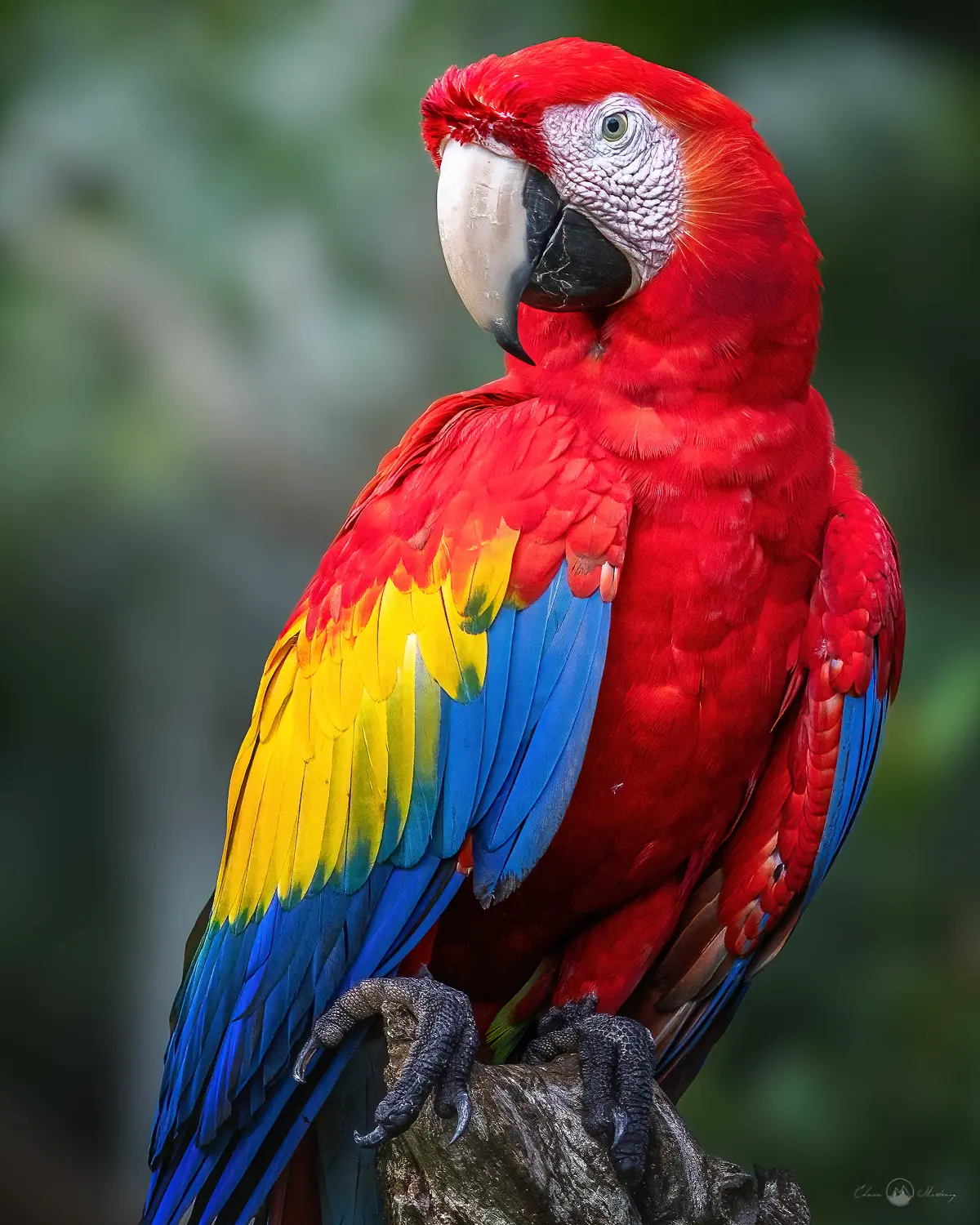
Bright tropical birds.
Sloths hanging quietly in trees.
Jaguars moving unseen through protected jungles.
But in a bold move that is now making headlines worldwide, Costa Rica has taken its wildlife protection even further…
By officially banning sport and trophy hunting across the entire nation.
This decision sends a clear message:
Wild animals are not targets.
They are not prizes.
They are part of a living ecosystem worth protecting.
A Historic Ban With Global Attention
Costa Rica’s new law makes it illegal to kill wild animals purely for recreation or trophies.
That means no hunting for sport.
No trophy displays.
No killing animals simply for entertainment.
Supporters of the ban say it reflects Costa Rica’s identity as a country that values life, biodiversity, and ecological responsibility.
And the world noticed quickly.
Because while many nations still allow trophy hunting under regulations, Costa Rica has chosen a different direction:
Protection over recreation.
Preservation over profit.
A Country Already Famous for Conservation
Costa Rica isn’t new to environmental leadership.
In fact, the country already protects more than 25% of its land through national parks, reserves, and conservation areas.
That is one of the highest percentages anywhere in the world.
Costa Rica has built its global reputation on eco-tourism and sustainability, attracting millions of visitors each year who come not for hunting…
But for watching wildlife alive in its natural habitat.
The hunting ban adds another powerful layer to that commitment.
It reinforces the idea that Costa Rica’s forests and animals are not resources to exploit…
But treasures to safeguard.
Why Supporters Celebrate the Decision
For conservation advocates, this law is deeply symbolic.
They argue that trophy hunting is outdated, unnecessary, and harmful—especially in a world where so many species are already struggling due to:
-
Habitat loss
-
Climate change
-
Illegal poaching
-
Human expansion
Supporters believe banning sport hunting strengthens biodiversity and helps endangered species survive.
To them, Costa Rica is setting an example:
A nation can thrive economically while protecting wildlife, not destroying it.
The Debate: Is Hunting Ever Necessary?
But the ban has also sparked serious debate worldwide.
Because wildlife management is complicated.
Many experts agree that endangered animals need strict protection.
However, others point out that in some ecosystems, controlled hunting has been used as a tool for conservation management.
In places where natural predators have disappeared, animal populations can sometimes grow too large.
This can lead to problems such as:
-
Disease spreading through overcrowded herds
-
Crop destruction near farming communities
-
Increased road accidents involving wildlife
-
Environmental strain on fragile habitats
Some countries rely on science-based hunting regulations to manage these population balances responsibly.
So critics ask:
If hunting is completely banned, how will Costa Rica handle overpopulation issues in the future?
Costa Rica’s Different Philosophy: Preservation First
Costa Rica has chosen to prioritize preservation over population control through hunting.
Officials argue that the long-term value of living wildlife far outweighs the short-term revenue hunting can bring.
Instead of attracting tourists who want trophies, Costa Rica attracts travelers who want experiences:
Seeing monkeys leap through trees.
Hearing toucans call at sunrise.
Watching sea turtles nest along protected beaches.
Wildlife alive creates sustainable economic growth.
Dead wildlife creates only temporary profit.
That is the philosophy behind this ban.
Eco-Tourism Over Hunting Revenue
Costa Rica’s leaders believe eco-tourism is one of the strongest reasons for this decision.
Tourists do not travel across the world to see animals mounted on walls.
They come to see them free.
A living jaguar in the jungle is worth more to the nation than a trophy in someone’s home.
The ban reinforces Costa Rica’s eco-tourism identity and strengthens its image as a sanctuary for wildlife.
Could This Inspire Other Nations?
Perhaps the biggest impact of Costa Rica’s decision is symbolic.
This ban may encourage other countries to rethink how they treat wildlife.
It raises uncomfortable but important questions:
-
Should animals be killed for sport at all?
-
Can tourism replace hunting as income?
-
What does ethical conservation look like in the modern world?
Costa Rica is betting that respect for wildlife is not just morally right…
But economically smart.
A Message Beyond Borders
In the end, this is more than a legal change.
It is a statement about values.
Costa Rica is telling the world:
Wildlife is not entertainment.
Nature is not a playground for trophies.
Animals belong alive, in ecosystems, not as prizes.
Whether other nations follow remains uncertain.
But the conversation is growing louder.
And Costa Rica has placed itself firmly on one side of history…
Choosing preservation over sport.
Final Thought
Costa Rica’s ban is not just about hunting.
It is about what kind of future humans want to build.
One where wildlife continues to vanish…
Or one where animals remain part of the living world, respected and protected.
As Costa Rica proves, sometimes the boldest conservation step is also the simplest:
Let animals live.