Why We Overreact First and Laugh Later: The Psychology Behind It
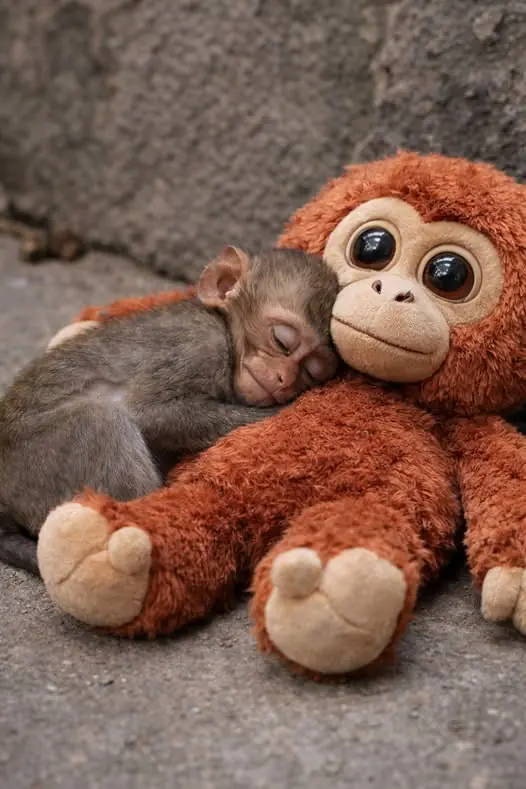
“Warning: Guard Dog” vs Reality: From Fear to Pure Joy in Seconds


We’ve all been there.
You see a sign: “Warning: Guard Dog.”
Your body reacts instantly—tense, alert, cautious.
But then… you meet the dog.
And instead of danger, you get tail wags, playful energy, and unexpected warmth.
That sudden shift—from fear to laughter—is exactly what makes moments like this so relatable. And somehow, Punch the monkey captures it perfectly.
1. The Brain Reacts Before We Think


When we see something that might be dangerous, the brain doesn’t wait.
It immediately activates:
-
Fight-or-flight response
-
Heightened alertness
-
Physical tension
This is controlled by the brain’s survival system, designed to protect us from threats—even uncertain ones.
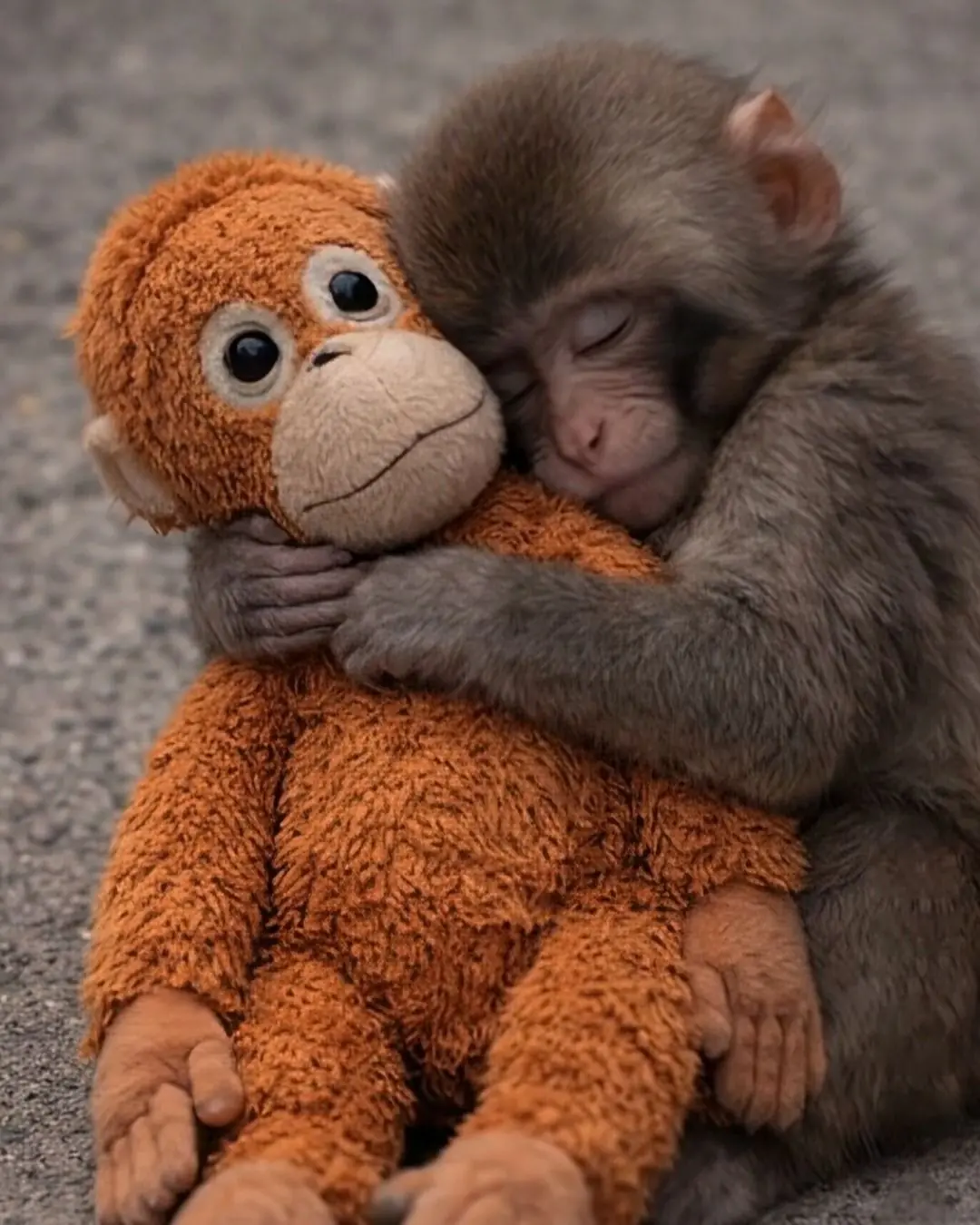
Punch’s wide-eyed, dramatic reaction mirrors this instinct perfectly.
It’s fast, automatic, and completely unfiltered.
2. The Emotional Flip: When Reality Changes


The most interesting part is not the fear—it’s the transition.
The moment the brain realizes:
“This is safe.”
Everything changes:
-
Muscles relax
-
Tension disappears
-
Laughter replaces fear
This emotional flip is powerful because it releases stored tension.
That’s why we often laugh after being scared—it’s the body resetting.
3. Why We Hold On Tighter When We’re Unsure


One small but telling detail: holding onto something tightly.
Punch keeps his toy close even during the reaction.
This behavior reflects:
-
A need for control
-
Seeking comfort during uncertainty
-
Self-soothing instinct
Humans do this too:
-
Grabbing objects
-
Crossing arms
-
Holding onto something familiar
It’s a way of saying:
“I’m not fully sure yet—but I want to feel safe.”
4. Why This Moment Feels So Funny


The humor comes from contrast:
-
Fear → Joy
-
Tension → Playfulness
-
Expectation → Reality
This pattern is deeply satisfying to the human brain.
We laugh because:
-
The threat disappears
-
The reaction feels exaggerated
-
We recognize ourselves in it
Punch becomes relatable not because he’s human—
but because his reactions follow the same emotional pattern.
5. A Small Lesson Hidden in a Funny Moment


Moments like this carry a subtle message:
We often react to what we think will happen—
not what actually happens.
And sometimes:
-
Fear is temporary
-
Reality is kinder than expectation
-
Joy comes unexpectedly
Conclusion
This simple, funny moment reflects something deeper:
-
Instinctive reactions
-
Emotional shifts
-
The need for comfort
-
The release of tension
From a “guard dog warning” to a playful interaction,
the journey is not just entertaining—it’s human.
Final Reflection
Sometimes, we are all a little dramatic.
We expect the worst,
brace ourselves for impact…
And then realize—
there was nothing to fear.
💬 Tag someone who reacts like this in real life!