Why Punchy Loves Sitting on His Caretaker’s Back — The Psychology of Safety and Attachment
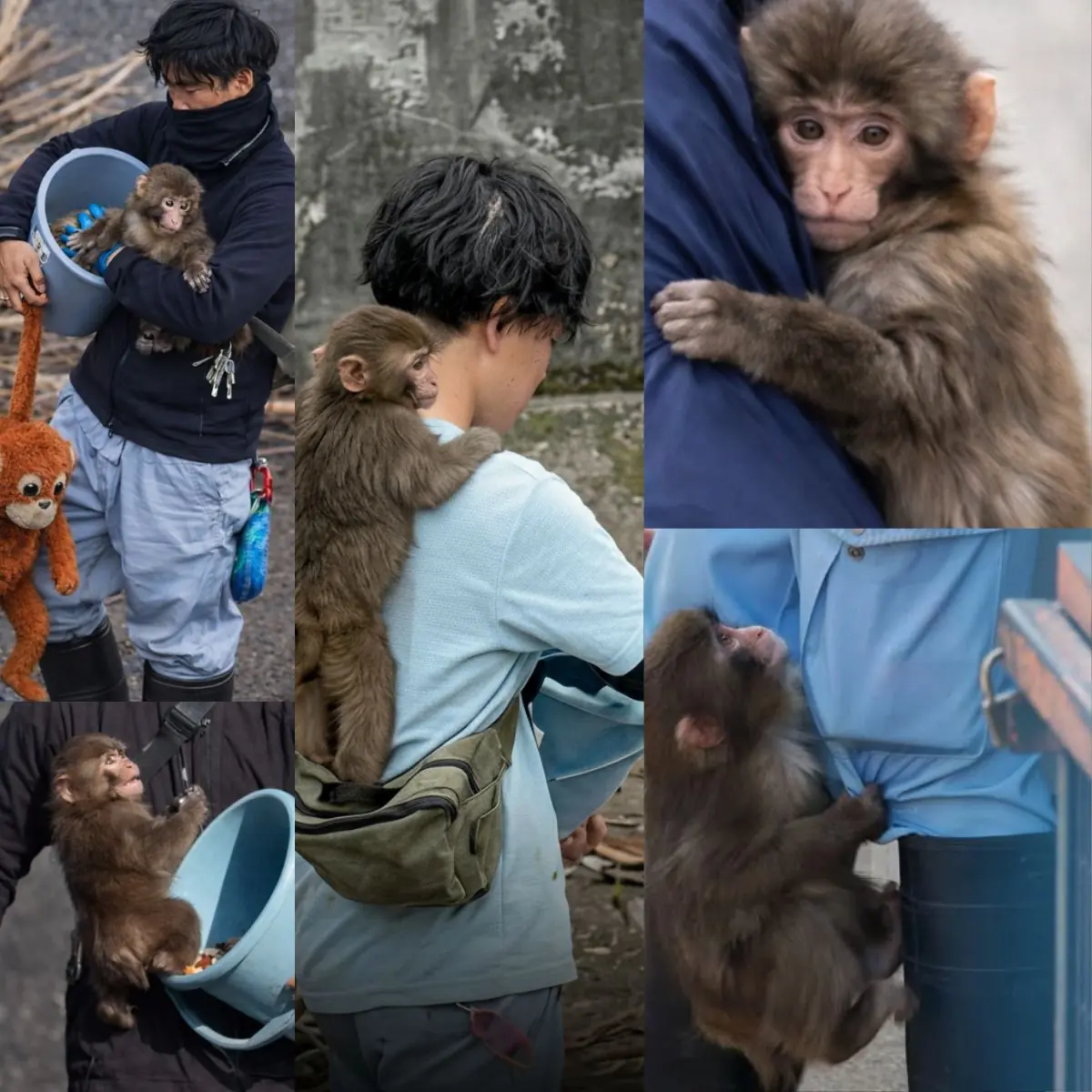
At first glance, it looks like a simple, adorable moment.
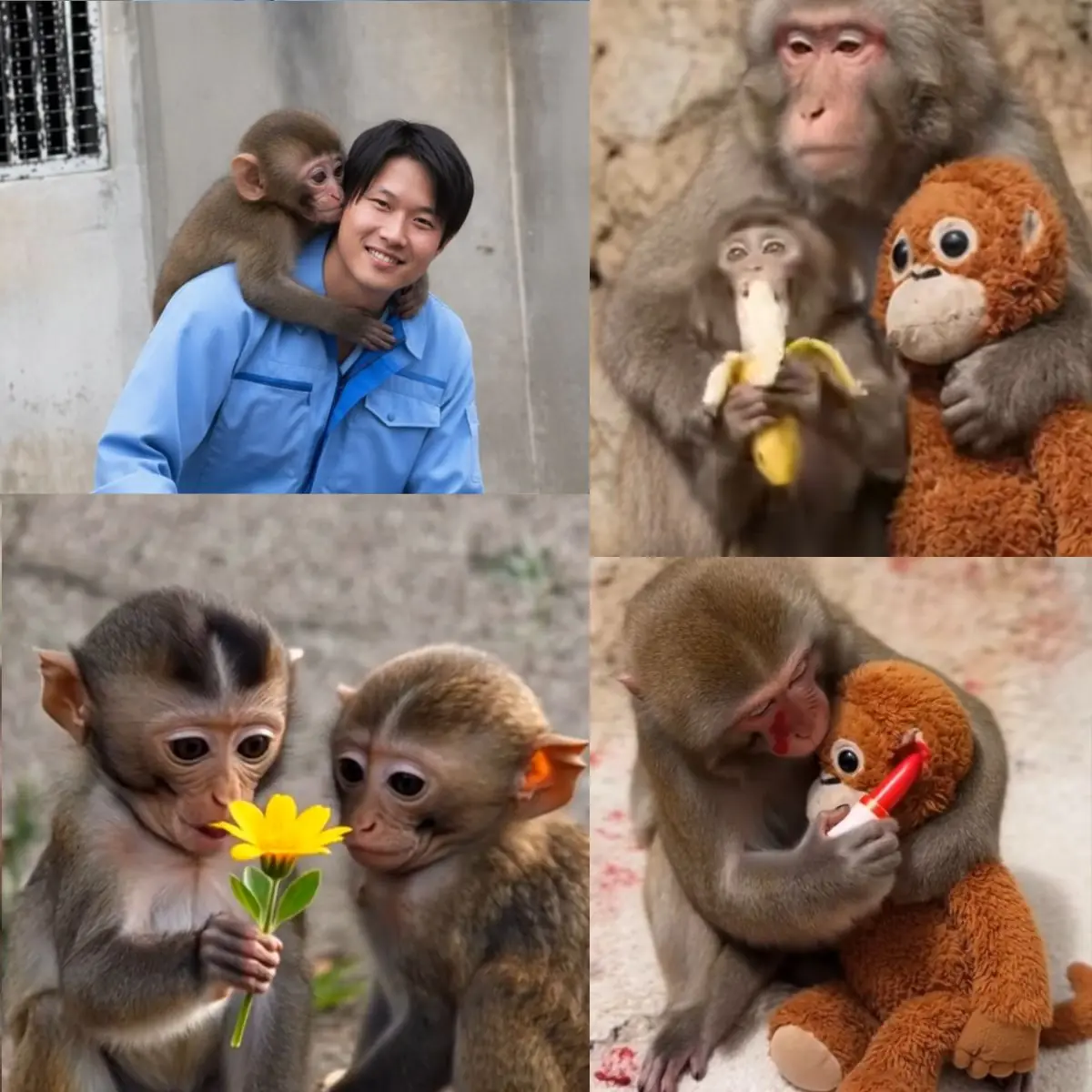
A young Japanese macaque named Punchy climbs onto his caretaker’s back like a tiny backpack—and refuses to get off.
He looks around.
Observes everything.
Sometimes reaches out curiously.
But always…
👉 Staying close.
👉 Holding tight.
To many viewers, it’s cute.
To some, it’s funny.
But from a behavioral science perspective—
👉 This moment reveals something much deeper.
🧠 5W1H BREAKDOWN
❓ WHO — WHO IS INVOLVED IN THIS BEHAVIOR?


The key individuals in this interaction are:
🐒 Punchy
A young Japanese macaque who experienced early-life disruption, including maternal absence and human-led care.
👨🍼 The Caretaker (“Daddy”)
A human caregiver who:
-
Fed Punchy
-
Carried him
-
Protected him
-
Provided constant presence
👥 The Social Environment
Other monkeys, zoo surroundings, and external stimuli—all of which influence Punchy’s behavior.
👉 This interaction is not just between a monkey and a human.
👉 It is a relationship shaped by early development and emotional need.
❓ WHAT — WHAT EXACTLY IS HAPPENING?
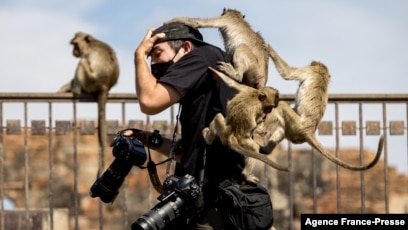
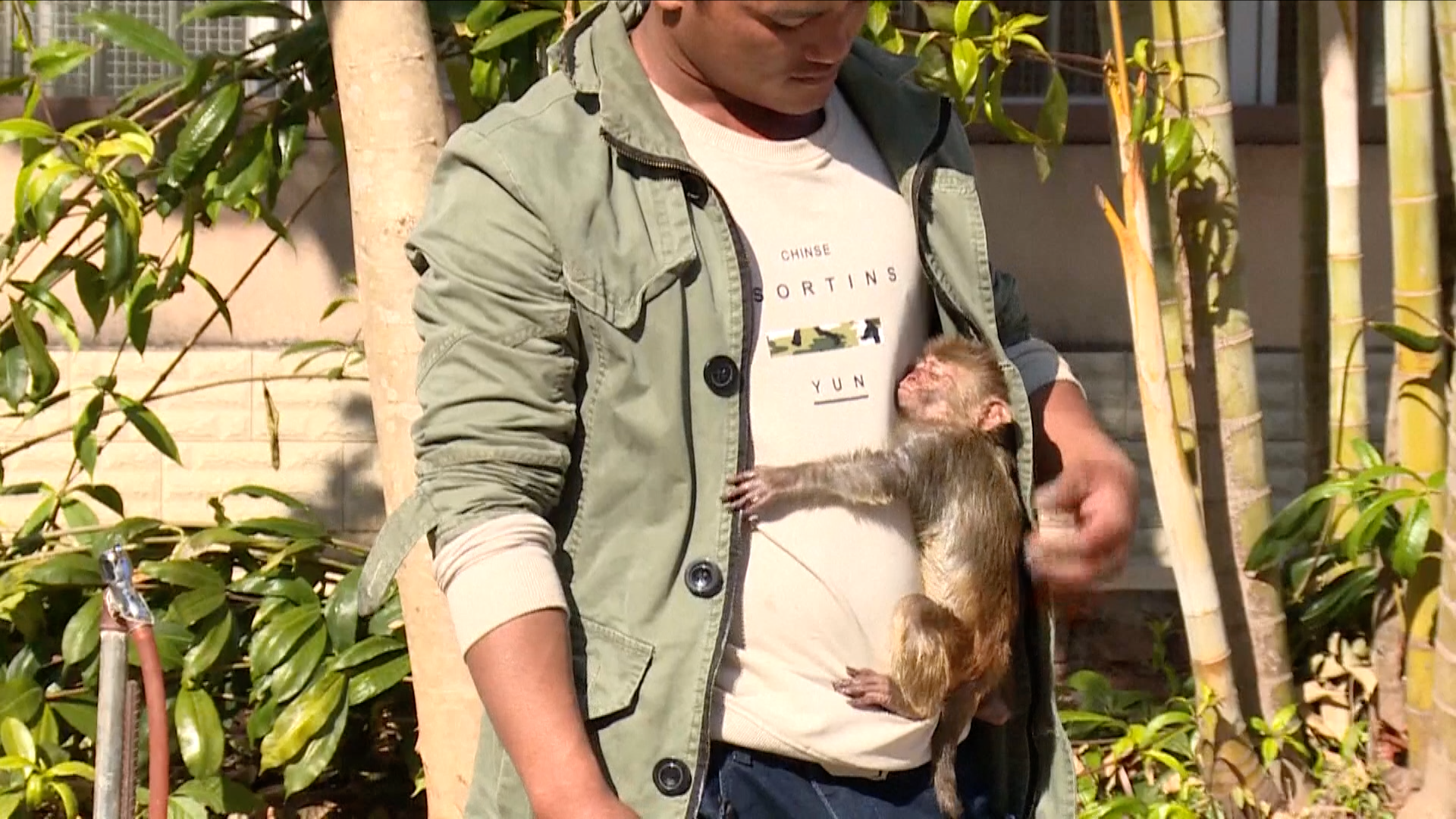

Punchy repeatedly climbs onto his caretaker’s back and stays there for extended periods.
Key characteristics of the behavior:
-
Persistent physical contact
-
Minimal separation
-
Calm, observant posture
-
Lack of urgency to explore independently
👉 This is not random play.
👉 This is attachment-driven proximity behavior.
❓ WHEN — WHEN DOES THIS BEHAVIOR OCCUR?
This behavior appears:
-
During daily routines
-
When the caretaker is present
-
Especially during movement or activity
Notably, Punchy chooses this position:
👉 Even when he has freedom to explore
👉 This indicates preference, not necessity.
❓ WHERE — WHERE DOES THIS BEHAVIOR TAKE PLACE?


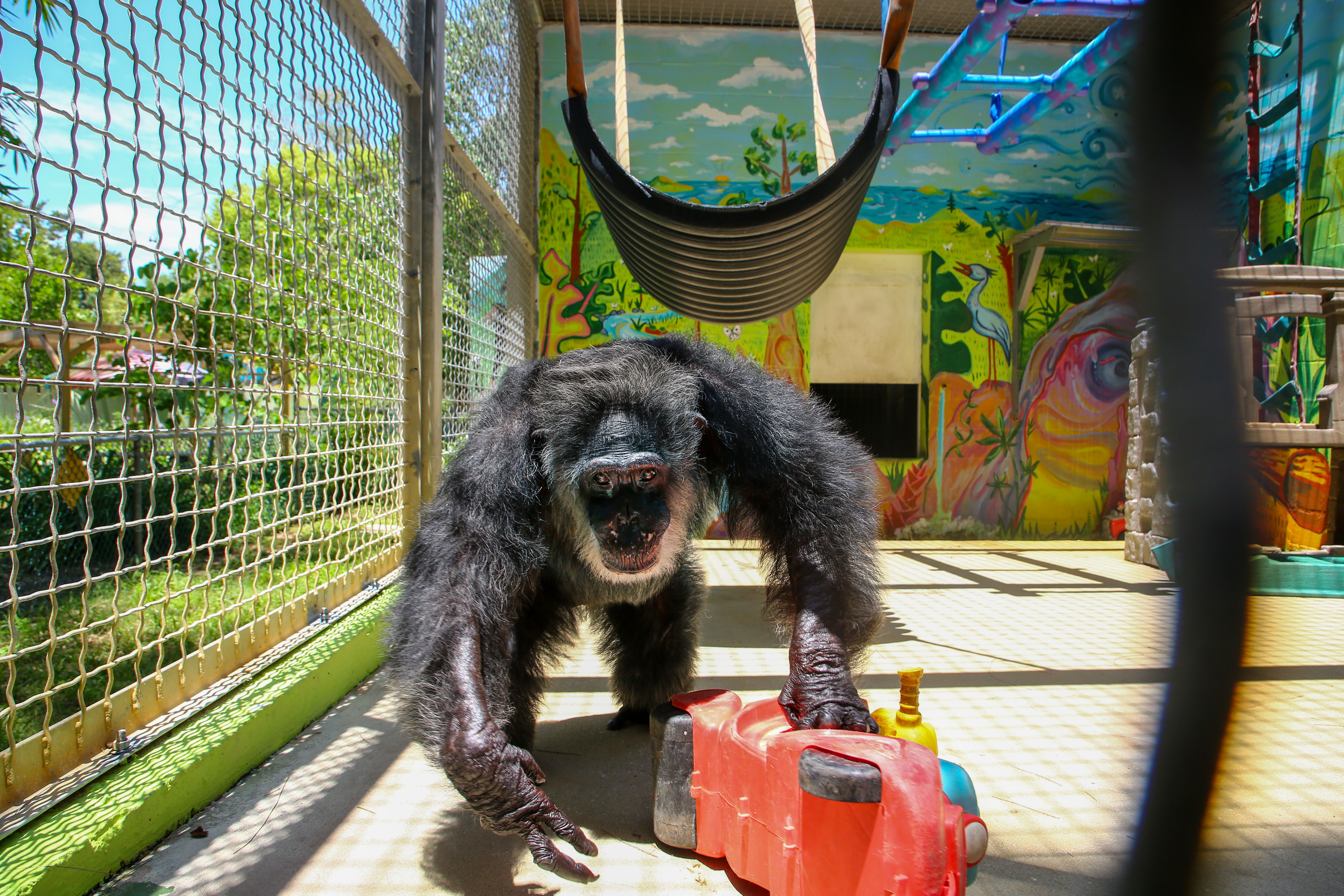

Primarily within:
-
Zoo enclosures
-
Controlled environments
-
Areas where Punchy feels safe
But importantly—
👉 The “place” is not the environment.
👉 The “place” is the person.
❓ WHY — WHY DOES PUNCHY DO THIS?
This is the most important question.
And the answer lies in three key layers:
🧬 1. INSTINCT: NATURAL PRIMATE BEHAVIOR
In the wild, infant macaques cling to their mothers’ bodies:
-
On the back
-
On the chest
This provides:
-
Protection
-
Warmth
-
Mobility
👉 Punchy is replicating this instinct—
👉 But transferring it to a human.
💔 2. EARLY EXPERIENCE: LACK OF MATERNAL BOND
Punchy did not develop a typical mother-infant attachment.
Instead:
-
His primary caregiver became human
-
His emotional framework adapted accordingly
👉 The brain does not distinguish species.
👉 It recognizes consistency and safety.
🧠 3. PSYCHOLOGICAL ATTACHMENT
From an attachment theory perspective:
Punchy’s behavior reflects:
-
Secure-base seeking
-
Proximity maintenance
-
Fear of separation
👉 The caretaker is not just “familiar.”
👉 He is Punchy’s emotional anchor.
❓ HOW — HOW DOES THIS BEHAVIOR DEVELOP AND PERSIST?
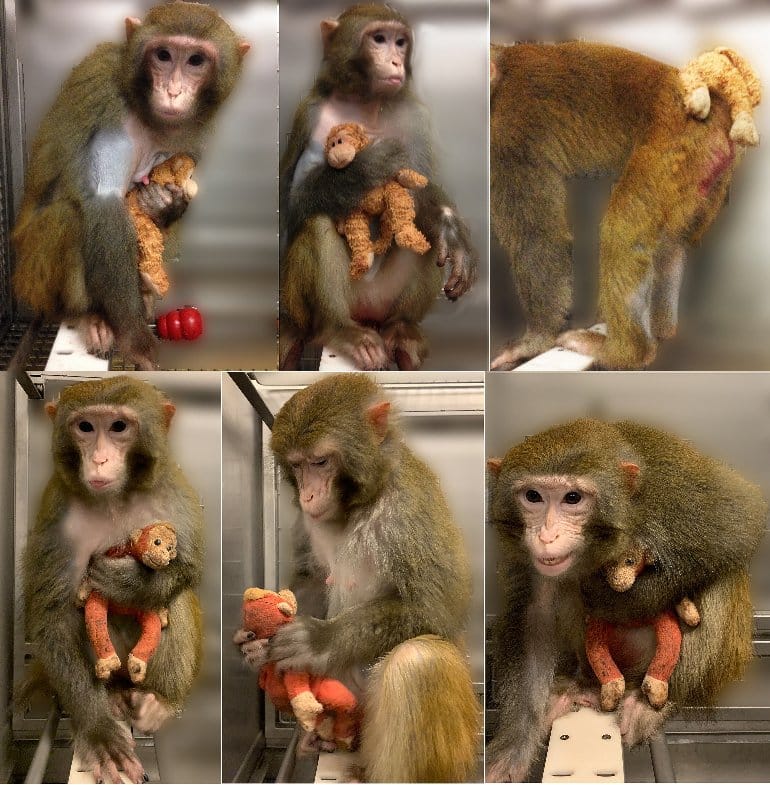

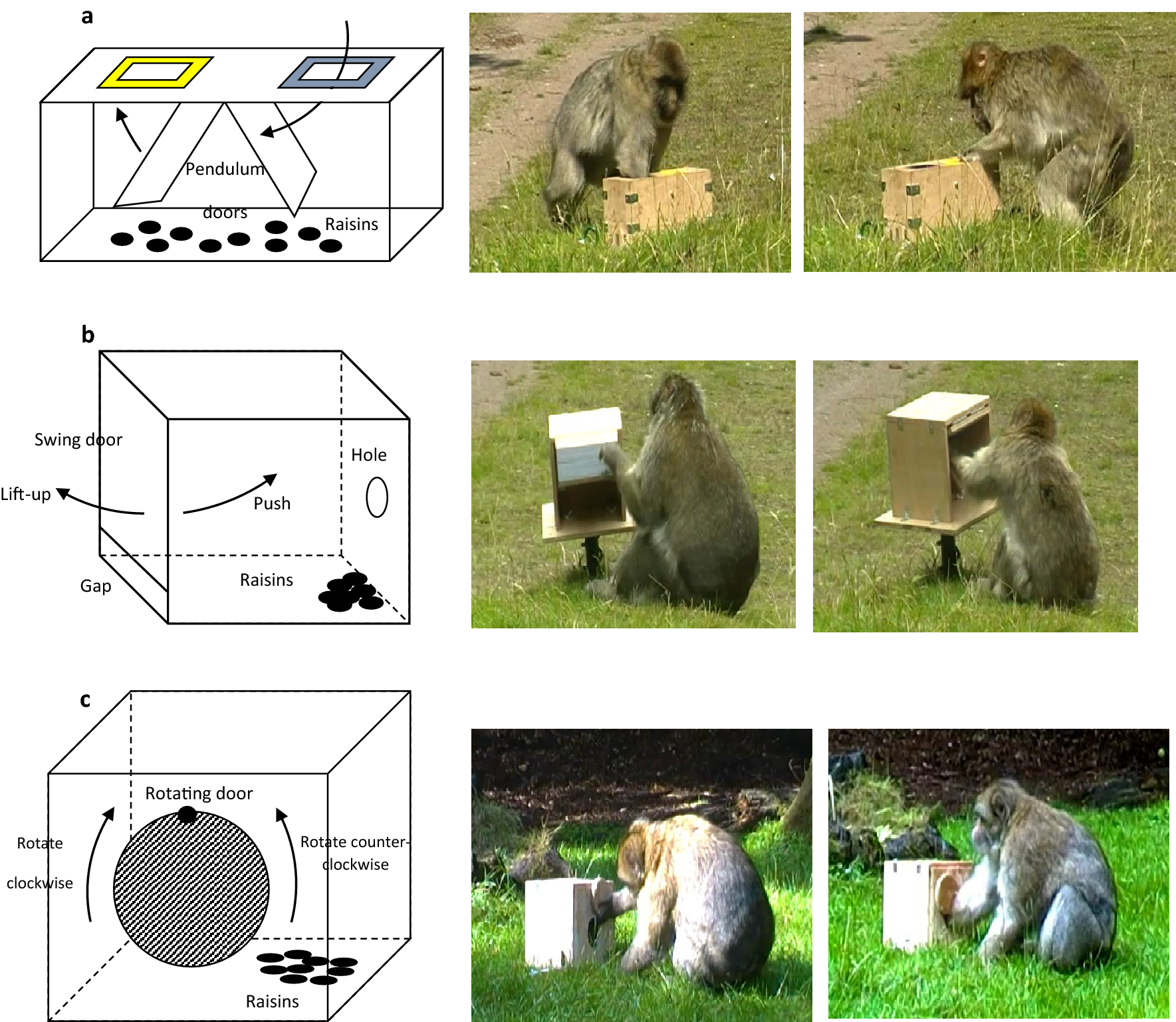

This behavior develops through:
🔁 Repetition
Repeated exposure to safety in the same presence.
🤍 Consistency
The caretaker consistently provides:
-
Food
-
Protection
-
Comfort
🧠 Memory Encoding
The brain stores:
👉 “This = safe”
🔄 Reinforcement
Each positive experience strengthens the bond.
👉 Over time, behavior becomes automatic.
🧬 DEEPER ANALYSIS: WHAT THIS REALLY MEANS
Punchy’s “favorite spot” is not random.
It represents:
-
Emotional security
-
Trust
-
Identity
👉 It answers a deeper question:
Where do I feel safest?
🌍 HUMAN PARALLEL


Humans show identical patterns:
-
Children cling to parents
-
Seek physical closeness
-
Prefer presence over independence
Even as they grow—
👉 They return to what feels safe.
💬 THE MESSAGE
Punchy is not just sitting on a back.
He is:
👉 Holding onto safety
👉 Staying close to trust
👉 Choosing connection over distance
❓ A QUESTION FOR YOU
If you had one place where you felt completely safe—
👉 Would you ever want to leave it?
❤️ FINAL THOUGHT
Some spend their lives searching for safety.
Punchy found it early.
And it wasn’t a place.
👉 It was a person.