Why Punch Was Abandoned but Still Found a Family: A Deep Analysis of Attachment, Survival, and Love
The story of Punch — a young Japanese macaque — challenges one of the most deeply rooted human beliefs: that family is defined by blood.
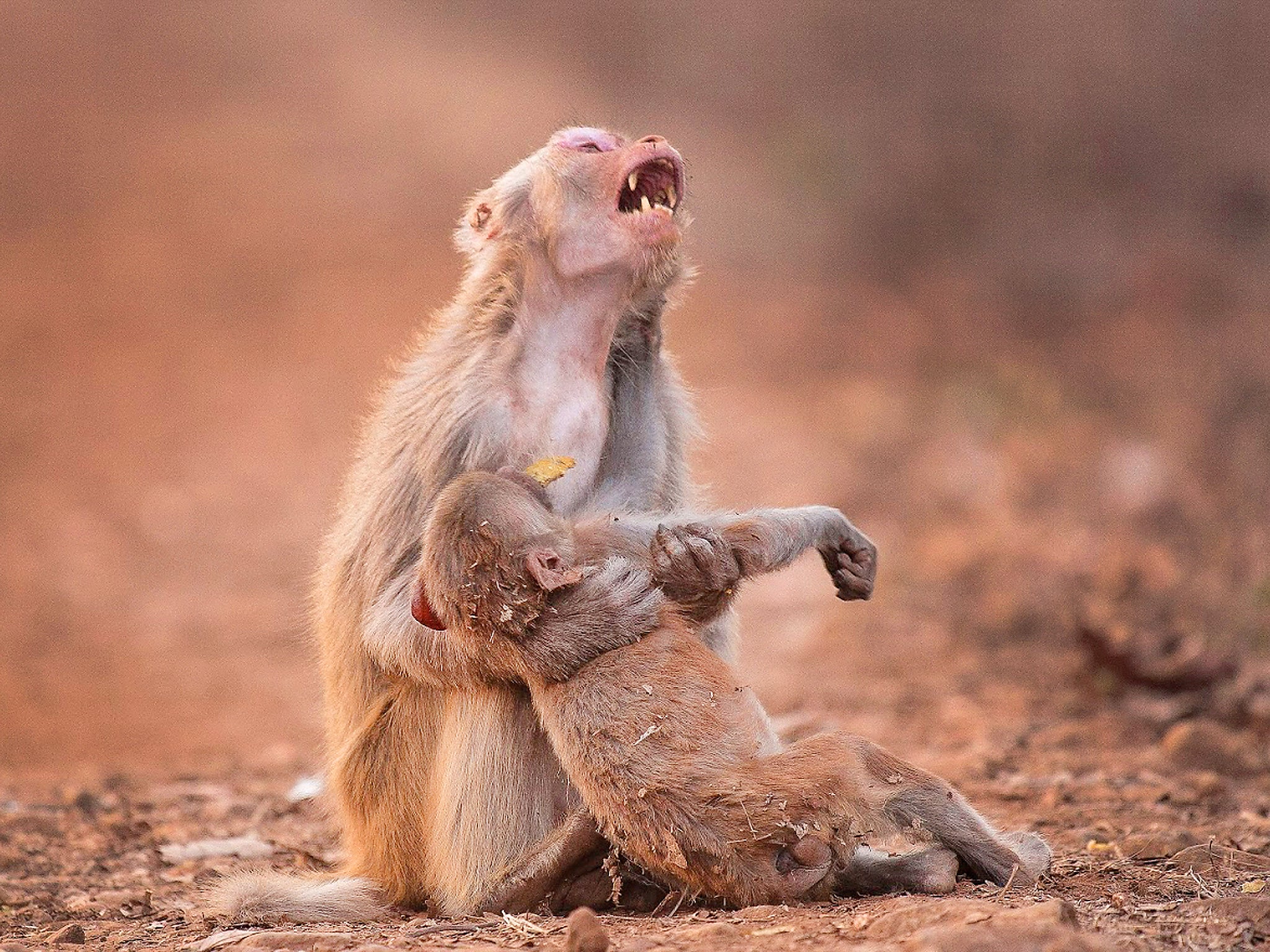
At the beginning of his life, Punch experienced something that, from a human perspective, feels almost unbearable: rejection by his own biological mother. He was not nurtured, not protected, and not given the fundamental attachment that young primates depend on to survive.
Yet, despite this traumatic start, Punch did not grow up alone.
He formed bonds.
He found connection.
He built what can only be described as a family — but not one defined by genetics.
💔 WHY DO MOTHER MONKEYS ABANDON THEIR BABIES?



To understand Punch’s story, we must look beyond emotion and into biology.
Maternal rejection in primates can occur due to:
1. Environmental Stress
Limited resources or unstable conditions disrupt bonding hormones.
2. Social Hierarchy
Lower-ranking females struggle to protect offspring.
3. Inexperience
Young mothers may not know how to care for infants.
4. Survival Instinct
In extreme cases, the mother prioritizes her own survival.
This is not cruelty.
It is nature operating without sentiment.
🧠 THE CONSEQUENCES OF EARLY REJECTION


For a young primate, losing a mother is not just emotional—it is developmental.
Without maternal care, the infant lacks:
-
Emotional regulation
-
Social learning
-
Physical protection
This leads to increased stress and long-term behavioral impact.
Punch’s brain, like any primate, responded with a fundamental need:
👉 Find safety elsewhere.
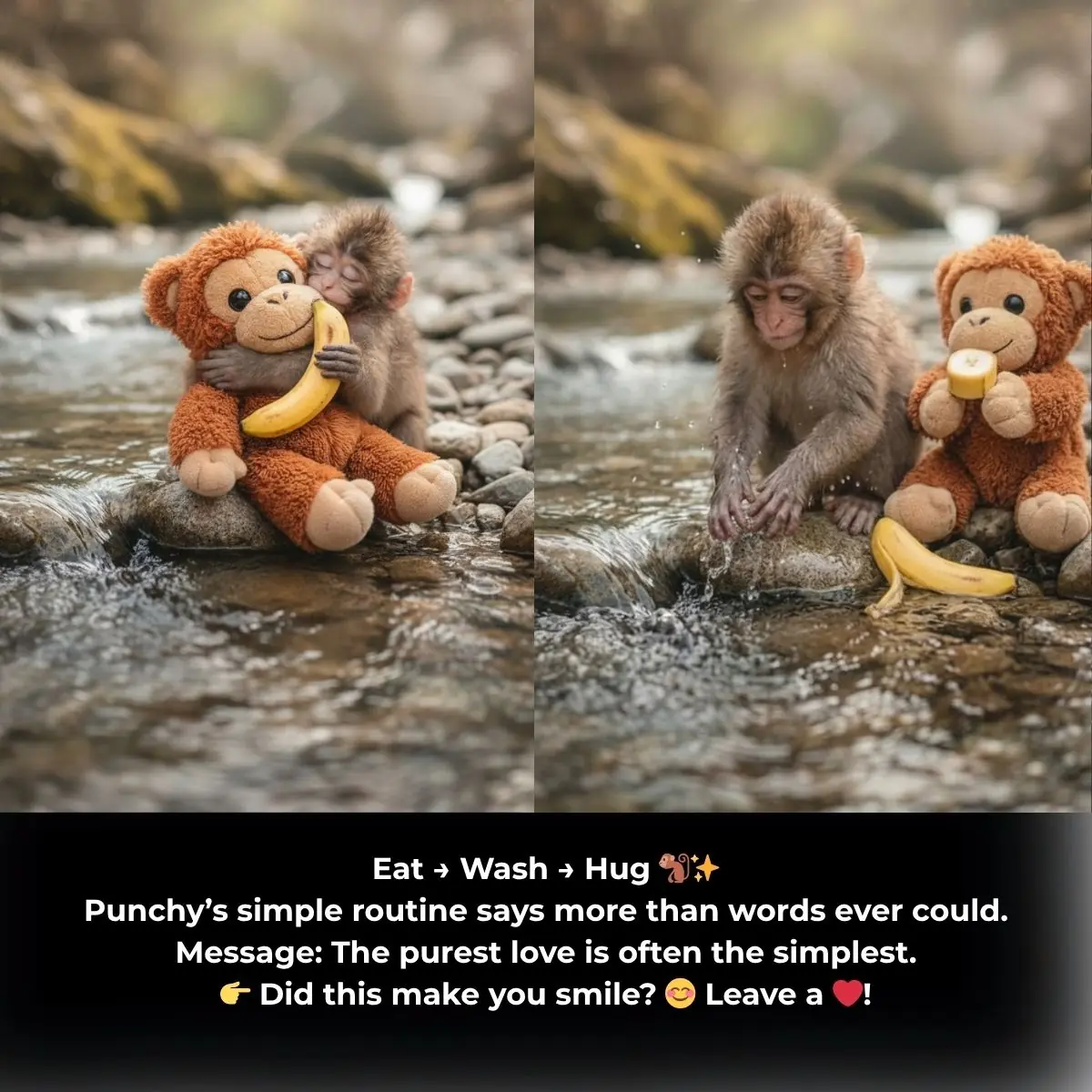
🧸 WHY DID PUNCH FORM A BOND WITH A TOY?

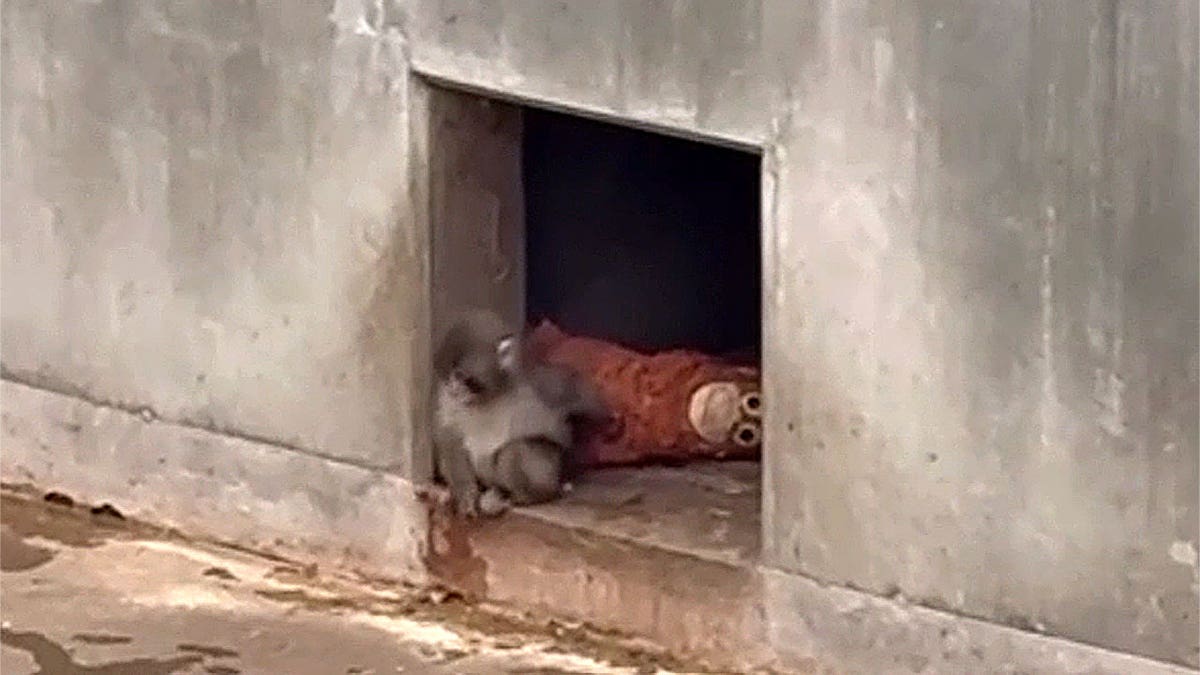

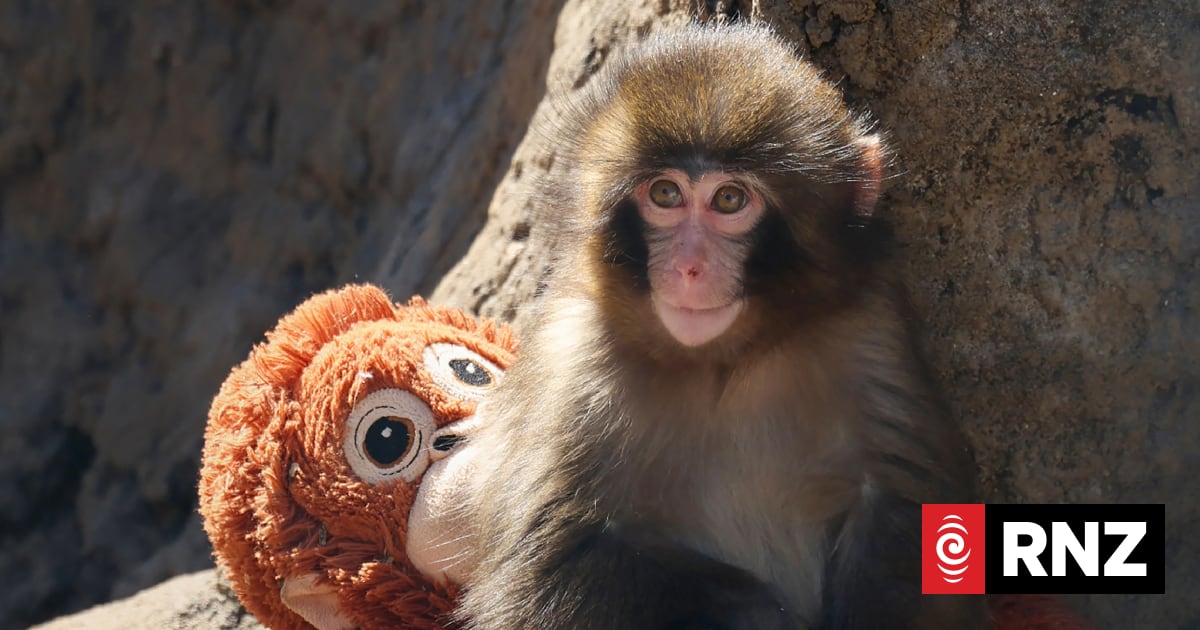
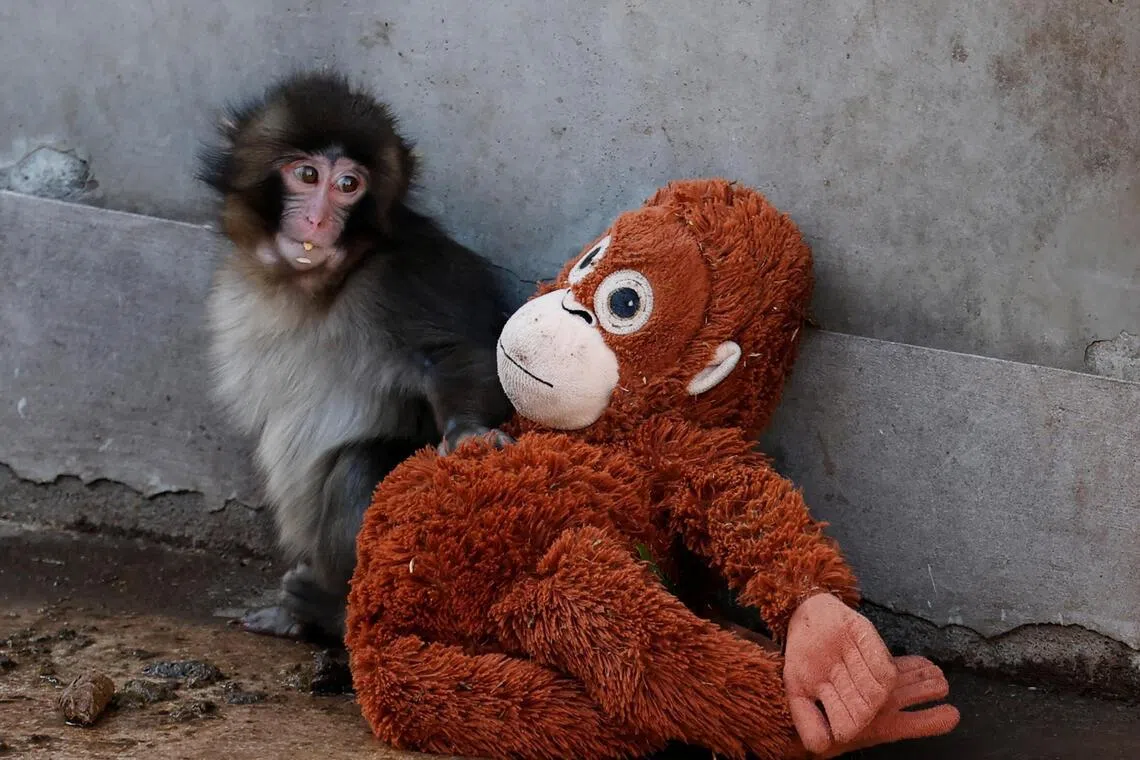
When caretakers introduced a stuffed toy, something profound happened.
Punch bonded with it.
In psychology, this is called a transitional object, a concept from Donald Winnicott.
The toy provided:
-
Stability
-
Predictability
-
Emotional safety
It never rejected him.
It never disappeared.
And for a brain shaped by loss—
👉 That consistency is everything.
👨🍼 WHY DID PUNCH ATTACH TO HIS CARETAKER?

While the toy offered passive comfort, the caretaker provided active care.
-
Feeding
-
Protection
-
Presence
According to attachment theory:
👉 The one who consistently meets needs becomes the parent.
Punch’s brain recognized the caretaker as:
-
Safe
-
Reliable
-
Protective
And that is enough to form a parental bond.
❤️ WHY DOES PUNCH NOW HAVE A PARTNER?
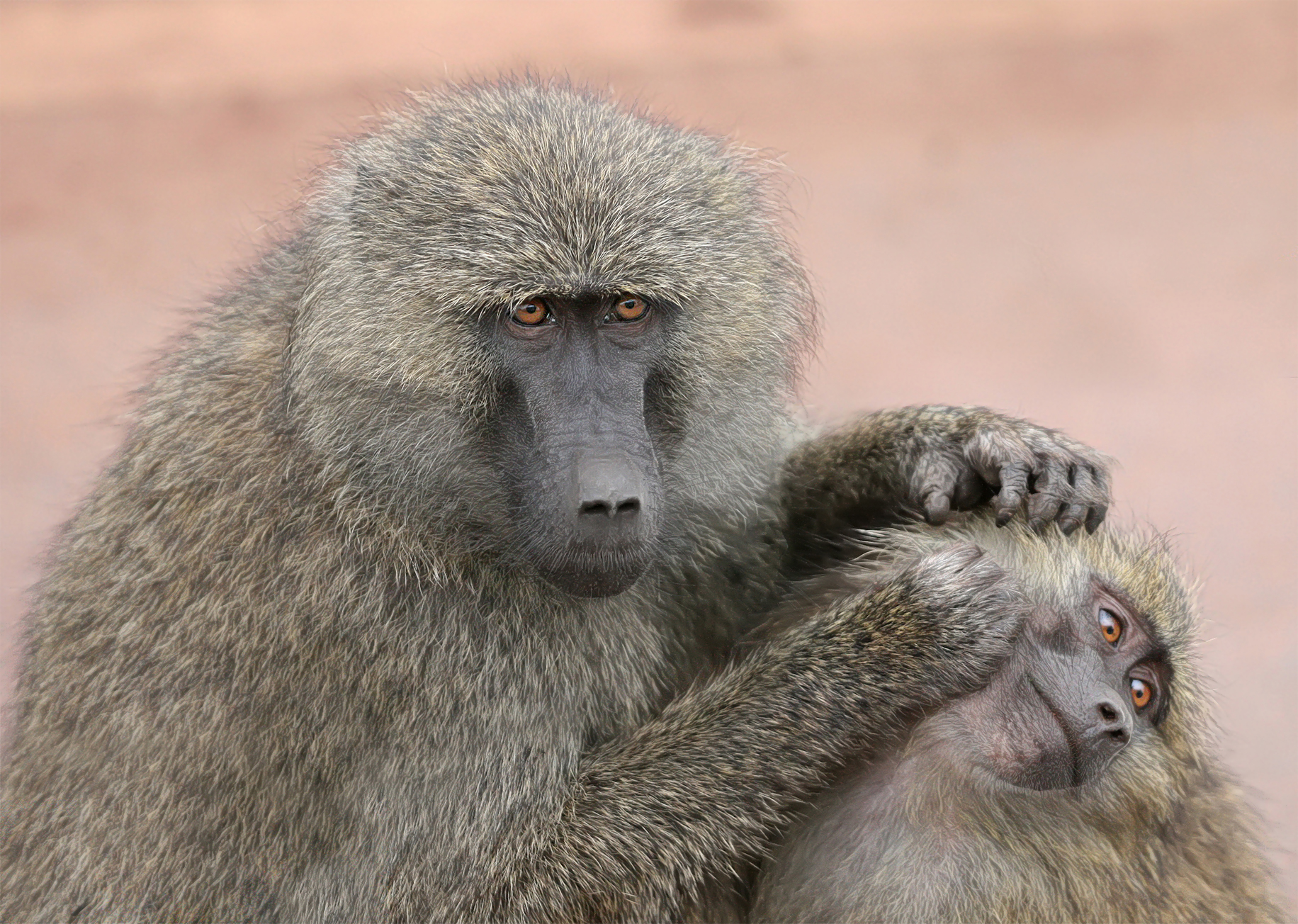
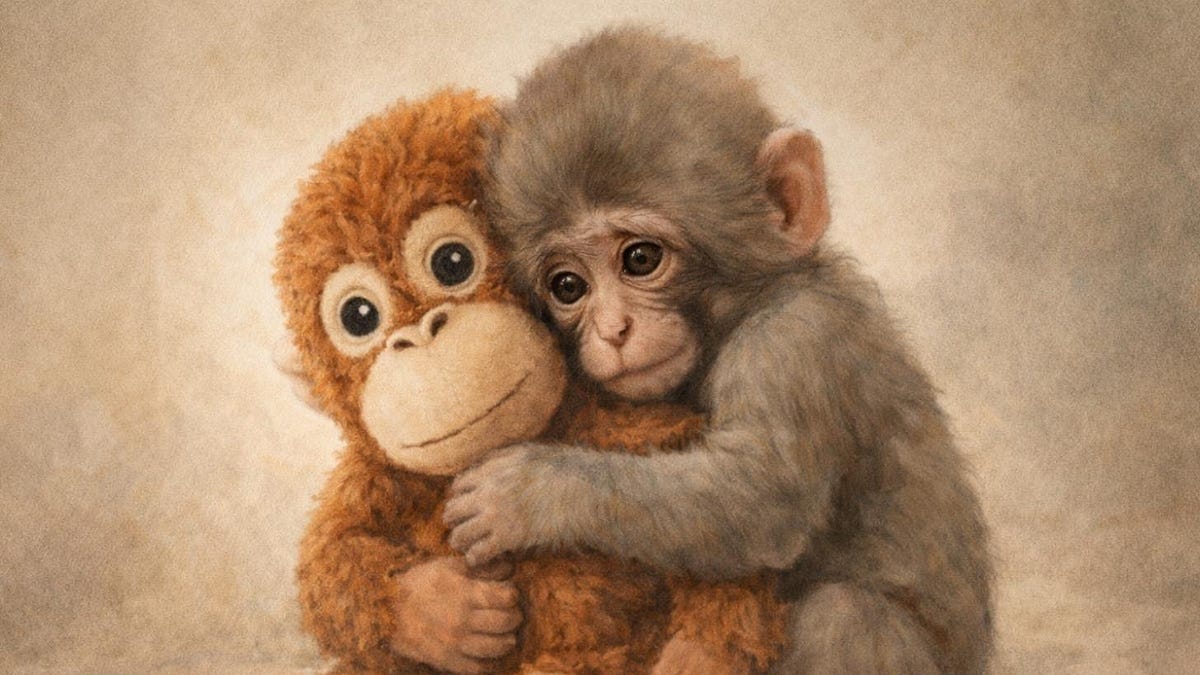

As Punch grew, he began forming peer relationships.
This indicates recovery:
-
Trust rebuilding
-
Social reintegration
-
Emotional development
Having a partner means he has moved beyond survival—
👉 Into connection.
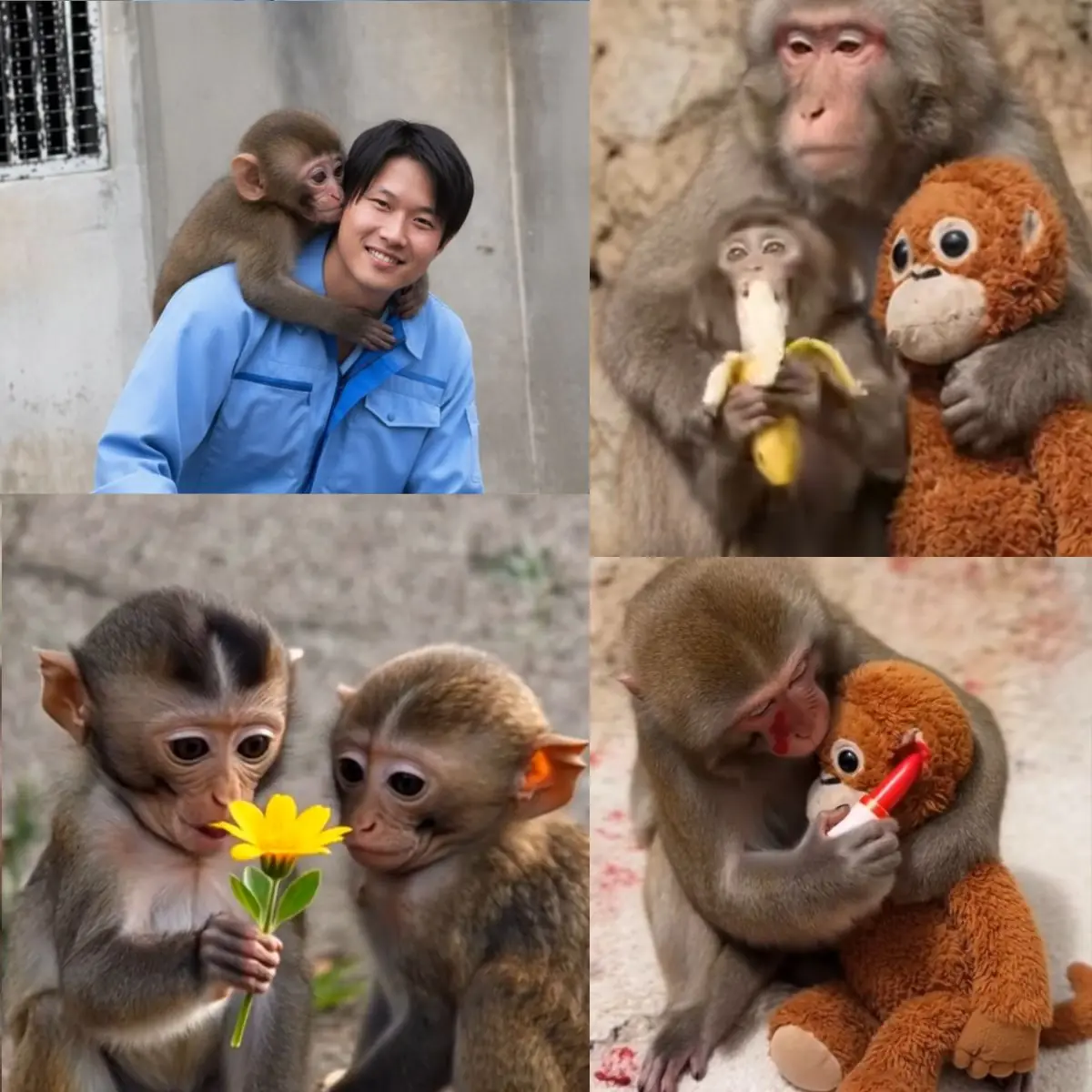
🧩 WHO IS PUNCH’S REAL FAMILY?
Punch’s family is not defined by blood.
It is defined by function.
-
The caretaker → protection and guidance
-
The toy → emotional stability
-
The partner → connection and growth
Together, they fulfill all roles of a traditional family.
🌍 THE HUMAN PARALLEL


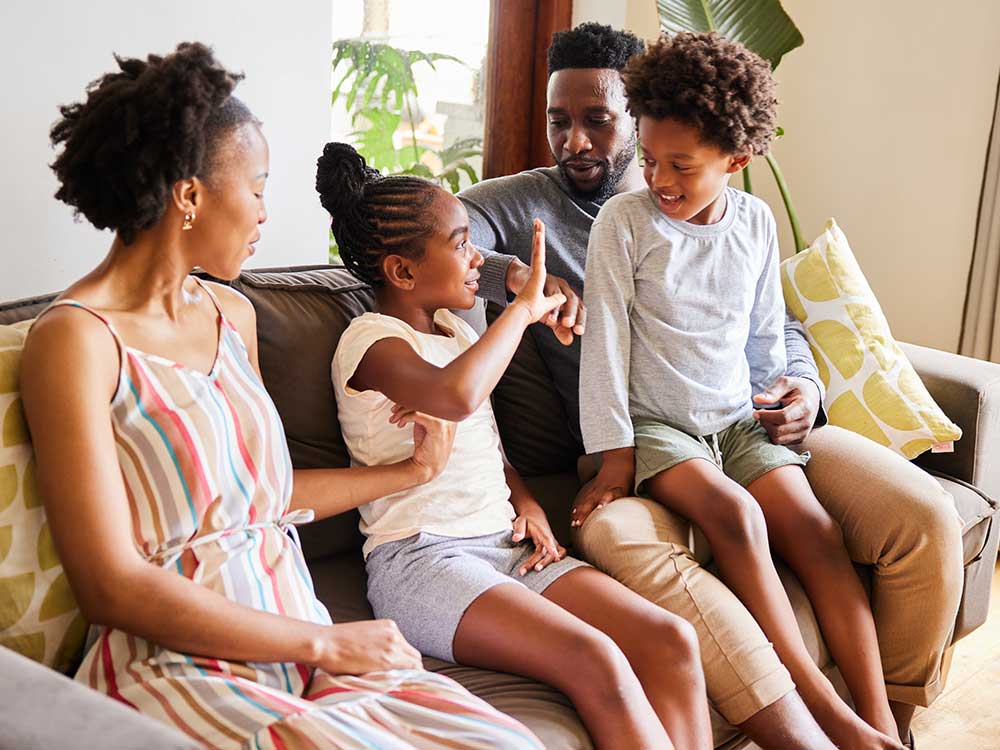
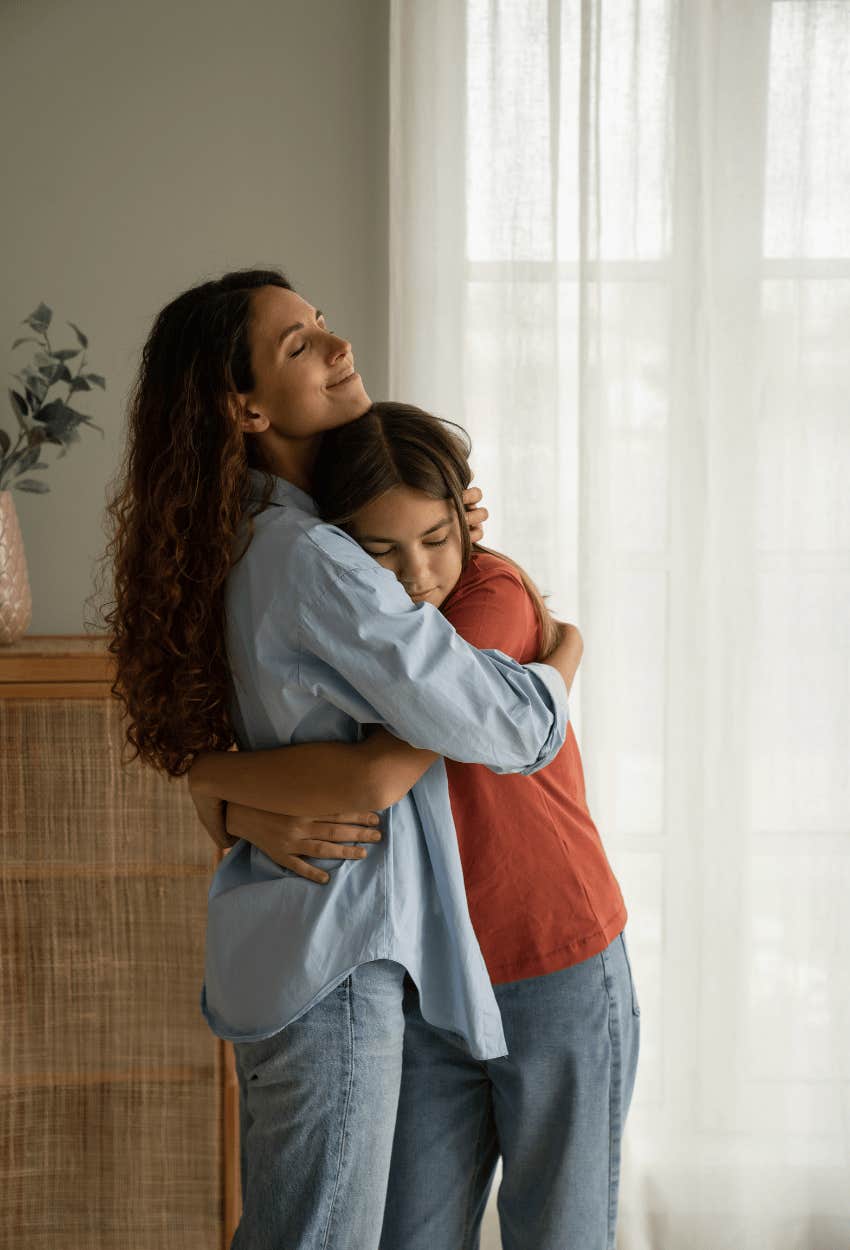
Punch’s story reflects human reality.
Many people:
-
Are not loved by biological parents
-
Build stronger bonds with others
-
Create “chosen families”
Because in the end:
👉 Love is not inherited
👉 It is experienced
💬 THE MESSAGE
Punch’s life teaches a powerful truth:
Family is not about origin.
It is about presence.
Not about who gave you life—
But who stayed in it.
❓ REFLECTIVE QUESTION
If someone gives you safety, care, and consistency—
But is not related to you—
👉 Are they family?
❤️ FINAL THOUGHT
Punch lost his biological beginning.
But he gained something just as important:
A life built on connection.
And perhaps that is the deeper truth—
👉 Family is not something you are born into.
👉 It is something you find.