Why Punch Clings to His Caretaker Like a Father: The Science of Emotional Attachment in Monkeys
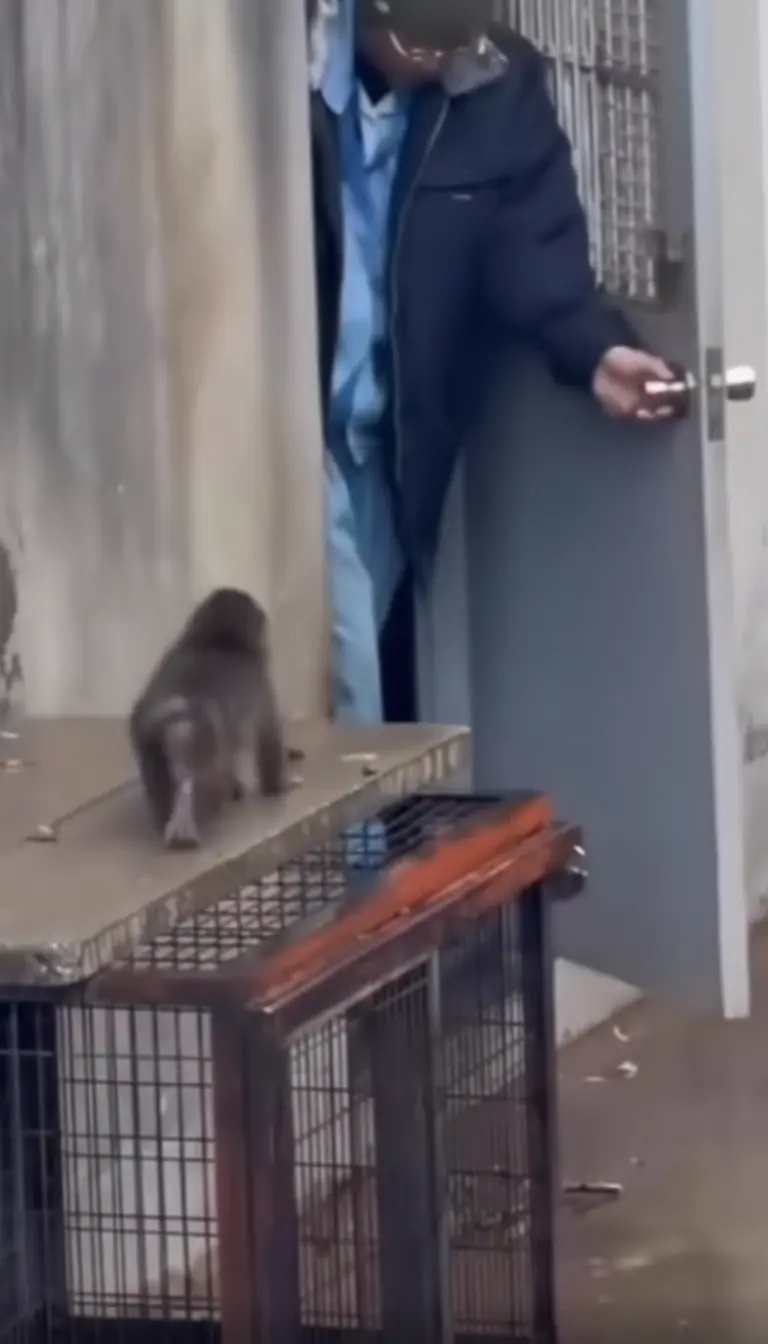
If you’ve ever watched Punch closely, one thing stands out immediately.
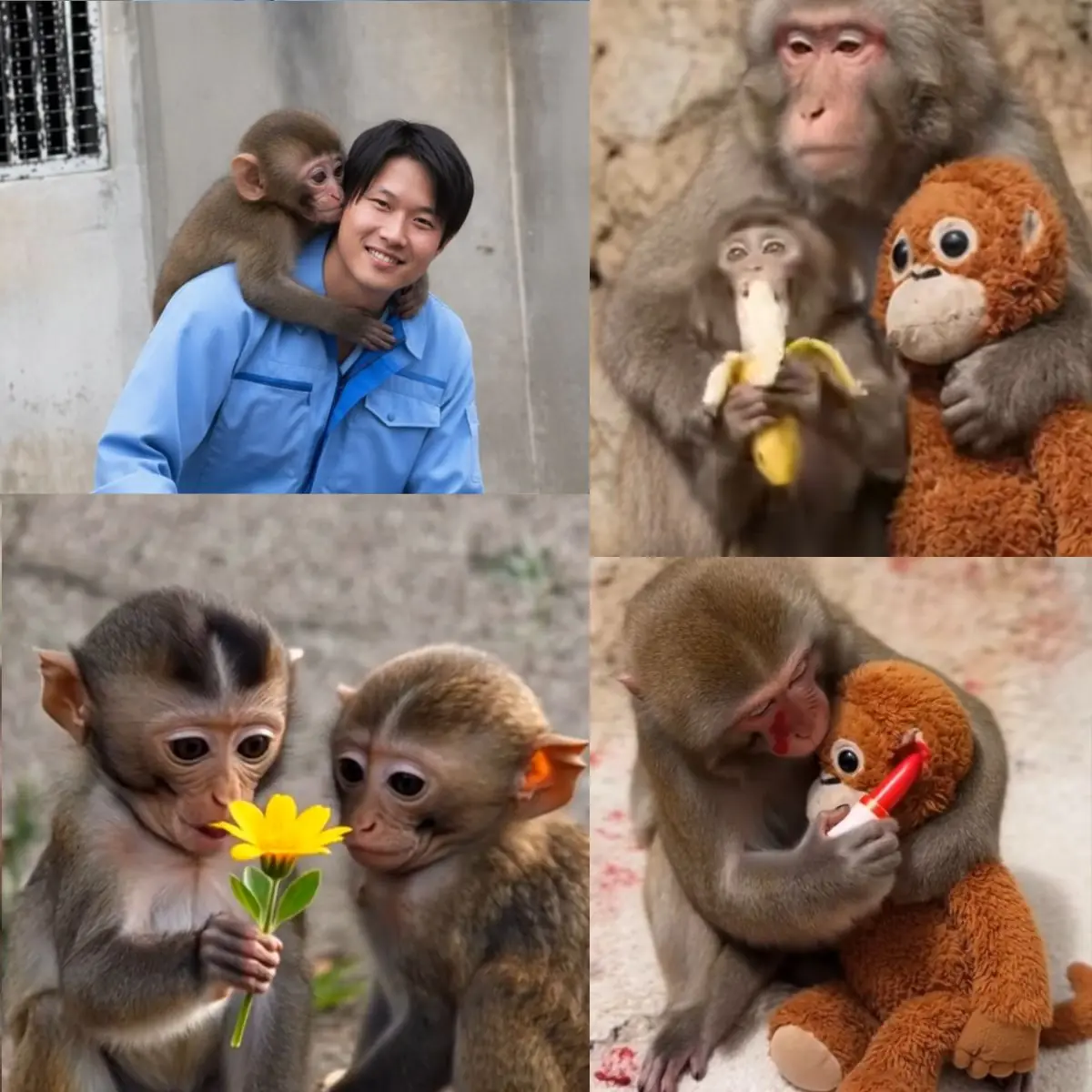
The moment he sees his caretaker—
👉 He runs over.
👉 Wraps himself around his leg.
👉 Refuses to let go.
Not for a second.
Not casually.
But with intensity.
With need.
With something that feels… deeply emotional.
At first glance, it looks adorable.
But underneath that behavior—
👉 There is a powerful psychological story.
💔 IT STARTS WITH WHAT HE LOST
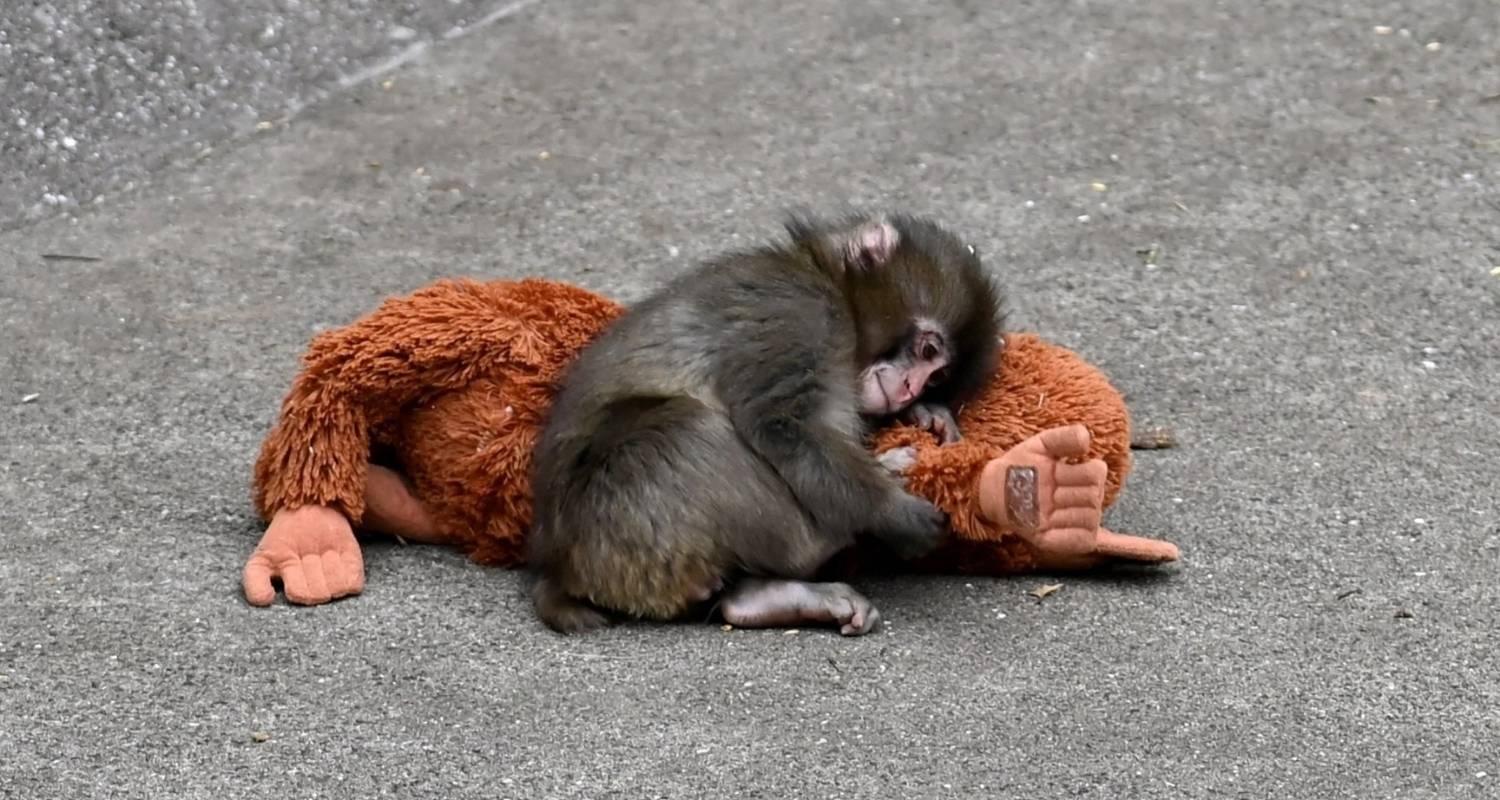


Punch — a young Japanese macaque — did not grow up like other monkeys.
He was:
-
Abandoned by his biological mother
-
Left without protection
-
Exposed to stress and social rejection
For a primate, this is critical.
Because early in life, one thing matters most:
👉 Attachment
Without it, the brain immediately begins searching for a replacement.
🧠 WHAT IS ATTACHMENT — AND WHY IT MATTERS
Attachment is not just emotion.
It is biology.
In primates, attachment provides:
-
Safety
-
Emotional regulation
-
Learning and development
A baby monkey naturally attaches to:
👉 The one who feeds
👉 The one who protects
👉 The one who stays
And when the biological mother is absent—
👉 The brain redirects.
👨🍼 WHY PUNCH SEES HIS CARETAKER AS A FATHER
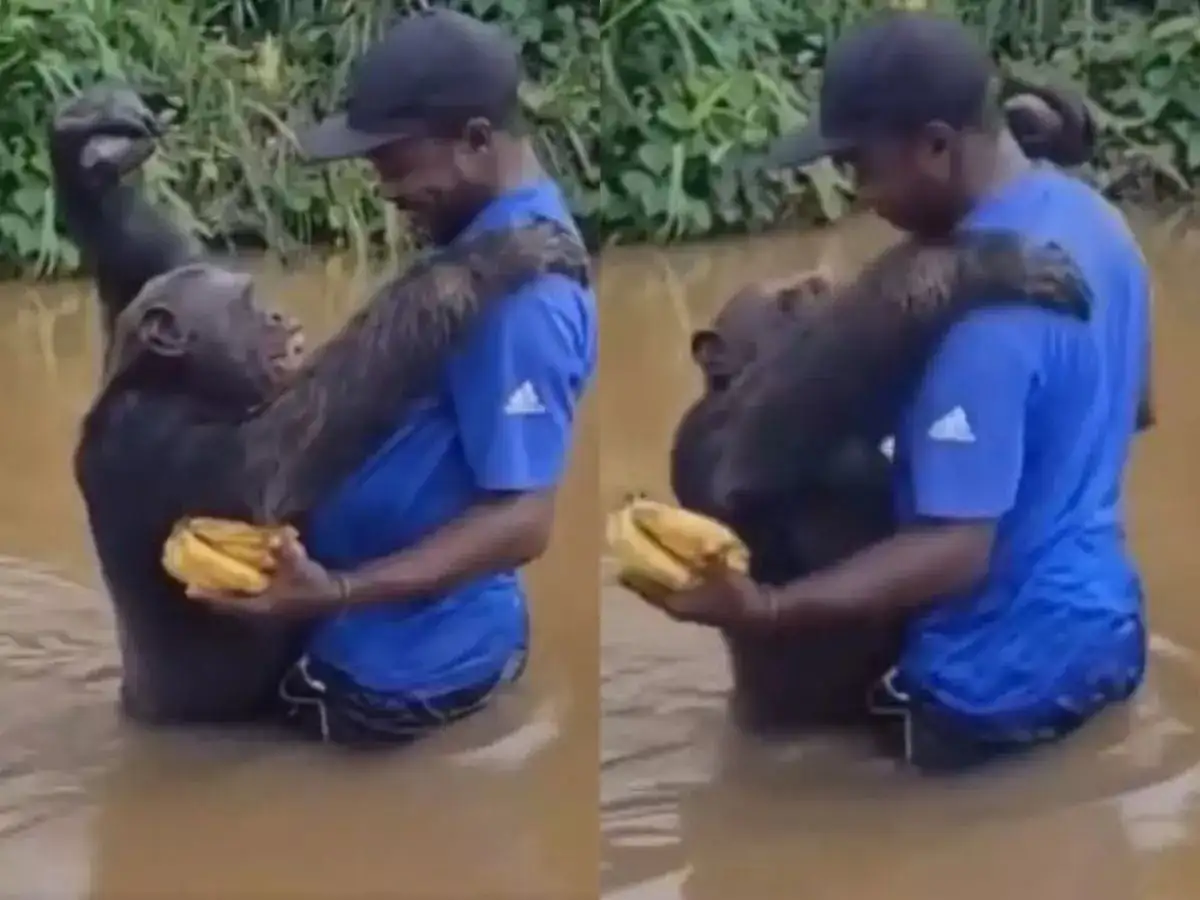
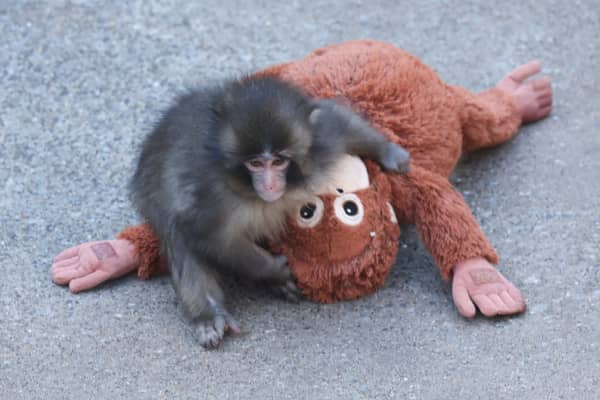
Punch’s caretaker did exactly what a parent would do:
-
Fed him
-
Stayed near him
-
Protected him
-
Provided consistency
Over time, Punch’s brain made a simple but powerful association:
👉 “This is my safe person.”
And in emotional terms—
👉 That becomes “father.”
🤍 WHY HE CLINGS SO TIGHTLY
This is where behavior becomes meaningful.
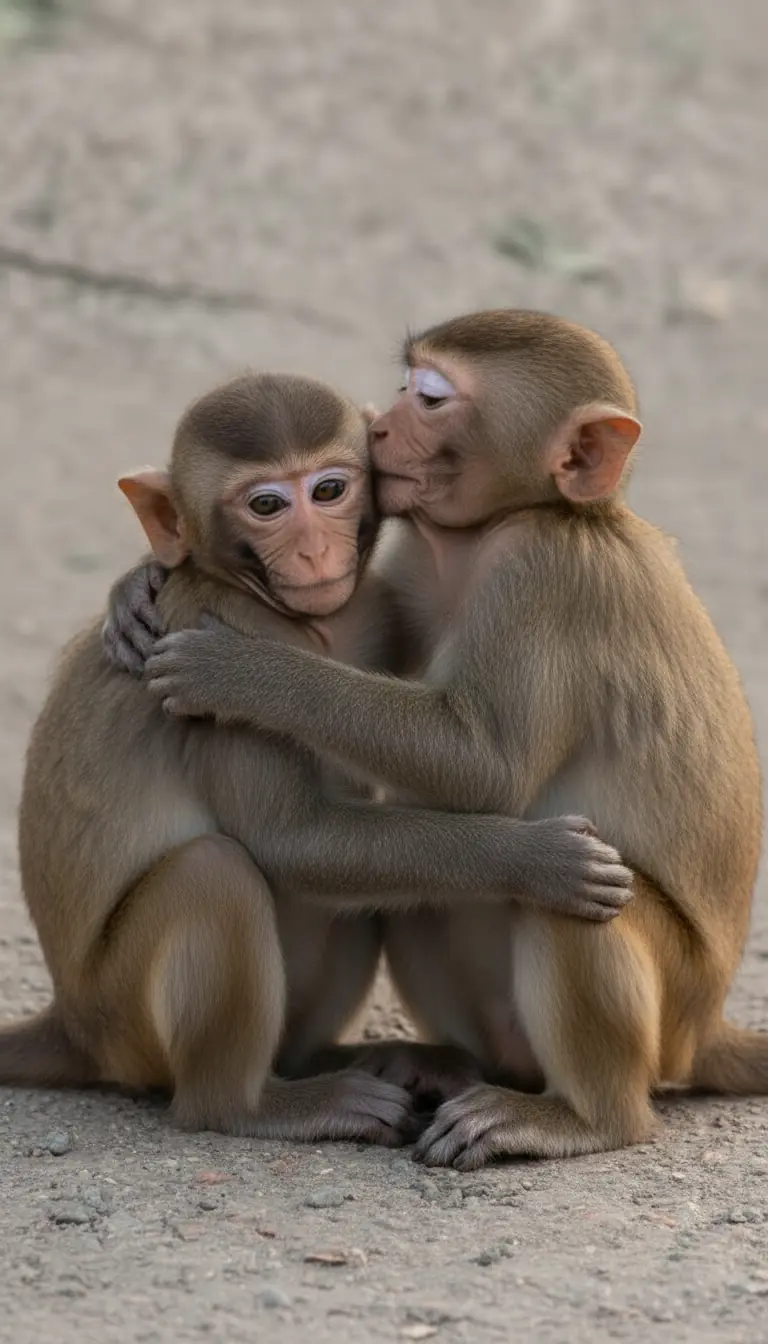
Punch doesn’t just stay near.
He clings.
This behavior reflects:
1. 🛡️ SEEKING SAFETY
Physical contact reduces stress in primates.
👉 Touch = calm
👉 Distance = uncertainty
2. 🔄 FEAR OF LOSS
Early abandonment creates sensitivity.
Punch has already experienced being left once.
👉 So he holds on tighter now.
3. ❤️ NEED FOR CONNECTION
For social animals, connection is not optional.
👉 It is essential for emotional stability.
⚠️ THIS IS NOT JUST “CUTE BEHAVIOR”

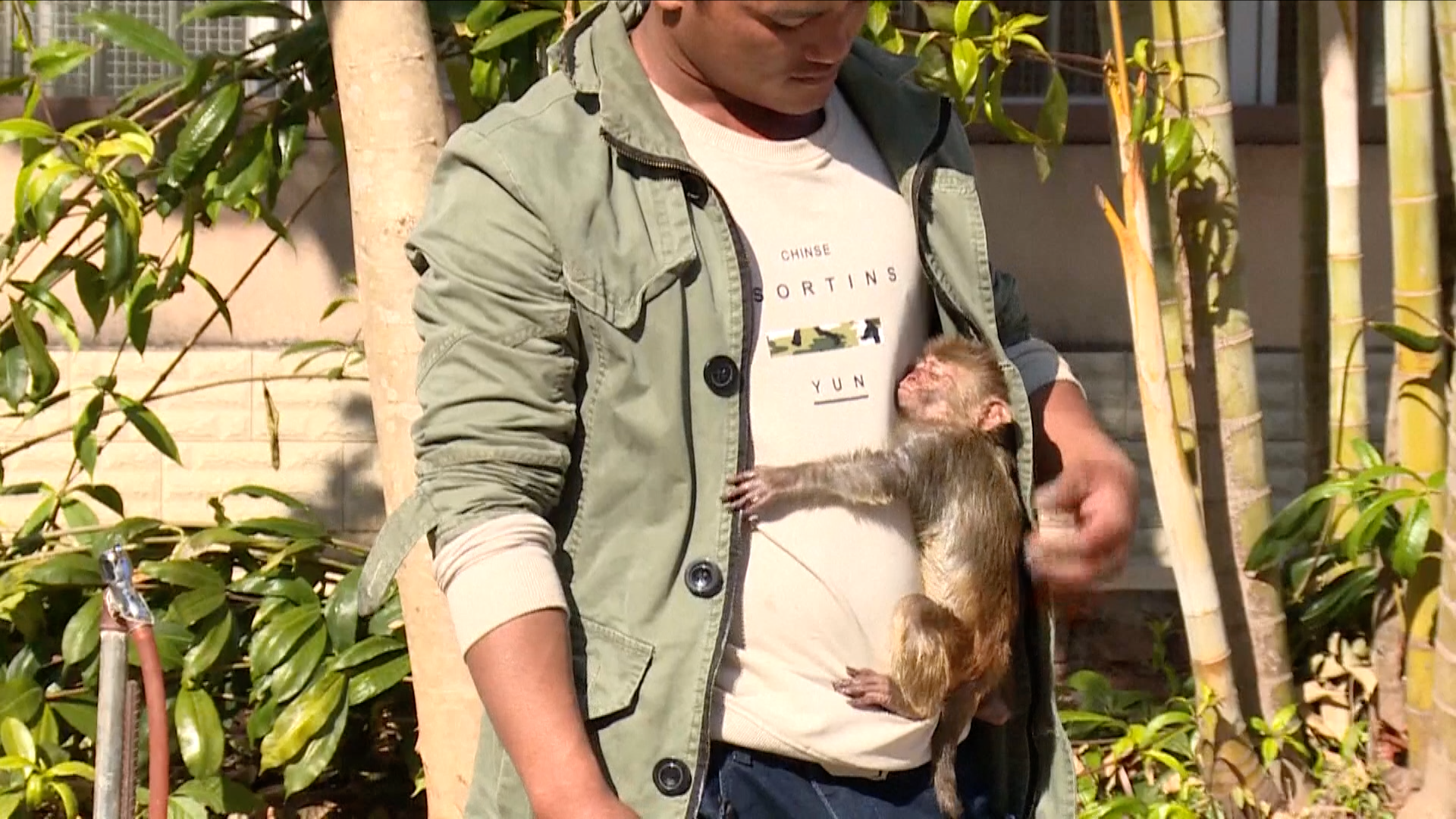

Many people see this and think:
👉 “He’s being playful.”
But in reality—
👉 This is attachment behavior at its core.
It reflects:
-
Trust
-
Dependence
-
Emotional security
And sometimes—
👉 Fear of losing it.
🌍 THE HUMAN PARALLEL


Humans do exactly the same thing.
Think about a child who:
-
Holds onto a parent’s leg
-
Follows them everywhere
-
Refuses to let them leave
Why?
👉 Because that person represents safety.
Not logically—
👉 But emotionally.
🧬 WHY THIS BOND IS SO STRONG
Punch’s attachment is stronger than usual because:
-
He experienced early loss
-
He lacked stable maternal care
-
He found safety later — not from birth
👉 This creates intense bonding
The brain values what it almost lost.
💬 THE MESSAGE
Punch doesn’t cling because he’s weak.
He clings because:
👉 He knows what it feels like to have nothing
And now—
👉 He holds onto what he has
❓ A QUESTION FOR YOU
When you see Punch holding onto his caretaker like that—
👉 Do you see dependency?
Or…
👉 Do you see trust built from survival?
❤️ FINAL THOUGHT
Punch didn’t choose who gave him life.
But he chose who made him feel safe.
And sometimes—
👉 That matters more than anything else.