Why Do Monkeys (Especially Bonobos) Show Emotions So Similar to Humans?
You’ve probably seen moments like these:
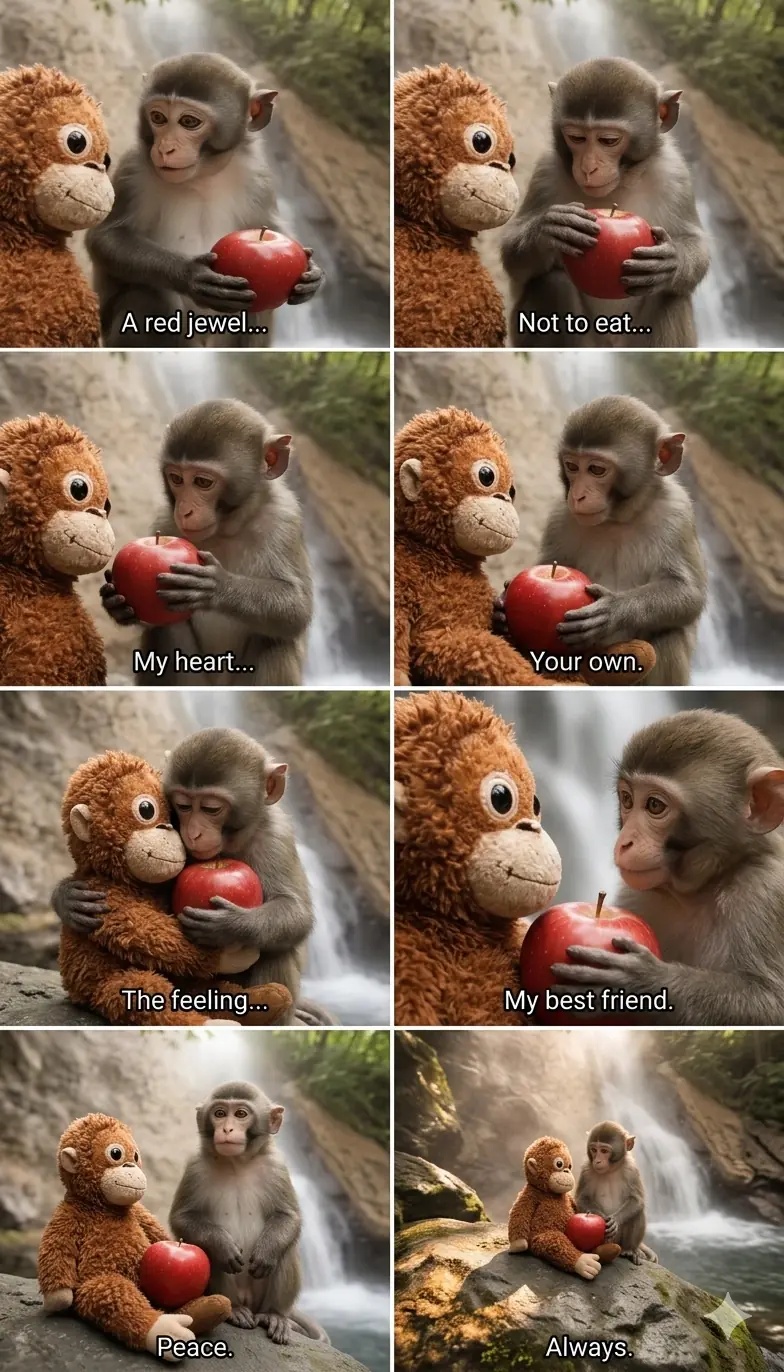
A monkey gently hugging another after a conflict.
A soft touch after distress.
A quiet presence beside someone who’s hurting.
At first glance, it feels almost… human.
But here’s the truth:
👉 This is not imitation.
👉 It’s not something they “learned” from us.
It’s something much deeper.
It’s part of who they are.
🧬 We Share the Same Emotional Roots


Bonobos (Pan paniscus) are among our closest living relatives.
Scientists estimate that humans and bonobos shared a common ancestor around 6 million years ago.
That may sound like a long time.
But in evolutionary terms?
👉 It’s relatively recent.
Which means many of our core traits are still deeply connected.
Including:
-
How we feel joy and sadness
-
How we bond with others
-
How we respond to conflict and stress
💡 In other words:
The roots of human emotion didn’t start with us — we inherited them.
🧠 Monkeys Don’t Just Feel — They Regulate Emotions

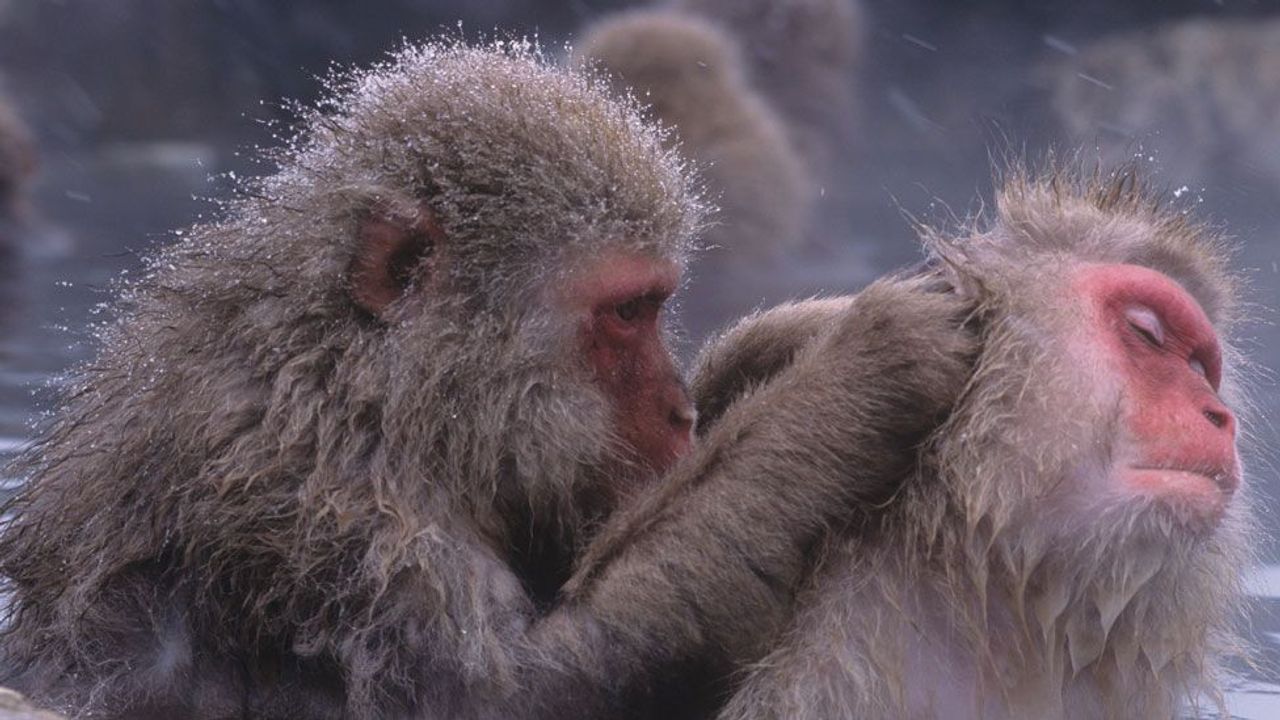

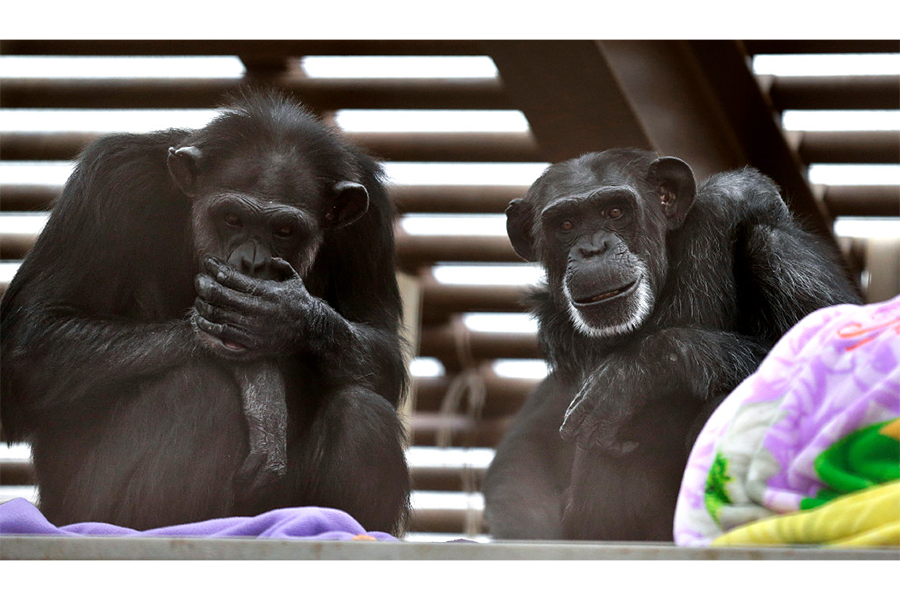
One of the most fascinating discoveries comes from researchers like Zanna Clay and Frans de Waal.
They found that bonobos don’t just experience emotions.
👉 They manage them.
For example:
-
After losing a conflict, a bonobo can calm down quickly
-
Others will approach and comfort them
-
Physical touch — like hugging or grooming — helps reduce stress
This behavior closely mirrors something we know very well:
👉 Empathy
The ability to recognize and respond to another’s emotional state.
And it’s not uniquely human.
🤝 “Human-Like” Actions: Hugging, Touching, Comforting
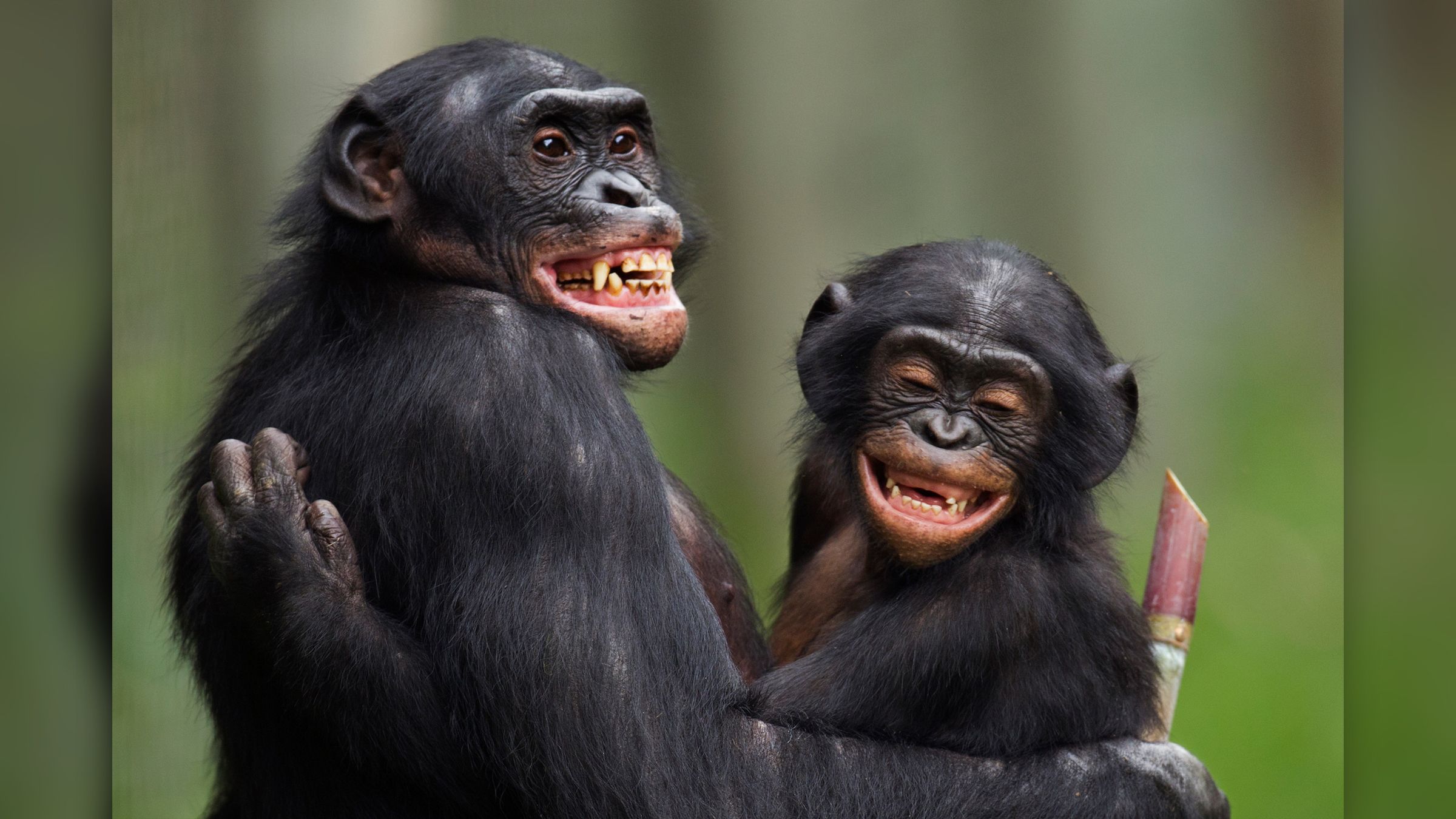


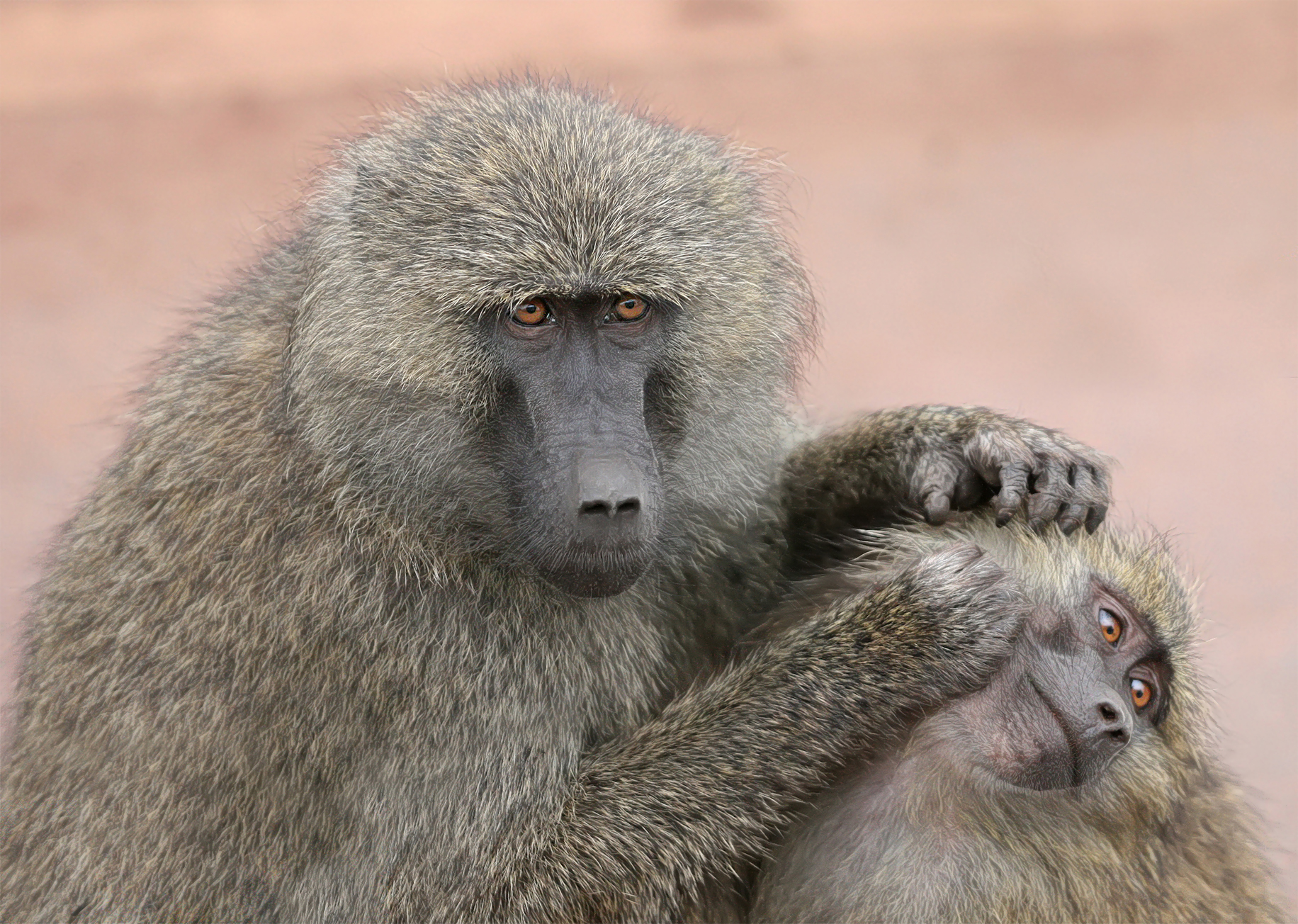
Observations from sanctuaries in places like Congo show that bonobos regularly:
-
Hug individuals in distress
-
Gently touch or groom them
-
Stay physically close after conflict
These are not random actions.
👉 They serve a purpose:
-
Reducing tension
-
Rebuilding trust
-
Strengthening social bonds
And they look strikingly familiar.
Just like humans:
-
We hug when someone cries
-
We touch to reassure
-
We stay present when words aren’t enough
💛 It’s the same language — just without words.
💔 Childhood Shapes Emotional Ability — Just Like in Humans


One of the most powerful insights from research is this:
👉 Not all monkeys are equally “emotionally skilled.”
Bonobos that:
-
Were separated from their mothers early
-
Experienced stress or trauma
Often show:
-
Higher aggression
-
Difficulty calming down
-
Lower levels of empathy
This is remarkably similar to humans.
In children:
👉 Early environment strongly shapes emotional development
-
Secure attachment → better emotional regulation
-
Trauma or neglect → long-term emotional challenges
💡 This suggests something profound:
Emotional intelligence is not just biological — it’s shaped by experience.
🔍 What Does This Tell Us About Humans?
This research challenges a long-held belief:
👉 That empathy and emotional intelligence are uniquely human traits.
Instead, it reveals:
💛 These abilities are part of our evolutionary inheritance
We didn’t invent empathy.
We evolved with it.
We share it.
Conclusion: A Mirror We Don’t Always Want to See
When a bonobo hugs another in distress…
It’s not acting human.
👉 It’s being itself.
And in that moment, we’re not seeing something foreign.
We’re seeing a reflection.
💭 Final Thought
If an animal can:
-
Recognize pain
-
Offer comfort
-
Stay present for another
Then maybe the real question isn’t:
👉 Why are they like us?
But:
👉 Why do we sometimes forget to be like them?
💬 What Do You Think?
👉 Do you believe animals truly feel empathy like humans do?
👉 Or are we still underestimating their emotional world?
👉 Drop a ❤️ if this made you think
👉 Share your thoughts — your perspective matters